
Quick Decision Guide: Which Mounting Type Fits Your Home?
Choosing the right door fence is one of the most critical steps in baby-proofing your home. The ideal choice depends entirely on where you plan to install the barrier, the structural materials of your walls, and whether you own or rent your living space. By matching your specific household layout to the correct mounting style, you can establish a reliable barrier that keeps your little one out of harm’s way.
Choose a pressure-mounted door fence if:
- You need a temporary barrier for doorways between rooms or the bottom of a staircase.
- You live in a rental property where drilling holes into walls or wooden door frames is restricted.
- Your installation surfaces are perfectly flat, parallel, and made of solid materials like solid wood or concrete.
- You want the flexibility to move the gate to different areas of the home or pack it away for travel.
Choose a hardware-mounted door fence if:
Products mentioned in this guide
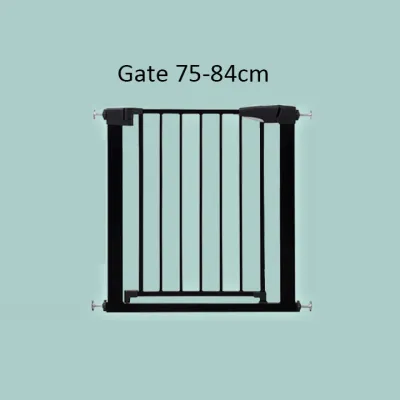
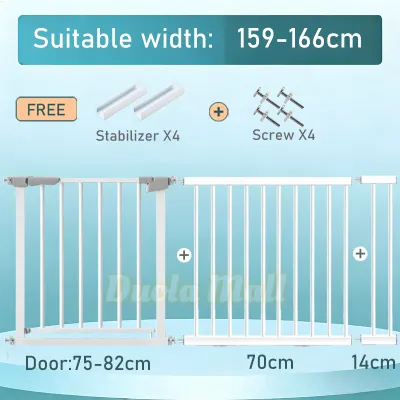
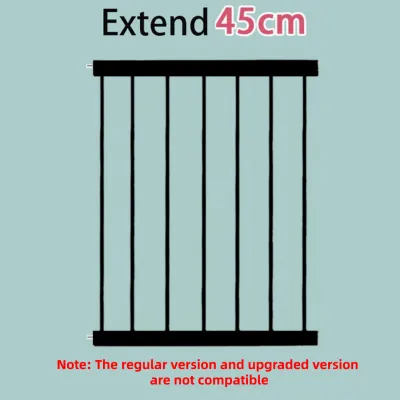
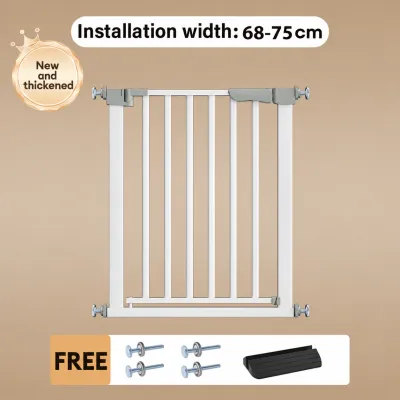
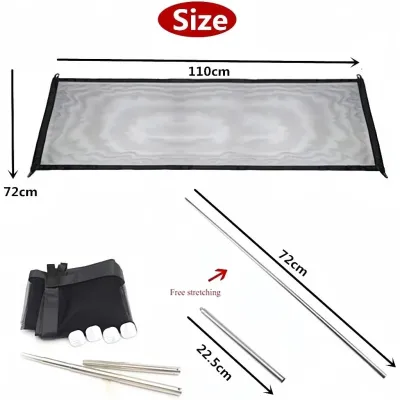
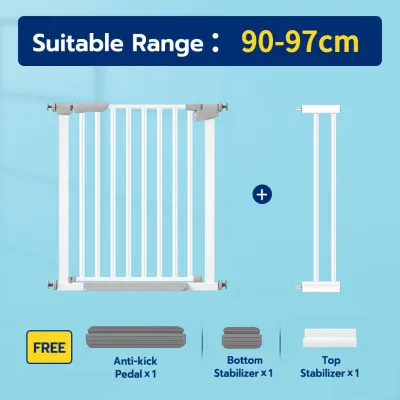
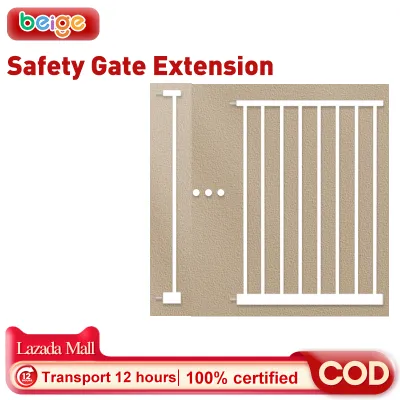
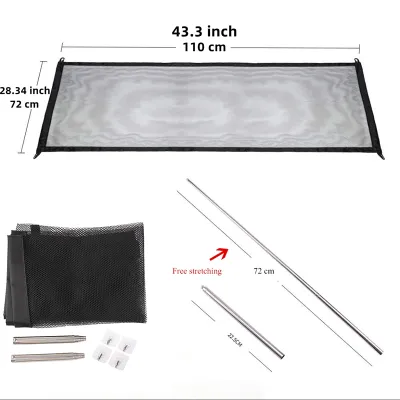
Prices are valid at publication and may change. Please refer to the product page for the latest price.
- You are blocking off the top of a staircase, where a falling gate poses a severe safety hazard.
- Your walls are uneven, plaster-coated, or lined with decorative baseboards that prevent a flush fit.
- You require a permanent safety solution that can withstand heavy pushing, shaking, and climbing attempts as your child grows.
- You are mounting the gate into drywall studs or solid wood frames where drilling is fully permitted.
Before making a final purchase, always verify the manufacturer’s warnings regarding child developmental stages. Most door fences are designed for children up to 24 months of age, or until they demonstrate the ability to climb over the barrier. Additionally, check the product packaging to ensure the model is certified for your intended location, especially if you plan to place it near stairs.
Pressure-Mounted Door Fences: How They Work and Where to Use Them
Pressure-mounted door fences operate on a simple tension mechanism, much like a standard shower curtain rod. The gate frame features adjustable pressure screws on each corner that extend outward against the door frame or walls. By tightening these screws, you create enough friction to hold the gate securely in place without drilling holes or using permanent adhesive. Many modern designs include rubberized tension pads or wall cups to improve grip and protect your paint or woodwork from scuffs.

These gates are highly suited for low-risk areas such as the doorways between bedrooms, playrooms, or the kitchen. They are also excellent for the bottom of a staircase, where they can prevent an active crawler from attempting to climb up the steps unsupervised. For families living in rented apartments or condominiums, pressure-mounted models offer a damage-free way to baby-proof without risking the security deposit.
However, pressure-mounted gates have distinct structural limitations that caregivers must understand. Because they rely solely on friction, they can slip or pop out of alignment if they are subjected to heavy impacts, repeated shaking, or sudden temperature and humidity changes. In tropical climates, high humidity can cause wooden door frames to expand or contract slightly, which may gradually loosen the gate’s tension.
Furthermore, almost all pressure-mounted gates feature a solid metal bar running along the floor at the bottom of the frame. This threshold bar remains in place even when the gate door is swung open, presenting a persistent tripping hazard. Because of this threshold bar and the inherent risk of the gate slipping under pressure, these models must never be installed at the top of a staircase.
Hardware-Mounted Door Fences: Maximum Security for High-Risk Areas
Hardware-mounted door fences are physically anchored to your home’s structure using screws, mounting brackets, and heavy-duty hinges. This installation method creates a permanent, highly stable connection that does not rely on friction to stay upright. Because the gate is screwed directly into the wall studs or door frame, there is no bottom threshold bar to step over, allowing the gate to swing completely open from wall to wall without creating a tripping hazard.
This robust construction makes hardware-mounted gates the only acceptable choice for high-risk zones, particularly the top of a staircase. If a child leans, pushes, or climbs on a gate at the top of the stairs, a hardware-mounted system will hold firm, preventing catastrophic falls. They are also the preferred option for wide, irregular, or angled openings, as the mounting brackets can often be adjusted to accommodate non-parallel walls or unique architectural features.
Despite their superior stability, hardware-mounted gates require a greater commitment during installation. You will need basic tools, including a drill, a level, a measuring tape, and a screwdriver. If you are mounting the gate into concrete walls—which are common in many local homes—you will also need masonry drill bits and appropriate wall anchors to ensure a secure hold.
Additionally, this mounting style leaves permanent screw holes in your walls or wooden door frames. While these holes can be patched with wood filler or spackling paste later on, they may not be ideal for renters who face strict lease agreements. If you are renting, it is highly recommended to obtain written landlord approval before drilling into any structural surfaces.
Comparing Key Dimensions: Pressure vs. Hardware Mounts
To help you weigh the trade-offs between these two mounting styles, it is helpful to compare them across several practical everyday dimensions.
Installation Effort and Required Tools
Pressure-mounted gates are incredibly easy to install and typically require no tools other than the small wrench included in the box. The entire process takes only a few minutes, making it highly accessible for busy parents. In contrast, hardware-mounted gates demand precise measurements, leveling, and drilling. A misaligned bracket can prevent the latch from closing properly, meaning you must take your time to measure twice and drill once.
Wall and Frame Compatibility
Pressure gates require two flat, solid, and parallel surfaces to create adequate tension. They do not work well on decorative molding, uneven plaster, or hollow drywall unless you can align the tension pads directly with a wall stud. Hardware gates are far more versatile in this regard. Because the mounting brackets can be screwed into various materials, they can adapt to uneven walls, baseboards of varying thicknesses, and even angled openings with the help of specialized adapters.
Portability and Reusability
If you travel frequently to visit grandparents or want a gate that can move from the kitchen doorway during the day to the bedroom doorway at night, a pressure-mounted gate is the clear winner. It can be uninstalled and reinstalled in a matter of minutes without leaving a trace. Hardware-mounted gates are fixed installations. Once they are screwed into place, moving them requires unscrewing the brackets, patching the old holes, and drilling new ones in the destination room.
Structural Integrity and Resistance
As toddlers grow, they naturally begin to test boundaries by shaking, pulling, and leaning their full weight against safety barriers. Hardware-mounted gates offer the highest level of structural integrity, easily resisting these physical challenges. Pressure-mounted gates can withstand moderate pushing, but they are vulnerable to repeated, high-energy shaking, which can cause the tension pads to slide along the wall surface over time.
How to Measure and Inspect Your Doorway Before Buying
Before purchasing any door fence, taking precise measurements of your target opening is essential to avoid compatibility issues. Do not rely on visual estimates or standard door sizes, as frames can warp or settle over time.
First, measure the width of the opening at three distinct points: the floor level, the middle (around waist height), and the top (approximately 30 inches up). Write down all three measurements. If the numbers differ, use the narrowest measurement when choosing a gate, and ensure the gate you select has adjustable sides or extensions that can accommodate the variance. This is particularly important for pressure-mounted gates, which require parallel surfaces to maintain even tension.
Next, inspect the texture and material of your walls. If you have glossy tiles, smooth glass, or highly polished wood, a pressure gate may struggle to find purchase and could slide easily. In these cases, using rubberized wall cups can help distribute the pressure and prevent slipping. If you are planning a hardware installation, use a stud finder to locate solid wood studs behind drywall, or verify that your wooden door frame is thick enough to hold screws without splitting.
Finally, assess the swing clearance around the doorway. Determine which way the gate door will open. It should swing away from hazards, such as stairs, and should not block high-traffic hallways, light switches, or air conditioning vents when left open. Ensure there is enough physical space for family members to walk past comfortably without bumping into the open gate panel.
Safety Checks and Maintenance for Long-Term Reliability
An improperly maintained door fence can fail when you least expect it. Establishing a quick weekly maintenance routine will ensure your safety barrier remains reliable as your child grows more active.
For pressure-mounted gates, perform regular tension checks. Grab the gate frame and give it a firm shake. If it shifts, slides, or feels loose, immediately adjust the tension screws to restore a tight fit. Keep in mind that changes in indoor humidity can cause wooden door frames to swell or shrink, directly affecting the gate’s grip. Clean the rubber tension pads occasionally with a damp cloth to remove dust and oils, which can reduce friction.
For hardware-mounted gates, inspect the mounting screws and brackets for any signs of loosening. Daily use, door slamming, and toddler shaking can cause screws to back out of drywall or wood over time. Tighten any loose hardware immediately. If you notice that the drywall around an anchor point is crumbling or cracking, reinstall the bracket using a stronger anchor or relocate the gate to a solid stud.
Regardless of the mounting style, always test the latch mechanism daily. The latch should engage automatically when the gate swings shut, and it should require adult-level hand strength or a double-action motion to open. If the latch sticks, apply a small amount of silicone-based lubricant to the moving parts, ensuring no excess residue is left where a child could touch it.
Lastly, know when it is time to retire the gate. Stop using any door fence immediately if your child’s chin reaches the top rail of the gate, if they exceed the manufacturer’s stated weight limit, or if they demonstrate the ability to climb over it. At this stage of development, a gate can become a climbing hazard rather than a safety barrier, and alternative child-proofing strategies should be implemented.
Frequently Asked Questions (FAQ)
Can I use a pressure-mounted fence at the top of the stairs?
No, you must never use a pressure-mounted door fence at the top of a staircase. Because pressure gates rely entirely on friction to stay in place, a child leaning or pushing against the gate with force can cause it to slip and dislodge completely. Additionally, pressure-mounted gates feature a solid metal threshold bar at the bottom of the frame that remains in place even when the gate is open. This bar presents a severe tripping hazard at the edge of the stairs. Always check the manufacturer’s manual and product labels, which universally prohibit top-of-stairs usage for pressure-mounted models.
Will a pressure-mounted gate damage my walls or baseboards?
Prolonged tension from a pressure-mounted gate can sometimes leave marks, dent drywall, crack plaster, or peel paint on wooden door frames. To minimize this risk, you can purchase inexpensive, aftermarket wall cups or protective silicone pads. These accessories slide over the gate’s tension screws, spreading the pressure over a wider surface area and providing a non-slip grip that protects your walls from structural damage and unsightly scuffs.
What if my door frame is wider than standard sizes?
If your doorway or hallway is wider than standard gate dimensions, you do not need to worry. Most manufacturers offer approved extension kits designed specifically for their gate models. These extensions insert directly into the main frame to widen the barrier safely. Always check the product label or manual to find the maximum allowable width for your specific gate model. Attempting to chain too many extensions together can compromise the gate’s structural stability and void the manufacturer’s safety guidelines.
Community discussion
Share your experience or ask a question. Comments are reviewed before publication.