
Choosing the right baby fence to secure your home requires balancing structural safety, convenience, and the physical layout of your living space. The decision between a pressure-mounted and a hardware-mounted baby gate is not merely a matter of personal preference; it is a critical safety choice dictated by where the gate will stand. While pressure-mounted gates offer quick, drill-free installation that preserves your walls, hardware-mounted gates provide a permanent, structurally anchored barrier capable of resisting significant force. Understanding how these two mounting styles perform under daily stress ensures you can protect your child from household hazards while maintaining the integrity of your home.
How Pressure and Hardware Mounting Actually Work
To make an informed choice, you must first understand the physical forces that keep each baby fence secure. Pressure-mounted gates operate on the principle of outward tension and surface friction. These gates feature adjustable pressure pads or tension screws on each corner that press tightly against opposing walls or doorframes. The stability of the gate relies entirely on the continuous outward force exerted against these flat surfaces. Because there are no physical fasteners penetrating the wall, the gate remains in place solely because the friction between the rubber pads and the wall surface exceeds the force of a child pushing or pulling against the barrier.
In contrast, hardware-mounted gates rely on mechanical anchoring for their structural integrity. This mounting style requires drilling pilot holes and securing heavy-duty mounting brackets directly into wall studs, solid wood doorframes, or concrete walls using screws and anchors. The gate itself then hinges onto these anchored brackets. Because the load is transferred directly into the structural framing of your home, a hardware-mounted gate can withstand substantial impact, pushing, and pulling without slipping or dislodging. This mechanical connection eliminates the risk of the gate sliding out of position when subjected to sudden weight or repetitive shaking.
Products mentioned in this guide
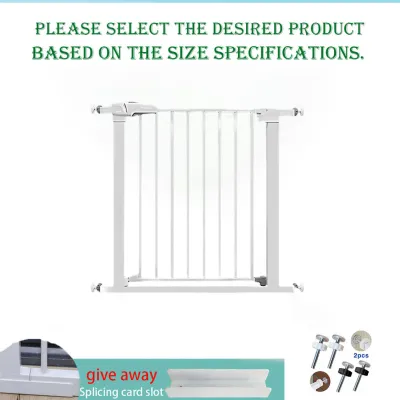
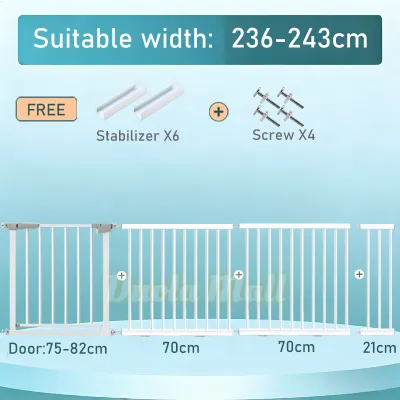
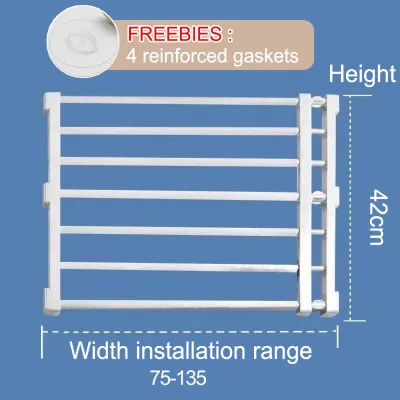
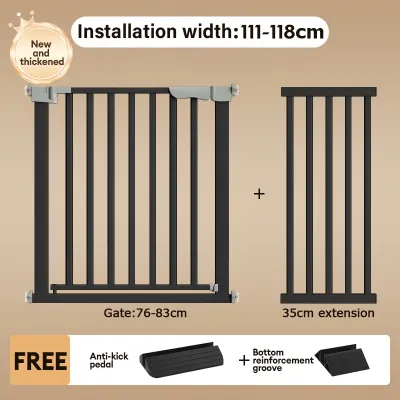
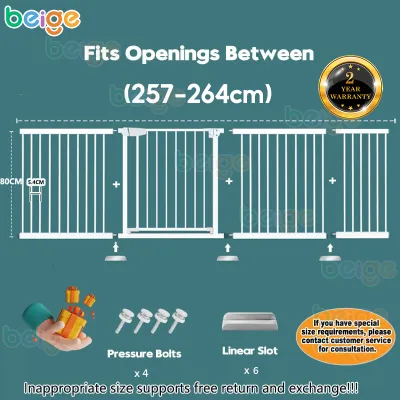
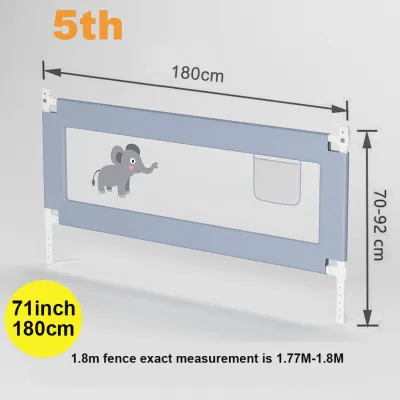
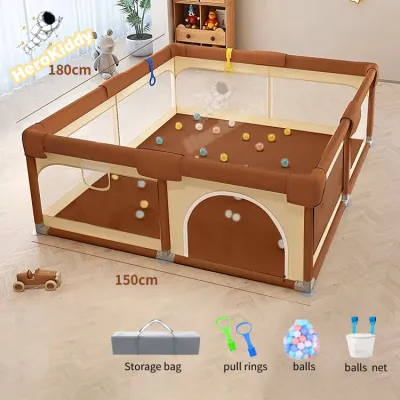
Prices are valid at publication and may change. Please refer to the product page for the latest price.
Safety Rules: Where You Can and Cannot Use Each Gate
The physical differences between these two mounting systems dictate where they can be safely installed within your home. The most critical safety rule concerns the top of a staircase. You must never install a pressure-mounted gate at the top of any stairs. If a crawling infant or a toddler stands up and leans their full body weight against a pressure gate, or if a child shakes the bars vigorously, the tension pads can slip, causing the entire gate to collapse outward. This creates a severe fall hazard where both the child and the heavy gate could tumble down the stairs. For the top of stairs, a hardware-mounted gate is the only acceptable option, as its anchored brackets prevent the gate from swinging open over the steps or dislodging under pressure.

Pressure-mounted gates are generally suitable for flat doorways, hallways, and the bottom of staircases, provided they are installed against solid, flat surfaces. When placing a gate at the bottom of the stairs, position it on the lowest step or on the flat floor just in front of the stairs to block access upward. Before installing any gate, you must inspect the strength of your walls and check for baseboard clearance. In many homes in the Philippines, walls may consist of hollow concrete blocks, solid concrete, or drywall over wooden studs. Installing a pressure gate against thin drywall without a stud behind it can cause the wall to bow or crack under the high tension required to keep the gate secure. Always verify the manufacturer’s placement warnings and weight limits to ensure the gate matches your child’s developmental stage.
Renting vs. Owning: Matching the Gate to Your Lease
Your housing situation plays a significant role in determining which baby fence mounting style is most practical. For families renting a home or condo, preserving the property to secure the return of a security deposit is a major consideration. Landlords often have strict rules against drilling holes into wooden doorframes, polished timber trim, or concrete walls. In these situations, a pressure-mounted gate is highly advantageous. It allows you to establish a secure boundary for your child without leaving permanent scars on the rental property. When it is time to move, you can simply loosen the tension screws, pack the gate, and leave the walls in their original condition, avoiding costly repair deductions.
For homeowners, the long-term safety of the child typically outweighs the minor inconvenience of repairing drywall or wood trim later. Installing a hardware-mounted gate provides peace of mind, knowing the barrier is as secure as possible. While drilling holes into your walls or wooden banisters might feel uncomfortable initially, these small holes are easily repaired with a bit of spackling compound, sandpaper, and matching paint once your child outgrows the need for a baby fence. When deciding between temporary and permanent options, consider how long you will need the barrier. Because children require active baby-proofing for several years, investing the effort to install a permanent, hardware-mounted gate in high-traffic or high-risk areas is a highly practical choice for long-term homeownership.
Installation, Daily Use, and Maintenance Trade-Offs
The daily experience of living with a baby gate varies greatly depending on the mounting style you select. Installing a pressure-mounted gate is relatively straightforward and requires no specialized tools. You simply position the gate, turn the tension knobs or adjust the pressure screws until the gate is level and tight, and verify that the locking mechanism aligns correctly. This process typically takes only a few minutes and can be easily adjusted if you need to move the gate to another doorway. However, because pressure gates rely on a rigid outer frame to maintain tension, they almost always feature a solid metal bar running along the floor. This bottom threshold bar remains in place even when the gate door is open, creating a persistent trip hazard, especially in high-traffic hallways or dark corridors at night.
Hardware-mounted gates require a more involved installation process that demands basic hand tools, such as a drill, a level, a screwdriver, and a tape measure. You must carefully measure the opening, locate the wall studs or use appropriate masonry anchors for concrete walls, and ensure the brackets are perfectly aligned so the gate hinges and latches operate smoothly. Although the initial setup takes more time and effort, hardware-mounted gates offer superior daily usability. Many hardware models do not have a bottom threshold bar, leaving the walkway completely flush with the floor and eliminating trip hazards. Additionally, hardware gates often swing open fully in both directions and can be easily operated with one hand, which is incredibly convenient when you are carrying a baby, a diaper bag, or groceries.
Maintenance routines also differ between the two types. Pressure-mounted gates require regular inspection because the tension can gradually decrease over time due to changes in humidity, temperature, or the natural settling of your home’s walls. In tropical climates with high humidity, wooden doorframes can swell and shrink, which may loosen the grip of a pressure gate. You must periodically check the tension indicators or physically shake the gate to ensure it remains tight. Hardware-mounted gates require less frequent adjustment, but you should still check the mounting screws and hinges periodically to ensure they have not loosened from repetitive swinging and slamming.
Final Decision Framework: Which Baby Fence to Choose
To select the right baby fence for your home, evaluate your specific installation locations, housing rules, and daily habits against the characteristics of each gate type.
You should choose a hardware-mounted gate if:
- You are installing the barrier at the top of a staircase or across any elevated drop-off.
- You own your home and want a flush-to-the-floor walkway without a bottom trip hazard.
- You require maximum structural stability to withstand a highly active toddler or large pets.
- You are mounting the gate to solid wood studs, concrete walls, or sturdy stair banisters.
You should choose a pressure-mounted gate if:
- You are renting your home and need to avoid drilling holes to protect your security deposit.
- You are blocking a flat, level doorway or hallway on a single floor level.
- You need a portable barrier that can be easily moved between different rooms or packed for travel.
- Your walls and doorframes are structurally sound and can withstand continuous outward pressure.
Before making any purchase, always measure the exact width of your doorway or hallway at both the top and bottom, as walls are rarely perfectly plumb. Check the thickness of your baseboards, as some gates require specialized adapters to clear uneven trim. Finally, always read the specific product manual and manufacturer guidelines to verify that the gate’s dimensions, weight limits, and recommended age ranges align with your family’s needs.
Frequently Asked Questions (FAQ)
Can I use a pressure-mounted gate at the top of the stairs if I add wall cups?
No, you should never use a pressure-mounted gate at the top of the stairs, even if you install aftermarket wall cups or rubber grip pads. While wall cups can improve friction and help protect your drywall from scuffs, they do not change the fundamental physics of a tension-based gate. A pressure gate still lacks a physical, mechanical anchor to the home’s structure. If a child exerts enough force, or if the tension slips due to environmental changes, the gate can still fail and tumble down the stairs. Safety standards and manufacturer warnings strictly prohibit this placement to prevent catastrophic fall injuries.
How do I fix the drywall after removing a hardware-mounted gate?
Fixing the drywall after removing a hardware-mounted gate is a straightforward DIY task that requires only a few basic materials. Start by removing the screws and plastic wall anchors from the wall. Use a small putty knife to fill the remaining holes with a lightweight spackling compound, pressing it firmly into the gaps and smoothing it flat against the wall surface. Once the compound dries completely, gently sand the area with fine-grit sandpaper until it is perfectly flush with the surrounding wall. Finally, apply a coat of matching primer and paint to make the repair invisible. Always check your product manual during installation to note the screw sizes used, which helps you anticipate the hole sizes you will need to patch later.
Will the tension from a pressure gate dent or damage my wooden doorframes?
Yes, the continuous outward force required to keep a pressure-mounted gate secure can dent, scratch, or peel the paint on softer wooden doorframes and decorative trim. This risk is particularly high in older homes or with frames made of softwoods. To minimize this damage, you can place specialized rubber wall protector pads between the gate’s tension screws and the wooden frame. These pads distribute the pressure over a larger surface area, reducing the likelihood of deep dents. Before applying full tension, inspect the strength of your doorframe to ensure it can withstand the pressure without bowing or cracking.
Community discussion
Share your experience or ask a question. Comments are reviewed before publication.