
Deciding between premium XXL diapers like Pampers and Huggies and budget-friendly alternatives like Equator is a common dilemma for parents. As toddlers grow into the XXL size range, their physical activity increases, and their skin remains highly sensitive to tropical heat and humidity. The choice often comes down to a balance of performance and cost: premium brands are highly justified for high-stress situations like overnight sleep and long travel, while budget-friendly options can perform exceptionally well for frequent daytime changes. By understanding how to evaluate these diapers and combining them into a smart rotation strategy, you can keep your toddler comfortable while managing your household expenses effectively.
Understanding Your Toddler's XXL Diaper Needs
Transitioning to XXL diapers is a significant milestone that should be guided by physical indicators rather than age alone. Most manufacturers design XXL diapers for toddlers weighing approximately 15 kilograms and above, but individual body shapes vary. A tall, lean toddler may require a different fit compared to a shorter, stockier child of the exact same weight. Always consult the specific brand’s weight chart on the packaging as your primary reference point before purchasing.
At the XXL stage, toddlers are highly active, constantly running, climbing, and exploring. This high level of mobility puts immense physical stress on a diaper’s construction. The elastic waistbands must stretch comfortably to accommodate movement without slipping down, while the leg cuffs must remain secure to prevent leaks during active play. If a diaper lacks sufficient elasticity or structural integrity, even a highly absorbent core will struggle to prevent leaks when the child moves dynamically.
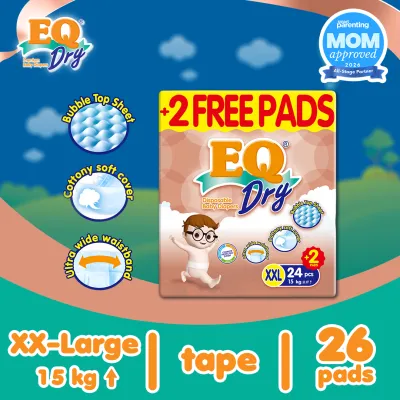
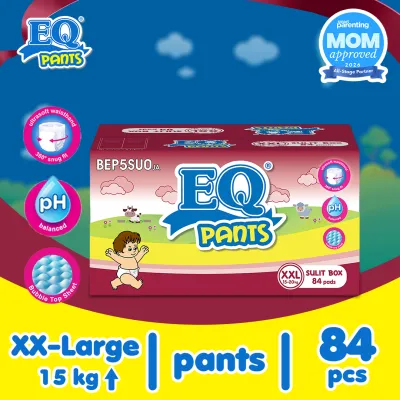
Products mentioned in this guide
![[BUNDLE SAVER] 2-Pack Happy Baby Pants Diapers XXL Generic (60 pieces)](https://img.lazcdn.com/g/ff/kf/Sb3bb86e54adc440485e10948e2c11734W.jpg_400x400q80.jpg_.webp)
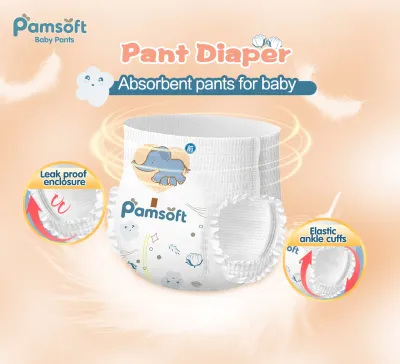
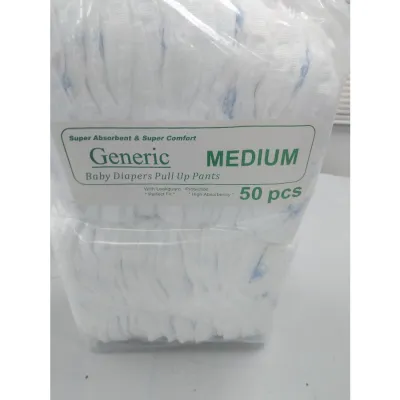
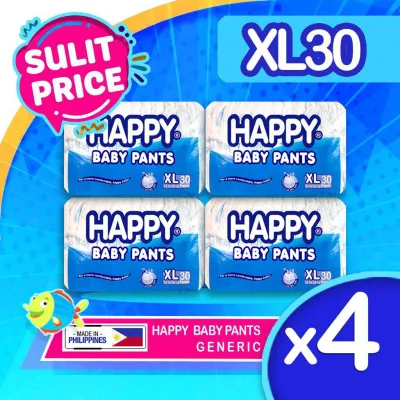
Prices are valid at publication and may change. Please refer to the product page for the latest price.
Skin sensitivity is another critical factor, especially in warm and humid tropical climates. Toddlers are prone to diaper rash when moisture is trapped against their skin for extended periods. When selecting an XXL diaper, parents must look for hypoallergenic labels, fragrance-free options, and breathability claims on the packaging. Evaluating your child’s skin reaction to different materials is essential, as some toddlers have highly sensitive skin that reacts to specific synthetic fibers or adhesives.
Comparing Premium and Budget Brands: What to Check on the Label
When comparing premium brands like Pampers and Huggies against budget-friendly options like Equator, it is important to look past marketing slogans and focus on verifiable product specifications. Start by examining the absorbency core technology described on the packaging. Premium diapers often highlight advanced channel designs or specialized superabsorbent polymers designed to distribute liquid evenly and lock it away from the skin. Budget brands may use more traditional pulp-based cores, which can sometimes bunch up when wet.

Wetness indicators are another feature to verify. Many modern diapers include a color-changing strip on the outside to signal when a change is needed. While highly convenient, especially for busy caregivers, some budget-friendly brands may omit this feature to keep manufacturing costs low. Check the product description or packaging illustrations to confirm whether a wetness indicator is included if this is a priority for your daily routine.
The design of the waistband, fastening tabs, and leg cuffs can be observed directly upon unboxing. Premium options typically feature wide, highly stretchable waistbands and refastenable grip tabs that allow for multiple adjustments. Budget options like Equator may feature simpler adhesive tapes or less elastic waistbands. Additionally, inspect the double-layered leg guards; these should feel soft to the touch and have sufficient elasticity to hug the toddler’s thighs gently without leaving deep red marks.
Breathability claims are vital for comfort in humid environments. Look for terms like “breathable outer cover” or “micro-pores” on the packaging. These features allow hot air and moisture to escape while keeping liquid contained. While premium brands frequently emphasize these material technologies, many modern budget brands are also improving their material composition, making it essential to physically feel the diaper’s softness and thickness during a trial.
Building a Cost-Effective Diaper Strategy
To manage your household budget effectively, you must calculate the exact cost per diaper rather than comparing the total price of the pack. To do this, divide the total price of the diaper pack by the number of individual diapers inside. For example, a premium pack costing ₱1,200 with 40 diapers results in a unit cost of ₱30 per diaper, whereas a budget pack costing ₱600 with 50 diapers costs ₱12 per diaper. Keep a running log of these unit costs when browsing physical retail stores or online marketplaces.
You can maximize your savings by taking advantage of bulk bundles, seasonal sales, and subscription discounts offered by authorized online distributors. However, avoid buying massive quantities of a new brand or size until you are certain of the fit. Once you have confirmed that a specific diaper works well for your child, purchasing larger box sizes typically yields a lower cost per piece compared to small convenience packs.
A highly effective way to balance performance and cost is to implement a diaper rotation strategy. Use premium, high-absorbency diapers like Pampers or Huggies for overnight sleep, long car rides, or outings where immediate changes are difficult. For regular daytime hours at home, switch to a budget-friendly option like Equator. Since daytime diapers are changed frequently—often every two to three hours—a budget diaper does not need to hold hours of liquid, making it a highly economical choice for routine wear.
Your diaper budget should also adapt to your toddler’s changing habits. As children grow, their fluid intake and urination patterns change. Furthermore, if you are actively potty training, your child may only need diapers during naps and nighttime. Adjusting your purchasing frequency and shifting toward lighter, budget-friendly options or training pants can help reduce overall diaper expenses during this transitional phase.
When to Choose Premium vs. When Budget is Enough
Premium XXL diapers are highly justified in scenarios demanding maximum absorbency and a highly secure fit. Overnight sleep is the primary example; a diaper must lock away moisture for up to twelve hours to prevent wetness from waking your toddler or causing skin irritation. Long travel days, family outings, or periods when your child is drinking large amounts of fluids also call for the advanced leak protection and superior elastic fit of premium brands.
Conversely, budget-friendly diapers like Equator are entirely sufficient for standard daytime use at home. When a caregiver is present to change the diaper immediately after wetting or a bowel movement, the advanced overnight capacity of a premium diaper is unnecessary. Using a budget diaper during these hours is not only practical but also encourages frequent changes, which is one of the most effective ways to maintain excellent skin health and prevent diaper rash.
It is crucial to monitor your child for signs that a budget diaper is no longer meeting their needs. If you observe frequent leaks during normal daytime activities, sagging even when the diaper is barely wet, or persistent skin redness, it may be time to upgrade to a premium alternative. Alternatively, these signs could indicate that your toddler has outgrown the current size and needs to transition to a larger size or a different fit style, such as pants instead of tape diapers.
Smart Shopping and Trial Guidelines for XXL Diapers
Before committing to a large bulk purchase of any XXL diaper brand, always start by purchasing small trial packs or requesting samples. This is especially important when testing a budget-friendly brand like Equator for the first time. Every toddler’s body shape and skin sensitivity are unique, and a diaper that works perfectly for one child may cause leaks or irritation for another. Testing a small quantity first prevents financial waste and ensures you do not get stuck with dozens of unusable diapers.
During the initial trial period, monitor your toddler’s skin and the diaper’s performance closely. Check for red marks around the thighs and waist, which indicate the fit is too tight or the elastics are too harsh. Observe whether the diaper sags excessively when wet or if liquid leaks through the leg cuffs during active play. Any signs of persistent skin irritation or diaper rash should prompt you to stop using that specific brand immediately and consult a pediatrician if the condition persists.
When purchasing XXL diapers in bulk from online marketplaces or physical retailers, always verify the seller’s ratings and customer reviews to ensure product authenticity. Check the manufacturing and expiration dates printed on the packaging, as older diapers can sometimes experience degraded elastic bands or reduced adhesive strength. Additionally, review the retailer’s return and exchange policies in case you accidentally purchase the wrong size or need to return unopened packs.
Frequently Asked Questions (FAQ)
How do I know if my child is ready to move up to XXL diapers?
Your child may be ready to transition to XXL diapers if you notice physical signs of a tight fit, such as deep red marks on their thighs or waist after wear. Frequent side leaks, even when the diaper is not fully saturated, also indicate that the current size lacks the coverage needed for your toddler’s body. Always cross-reference your child’s current weight with the manufacturer’s official weight chart on the packaging, as sizing up can instantly resolve persistent leak issues.
Can I mix different diaper brands in my daily routine?
Yes, mixing different diaper brands is an excellent, cost-effective practice. Many parents successfully use budget-friendly brands like Equator for active daytime hours when changes are frequent, and switch to premium brands like Pampers or Huggies for overnight sleep or long travel. When adopting this routine, closely monitor your child’s skin to ensure they do not experience any adverse reactions or sensitivity when transitioning between different diaper materials throughout the day.
Community discussion
Share your experience or ask a question. Comments are reviewed before publication.