
Finding a first birthday gift that balances a premium aesthetic with a modest budget can be a challenge. While high-end boutique toys often come with steep price tags, a carefully selected clay set for kids can serve as an elegant, thoughtful, and highly engaging present. By focusing on sophisticated packaging, safe materials, and clever presentation strategies, you can gift a beautiful sensory tool that looks expensive but fits comfortably within a budget of ₱300 to ₱800.
However, gifting clay for a one-year-old requires a clear understanding of early childhood development. Because babies at this stage explore their world primarily with their mouths, standard modeling clays are not suitable for immediate play. Succeeding with this gift means choosing between specialized, food-grade sensory doughs designed for early tactile play or presenting a high-quality modeling set as a thoughtful “grow-with-me” gift that parents can store for the near future. Both approaches allow you to deliver a premium-looking gift while keeping child safety at the absolute forefront.
The Safety Reality of Gifting Clay for a First Birthday
At twelve months old, infants are in a highly active oral exploration phase. They naturally place toys, hands, and household objects into their mouths to learn about textures, shapes, and temperatures. Traditional modeling clay, standard playdough, and small sculpting accessories pose severe choking and accidental ingestion hazards for children at this developmental stage. Most commercial modeling clays are designed for children aged three and older, as they require developed motor skills and the cognitive understanding that clay is not food.
Products mentioned in this guide
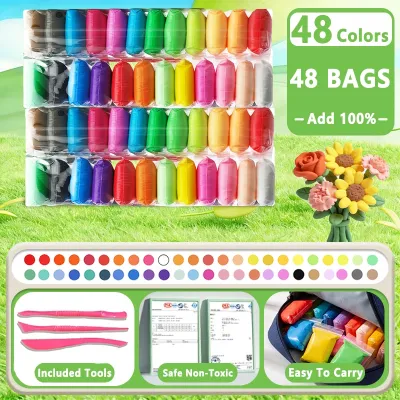
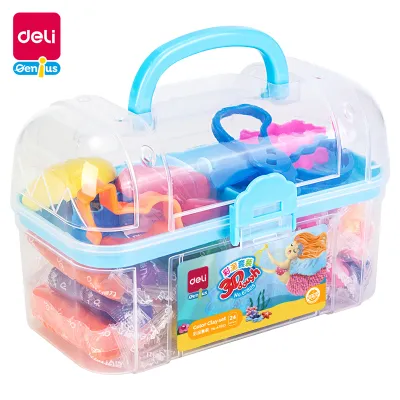
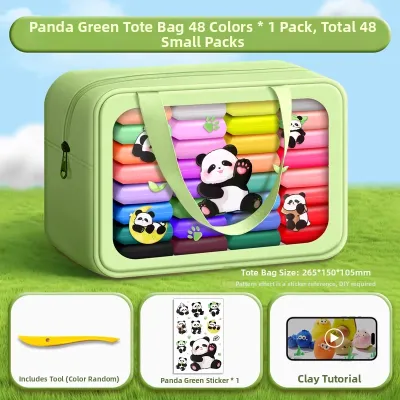
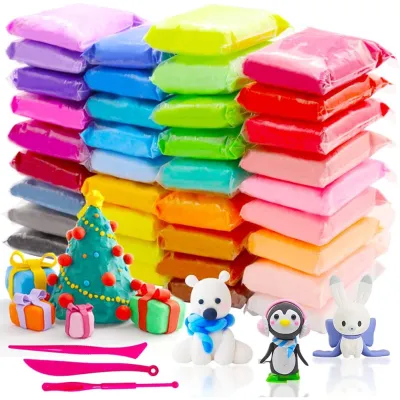
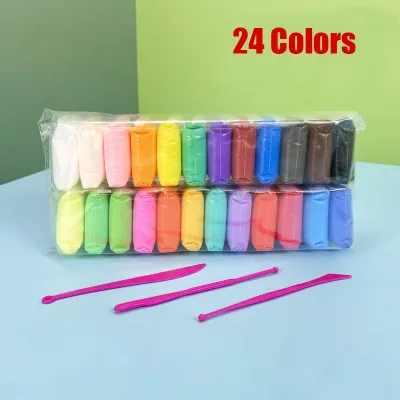
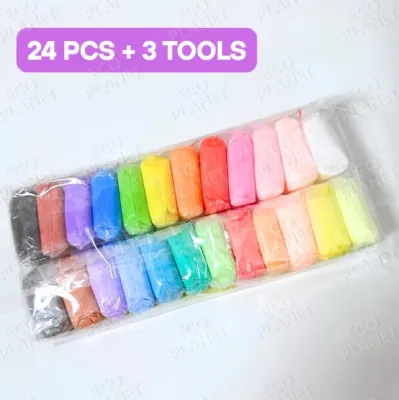
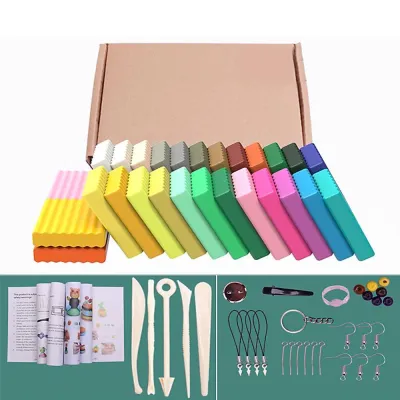
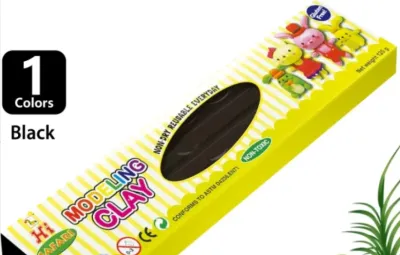
Prices are valid at publication and may change. Please refer to the product page for the latest price.
To navigate this safety reality, you can reframe the gift as a “grow-with-me” investment. Toddlers develop rapidly, and parents often appreciate having a stash of high-quality activity sets ready for when their child reaches two or three years of age. Presenting the clay set for kids as a future-use item demonstrates foresight and saves parents from having to purchase developmental toys down the line. It is a practical alternative to the influx of infant toys that a one-year-old will outgrow in a matter of weeks.
Alternatively, you can search for specialized sensory doughs specifically formulated for younger toddlers. These products are typically handmade or manufactured using food-grade, non-toxic ingredients like flour, water, salt, and natural food colorings. While still requiring active adult supervision to prevent choking or massive consumption, they offer a much safer introduction to squishing and squeezing.
Regardless of which path you choose, communication with the parents is essential. When gifting a set intended for future use, make sure to point out the manufacturer’s age recommendation on the box. Adding a gentle, clear note to the wrapping helps the parents understand when and how to introduce the toy safely, preventing any accidental early exposure.
Identifying Premium Packaging and Presentation on a Budget
You do not need to spend a fortune to give a gift that looks like it came from a high-end baby boutique. The secret lies in identifying specific design elements that signal quality and sophistication. Cheaper, mass-produced toy sets often feature loud, neon primary colors and busy, cluttered branding. In contrast, premium brands tend to utilize muted, earthy, or pastel color palettes. Look for clay sets featuring soft sage greens, dusty roses, terracotta, warm ochres, or subtle neutrals. These tones look beautiful on nursery shelves and appeal to modern parents who value aesthetic harmony in their homes.

Packaging materials also play a massive role in the perceived value of a gift. Avoid items wrapped in flimsy plastic blister packs, thin shrink-wrap, or cheap cardboard that easily dents during transport. Instead, seek out sets housed in rigid, heavy-duty cardboard boxes, minimalist kraft paper packaging, or reusable metal tins. A sturdy box not only protects the contents but also elevates the entire unboxing experience, making the gift feel substantial and deliberate from the moment it is unwrapped.
Once the box is opened, the internal organization should continue to impress. Premium-looking sets avoid throwing loose items into a single plastic bag. Look for options that feature molded pulp inserts, neat cardboard dividers, or individual, labeled jars with clean typography. When tools and dough compartments are neatly arranged in their own dedicated spaces, the gift immediately feels more organized, professional, and expensive than its actual price tag suggests.
Essential Safety Labels and Quality Specs to Verify for a Clay Set for Kids
Before finalizing any purchase, you must verify the actual safety credentials and material quality of the clay set for kids. Do not rely solely on generic “safe” or “non-toxic” claims printed in online product titles or descriptions. Instead, look closely at the product images or physical packaging for recognized toy safety certifications. Standards such as ASTM D-4236 in the United States or EN71 in Europe indicate that the product has undergone rigorous laboratory testing for toxicological hazards. In the Philippines, reputable toy distributors will also carry local toy safety registration marks, which are crucial checkpoints for peace of mind.
If you opt for a baby-safe or edible sensory dough alternative, pay close attention to the ingredient list and allergen warnings. Many homemade or natural doughs rely on wheat flour as a base, which contains gluten. Other formulations may include soy, dairy, or refined oils. If the recipient family has a history of severe allergies, verifying these ingredients is a critical safety step. Always check the packaging for clear allergen declarations to ensure the sensory play environment remains completely safe.
The quality of the included tools is another major indicator of a premium set. Cheap clay kits often include thin, brittle plastic molds with sharp mold lines that can easily scratch sensitive skin or snap under pressure. Prioritize sets that include smooth, splinter-free wooden tools made from beechwood or bamboo, or accessories crafted from soft, food-grade silicone. These materials are highly durable, feel wonderful to hold, and pose significantly fewer safety risks for young children.
Finally, check the quality of the storage containers. In the tropical, high-humidity climate of the Philippines, poorly sealed clay can quickly dry out, grow mold, or turn into a sticky, unusable mess. Read product details and customer reviews to verify that the individual clay or dough portions are housed in secure, airtight tubs with screw-top lids or tight silicone seals. This ensures the material remains fresh and pliable for months, preserving your gift until the child is ready to play.
Elevating the Unboxing: Presentation and Pairing Strategies
If you find a budget-friendly clay set that has excellent ingredients and tools but comes in plain or utilitarian packaging, you can easily upgrade the presentation yourself. Transfer the individual clay jars and wooden tools into a beautiful, reusable container. A small, minimalist wooden box with a sliding lid, a clean metal biscuit tin, or a high-quality cotton canvas drawstring pouch can instantly transform simple components into a luxury heirloom-style gift.
To make the “grow-with-me” nature of the gift clear and charming, attach a beautifully designed, handwritten tag to the package. You can write a warm message such as “For future masterpieces—to be opened on your second birthday!” or “A little sensory fun for when you grow a bit bigger.” This simple addition frames the gift as a thoughtful, strategic choice rather than an oversight, and it helps the parents manage toy rotations in their home.
To ensure the birthday child has something to enjoy immediately on the day of the party, pair the future-use clay set with a small, age-appropriate sensory item. You can tie the clay box together with a soft, food-grade silicone teether, a beautifully illustrated board book, or a textured sensory ball. This creates a multi-stage gift: the baby gets immediate tactile stimulation from the safe infant toy, while the parents put away the premium clay set for kids to bring out as an exciting activity a year down the road.
Navigating Online Marketplaces for Genuine Value
When shopping on online marketplaces in the Philippines, finding genuine quality requires a discerning eye. E-commerce platforms are filled with heavily edited stock photos that make small, cheap plastic toys look large and luxurious. To avoid disappointment, always filter customer reviews to show only those with photos and videos. This allows you to see the product in real-world lighting, gauge the actual size of the containers relative to a hand, and inspect the condition of the packaging upon delivery.
Pay close attention to seller ratings and store types. Whenever possible, purchase from official brand stores, certified mall distributors, or highly rated local specialty toy shops. Avoid unbranded listings with suspiciously low prices. High-quality clay and natural sensory dough must be stored correctly; buying from reputable sellers reduces the risk of receiving old, dried-out stock that has been sitting in hot, unventilated warehouses for too long.
Lastly, factor in shipping safety and return policies. Because the tropical heat during transit can sometimes cause natural doughs to sweat or separate, check if the seller offers a clear replacement guarantee for transit damage. A reliable seller will package the set securely in bubble wrap or a outer box to ensure the premium presentation remains pristine and ready for gifting.
Community discussion
Share your experience or ask a question. Comments are reviewed before publication.