
Navigating skincare for pregnant women requires a careful shift in your daily beauty regimen. During pregnancy, what you apply to your skin can potentially enter your bloodstream in small amounts, making it essential to evaluate the safety of your favorite serums, creams, and cleansers. While many cosmetic ingredients are perfectly safe, medical professionals generally advise avoiding specific active compounds—such as topical retinoids, high-strength salicylic acid, and hydroquinone—to protect your developing baby. Transitioning to a pregnancy-safe routine does not mean abandoning your skin health; rather, it is an opportunity to focus on gentle, nourishing ingredients that support your skin through rapid hormonal changes.
Why Pregnancy Changes Your Skincare Safety Needs
Pregnancy triggers a cascade of hormonal and physiological shifts that directly impact your skin’s behavior and barrier function. The sudden increase in estrogen and progesterone can alter sebum production, leading to unexpected breakouts or, conversely, intense dryness and flaking. In tropical climates like the Philippines, where high humidity and intense sun exposure are daily realities, these hormonal fluctuations often exacerbate conditions like melasma, commonly referred to as the “mask of pregnancy.” This hyperpigmentation can tempt you to reach for potent brightening agents, but your skin’s heightened sensitivity during this period means strong treatments may cause severe irritation.
The primary reason for caution lies in the principle of topical absorption. Although the skin acts as a highly effective barrier, certain small-molecule active ingredients can penetrate the outer layers and enter systemic circulation. While the amount absorbed from standard cosmetics is typically very low, the potential risk to a developing fetus warrants a conservative approach. Medical guidelines emphasize a precautionary principle: when clinical safety data during pregnancy is limited or absent, it is best to pause the use of highly active or systemic-reaching compounds.
Products mentioned in this guide

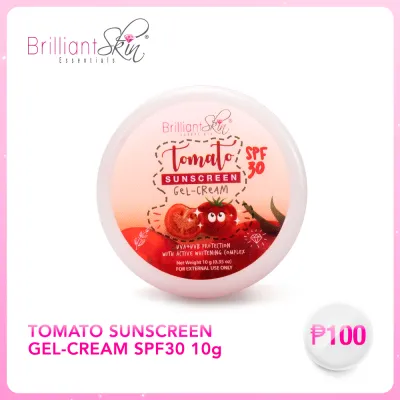

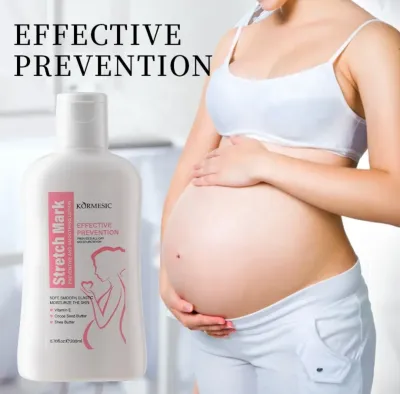
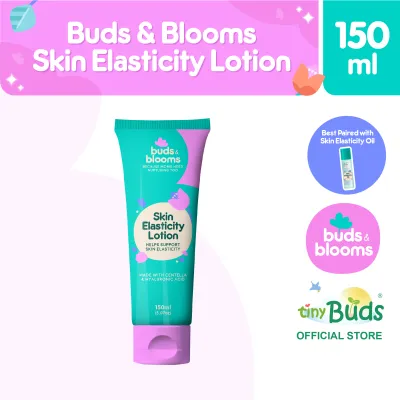
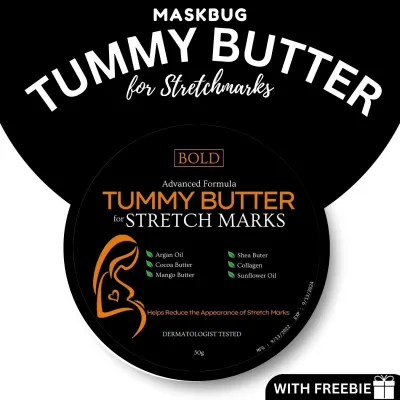
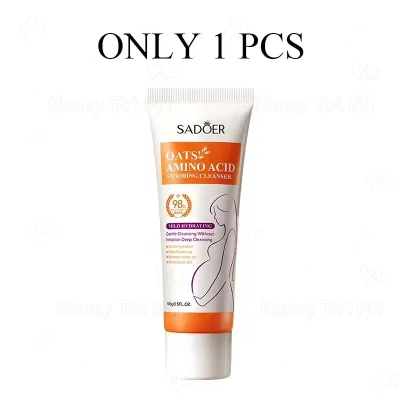

Prices are valid at publication and may change. Please refer to the product page for the latest price.
Because every individual’s health profile and skin barrier are unique, consulting your OB/GYN or a board-certified dermatologist is the most reliable step you can take. A healthcare professional can help you evaluate your current product lineup, identify potential risks, and recommend safe alternatives tailored to your specific skin concerns. Never hesitate to bring your product bottles or ingredient lists to your prenatal appointments for a thorough review.
Skincare Ingredients to Review With Your Doctor
When reviewing skincare for pregnant women, it is helpful to categorize ingredients based on their potential risks and the level of medical consensus surrounding them. Many ingredients flagged by dermatologists are not proven toxins in cosmetic doses, but they lack the robust safety data required to guarantee absolute safety for your baby. Because clinical trials on pregnant individuals are ethically restricted, medical advice relies heavily on historical data, animal studies, and known systemic absorption rates.

It is vital to inspect both over-the-counter cosmetics and prescription-strength dermatological treatments. Prescription creams often contain significantly higher concentrations of active ingredients than standard drugstore finds, making their potential systemic absorption much higher. Before applying any product to your face or body, verify the exact concentration, formulation type, and recommended application frequency with your doctor to ensure you remain within safe boundaries.
Vitamin A Derivatives (Retinoids)
Topical retinoids are widely celebrated for their anti-aging and acne-clearing capabilities, but they are the first ingredient category you should pause when you learn you are pregnant. On ingredient lists, these compounds appear under various names, including retinol, retinyl palmitate, retinaldehyde, adapalene, tazarotene, and tretinoin. While oral retinoids are well-documented to cause significant developmental risks and are strictly contraindicated, the caution surrounding topical retinoids is largely precautionary.
Because topical application still carries a small risk of systemic absorption, medical guidelines globally recommend avoiding all forms of vitamin A derivatives throughout your pregnancy. If you discover you are pregnant while using a retinoid, there is no need to panic; simply stop using the product immediately and inform your healthcare provider. They can guide you toward gentle, pregnancy-safe alternatives that target fine lines and breakouts without the associated risks.
Salicylic Acid and Other Exfoliants
Beta-hydroxy acids (BHAs), primarily salicylic acid, are highly effective for deep-cleaning pores and managing acne, which is a common complaint during pregnancy. However, the use of salicylic acid during pregnancy requires a nuanced approach. High-dose oral salicylic acid is avoided during pregnancy, and high-concentration topical chemical peels performed in clinical settings carry systemic absorption risks that make them unsuitable for expecting mothers.
In contrast, low-dose, over-the-counter salicylic acid products—such as face washes or spot treatments containing 2% or less of the ingredient—are generally considered acceptable by many dermatologists when used in limited amounts. Because wash-off products have minimal contact time with the skin, their absorption is negligible. However, you should strictly avoid full-body applications, leave-on BHA lotions, or high-frequency chemical exfoliation unless explicitly approved by your doctor. For a safer exfoliating alternative, discuss gentle alpha-hydroxy acids (AHAs) like glycolic acid or lactic acid in low concentrations with your healthcare provider.
Skin Lighteners and Essential Oils
Hyperpigmentation and melasma are common concerns for pregnant women, especially in sunny regions where UV rays intensify dark spots. Hydroquinone is a powerful skin-lightening agent frequently used to treat these conditions, but it is highly recommended to avoid it entirely during pregnancy. Studies indicate that hydroquinone has an unusually high systemic absorption rate compared to other topicals, making it a significant outlier that warrants strict avoidance.
Additionally, many expecting mothers turn to “natural” or plant-based skincare, assuming these products are inherently safer. However, highly concentrated essential oils can pose unexpected risks. Certain essential oils contain active organic compounds that can trigger uterine contractions or cause severe skin sensitization when exposed to sunlight. Always dilute essential oils properly if they are in approved rinse-off products, and consult a professional aromatherapist or your OB/GYN before using any concentrated aromatherapy blends during your pregnancy journey.
How to Spot Hidden Ingredients on Skincare Labels
Protecting your skin and your baby starts with learning how to read the International Nomenclature of Cosmetic Ingredients (INCI) list printed on the back of your packaging. By law, cosmetic ingredients are listed in descending order of concentration, meaning the ingredients at the top of the list make up the majority of the product. Identifying active compounds requires looking past the marketing claims on the front of the bottle and scanning the actual chemical names on the back.
Hidden retinoids or chemical exfoliants can sometimes lurk under complex chemical names or proprietary botanical blends. For example, retinyl palmitate might be listed in a “night recovery complex,” while salicylic acid might be disguised as willow bark extract. To help navigate these complex terms, you can use reputable online skincare ingredient checker databases as a preliminary screening tool. However, remember that these digital tools and mobile apps are automated and do not replace the personalized, professional medical advice of your doctor.
Building a Gentle and Safe Pregnancy Skincare Routine
Transitioning to a pregnancy-safe routine is an excellent opportunity to simplify your skincare and focus on rebuilding your skin’s natural barrier. A basic, low-risk routine should center on three core steps: gentle cleansing, reliable hydration, and physical sun protection. Look for mild, fragrance-free cleansers that do not strip your skin of its natural oils, and follow up with a basic moisturizer containing barrier-supporting ingredients like ceramides, hyaluronic acid, or glycerin. Whether you are purchasing a premium cream or a budget-friendly ₱200 cleanser from a local pharmacy, verifying the ingredient list remains your most important step.
Sun protection is absolutely critical during pregnancy to prevent the worsening of melasma. Opt for broad-spectrum mineral sunscreens that utilize physical filters like zinc oxide or titanium dioxide. Unlike chemical sunscreen filters, which absorb UV rays and are absorbed into the skin, mineral filters sit on top of the skin’s surface to physically deflect harmful rays, making them the preferred choice for expecting mothers. In the Philippines, where daily sun exposure is high, applying a generous amount of mineral sunscreen and wearing physical barriers like wide-brimmed hats are your best defenses against hyperpigmentation.
Because pregnancy hormones can make your skin highly unpredictable, always perform a strict patch test before introducing any new product to your routine. Apply a small amount of the product to your inner forearm or jawline for 24 to 48 hours to check for signs of redness, itching, or swelling. This simple step can save you from painful contact dermatitis and unnecessary skin stress.
When to Stop Using a Product and Seek Medical Advice
Knowing when to pause your skincare routine and seek professional guidance is crucial for maintaining both your skin health and peace of mind. You should immediately stop using any product if you experience severe irritation, persistent redness, burning, unexpected hives, or sudden breakouts that do not resemble your typical hormonal acne. If you accidentally use a product containing a contraindicated ingredient like retinol or hydroquinone, stop using it immediately; there is no need to panic, but you should bring the product to your next prenatal checkup to discuss it with your OB/GYN.
When transitioning off active ingredients, do so gradually to avoid triggering rebound skin issues or damaging your skin barrier. Simplify your routine to a basic cleanser, moisturizer, and mineral sunscreen for a few weeks to allow your skin to stabilize. If you struggle with severe pregnancy acne or painful melasma, do not attempt to self-treat with strong over-the-counter products. Instead, consult your dermatologist or OB/GYN, who can safely prescribe pregnancy-approved topical treatments or recommend clinical therapies that protect your health and your baby’s development.
Frequently Asked Questions (FAQ)
Is it safe to use vitamin C serums during pregnancy?
Yes, topical vitamin C is generally considered safe to use during pregnancy and is highly recommended by dermatologists. It serves as an excellent antioxidant that helps brighten the skin, boost collagen production, and combat the hyperpigmentation associated with melasma. However, because pregnancy can increase skin sensitivity, it is wise to choose a gentle formulation with a moderate concentration of vitamin C and perform a patch test first. If you experience any stinging or redness, consult your doctor about adjusting your application frequency or switching to a milder derivative.
Can I continue using my regular acne treatments while pregnant?
You should immediately stop using prescription acne treatments, including oral medications and strong topical retinoids like tretinoin or tazarotene, as soon as you suspect or confirm you are pregnant. Many over-the-counter acne treatments containing high concentrations of salicylic acid or benzoyl peroxide should also be paused until you consult your healthcare provider. Your dermatologist or OB/GYN can help you transition to pregnancy-safe acne alternatives, such as gentle sulfur-based washes, low-concentration glycolic acid, or specific topical treatments formulated to manage breakouts safely during pregnancy.
Community discussion
Share your experience or ask a question. Comments are reviewed before publication.