
During pregnancy, your body undergoes remarkable changes to accommodate your growing baby. As your abdomen, breasts, and hips expand, the skin must stretch rapidly to keep pace. This rapid stretching can lead to dryness, intense itching, and a feeling of tightness. To alleviate these discomforts, many expectant mothers turn to body oils to support skin suppleness. However, because topically applied substances can be absorbed through the skin and potentially enter the bloodstream, choosing an elasticity oil for pregnant individuals requires a rigorous evaluation of every ingredient on the label.
The primary safety rule for maternity skincare is to prioritize simple, nourishing formulations while avoiding high-risk active ingredients. Generally, pure plant-based carrier oils like jojoba, sweet almond, and rosehip seed oil are considered safe and effective options for maintaining skin hydration. Conversely, ingredients like retinoids, high-concentration synthetic acids, and certain essential oils should be strictly avoided or verified with your healthcare provider. Understanding how to navigate these ingredient lists ensures you can care for your changing body without compromising your safety or that of your developing baby.
Why Ingredient Safety Matters During Pregnancy
Physiological shifts during pregnancy alter more than just your physical silhouette; they profoundly impact your skin’s biology. Hormonal fluctuations—particularly surges in estrogen and progesterone—can compromise your skin’s natural barrier function, making it more susceptible to irritation, redness, and sudden sensitivity. At the same time, your body experiences increased blood flow and systemic absorption rates. This means that chemical compounds applied to your skin have a higher likelihood of entering your systemic circulation compared to when you are not pregnant.
Products mentioned in this guide
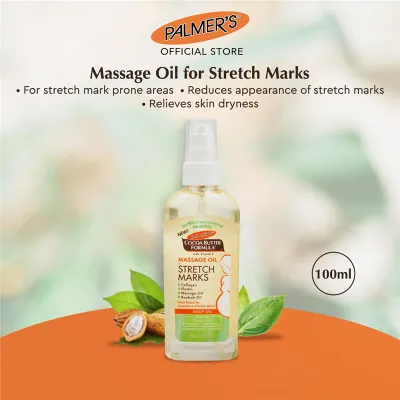


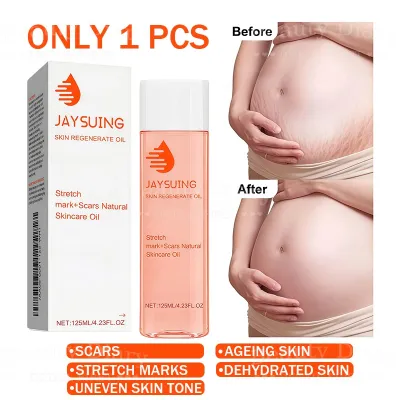
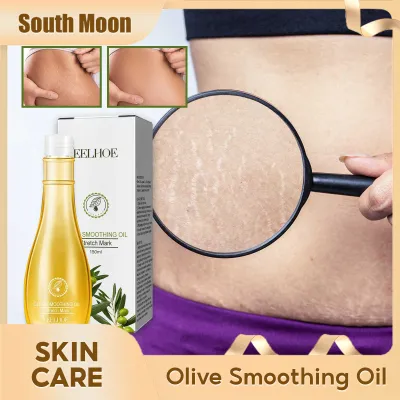
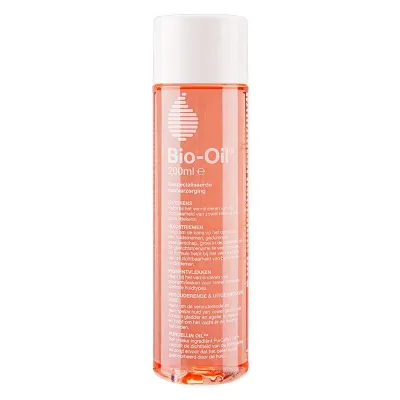
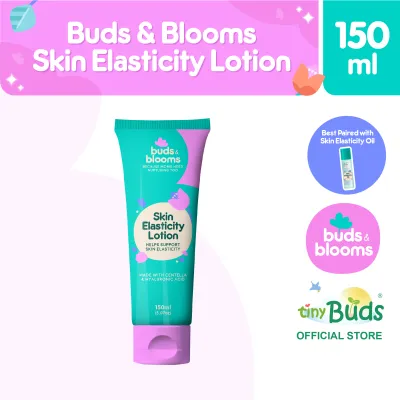
Prices are valid at publication and may change. Please refer to the product page for the latest price.
A common misconception is that marketing terms like “natural,” “organic,” or “botanical” automatically equate to pregnancy safety. In reality, many plant-derived compounds contain highly potent active chemicals that are contraindicated during pregnancy. For instance, certain raw botanical extracts can trigger severe allergic contact dermatitis or exhibit systemic toxicity if absorbed in significant quantities. Therefore, evaluating a product based on its actual chemical composition rather than its marketing claims is essential for protecting your health.
It is also important to set realistic expectations for what an elasticity oil can achieve. The primary goal of these topical formulations is to support skin hydration, reinforce the moisture barrier, and relieve the physical discomfort of stretching skin. They cannot medically prevent deep structural changes in the dermal layer, which are largely dictated by genetics and rapid hormonal shifts. Recognizing this distinction helps you focus on comfort and skin health rather than searching for miracle cures that may contain unsafe additives. Because every pregnancy is unique, you should always consult your OB-GYN or a board-certified dermatologist before introducing any new skincare product or essential oil blend into your daily routine.
Generally Safe Ingredients in Elasticity Oil for Pregnant Individuals
When selecting an elasticity oil for pregnant mothers, your primary objective is to find ingredients that mimic the skin’s natural lipids, provide deep hydration, and support barrier repair. These ingredients should be low-risk, non-irritating, and free from systemic toxicity.

Plant-Based Carrier Oils These oils serve as the base of most high-quality elasticity formulas. Because they are rich in essential fatty acids and vitamins, they help maintain the skin’s pliability:
- **Jojoba Seed Oil (Simmondsia Chinensis):** This oil is technically a liquid wax ester that closely mimics human sebum. It is exceptionally well-tolerated, deeply hydrating, and lightweight. In hot and humid tropical climates, like in the Philippines, jojoba oil is highly beneficial because it absorbs quickly without leaving a heavy, suffocating film on the skin.
- **Sweet Almond Oil (Prunus Amygdalus Dulcis):** Renowned for its emollient properties, sweet almond oil is rich in oleic and linoleic acids. It helps soften the skin and lock in moisture, making it a staple for dry, itchy bellies.
- **Sunflower Seed Oil (Helianthus Annuus):** This oil contains high concentrations of linoleic acid, an essential fatty acid that actively helps rebuild and maintain a compromised skin barrier.
- **Rosehip Seed Oil (Rosa Canina):** Valued for its nourishing properties, rosehip oil contains natural fatty acids that support skin elasticity and help improve the appearance of uneven skin tone without the risks associated with synthetic vitamin A.
Skin-Identical Lipids
- Squalane: This is a highly stable, lightweight lipid derived from plant sources like olives or sugarcane. Squalane is an excellent addition to pregnancy oils because it provides intense moisture without clogging pores or triggering acne, which can often flare up due to hormonal changes.
Antioxidants
- Vitamin E (Tocopherol): Often added to body oils to prevent the formulation from going rancid, tocopherol also serves as a skin-conditioning agent. It helps neutralize free radicals and soothe dry, irritated skin.
While high-quality oils in the local market typically range from ₱300 to over ₱1,500, investing in a pure, well-formulated product ensures you avoid unnecessary synthetic fillers. These ingredients are generally recognized as safe for topical hydration when used as directed, but formulations can vary widely between brands. Some products may blend these safe carrier oils with synthetic fragrances or undisclosed chemical additives. Always verify the complete, raw ingredient list of the specific bottle you intend to purchase, and perform a patch test to rule out individual allergies, particularly if you have a known sensitivity to tree nuts (such as those from which sweet almond oil is derived).
Ingredients to Avoid or Verify with Your Doctor
While many topical ingredients are perfectly safe for general use, certain chemical classes carry potential risks to fetal development or can cause severe maternal skin reactions during pregnancy. You should treat the following list as a safety checklist when evaluating any elasticity oil.
Vitamin A Derivatives (Retinoids) Retinoids, including retinol, retinyl palmitate, retinyl acetate, and retinoic acid, are highly effective anti-aging and skin-renewing agents. However, oral retinoids are proven teratogens (substances that cause birth defects). While the systemic absorption of topical retinoids is relatively low, medical consensus strongly advises avoiding all topical vitamin A derivatives during pregnancy out of an abundance of caution. Check your oil labels carefully, as some “firming” or “elasticity” oils include retinyl palmitate to promote skin cell turnover.
High-Concentration Salicylic Acid (BHA) Salicylic acid is an oil-soluble beta-hydroxy acid commonly used to exfoliate skin and clear pores. While low-dose, wash-off salicylic acid products (like facial cleansers containing 2% or less) are generally considered low-risk by dermatologists, leave-on body formulations are a different matter. Applying a leave-on oil containing high concentrations of salicylic acid over large surface areas—such as the abdomen, thighs, and breasts—can lead to significant systemic absorption. Always check labels for salicylic acid or willow bark extract (a natural source of salicylates) and consult your doctor before use.
Certain Essential Oils Many commercial body oils utilize essential oils for fragrance or therapeutic claims. However, essential oils are highly concentrated botanical extracts that can behave like active drugs. Some essential oils, such as rosemary (Rosmarinus officinalis), clary sage, jasmine, and cinnamon, are contraindicated during pregnancy because they can potentially stimulate uterine contractions or affect hormone levels when absorbed systemically. Furthermore, essential oils are notorious sensitizers that can trigger allergic reactions on pregnancy-sensitized skin. If your oil contains essential oils, verify the specific safety profile of each oil with your OB-GYN, particularly during the critical first trimester.
Undisclosed Fragrance or Parfum The term “fragrance” or “parfum” on an ingredient list is legally protected as a trade secret, allowing manufacturers to hide hundreds of individual chemical components under a single word. These hidden mixtures frequently contain phthalates, such as diethyl phthalate (DEP), which are used to make scents last longer. Phthalates are known endocrine disruptors that have raised safety concerns regarding fetal development. Additionally, synthetic fragrances are among the most common triggers for contact dermatitis. Opting for fragrance-free oils is the safest way to avoid these hidden risks.
If you discover any of these high-risk ingredients in your current body oil, discontinue use immediately. Store the product away and consult your doctor or dermatologist for a safer, pregnancy-compatible alternative.
How to Decode and Verify Ingredient Labels
Navigating the back of a skincare bottle can feel overwhelming, but understanding a few key regulatory standards can help you make informed decisions. Skincare products are required to list their ingredients according to the International Nomenclature of Cosmetic Ingredients (INCI) standard.
By law, INCI lists display ingredients in descending order of concentration. This means the first three to five ingredients listed make up the vast majority (often 80% to 95%) of the product’s total volume. When evaluating an elasticity oil, the top ingredients should ideally be high-quality, safe carrier oils like jojoba, almond, or sunflower oil, rather than synthetic mineral oils or liquid silicones, which offer less nutritional value to the skin barrier. Any active ingredients, preservatives, or fragrances listed near the bottom of the list are present in much smaller concentrations, but they can still trigger reactions if you are sensitive.
To spot hidden retinoids or contraindicated botanicals, look for their scientific or Latin names on the INCI list. For example:
- Rosemary will appear as Rosmarinus Officinalis Leaf Oil.
- Sweet Almond Oil will appear as Prunus Amygdalus Dulcis Oil.
- Retinyl Palmitate will be explicitly written as such, rather than simply "Vitamin A."
Be cautious of broad marketing claims printed on the front of the packaging. Phrases like “dermatologist-tested,” “hypoallergenic,” “natural,” or “pregnancy-safe” are not strictly regulated by medical authorities. A manufacturer can label a product “dermatologist-tested” simply if one dermatologist applied it to a small test group, without disclosing the results or the criteria used. These claims do not replace personalized medical advice. To verify unfamiliar chemical names, use reputable, independent skincare databases such as the Environmental Working Group’s (EWG) Skin Deep database or the Cosmetic Ingredient Review (CIR) reports before finalizing your purchase.
Safe Application and Patch Testing Guidelines
Even when using an oil formulated with generally safe ingredients, your altered immune system during pregnancy means your skin can react unexpectedly. Implementing safe application habits protects your skin barrier and minimizes the risk of adverse reactions.
The Standard Patch Test Procedure Before applying any new elasticity oil over large areas of your body, always perform a patch test:
- Apply a small, dime-sized drop of the oil to a clean patch of skin on your inner forearm or behind your ear.
- Leave the area undisturbed and dry for 24 to 48 hours.
- Monitor the site closely for any signs of redness, itching, burning, bumps, or swelling.
- If any irritation occurs, wash the area immediately with mild soap and water, discontinue use of the product, and consult your doctor. If no reaction occurs after 48 hours, the product is likely safe for wider application.
Optimal Application Method To get the maximum benefit from your elasticity oil, apply it to damp skin immediately after showering or bathing. In tropical, humid climates like the Philippines, applying heavy oils to completely dry skin can trap sweat and heat, potentially leading to heat rashes or clogged pores. Applying the oil to damp skin helps lock in the water remaining on your skin’s surface, improving absorption and allowing the oil to glide on smoothly. This method also means you need to use less product to cover your skin, reducing the overall exposure to any potential sensitizers.
Safety Boundaries and Special Considerations Never apply elasticity oils to broken, irritated, sunburned, or freshly shaved skin, as the compromised barrier allows ingredients to penetrate deeper and cause intense irritation. Furthermore, if you plan to breastfeed, you must avoid applying any body oils, creams, or lotions directly to the nipple and areola area. Infants can easily ingest residue left on the skin during feeding. If you require nipple care products, select balms that are explicitly labeled as safe for infant ingestion and approved by your healthcare provider or lactation consultant.
Frequently Asked Questions (FAQ)
Can I use elasticity oils during the first trimester?
While basic, single-ingredient carrier oils like pure jojoba or sunflower seed oil are generally considered safe, the first trimester is a critical window for fetal organogenesis. During this period, you should exercise extreme caution. Stick to simple, completely fragrance-free formulations and avoid any products containing complex active ingredients, synthetic additives, or essential oils. Always present the complete ingredient list of your chosen oil to your OB-GYN for explicit approval before using it during your first trimester.
Do elasticity oils guarantee the prevention of stretch marks?
No topical product can guarantee the complete prevention of stretch marks (striae gravidarum). Stretch marks occur in the dermis, the deeper layer of the skin, and are primarily driven by genetic predisposition, hormonal changes, and the rapid rate of physical stretching. Elasticity oils are highly effective at hydrating the superficial layers of the skin, reinforcing the moisture barrier, reducing dryness, and relieving the persistent itching associated with a growing belly. However, they cannot alter the genetic or structural factors that cause stretch marks to form.
Is it safe to use elasticity oils if I have sensitive skin?
If you have sensitive skin or pre-existing conditions like eczema, you must approach elasticity oils with extra care. Pregnancy often exacerbates skin sensitivity, making you reactive to ingredients you tolerated well before. Prioritize fragrance-free, hypoallergenic oils with very short, minimal ingredient lists to reduce the risk of contact dermatitis. Always perform a rigorous 48-hour patch test and consult a board-certified dermatologist to ensure the product will not trigger a flare-up.
Community discussion
Share your experience or ask a question. Comments are reviewed before publication.