
Choosing the right baby bottle can feel overwhelming when balancing safety, durability, and convenience. Among the various materials lining store shelves, Polyphenylsulfone (PPSU) has emerged as a gold standard for premium feeding bottles. If you have encountered the Hegen feeding bottle, you have likely noticed its distinct amber hue and premium price tag, both of which are direct results of this advanced material.
Hegen specifically utilizes PPSU to address the common compromises parents face when choosing between glass and standard plastics. By leveraging PPSU, these bottles offer the chemical purity and heat resistance of glass alongside the lightweight, drop-proof resilience of plastic. This unique combination makes it highly suited for active families, especially when navigating the daily demands of infant feeding.
Understanding the science behind this material and how it behaves under daily use can help you make an informed decision for your baby’s feeding journey. Below, we break down what makes PPSU unique, how it compares to traditional materials, and how to maintain it to ensure long-term safety and performance.
Products mentioned in this guide
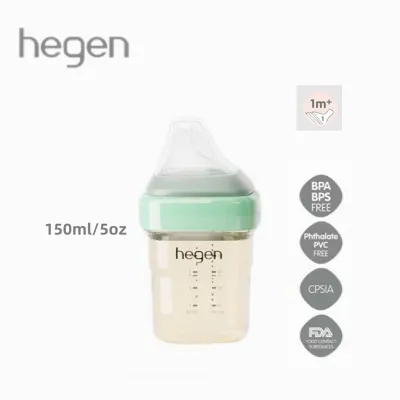
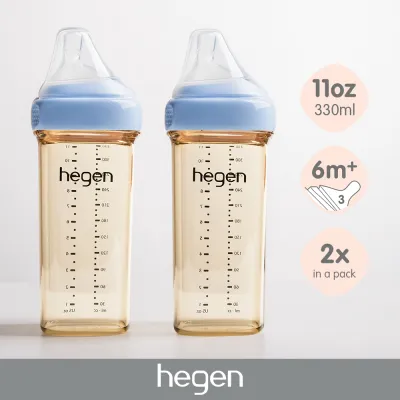
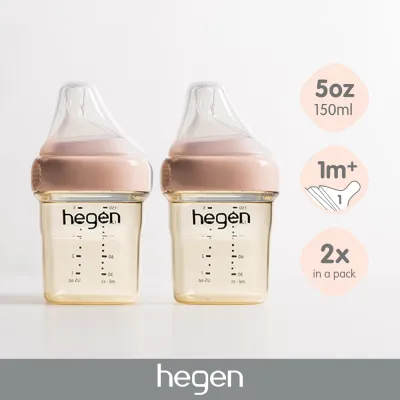
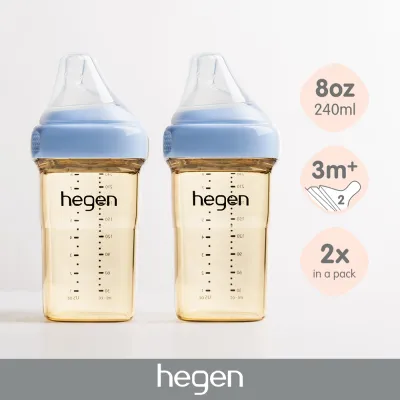
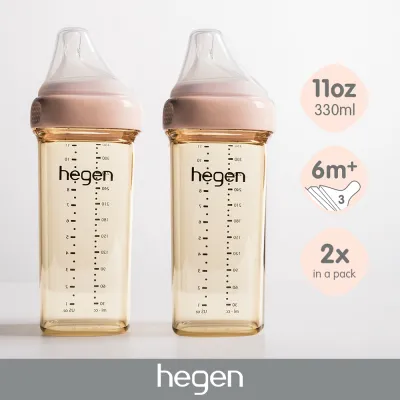
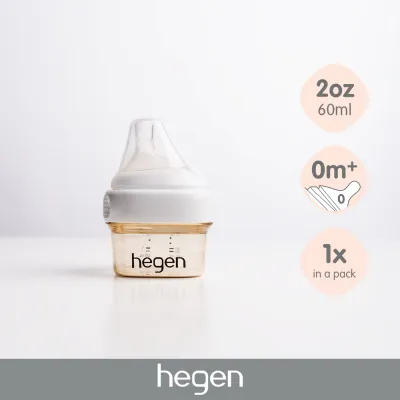
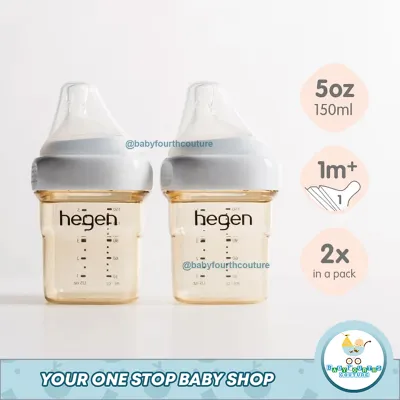
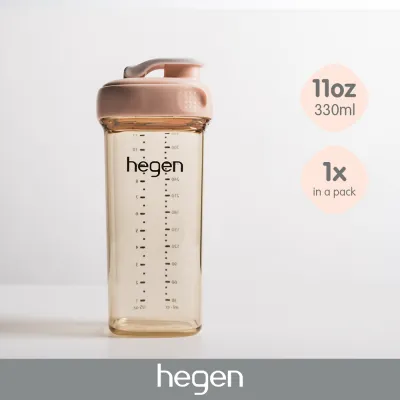
Prices are valid at publication and may change. Please refer to the product page for the latest price.
What Is PPSU (Polyphenylsulfone) Material?
To understand why this material is highly regarded, it helps to look at its origins and physical makeup. Polyphenylsulfone (PPSU) is a high-performance, medical-grade thermoplastic polymer. Because of its extreme durability and ability to withstand repeated exposure to high temperatures and chemical agents, it is frequently used in medical devices, aerospace engineering, and dental equipment before being adapted for premium infant care products.
One of the most noticeable features of raw PPSU is its natural visual appearance. Unlike clear polypropylene or glass, PPSU has a distinct honey or amber tint. This warm color is an inherent characteristic of the raw polymer itself and is not the result of added dyes, pigments, or chemical treatments. When you hold a Hegen feeding bottle to the light, this amber glow is a direct visual indicator of the material’s purity and high-grade quality.
From a physical standpoint, PPSU is engineered to endure harsh environments. It boasts exceptional heat tolerance, structural stability, and high impact resistance, allowing it to withstand physical drops and thermal shocks that would crack or shatter other materials. However, because manufacturing standards and polymer blends can vary across different brands, parents should always verify the specific material grades and safety declarations on the product’s physical packaging or the manufacturer’s official documentation.
Why Hegen Chooses PPSU Over Glass and PP
When designing an ergonomic, long-lasting feeding system, Hegen selected PPSU to solve several daily parenting pain points. Standard bottle materials often force caregivers to make trade-offs. Glass is heavy and fragile, while basic plastics degrade quickly under the stress of daily sterilization. By choosing PPSU, Hegen eliminates these compromises, providing a bottle that withstands years of rigorous daily use.

This material choice is also fundamental to Hegen’s signature structural engineering. Hegen bottles feature a unique “Sqround” (square-to-round) shape, designed to be easier for tiny hands to grip and to prevent the bottle from rolling away when dropped. Molding a square-to-round bottle with precise, leak-proof thread closures requires a material with exceptional dimensional stability. PPSU maintains its exact molded shape under extreme thermal and physical stress, ensuring that the bottle’s patented click-to-press, twist-to-open mechanism remains secure and leak-free over hundreds of uses.
PPSU vs. Glass: Weight and Shatter Resistance
For generations, glass has been a popular choice for health-conscious parents. Glass bottles are naturally scratch-resistant, highly hygienic, and free from chemical leaching concerns. However, glass possesses two significant practical drawbacks for modern parenting: its substantial physical weight and its vulnerability to shattering. Dropping a glass bottle on a hard tile floor can create an immediate safety hazard in a home with crawling infants.
PPSU directly addresses these safety concerns by offering a lightweight, shatterproof alternative. It provides the hygienic benefits of glass without the risk of dangerous breaks. This lightweight nature is particularly beneficial as your baby grows and begins transitioning to self-feeding. An older infant can easily hold a lightweight PPSU bottle independently, encouraging motor skill development without putting strain on their small wrists or risking injury from an accidental drop.
PPSU vs. PP (Polypropylene): Longevity and Odor Resistance
On the other end of the spectrum are standard plastic bottles, typically made from Polypropylene (PP). While PP bottles are highly affordable and widely available, they are prone to rapid wear and tear. Over weeks of washing and sterilization, PP plastic tends to become cloudy, scratches easily, and frequently absorbs milk odors and stubborn fat stains. This degradation often requires parents to replace PP bottles every few months, increasing long-term costs.
In contrast, PPSU offers superior chemical and physical resistance. It does not absorb food pigments or milk fats, preventing the stubborn, sour odors that often plague older PP bottles. Even after hundreds of sterilization cycles, a PPSU bottle retains its structural clarity and smooth surface. While a single Hegen feeding bottle represents a higher initial purchase price in the Philippines—often ranging from ₱1,000 to over ₱1,500 depending on the size—its extended lifespan means you will buy fewer replacement bottles over your child’s feeding journey.
Safety Profile and Everyday Durability
Safety is the foremost priority for any parent selecting feeding gear. High-quality PPSU used in reputable baby products is inherently free from harmful chemical compounds, including Bisphenol A (BPA), Bisphenol S (BPS), and Polyvinyl Chloride (PVC). This chemical purity ensures that even when exposed to boiling water or high-temperature steam, the material does not leach harmful substances into your baby’s milk.
Another critical safety aspect of PPSU is its exceptional scratch resistance. Standard plastic bottles scratch easily during cleaning, creating microscopic grooves where milk residue and bacteria can accumulate and multiply, even after sterilization. Because PPSU has a highly dense, hard surface, it resists scratching from standard cleaning tools. This smooth surface makes it significantly harder for bacteria to find safe harbors, ensuring a more hygienic feeding experience for your child.
Despite its impressive durability, parents must remember that no plastic material is entirely indestructible. Over years of heavy use, physical impacts, and thermal stress, even premium polymers can eventually experience wear. It is essential to inspect your feeding bottles regularly for any signs of physical compromise. Always refer to the manufacturer’s safety guidelines and packaging instructions to verify specific usage limits, safety certifications, and recommended replacement schedules.
Cleaning, Sterilization, and Maintenance Guide
Proper maintenance is key to maximizing the lifespan of your premium PPSU bottles. PPSU is highly versatile and compatible with various sterilization methods, including boiling, steam, and ultraviolet (UV) sterilizers. However, because different sterilizer models operate at varying temperatures and light intensities, you must check Hegen’s current official manual for exact temperature thresholds and UV exposure time limits. Exceeding these manufacturer-specified limits can prematurely degrade the polymer and shorten the bottle’s usable life.
Cleaning Hegen’s unique square-to-round shape requires a slightly different approach than cleaning standard round bottles. To clean the corners effectively, use a soft-bristled bottle brush specifically designed to reach into the wide-mouth angles without scratching the inner surface. Avoid using any metal-backed brushes or stiff wire tools, as these can scrape the plastic and compromise the integrity of the bottle.
In tropical and highly humid climates like the Philippines, drying your bottle components correctly is just as important as washing them. After sterilization, place all disassembled parts on a clean, well-ventilated drying rack. It is critical to ensure that every component—especially the soft silicone collar, sealing rings, and feeding nipples—is completely air-dried before reassembly. Trapped moisture in humid environments can quickly become a breeding ground for mold and mildew, which poses a health risk to your baby.
Signs It Is Time to Replace Your PPSU Bottle
While PPSU is designed for long-term durability, it will eventually need to be retired. Parents should regularly inspect their bottles during washing. Clear triggers for immediate replacement include deep scratches that cannot be thoroughly cleaned, persistent cloudiness that does not resolve with washing, visible cracks, chips, or any physical deformation around the bottle’s neck or threads that might compromise the leak-proof seal.
It is also important to distinguish between the lifespan of the bottle body and its accessories. While a PPSU bottle body can easily last for a year or more with proper care, the silicone nipples and sealing rings degrade at a much faster rate due to constant suction, biting, and exposure to warmth. Silicone components typically require replacement every one to three months, or immediately if you notice tearing, thinning, or a slowed or altered milk flow.
Frequently Asked Questions (FAQ)
Does the natural amber tint of PPSU mean the bottle is dirty or old?
No, the honey or amber tint is the natural state of raw PPSU polymer. It is not an indication of staining, aging, or chemical degradation. Unlike standard clear plastics that turn yellow as they age, a PPSU bottle starts with this warm amber hue, which remains consistent throughout its usable life.
Can I use abrasive sponges to clean stubborn milk stains on PPSU?
You should strongly avoid using abrasive scrubbers, steel wool, or harsh chemical cleaners on your PPSU bottles. Even though PPSU is highly scratch-resistant, abrasive materials can eventually dull the finish and create micro-scratches over time. Instead, use a soft-bristled silicone or sponge brush paired with a mild, baby-safe dishwashing liquid to gently remove stubborn milk residue.
Community discussion
Share your experience or ask a question. Comments are reviewed before publication.