
Deciding where to change your baby is one of the most frequent daily tasks you will face as a parent, occurring up to ten or twelve times a day in the early months. Choosing between a portable changing mat and a fixed changing table depends heavily on your home’s layout, your daily routine, and your physical comfort. While a dedicated changing table offers a stable, waist-high station with integrated storage, a portable changing mat provides the flexibility to handle diaper duties in any room or on the go.
For many families, the ideal setup is not necessarily about choosing one over the other, but understanding how each option fits into their lifestyle. A stationary table can serve as the primary organizational hub in a dedicated nursery, while a lightweight mat handles quick transitions in the living room or during family visits. Evaluating your space, budget, and physical needs will help you determine which option—or combination—best supports your parenting journey.
Assessing Your Nursery Space and Daily Routine
Before purchasing any nursery furniture, measure your available floor space to ensure a comfortable flow of movement. A fixed changing table requires a permanent footprint in the room, which can quickly crowd smaller bedrooms or shared nursery spaces. If placing a stationary table makes it difficult to open closet doors, access the crib, or walk freely through the room, a portable alternative is often more practical.
Products mentioned in this guide
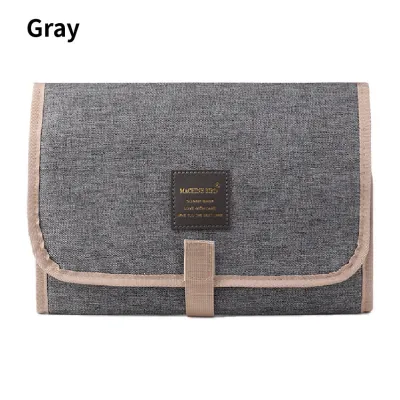
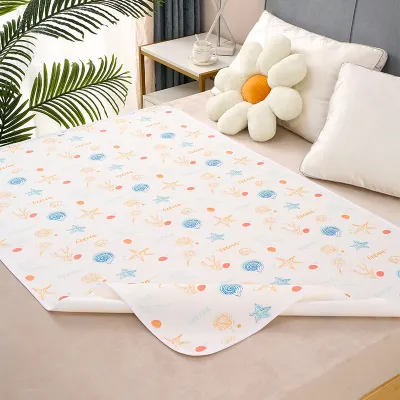

Prices are valid at publication and may change. Please refer to the product page for the latest price.
Your daily movement patterns within the home also play a major role in this decision. In many households, especially in warm, tropical climates where families gather in air-conditioned living areas during the day, a dedicated nursery might only be used for nighttime sleep. If you find yourself spending most of your hours downstairs or in a main living room, walking back to a specific bedroom for every diaper change can quickly become exhausting.
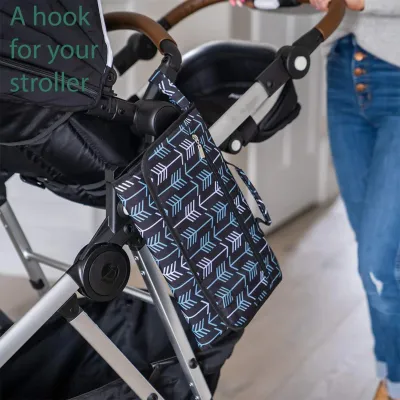
Storage logistics are another critical factor to map out before your baby arrives. Diapering requires quick, easy access to a variety of supplies, including diapers, wipes, rash creams, cotton balls, and change of clothes. You must decide whether you want these items permanently housed within a single piece of furniture or if you prefer using a portable diaper caddy that can travel with you from room to room.
Comparing Portability, Storage, and Ergonomics
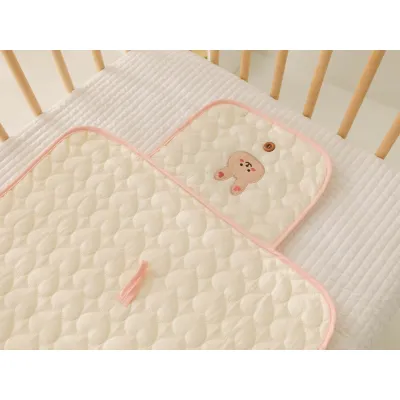
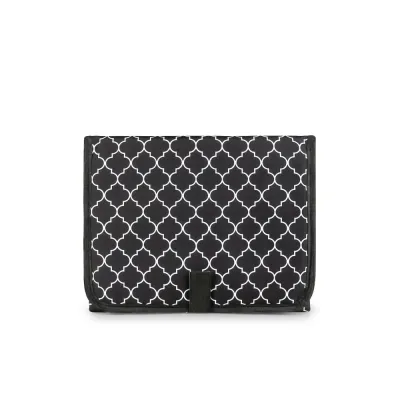
The most obvious distinction between these two options is mobility. Portable changing mats are designed to fold or roll into compact shapes, making them easy to tuck into a diaper bag, store under a bed, or slide into a closet when not in use. This lightweight design allows you to transform almost any flat surface, from a bed to a living room rug, into a temporary changing station in seconds.

In contrast, a fixed changing table is a heavy, stationary piece of furniture that remains in one place. While it lacks mobility, its permanent presence provides a highly stable and secure environment. You do not have to worry about setting up or clearing off a surface every time your baby needs a change, as the station is always ready for immediate use.
From an ergonomic standpoint, fixed changing tables offer a significant advantage for caregivers. These tables are typically designed at a standardized, waist-high level, allowing you to stand upright while changing your baby. This posture minimizes the need to bend over, which can help prevent or alleviate the lower back strain that often comes with lifting and carrying an infant throughout the day.
Portable mats, however, require you to find an appropriate surface for each change. If you frequently use a portable mat on a low bed, a sofa, or the floor, the constant bending can place repetitive stress on your back and shoulders. To maintain good ergonomics with a portable mat, you must consciously seek out stable, waist-high surfaces, such as a sturdy chest of drawers or a secure counter, whenever possible.
Storage capacity is another area where the two options diverge completely. Fixed changing tables often feature built-in drawers, open shelves, or cubbies designed to hold months of diapering supplies. This keeps everything organized and within arm’s reach, reducing the risk of you needing to step away from the baby to grab a fresh diaper. Portable mats offer minimal to no built-in storage, meaning you will need to rely on external baskets, caddies, or organizer bags to keep your supplies nearby.
Safety Standards and Baby Comfort
Regardless of which option you choose, safety must remain your top priority during every diaper change. Fall prevention is the most critical safety consideration, as infants can roll over unexpectedly even at a very young age. Fixed changing tables often feature safety straps and raised, contoured wooden barriers on all four sides to help keep your baby centered on the pad.
When using a portable changing mat, you must be extra vigilant about the surface on which you place it. Many portable mats feature non-slip backings, but they do not have the rigid, protective barriers of a wooden table. You must never leave your baby unattended for even a single second on any elevated surface, keeping one hand on your child at all times to prevent accidental falls.
Always check the manufacturer’s labels for specific weight and age limits before using any changing product. Fixed tables have strict weight capacities, and you must discontinue use once your baby reaches the maximum limit or begins to show signs of pulling themselves up. Portable mats used on the floor do not carry the same fall risks, making them a safer alternative as your baby becomes highly active and mobile.
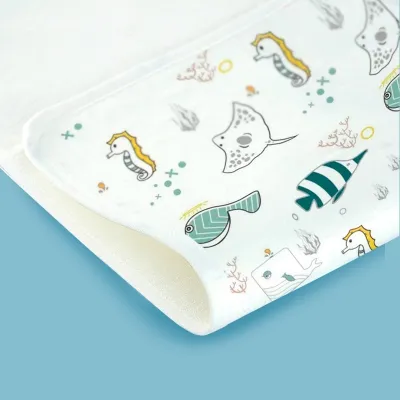
Surface comfort and hygiene are also essential for your baby’s sensitive skin. Look for changing surfaces that offer adequate padding to support your baby’s head and back comfortably. In humid tropical environments, materials that resist moisture, mold, and mildew are particularly important. Opt for waterproof, phthalate-free, and easy-to-wipe materials that can be quickly sanitized with a gentle disinfectant or baby wipe.
Evaluating Cost, Longevity, and Long-Term Value
Budget is a major deciding factor for many growing families. Portable changing mats are highly budget-friendly, with basic models starting at around ₱300 to ₱1,500, making them an accessible entry point for any household. This low cost allows you to purchase multiple mats to keep in different rooms or in your vehicle without breaking the bank.
Fixed changing tables represent a much higher upfront financial investment, often ranging from several thousand pesos. Because of this cost, it is important to evaluate the long-term utility of the furniture. A basic changing table that only serves one purpose may quickly become obsolete once your child is potty trained, typically within two to three years.
To maximize your investment, consider the repurposing potential of the furniture. Many modern fixed changing tables are designed as convertible dressers with removable changing toppers. Once your child outgrows the diaper stage, you can simply remove the topper and continue using the piece as a standard bedroom dresser for years to come. Portable mats, while not convertible, can easily be packed away for future siblings or passed along to friends and family.
Making Your Final Decision: A Practical Checklist
To help you finalize your decision, consider how your specific living situation and daily habits align with each option. Your choice should ultimately make your daily routine smoother and more comfortable.
Choose a fixed changing table if:
- You have a dedicated nursery with plenty of open floor space.
- You want a centralized, highly organized station where all diapering supplies are stored in one place.
- You suffer from back pain and require a consistent, waist-high surface to prevent strain.
- You prefer a solid, heavy furniture piece that matches your nursery decor.
Choose a portable changing mat if:
- You live in a compact apartment, condominium, or shared family home where space is limited.
- You prefer to change your baby in multiple rooms throughout the day rather than walking to a dedicated nursery.
- You travel frequently, visit relatives often, or need a lightweight solution for on-the-go changes.
- You are working with a limited budget and prefer to invest your funds in other nursery essentials.
Verify first: Before using any setup, ensure that the surface is completely stable and secure. If you are placing a portable mat on top of an existing chest of drawers, verify that the dresser is securely anchored to the wall to prevent tipping. Ensure the surface is at a comfortable height, free of sharp edges, and that you have all necessary supplies within arm’s reach before placing your baby down.
Frequently Asked Questions (FAQ)
Can I put a portable changing mat on top of a regular dresser?
Yes, you can place a portable changing mat on top of a regular dresser, provided the dresser is sturdy, stable, and at a safe, ergonomic height for changing. To prevent the mat from sliding while in use, ensure it features a reliable non-slip bottom or use a separate non-slip grip pad underneath.
Additionally, you must verify that the dresser is securely anchored to the wall to eliminate any risk of tipping when weight is applied to the top. Keep the top surface clear of heavy or sharp objects, and never leave your baby unattended, as standard dressers do not have the built-in safety barriers found on dedicated changing tables.
When should I stop using a changing table or mat?
You should stop using an elevated changing table or dresser-top mat as soon as your baby reaches the manufacturer’s specified weight or height limit, or when they become highly active. Developmental milestones, such as rolling over consistently, sitting up unassisted, or attempting to crawl and climb, make elevated changes increasingly risky.
Once your baby reaches these milestones, transitioning to a portable changing mat placed directly on the floor is often the safest option. Changing your baby at floor level eliminates the risk of falls entirely, providing a secure environment for an active, wiggly older baby or toddler.
Community discussion
Share your experience or ask a question. Comments are reviewed before publication.