
Quick Answer: Which Diaper Pants Should You Choose?
Finding the right diaper pants in the Philippines requires balancing your baby’s comfort with your household budget. The warm, humid tropical climate means that a diaper’s breathability and fit are just as critical as its absorbency. There is no single brand that works perfectly for every infant, as every baby has a unique body shape and skin sensitivity level.
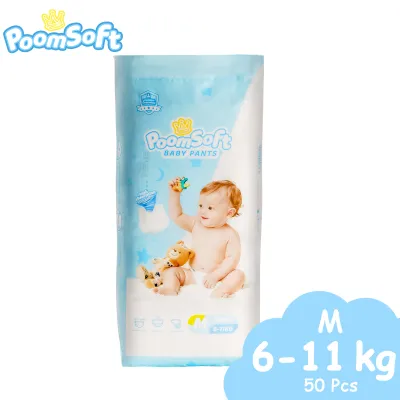
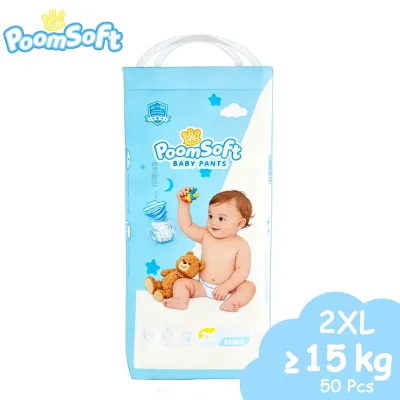
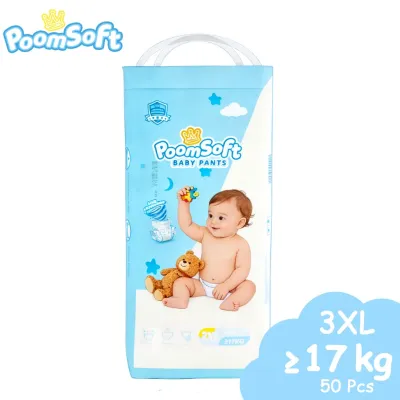
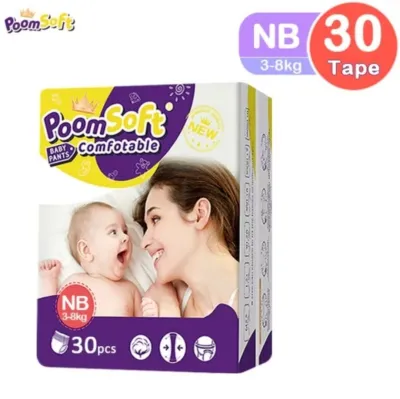
To make an informed decision, consider a conditional approach. If your baby has highly sensitive skin or requires maximum overnight protection to sleep through the night, you may want to prioritize Pampers or Huggies, provided their specific product lines verify these premium features. Conversely, if you are looking to manage daily household expenses and your baby does not experience frequent rashes, Poomsoft or Equator diaper pants can be excellent, budget-friendly options for daytime use, provided they pass your initial checks for fit and leak protection.
Because diaper sizing and fit vary significantly between manufacturers, always purchase a small trial pack before committing to a bulk order. This prevents wasting money on a large box of diapers that might not fit your baby’s current developmental stage or body shape.
Products mentioned in this guide
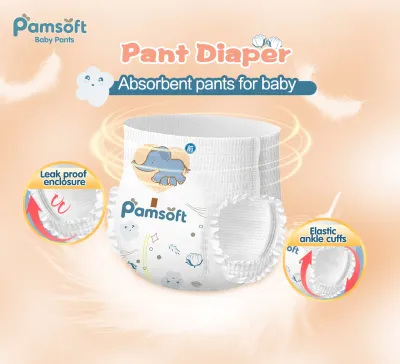
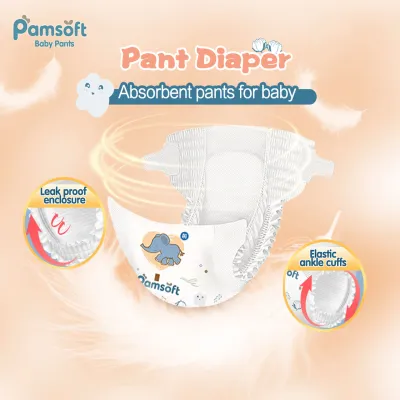
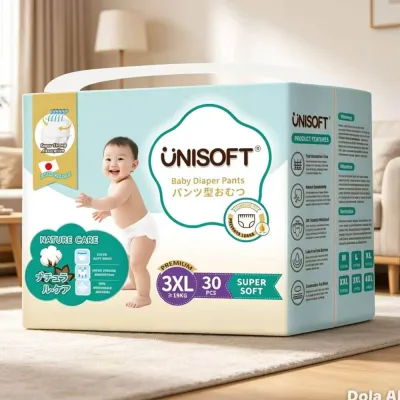
Prices are valid at publication and may change. Please refer to the product page for the latest price.
Evaluating Absorbency and Leak Protection
When comparing Poomsoft, Pampers, Huggies, and Equator, evaluating absorbency requires looking beyond generic marketing terms like “ultra-dry” or “super absorbent.” Instead, examine the product packaging for specific technical indicators. Look for mentions of superabsorbent polymers (SAP) or specialized distribution channels designed to draw moisture away from the skin quickly. A built-in wetness indicator—typically a line that changes color when wet—is also a highly practical feature that helps caregivers avoid unnecessary changes while preventing the diaper from overfilling.

To assess leak protection before putting the diaper on your baby, perform a physical inspection of the diaper’s construction. Gently stretch the waistband and leg cuffs to evaluate their elasticity. High-quality diaper pants feature double-layered standing leak guards around the thighs. These guards should stand upright when the diaper is opened, acting as a physical barrier against liquid and solid waste.
Real-world performance is the ultimate test of any diaper’s absorbency. Monitor how well the diaper performs during long stretches, such as overnight sleep. If you notice frequent leaks, dampness on your baby’s skin during changes, or regular blowouts, the diaper’s actual capacity may not match your baby’s current output. In such cases, you may need to verify if a different size or a brand with a more robust absorbent core is required.
Comparing Fit, Comfort, and Skin Sensitivity
In a tropical environment, a diaper’s fit and material comfort directly impact your baby’s skin health. High humidity can trap moisture against the skin, increasing the risk of diaper rash and heat rash. When evaluating diaper pants, pay close attention to the waistband and leg elastics. The waistband should be soft and highly stretchable, securing the diaper without digging into your baby’s abdomen. After your baby wears the diaper pants for a few hours, check their skin; deep red marks around the waist or thighs indicate that the fit is too tight, which can cause painful chafing.
Material softness is another critical factor. Feel the inner lining of the diaper pants to ensure it is smooth and free of rough textures. Look for packaging claims regarding breathability, such as micro-porous outer covers that allow hot air to escape while keeping moisture contained.
For babies with sensitive skin, look for dermatological testing claims, hypoallergenic labels, or diapers free from added fragrances and chlorine. However, because these labels are not universally standardized, caregiver vigilance is essential. If you observe unexplained redness, bumps, or persistent irritation, stop using the brand immediately. Keep the area clean and dry, and consult a pediatrician or qualified healthcare professional for proper guidance.
Price and Value: Calculating the Cost per Diaper
In the Philippines, diaper expenses represent a significant portion of a family’s monthly budget. To find the true value of Poomsoft, Pampers, Huggies, and Equator diaper pants, avoid comparing the total price of the packs directly. Different brands package their diapers in varying quantities, making the shelf price misleading. Instead, calculate the cost per individual diaper.
To find this value, use a simple formula: divide the total price of the pack in ₱ by the exact number of diaper pants inside. For example, if a pack costs ₱450 and contains 50 diapers, the cost per diaper is ₱9.00. Perform this calculation for each brand and size you are considering to establish a clear baseline for comparison.
You can often lower this cost per piece by taking advantage of bulk buying, subscription services, or promotional bundles on major e-commerce platforms and in physical supermarkets. However, be cautious when choosing a brand solely based on the lowest price. If a cheaper diaper pants brand lacks sufficient absorbency, you may find yourself changing your baby twice as often or dealing with frequent laundry from leaks. This increased usage can quickly erase any initial savings, making a slightly more expensive, highly absorbent diaper more cost-effective in the long run.
Decision Framework: Matching the Brand to Your Baby
To choose the right diaper pants for your household, use a structured decision framework based on your baby’s specific needs and your budget.
Choose Pampers or Huggies if:
- Your baby has highly sensitive skin and requires verified hypoallergenic or dermatologically tested materials.
- You need maximum overnight absorbency to ensure uninterrupted sleep without leaks.
- You prefer established brands with widely available size charts and specialized product lines for different developmental stages.
Choose Poomsoft or Equator if:
- Your primary goal is to minimize daily diapering costs while maintaining reliable daytime protection.
- Your baby does not have highly sensitive skin or a history of diaper rash.
- You are comfortable performing regular daytime changes and do not require heavy-duty overnight absorption from every single diaper.
Verify first if:
- Your baby is currently between sizes. Always check the manufacturer's specific weight-to-size ratios on the packaging, as sizing can vary significantly between brands.
- You are introducing a new brand. Always purchase the smallest available pack size first. This allows you to test the diaper's fit, absorbency, and skin compatibility under real-world conditions before investing in a bulk box.
Frequently Asked Questions (FAQ)
When should I switch my baby to a different diaper brand?
You should consider switching diaper brands if you notice persistent issues that sizing adjustments cannot fix. Clear signs include frequent leaks despite proper fitting, deep red marks left by the elastics, or unexplained diaper rash that persists even with regular changes and barrier creams. However, before changing brands entirely, verify that your baby has not simply outgrown their current size. A baby who is near the upper limit of a brand’s weight range will often experience leaks or tightness, which can easily be resolved by moving up to the next size within the same brand.
Can I mix different diaper brands for day and night use?
Yes, mixing diaper brands is a highly practical and cost-effective strategy used by many caregivers in the Philippines. You can use a budget-friendly brand like Poomsoft or Equator for daytime wear, when changes are frequent and diaper pants are rarely worn for more than a few hours. For nighttime or long outings, you can switch to a highly absorbent option from Pampers or Huggies to ensure your baby stays dry and comfortable during extended sleep. When using this strategy, ensure both brands fit your baby’s current weight range properly and monitor their skin closely to ensure they do not react negatively to the different materials.

Community discussion
Share your experience or ask a question. Comments are reviewed before publication.