
Quick Answer: Is Poomsoft a Viable Alternative?
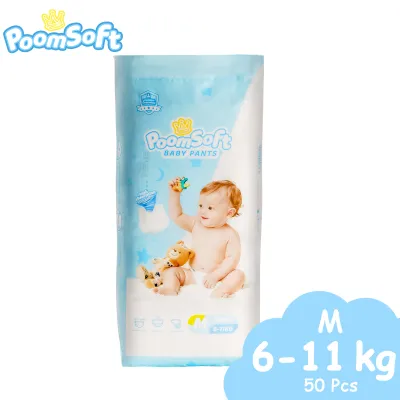
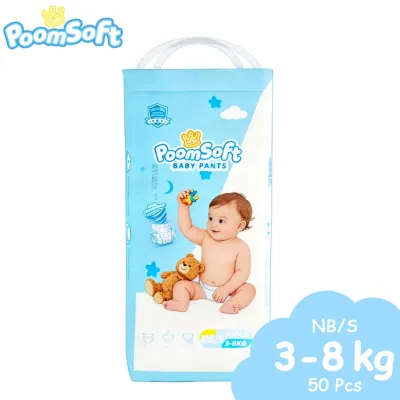
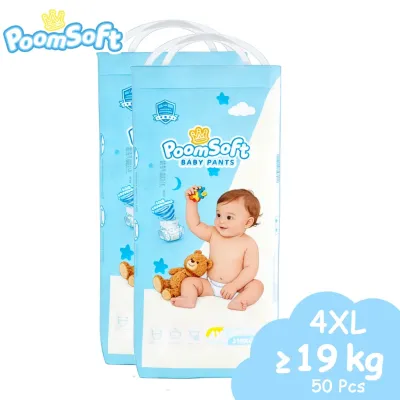
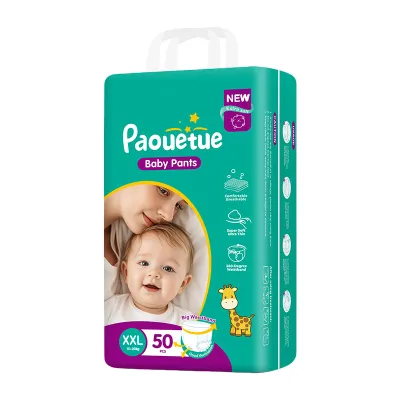
Poomsoft diaper pants, particularly when purchased in the bulk 50-piece packaging format, serve as a highly viable, budget-friendly alternative to premium brands like Pampers, Huggies, and Equator in the Philippines. For families looking to manage their monthly household expenses in a practical way, Poomsoft offers reliable, basic daytime performance at a fraction of the cost of its global competitors. This makes it an increasingly popular choice for parents who want to balance cost and utility without overstretching their budget.
While established household names like Pampers and Huggies are known for advanced, proprietary features—such as ultra-thin profiles, high-performance stretch, and specialized moisture-locking channels—Poomsoft focuses primarily on essential absorbency. It provides a practical, straightforward solution for daytime hours when diaper changes are naturally more frequent. By stripping away some of the premium marketing features, it focuses on delivering a reliable core that handles everyday moisture effectively.
The true value of a diaper brand depends heavily on your baby’s daily routine, activity levels, and skin sensitivity. Poomsoft is exceptionally cost-effective for active daytime wear and potty-training transitions, where diapers are changed often throughout the day. However, for continuous overnight sleep or long outings, premium brands may still offer better overall value by minimizing leaks, reducing the total number of diaper changes required, and ensuring uninterrupted rest for both baby and parents.
Products mentioned in this guide
Prices are valid at publication and may change. Please refer to the product page for the latest price.
Brand Overview: What Each Diaper Line Prioritizes
Pampers has long been a benchmark in the disposable diaper industry, prioritizing widespread availability across physical supermarkets, pharmacies, and online marketplaces in the Philippines. Their product lines, such as Baby Dry and Premium Care, focus on consistent sizing, ultra-thin profiles, and specialized materials designed to distribute wetness evenly. They appeal to parents who want a highly trusted, easily accessible brand that consistently delivers on skin dryness and premium comfort.

Huggies focuses on delivering a secure, snug fit that accommodates active, moving babies as they reach key developmental milestones. The brand is highly regarded for its elastic waistbands, robust double leak guards, and highly visible wetness indicators that simplify caregiving routines. Their designs prioritize physical security to prevent blowouts during active crawling, walking, or climbing, making them a favorite for energetic toddlers.
Equator positions itself as a practical, value-oriented brand that specifically targets the challenges of tropical climates like that of the Philippines. By emphasizing breathability and lightweight construction, Equator aims to keep babies comfortable in hot and humid conditions without the premium price tag associated with global household names. They focus on maintaining a dry microclimate inside the diaper to prevent irritation.
Poomsoft enters the market as an economical champion, frequently packaged in bulk formats like the 50-piece pack to maximize cost-efficiency for budget-conscious households. The brand focuses on delivering essential absorbency and comfortable elastic bands, making it an attractive option for parents who want to minimize their cost per piece. It represents a straightforward, no-frills approach to daily diapering needs.
When comparing these brands, it is vital to compare equivalent tiers rather than contrasting premium lines with budget options. Comparing a premium, top-tier line from Pampers or Huggies directly against a standard, budget-focused Poomsoft pack will naturally skew your conclusions. To make a fair assessment, compare standard lines designed for everyday use to evaluate true performance, material quality, and financial value.
Absorbency and Leak Protection in Humid Climates
In the tropical climate of the Philippines, high humidity and heat amplify the need for rapid absorbency and effective moisture management. When moisture sits against a baby’s skin for extended periods in warm weather, the risk of heat rash, chafing, and diaper dermatitis increases significantly. This makes the core technology of a diaper a primary health consideration rather than just a matter of convenience. Parents must pay close attention to how quickly a diaper pulls wetness away from the skin surface to maintain a healthy skin barrier.
The primary difference between premium and budget diaper pants lies in how they construct their absorbent cores. Premium options from Pampers and Huggies typically utilize advanced superabsorbent polymers (SAP) arranged in structured, multi-channel layouts. This design distributes liquid evenly across the entire surface area, preventing the diaper from sagging, clumping, or bunching up between the baby’s legs as they move.
In contrast, budget-friendly options like Poomsoft and Equator often rely on a more traditional blend of fluff pulp and superabsorbent polymers. While this combination is highly effective at absorbing liquid, it tends to swell in a single area, resulting in a heavier, bulkier feel once saturated. This clumping can sometimes limit the baby’s movement or cause the diaper to sag if it is not changed promptly.
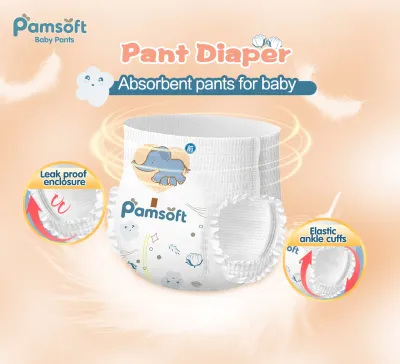
Leg cuffs play a critical role in preventing lateral leaks, especially when babies are crawling, rolling, or sleeping. Premium brands often feature double-layered hydrophobic leak guards that stand upright against the thighs to contain liquid and solid messes. Budget options may use single-layer guards or softer, less rigid elastics that require more careful positioning during diaper changes to ensure a reliable seal.
A clear, color-changing wetness indicator strip is highly beneficial for busy parents. Most modern diaper pants, including Huggies, Pampers, and some budget lines, feature a yellow line that turns blue or green when wet. When evaluating Poomsoft and Equator, verify if the specific pack includes this feature, as some bulk-packaged budget lines omit indicators to reduce manufacturing costs and keep the price low.
Because exact absorption capacities require laboratory testing, you can easily evaluate performance at home using a few simple checks. Observe the diaper after three to four hours of daytime wear: check if the outer surface feels damp, note whether the core has clumped or sagged excessively, and gently feel the inner lining to see if moisture has re-emerged on the surface when light pressure is applied.
Comfort, Breathability, and Skin Health
The texture of the inner lining directly impacts your baby’s comfort and skin integrity. Premium lines often use hypoallergenic, silk-like, or embossed cotton-soft top sheets that minimize friction against delicate skin. Economical options like Poomsoft may feel slightly more synthetic to the touch, which is generally fine for babies with normal skin but may require closer monitoring for those prone to irritation.
A diaper’s breathability is determined by its outer cover, or backsheet. High-quality diaper pants utilize microporous materials that allow heat and water vapor to escape while keeping liquid contained. To check the breathability of your current diaper, feel the outside of a wet diaper; a slightly warm, damp sensation on the exterior indicates that heat is successfully escaping rather than remaining trapped inside.
The design of the waistband determines how well the diaper pants stay in place without causing discomfort. Premium pants from Huggies and Pampers feature highly flexible, 360-degree elastic bands that stretch easily to accommodate a full belly after feeding. Budget options may use tighter, less compliant elastics that can leave red pressure marks on your baby’s waist and thighs if the fit is too snug.
Every baby’s skin chemistry is unique, and reactions can occur regardless of a diaper’s price point. Adhesives, mild fragrances, or dyes used in the manufacturing process can trigger localized redness or diaper rash. When transitioning to a more economical brand like Poomsoft, it is wise to monitor the diaper area closely during the first few days of use to ensure compatibility. If your child has a history of eczema or sensitive skin, a gradual transition—alternating between the old and new brand—can help you isolate any reactions.
Before introducing any new diaper brand, always inspect the product packaging for manufacturer instructions, sizing guidelines, and hypoallergenic certifications. If your baby develops persistent redness, swelling, or a severe rash, stop using the product immediately, refer to the care instructions, and consult a pediatrician or qualified healthcare professional. Never rely solely on a product’s name or marketing to guarantee skin safety.
Value Analysis: Cost per Diaper and Bulk Buying
To understand the true financial impact of your diaper choice, you must look past the total package price and calculate the cost per individual piece. In the Philippines, buying in bulk formats, such as the Poomsoft 50-piece pack, typically yields a significantly lower cost per diaper than purchasing smaller retail packs of premium brands like Pampers or Huggies. This upfront saving is highly attractive for families managing tight weekly budgets.
However, a lower cost per piece does not always translate to long-term savings if the diaper’s performance requires more frequent changes. If a budget diaper saturates or leaks after two hours, while a premium diaper easily lasts four to five hours, you will end up using twice as many budget diapers per day. This increased consumption can quickly close the price gap between the two options and increase your overall diaper waste. Therefore, tracking your daily diaper consumption rate is just as important as comparing the shelf price.
Widespread availability is another factor that influences overall value. Pampers and Huggies are readily accessible in local supermarkets, pharmacies, and major online marketplaces, where they frequently benefit from bulk bundle deals, seasonal promotions, and subscription discounts. Poomsoft and Equator may have more limited physical availability, often requiring parents to purchase through specific online distributors or wholesale channels, which may incur additional shipping costs.
Many experienced parents in the Philippines optimize their diaper budgets by adopting a hybrid strategy. By using highly economical options like Poomsoft or Equator for daytime hours—when diaper changes are naturally frequent due to feeding and activity—and reserving premium, high-absorbency brands like Pampers or Huggies for overnight sleep, you can maximize comfort and minimize monthly expenses without compromising your baby’s skin health. This balanced approach allows you to enjoy the cost savings of bulk packs while keeping overnight leaks at bay.
Decision Framework: Which Diaper Pants Should You Choose?
You should choose Poomsoft diaper pants if you are looking for a highly economical, cost-effective option for daytime wear, frequent changes, or the active phases of potty training. It is an excellent fit for babies with normal, non-sensitive skin who do not experience heavy overnight wetting and who benefit from regular, routine changes throughout the day.
You should choose Pampers if you prioritize consistent sizing, reliable moisture distribution, and a thin, lightweight profile that fits easily under clothing. It is ideal for parents who value the convenience of finding their preferred diaper brand in almost any local grocery store or supermarket and who want a trusted brand with a long history.
You should choose Huggies if your baby is highly active, crawling, or walking, and requires a highly flexible, secure waistband and robust leg cuffs to prevent leaks during movement. It is also a strong choice if you prefer clear, highly visible wetness indicators and a snug, body-hugging fit that stays secure during playtime.
You should choose Equator if you want a balanced, middle-ground option that offers a lower price point while emphasizing breathable materials designed specifically for warm, tropical environments. This brand is well-suited for parents who want to avoid the premium price tag of global brands but still prioritize heat management.
Before purchasing a large bulk pack of 50 pieces or more from any brand, always verify the fit by testing a smaller pack first. This precaution ensures the diaper matches your baby’s current shape and weight range, preventing the waste of a large quantity of diapers due to sizing mismatches, unexpected leaks, or sudden skin sensitivities.
Frequently Asked Questions (FAQ)
Can I use Poomsoft diaper pants overnight?
While some parents successfully use Poomsoft diaper pants overnight by choosing one size larger to increase capacity, budget-friendly diapers are generally not optimized for extended overnight wear. For a continuous eight to ten hours of sleep, premium brands with advanced superabsorbent polymer cores are typically more reliable at preventing leaks and keeping skin dry. If you do use Poomsoft overnight, you may need to perform a scheduled diaper change during the night to prevent saturation, leaks, and skin irritation.
How do I know if a diaper is too small or too large?
You can identify sizing issues by observing physical signs on your baby’s body and the diaper’s fit. A diaper is likely too small if it leaves red elastic marks on your baby’s thighs or waist, sits too far below the belly button, or if you experience frequent blowouts. Conversely, a diaper is too large if there are visible gaps around the leg cuffs, if the waistband slips down easily, or if the diaper sags significantly even when completely dry. Sizing charts serve as a helpful guide, but physical dimensions and fit can vary between Poomsoft, Pampers, Equator, and Huggies.
Are bulk packs like the 50 pcs always cheaper in the long run?
Bulk packs of 50 pieces or more generally offer a lower cost per diaper, but they are only cheaper if stored and used correctly. Disposable diapers have a typical shelf life of two to three years when stored in a cool, dry place away from direct sunlight. In the high humidity of the Philippines, prolonged exposure to moist air can degrade the superabsorbent polymers inside the diaper core, reducing its effectiveness before you can use the entire pack. Always store bulk diapers in their original sealed packaging or airtight containers to preserve their absorbency.

Community discussion
Share your experience or ask a question. Comments are reviewed before publication.