
Finding the right baby wipe in the Philippines involves balancing skin sensitivity, cleaning efficiency, and household budget. With options ranging from Pompsoft wipes to established local and international brands, parents often face a confusing array of claims regarding thickness, moisture retention, and ingredient safety. To make an informed decision, you must look beyond marketing buzzwords and evaluate how these products perform under daily tropical conditions. This comparison guide provides a practical framework to help you assess Pompsoft wipes alongside other leading brands, focusing on observable physical traits, ingredient profiles, and long-term cost-effectiveness.
Core Criteria for Comparing Baby Wipes
To objectively compare Pompsoft wipes with other leading brands, you need a consistent set of baseline metrics. Baby wipes are not one-size-fits-all; a wipe that excels at cleaning sticky hands after a snack might fall short during a heavy diaper blowout. The first step in your evaluation is defining your primary use case. If you primarily need wipes for diaper changes, your priority will be thickness and structural integrity to prevent tearing. For cleaning faces, hands, or toys, you might prioritize a softer texture and a minimal, food-grade ingredient list.
Next, examine the physical specifications printed on the packaging. Look for the sheet dimensions, material composition (such as spunlace non-woven fabric, polyester, or cotton blends), and the total sheet count per pack. These details are crucial because a cheaper pack of wipes may actually contain smaller or thinner sheets, requiring you to use twice as many per change.
Products mentioned in this guide
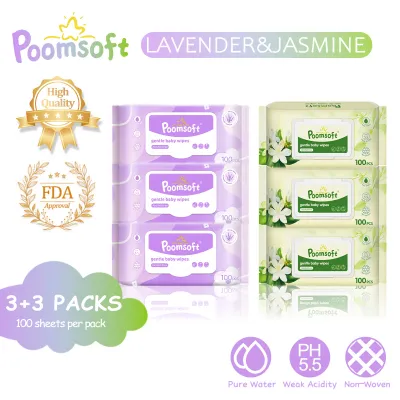
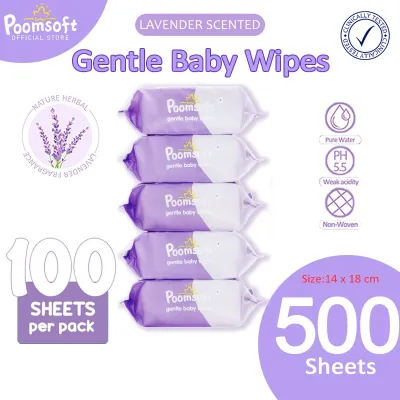
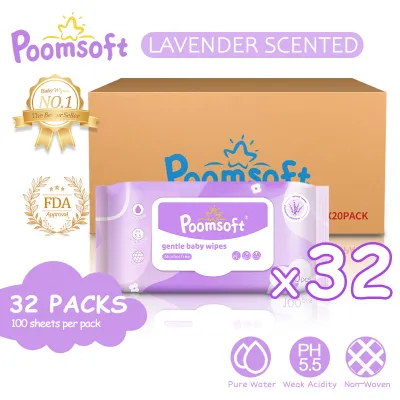
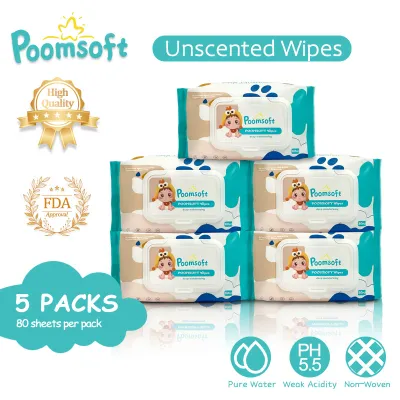
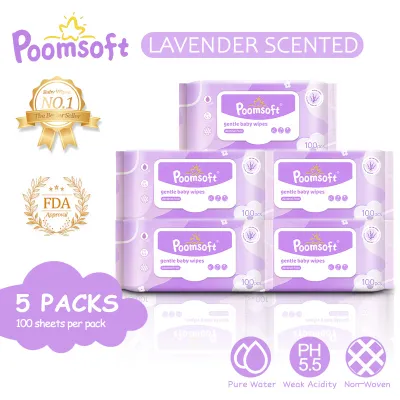
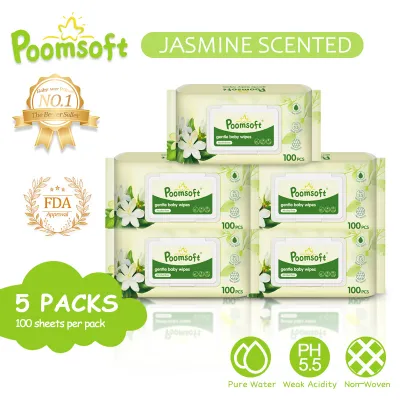
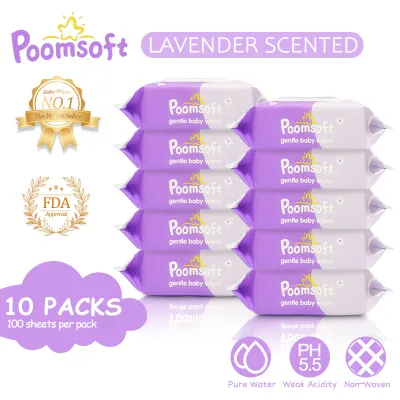
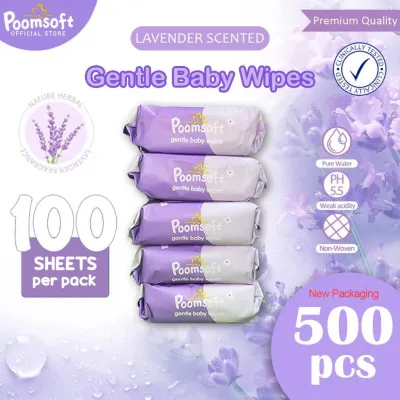
Prices are valid at publication and may change. Please refer to the product page for the latest price.
Finally, align your choices with general pediatric skin care guidelines. A baby’s skin barrier is significantly thinner and more sensitive than an adult’s, making it highly susceptible to irritation and contact dermatitis. When comparing brands, look for formulations that support the skin’s natural pH balance. Always verify the manufacturer’s age recommendations and specific usage instructions on the label, especially when using wipes on newborns or infants with compromised skin barriers.
Evaluating Thickness and Durability
The thickness of a baby wipe directly impacts its durability, cleaning efficiency, and overall safety during diaper changes. Thinner wipes often fold, bunch up, or tear, which can lead to messy hands and an unpleasant cleaning experience. When comparing Pompsoft wipes to other brands, start by checking the manufacturer’s specifications on the packaging. Some brands explicitly state the fabric’s GSM (grams per square meter), which measures density. A higher GSM generally indicates a thicker, more robust wipe. You should also look for mentions of ply count or specific manufacturing techniques, such as embossed textures, which create raised patterns that help grab and lift messes from the skin.

Since GSM is not always listed on retail packaging, you can perform a simple at-home stretch and tear test to evaluate durability. Take a single wipe from a newly opened pack of Pompsoft and stretch it firmly in both horizontal and vertical directions. Observe how much the fabric deforms before it tears. High-quality wipes will stretch slightly to absorb tension but will resist tearing, maintaining their structural integrity. If the wipe tears easily or becomes paper-thin with minimal pulling, it may not hold up well during heavy diaper changes.
Matching wipe thickness to specific tasks is key to managing your household inventory efficiently. Thicker, textured wipes are highly recommended for cleaning up solid diaper messes, as they provide a reliable barrier between your hands and the waste while requiring fewer sheets per change. Conversely, for quick cleanups of drool, sweat, or food residue on sensitive facial skin, a softer, slightly thinner wipe may be gentler and more comfortable for your baby. Keeping a variety of wipe types on hand allows you to use the most appropriate tool for each situation, saving money and protecting your baby’s skin.
Comparing Moisture Levels and Ingredients
Moisture level is another critical factor that determines how easily a wipe glides across the skin and lifts dirt. A wipe that is too dry will cause friction, leading to redness and irritation, while an overly wet wipe can leave excess moisture on the skin, creating a damp environment that encourages diaper rash. To evaluate moisture consistency, observe how the liquid is distributed within the pack. In some brands, gravity causes the liquid to pool at the bottom, leaving the top wipes dry and the bottom wipes soaking wet. When testing Pompsoft or other brands, check if the first few wipes out of a fresh pack feel sufficiently damp and if the moisture remains consistent as you reach the middle of the pack.
Equally important is the chemical formulation of the liquid solution. Because baby skin absorbs substances more readily than adult skin, you must carefully verify the ingredient list on the back of the pack. Look for explicit labels indicating that the product is alcohol-free, paraben-free, and fragrance-free. Alcohol can dry out the skin and cause stinging on irritated areas, while synthetic fragrances and certain preservatives like parabens are common triggers for allergic reactions.
When comparing formulations, differentiate between water-based wipes and lotion-based or aloe-infused alternatives. Water-based wipes, which typically consist of over 99% purified water and a minimal preservative system, are highly recommended for newborns and babies with extremely sensitive, reactive, or eczema-prone skin. Lotion-based or aloe-infused wipes, on the other hand, are designed to leave a thin, moisturizing barrier on the skin. While these can help soothe dry skin, you must monitor your baby closely to ensure they do not develop a sensitivity to the added botanical extracts or moisturizing agents.
Assessing Overall Value and Packaging Convenience
In the Philippines, the tropical climate and high humidity present unique challenges for storing and using baby wipes. High temperatures can accelerate moisture evaporation, turning a premium pack of wipes into dry sheets if the packaging is inadequate. Therefore, evaluating packaging convenience is just as important as assessing the wipes themselves. Compare packs that feature a rigid, plastic flip-top lid against those that rely solely on an adhesive sticker seal. A hard flip-top lid provides a much tighter seal, preventing evaporation in hot weather and allowing for easy, one-handed opening during active diaper changes. Adhesive seals tend to lose their stickiness over time, especially when exposed to dust, baby powder, or moisture.
To determine the true economic value of Pompsoft wipes compared to other brands, do not rely solely on the retail price per pack. Instead, calculate the exact cost per wipe by dividing the total price of the pack by the number of sheets inside (₱ Price / Sheet Count = Cost per Wipe). This simple calculation often reveals that a larger, seemingly more expensive pack actually offers better long-term value than a cheaper pack with fewer, smaller sheets.
Additionally, consider your purchasing strategy. Buying bulk boxes of wipes from online marketplaces or ecommerce platforms often yields a lower cost per wipe and ensures you always have a steady supply at home. However, it is wise to balance bulk purchases with smaller, travel-sized packs from local supermarkets or drugstores. These compact packs fit easily into diaper bags and strollers, ensuring you have fresh, moist wipes on hand during outings without carrying unnecessary weight.
Decision Framework: Choosing the Right Wipe for Your Needs
To finalize your choice between Pompsoft and other leading baby wipe brands, use a structured decision framework based on your baby’s skin type, your daily routine, and your budget.
Choose Pompsoft or similar thick, textured wipes if your primary concern is durability and you want to minimize the number of sheets used during heavy diaper changes. These robust wipes are ideal for older babies on solid foods, where cleaning efficiency and a strong physical barrier are paramount.
Choose water-based, minimal-ingredient wipes if your baby is a newborn or has highly sensitive, reactive, or eczema-prone skin. In these cases, avoiding potential irritants like fragrances, alcohol, and complex botanical extracts is critical to maintaining a healthy skin barrier, even if it means paying a slightly higher cost per sheet.
Verify first before committing to a large bulk purchase of any new brand, including Pompsoft. Buy a single, small pack to test the wipes in real-world conditions. Perform a patch test by gently wiping a small area on your baby’s arm or leg and waiting 24 hours to monitor for any signs of redness, swelling, or irritation. If your baby’s skin reacts negatively, stop use immediately and consult a pediatrician or qualified healthcare professional. Always supervise your child during use, keep wipe packaging out of reach of infants to prevent accidental choking or suffocation hazards, and follow all manufacturer warnings printed on the label.

Community discussion
Share your experience or ask a question. Comments are reviewed before publication.