
When baby-proofing your home, choosing between plug-in outlet caps and sliding plate covers comes down to how each design interacts with your child’s developing motor skills. Sliding outlet plates generally offer a more reliable safety profile because they eliminate the choking hazards associated with loose parts and resist a toddler’s physical removal attempts, provided they are compatible with your home’s wall boxes.
As babies transition into toddlerhood, usually around nine to twelve months of age, they rapidly develop their fine motor skills. The emergence of the pincer grasp—where a child uses their thumb and index finger to pinch small objects—allows them to grip and pull at small protrusions with surprising strength.
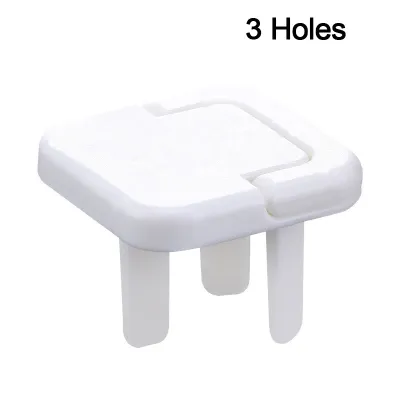
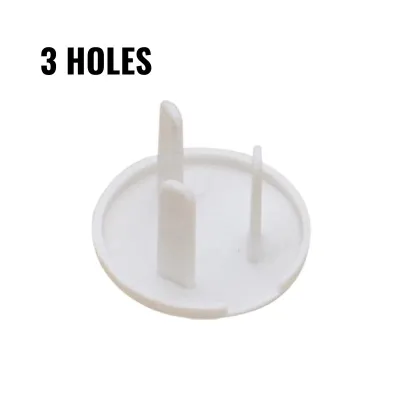
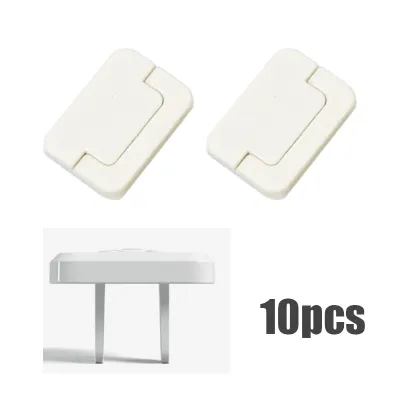
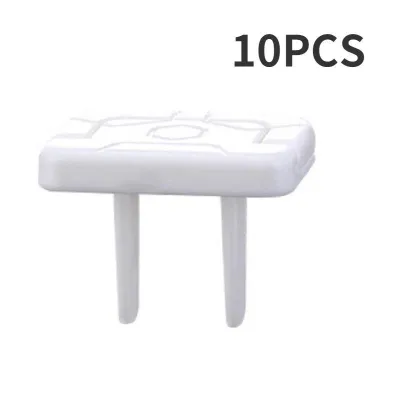
Traditional plug-in caps, which rely solely on friction to stay inside the socket, present an inviting target for these curious fingers. If a toddler possesses the finger strength and coordination to wiggle and extract these caps, the protective barrier is instantly lost.
Products mentioned in this guide

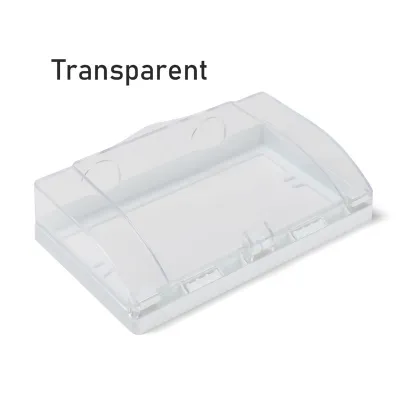
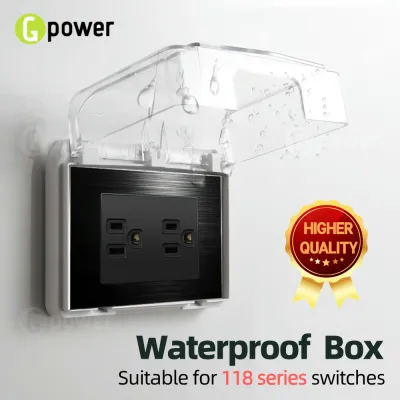
Prices are valid at publication and may change. Please refer to the product page for the latest price.
Once a plug-in cap is removed, it immediately introduces a secondary, highly critical risk: a choking hazard. Toddlers naturally explore their environment by putting objects in their mouths, and a discarded plastic cap is the perfect size to block a young child’s airway.
Furthermore, toddlers are keen observers who learn by mimicking the actions of their parents and caregivers. When they watch you repeatedly pull out a plastic cap to plug in an electric fan or a phone charger, they quickly understand that the cap is meant to be removed, turning a safety device into an interactive puzzle they are determined to solve.
Plug-In Outlet Caps: Safety Limits and Daily Trade-Offs
Plug-in outlet caps are the most common and inexpensive baby-proofing tools available, but their simplicity comes with significant safety limitations. To evaluate their effectiveness in your home, you must regularly check the physical fit and tension of each cap within your specific wall sockets.
Over time, repeated use can wear down the plastic prongs of the cap or loosen the internal contacts of the outlet itself. If the fit becomes loose, even a young baby with minimal grip strength can easily pull the cap out of the wall.
Conversely, caps that fit extremely tightly can frustrate adult family members. When a cap is difficult to remove, caregivers often resort to using tools to pry them loose, which can damage the outlet faceplate or create an electrical hazard if the tool slips.
The most significant drawback of plug-in caps is the human error factor associated with daily convenience. Every time you need to use an outlet—such as plugging in an electric fan or a portable air cooler to combat tropical humidity—you must remove the cap and find a safe place to store it.
In a busy household, these small plastic pieces are frequently misplaced, left on the floor, or forgotten on nearby tables. This leaves the outlet completely exposed to curious fingers and places a choking hazard within easy reach of a crawling child.
Because they require constant manual management, plug-in caps are best reserved for outlets that are completely hidden behind heavy furniture, such as large wardrobes or refrigerators, where a child cannot access them even if the cap is removed.
Sliding Outlet Plates: Fixed Protection and Installation Needs
Sliding outlet plates offer a semi-permanent baby-proofing solution by replacing the existing decorative faceplate of your electrical outlet. These plates feature a spring-loaded mechanism that automatically slides shut to cover the open contacts the moment a plug is pulled out.

To ensure this system works safely, caregivers must regularly verify the sliding mechanism’s integrity. The internal spring or sliding track must snap back quickly and completely without sticking, leaving no gaps or exposed openings where tiny fingers or slim objects could slip inside.
In tropical environments like the Philippines, high humidity and airborne dust can sometimes affect mechanical parts over time. It is essential to choose high-quality sliding plates with durable, enclosed spring mechanisms that resist moisture-induced sticking or rust.
Installing these covers requires a bit more effort than simply pushing a plastic cap into the wall. Because they replace the entire faceplate, you must verify the physical compatibility of the sliding plate with your existing wall boxes, checking the screw hole spacing and overall dimensions.
The primary safety advantage of a sliding plate is that it remains permanently screwed to the wall. Because it cannot be pulled off or misplaced by a child, it completely eliminates the choking hazard associated with loose plug-in caps.
This permanent installation also removes the risk of caregiver forgetfulness; there is no loose piece to store, and the outlet automatically secures itself the instant you unplug an appliance.
Comparing Removal Difficulty, Choking Risks, and Convenience
When deciding between these two protective options, comparing how they perform across key safety and usability dimensions can help you choose the right fit for your household’s daily routine. The primary difference lies in how each design challenges a toddler’s physical and cognitive abilities.
Removal difficulty varies greatly: plug-in caps rely purely on friction, meaning a determined toddler with strong fingers can eventually wiggle them free. Sliding plates, on the other hand, require a coordinated, two-handed lateral sliding motion while simultaneously inserting a plug—a task that requires adult-level physical coordination and cognitive understanding.
Choking risks represent the most stark contrast between the two designs. Removable caps pose a high risk to infants and toddlers if left on the floor or low tables, whereas fixed sliding plates pose zero choking risk because they are securely fastened to the wall box with screws.
Adult convenience also dictates how consistently these safety measures are maintained. Sliding plates allow you to insert a plug immediately by simply aligning the prongs and sliding the cover, whereas plug-in caps require you to manually extract, store, and later replace the plastic insert every single time.
The following comparison table summarizes these critical differences to help you evaluate which option fits your home’s layout and your child’s developmental stage:
| Feature | Plug-In Outlet Caps | Sliding Outlet Plates |
|---|---|---|
| Primary Safety Mechanism | Friction-fit plastic prongs | Spring-loaded automatic sliding cover |
| Toddler Removal Risk | Moderate to high (can be pulled out) | Extremely low (screwed to the wall) |
| Choking Hazard | Yes (if removed and left unattended) | No (permanently attached faceplate) |
| Adult Usability | Low (requires manual removal and storage) | High (automatic self-closing mechanism) |
| Installation Effort | None (push-in design) | Moderate (requires screwdriver and faceplate replacement) |
| Best Suited For | Rarely used or hidden outlets | Frequently used, highly accessible outlets |
While this table provides a general comparison, you must always verify the specific brand mechanisms, material durability, and weight limits on the product label before purchasing.
Pre-Purchase Checks and Decision Framework for Your Home
Before purchasing any baby-proofing hardware, it is vital to perform a thorough physical assessment of your home’s electrical setup to ensure a safe and compatible installation. Safety must always come first when working around electrical outlets.
Always turn off the main power at the circuit breaker before attempting to install or replace any sliding plate cover. Never insert tools, screwdrivers, or fingers into an open outlet box while the electrical current is active.
Measure your existing faceplates carefully and check your socket type to ensure the new sliding plates conform to the standard configurations used in the Philippines. Many local homes use rectangular wide-series plates or traditional duplex styles, so matching the screw alignment and outer dimensions is critical for a flush, secure fit.
Choose sliding plates for high-traffic areas where you frequently plug in appliances like electric fans, chargers, or kitchen tools. This choice is especially important if your toddler has already mastered the pincer grasp or shows a strong interest in mimicking your daily household tasks.
Opt for plug-in caps only for outlets that are rarely used or are completely blocked by heavy furniture, ensuring that the caps fit tightly into the sockets and that any removed caps are stored immediately in a secure, high cabinet out of the child’s reach.
If you discover that a wall box is loose, the internal wiring is frayed or exposed, or the mounting screws do not align properly with the new plate, stop immediately. Do not attempt to force the installation; instead, consult a licensed electrician to repair the outlet safely.
Frequently Asked Questions (FAQ)
Can toddlers learn to open sliding outlet plates?
While toddlers cannot easily pull a sliding plate off the wall, they are highly observant and may eventually learn to slide the mechanism open if they repeatedly watch adults do it. If your child figures out how to slide the cover, you should monitor their interaction closely and consider placing heavy furniture barriers in front of those outlets to block physical access.
Are universal outlet covers safe for all socket types?
Plug-in caps are relatively versatile and may fit multiple socket configurations, but sliding plates are highly specific to the faceplate shape, screw spacing, and socket type. Always check the product packaging and measure your home’s outlets to verify exact compatibility dimensions before making a purchase.
Community discussion
Share your experience or ask a question. Comments are reviewed before publication.