
Setting up a nursery in the Philippines requires balancing comfort, safety, and available space. Whether you are arranging a cozy corner in a Metro Manila condominium or dedicating a full room in a spacious suburban home, choosing between a multi-functional playpen crib and a separate crib-and-playpen setup is a major decision. The right choice depends on your home’s layout, your budget, and how you plan to manage your baby’s daily sleep and play routines.
A playpen crib, often referred to locally as a pack-and-play, offers a compact, all-in-one solution that transitions from a bassinet to a play space. On the other hand, investing in a separate wooden crib and a standalone playpen provides dedicated zones for rest and activity, which can help establish clear sleep associations. By evaluating your specific living conditions, financial plans, and lifestyle, you can create a safe and nurturing environment that supports your baby’s growth.
Assess Your Nursery Space and Layout
Before browsing online marketplaces or visiting local baby boutiques, grab a measuring tape to assess your actual room dimensions. In many households, bedrooms serve multiple purposes, and floor space is at a premium. You must measure not only the designated spot for the baby’s bed but also the clearance needed for opening wardrobe doors, room entryways, and maintaining clear walking paths during late-night feedings.
Products mentioned in this guide
![[ONLINE EXCLUSIVE] Akeeva Luxury Space Saver Playpen (Faro)](https://img.lazcdn.com/g/p/0e706909e7f011b08868c613c6665637.jpg_400x400q80.jpg_.webp)
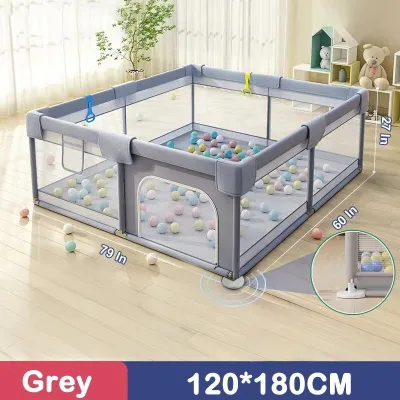
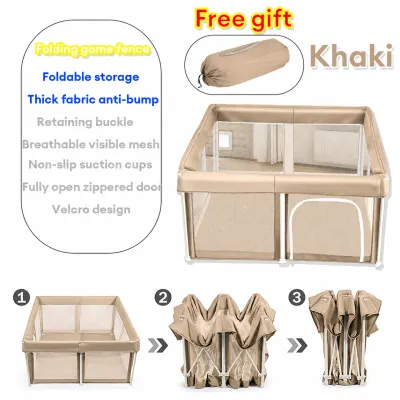
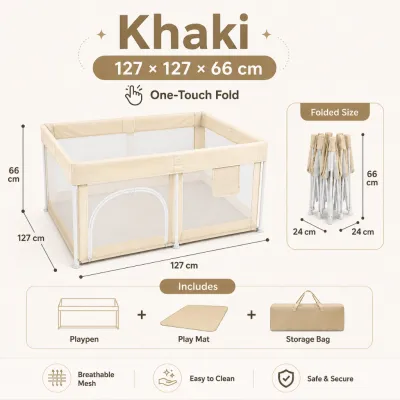
Prices are valid at publication and may change. Please refer to the product page for the latest price.
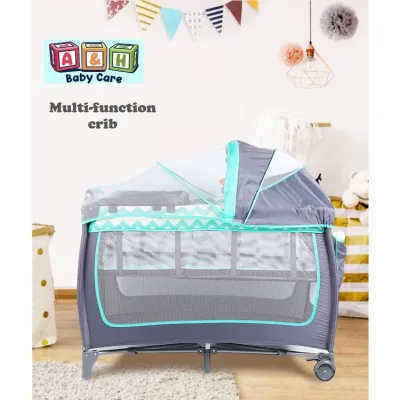
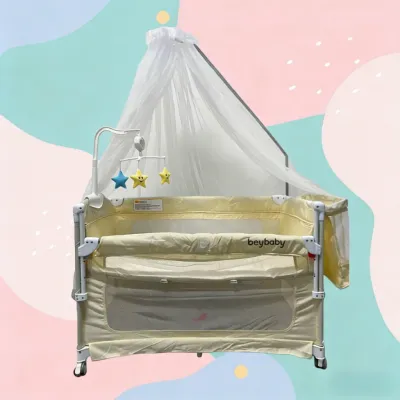
A combined playpen crib typically features a highly compact footprint, making it an excellent fit for smaller nurseries or shared master bedrooms. Because it serves as both a sleeping area and a secure play space, it eliminates the need to find two separate spots in your home. This consolidation is particularly beneficial in high-density urban residences where every square meter counts.
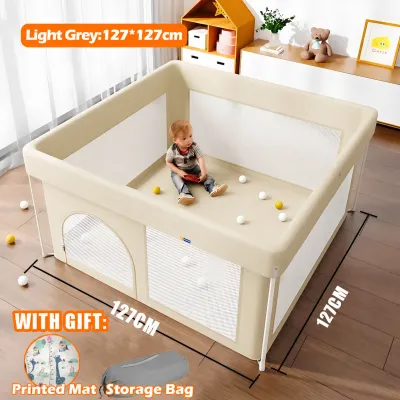
Conversely, opting for separate pieces requires a much larger physical footprint. A standard wooden crib is generally wider and longer than a portable playpen, and adding a standalone playpen to another part of the house demands substantial open floor space. However, if your nursery layout is irregular or spacious, separate pieces offer greater arrangement flexibility. You can position the permanent crib in a quiet, draft-free corner away from direct air conditioning flow, while placing the playpen in the living room where you can easily supervise playtime.
Evaluate Your Budget and Long-Term Value
Financial planning is another critical factor when preparing for a new baby, and the upfront costs of nursery furniture can vary significantly. In the Philippines, a combined playpen crib is generally the more budget-friendly option. Basic models can start around ₱3,000, while feature-rich versions with integrated changing tables and diaper organizers may range up to ₱10,000. This single purchase covers both sleep and play needs during the early months.

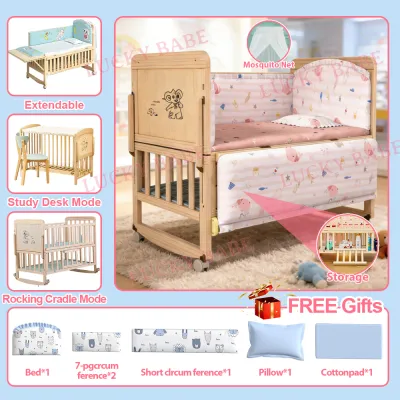
In contrast, buying a separate wooden crib and a standalone playpen represents a higher initial investment. A quality wooden crib often starts around ₱5,000 and can easily exceed ₱15,000 depending on the materials, and this price rarely includes the mattress. When you add the cost of a dedicated playpen, the total expenditure can quickly impact your nursery budget.
However, long-term value involves looking beyond the initial price tag to evaluate the usable lifespan of each product. Babies typically outgrow playpens faster than standard cribs, as weight and height limits on portable units are relatively low. Many standard wooden cribs are designed to convert into toddler beds or daybeds, extending their usefulness for several years. If you plan to have more children or want furniture that grows with your child, the higher upfront cost of separate, durable pieces may offer better long-term value.
Consider Your Baby’s Sleep and Play Needs
Your baby’s developmental stages and daily habits should heavily influence your nursery configuration. Establishing healthy sleep hygiene is easier when a child associates their crib exclusively with rest. A separate wooden crib provides a consistent, quiet, and firm sleeping environment. When playtime occurs in a completely different area, such as a dedicated playpen in the living room, it helps the baby distinguish between active hours and bedtime.
For families who travel frequently or make regular weekend trips to visit grandparents in the provinces, portability is a major consideration. A playpen crib is designed to fold down into a compact carrying bag, making it easy to pack into a car trunk or store away when not in use. This portability ensures your baby has a familiar, safe sleeping environment wherever you go, which can ease sleep transitions during travel.
To ensure your baby’s safety as they grow, always check the manufacturer’s weight and height limits for every mode of use. Playpen cribs often have strict weight limits for their elevated bassinet inserts, which require transitioning the baby to the lower playpen floor once they can roll over or push up on their hands and knees. Standard cribs, with their adjustable mattress heights and sturdy wooden slats, generally accommodate growing toddlers more securely and for a longer duration.
Verify Safety Standards and Convenience Features
Safety must always be your top priority when selecting nursery furniture, requiring careful inspection of product labels and instruction manuals. Look for indications of compliance with recognized international safety standards, such as ASTM or EN certifications, which verify that the materials and construction have undergone rigorous testing. In the humid tropical climate of the Philippines, breathability is especially crucial; ensure that any playpen crib you consider features mesh siding on all sides to promote adequate air circulation and prevent overheating.
When evaluating a playpen crib, pay close attention to the mattress firmness and fit. The mattress pad supplied by the manufacturer is specifically designed to fit that exact model without leaving dangerous gaps along the edges. Never add aftermarket mattresses, thick blankets, or soft toppers to a playpen, as these can create entrapment and suffocation hazards. For standard wooden cribs, ensure the mattress fits snugly against the frame, leaving no more than two fingers of space between the mattress edge and the crib sides.
Practical convenience features can make a significant difference in your daily routine. Test the folding and unfolding mechanisms of a playpen crib to ensure they are smooth and secure, and verify that the locking joints click firmly into place to prevent accidental collapsing. If the unit has wheels, check that the wheel locks are robust and easy to engage. For wooden cribs, look for smooth finishes that will not splinter in high humidity, and verify that any teething rails are made of non-toxic, baby-safe materials.
Decision Checklist: Which Setup is Right for You?
To help you finalize your nursery layout, use this diagnostic checklist to determine which configuration aligns best with your household’s needs.
Choose a Playpen Crib if:
- Your nursery or bedroom has limited floor space, and you need a compact, multi-functional unit.
- You travel frequently, visit relatives often, or need a portable sleeping solution that folds away easily.
- You prefer a lower upfront investment that combines a bassinet, changing station, and play area into one purchase.
- You plan to transition your child to a standard bed relatively early and do not require a long-term convertible crib.
Choose Separate Pieces if:
- You have a spacious nursery and want to establish distinct, dedicated zones for sleeping and playing.
- You want to invest in durable, convertible wooden furniture that can transition into a toddler bed and last for several years.
- You prefer a highly robust, traditional sleep environment with a standard, thick crib mattress.
- Your baby will spend most of their time at home, making portability and folding mechanisms unnecessary.
Before making your final purchase, always verify the exact product dimensions against your measured room space, review the manufacturer’s weight and age limits, and check the warranty terms provided by the retailer.
Frequently Asked Questions (FAQ)
Is it safe for a baby to sleep in a playpen crib every night?
Yes, it can be safe, provided you strictly follow the manufacturer’s instructions and safety guidelines. The playpen crib must be set up on a flat, stable floor, and you must only use the firm, thin mattress pad provided by the manufacturer. Do not add extra mattresses, pillows, comforters, or soft toys, as these increase the risk of suffocation. If you notice any wear and tear, sagging mesh, or loose joints, discontinue overnight use immediately and consult a professional or the manufacturer for replacement parts.
Can I use a standard crib mattress in a playpen crib?
No, you should never use a standard crib mattress in a playpen crib. Standard crib mattresses are much thicker and heavier than the mattress pads designed for playpens, which can cause the playpen’s fabric bottom to sag or collapse. Additionally, a standard crib mattress will not fit the dimensions of a playpen perfectly, leaving dangerous gaps along the sides where a baby can become trapped. Always use the exact mattress pad supplied and approved by the playpen manufacturer to ensure a safe sleep environment.

Community discussion
Share your experience or ask a question. Comments are reviewed before publication.