
Selecting the right baby bottle is one of the most frequent decisions new parents face, especially when navigating the various options within a trusted brand’s lineup. The Pigeon slim neck bottle remains a popular choice for its ergonomic design, which is easy for both caregivers and developing babies to hold. However, deciding between polyphenylsulfone (PPSU), polypropylene (PP), and glass can feel overwhelming when balancing safety, durability, and convenience.
Each material serves a distinct purpose in a family’s daily routine, particularly under tropical conditions where high humidity can influence drying times and sterilization habits. Glass offers unmatched longevity and chemical inertness, making it a staple for home use. PPSU provides a premium, highly durable, and heat-resistant plastic alternative that withstands rigorous sterilization. PP stands out as a lightweight, highly affordable option for families seeking practical, short-term utility.
To make the best choice, you must evaluate how each material fits into your daily cleaning routine, your preferred sterilization equipment, and your baby’s developmental stage. By understanding the physical properties and care requirements of PPSU, PP, and glass, you can select the bottle that ensures comfortable, safe, and efficient feeding sessions.
Products mentioned in this guide
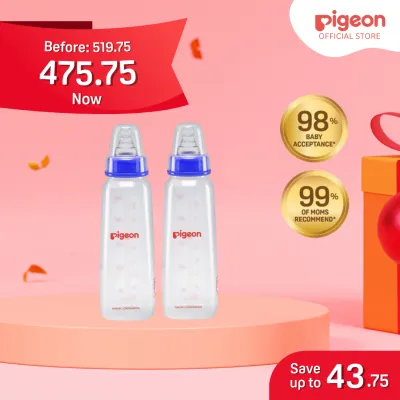
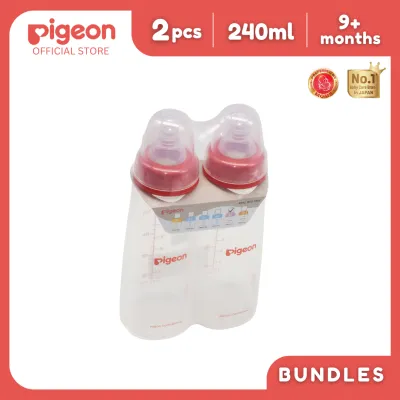
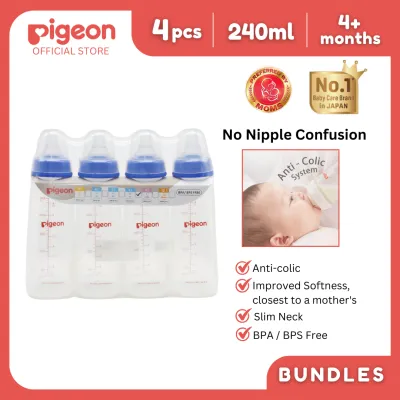
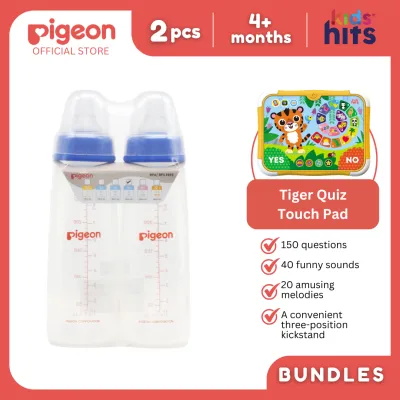
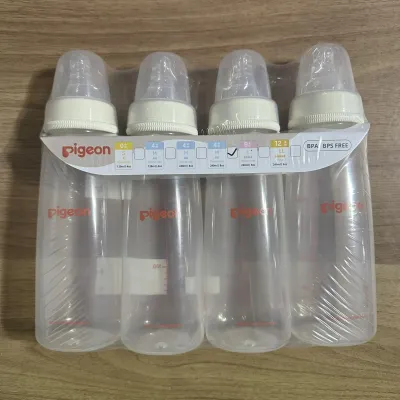
Prices are valid at publication and may change. Please refer to the product page for the latest price.
Core Differences Between PPSU, PP, and Glass Bottles
Understanding the physical characteristics of PPSU, PP, and glass is the first step in determining which bottle fits your lifestyle. These materials differ significantly in weight, visual clarity, and how they degrade over time under continuous use and cleaning.
Weight and grip play a crucial role in daily feeding comfort. Glass is naturally the heaviest option, which means caregivers must support the bottle during feeds to prevent accidental drops or fatigue. As babies grow and begin to hold their own bottles, the substantial weight of glass can make self-feeding difficult and potentially hazardous. In contrast, both PPSU and PP are exceptionally lightweight. This minimal weight allows older infants to grasp and tilt the slim neck design with ease, promoting fine motor skill development under close supervision.
Visual clarity is another key differentiator, especially when measuring precise formula volumes or checking for thoroughly mixed milk powder. Glass provides crystal-clear transparency that remains pristine throughout its lifespan, allowing you to read the measurement markings effortlessly even during late-night feedings. PPSU features a distinct, natural honey-colored or amber tint; despite this coloration, it offers excellent clarity that does not cloud easily over time. PP, however, has a slightly milky or semi-translucent appearance. This lower level of clarity can make it more challenging to inspect the milk level or read the printed scale in dimly lit rooms.
The lifespan and degradation patterns of these materials also vary. Glass does not degrade chemically and can last indefinitely, provided it remains free of chips, cracks, or deep scratches. PPSU is a highly resilient medical-grade plastic that resists scratches and retains its structural integrity through hundreds of sterilization cycles. PP is a softer plastic that is more susceptible to micro-scratches from bottle brushes. These tiny abrasions can gradually cause the plastic to look cloudy, trap milk fats, and retain stubborn odors, meaning PP bottles generally require more frequent replacement than their PPSU or glass counterparts.
Evaluating Materials for Your Daily Feeding Routine
Integrating a baby bottle into your daily routine requires looking closely at your cleaning habits, travel frequency, and sterilization setup. In tropical climates like the Philippines, where high humidity can encourage microbial growth on damp surfaces, thorough sterilization and rapid drying are essential steps in maintaining infant health.

Sterilization compatibility is a primary consideration for any parent. Before purchasing, you must cross-reference the temperature limits of your bottle material with the operating specifications of your sterilizer. Glass handles high temperatures exceptionally well, making it compatible with boiling water, steam sterilizers, and chemical sterilizing solutions. However, glass is vulnerable to thermal shock; sudden transitions from hot sterilizers to cold water can cause it to crack. PPSU boasts an impressive heat resistance, often up to 180 degrees Celsius, making it highly compatible with steam, boiling, and most UV sterilizers. PP has a lower heat tolerance, typically around 110 to 120 degrees Celsius. While PP is safe for standard steam and boiling methods, frequent exposure to high heat or UV light can accelerate its aging process, causing the plastic to become brittle or warp.
Durability during travel and active daily use is another practical factor. If your family is frequently on the go, navigating busy streets, or visiting relatives, lightweight and shatterproof bottles are invaluable. Dropping a glass bottle on hard concrete or tiled floors—common in many local households—results in dangerous shards and a ruined feed. PPSU and PP bottles are virtually shatterproof, offering peace of mind during car rides, stroller trips, or when your toddler inevitably tosses the bottle from a high chair. PPSU is particularly suited for travel because its scratch-resistant surface prevents dirt and bacteria from lodging in microscopic grooves during transit.
Nighttime feeding routines also highlight the differences between these materials. During half-asleep midnight feeds, a lightweight plastic bottle reduces hand fatigue for tired parents. Additionally, heat retention properties differ: glass tends to retain heat longer than plastic, which can keep warmed milk at an appealing temperature for slow feeders but requires extra caution to ensure the milk is not too hot when first offered. Plastic bottles cool down relatively quickly, which may require you to feed your baby promptly after warming.
Pigeon Slim Neck Bottle Decision Framework
To simplify your decision, you can use a straightforward framework based on your primary feeding environment, budget, and long-term expectations. No single material is universally superior; instead, each serves a specific set of household needs.
You should choose PPSU if you want a premium, long-lasting plastic bottle that combines the lightweight benefits of plastic with the high heat tolerance of glass. PPSU is the ideal choice for families who travel often, rely heavily on frequent steam or UV sterilization, and want a bottle that resists clouding and odor retention over months of continuous use. Although PPSU bottles generally carry a higher initial price point in local baby boutiques and online marketplaces, their extended lifespan often makes them a highly cost-effective choice over time.
You should choose PP if you prioritize a highly budget-friendly, lightweight option for short-term or occasional use. PP bottles are excellent as backup bottles kept in a diaper bag, for temporary use during transitions, or for families on a tight budget. Because PP wears out faster under daily sterilization, it is best suited for situations where you plan to replace the bottles frequently or transition your baby to a training cup in the near future.
You should choose Glass if your feeding routine occurs almost exclusively at home, and you prefer a material that is completely free of plastic compounds. Glass is perfect for parents who want a bottle that is exceptionally easy to clean, does not absorb milk odors, and can be reused for future siblings, provided it is kept free of physical damage. It is the ultimate choice for chemical inertness and longevity, as long as you are comfortable managing its heavier weight and the risk of breakage.
Regardless of which material you select, always verify the compatibility of your specific sterilization equipment. Some modern UV sterilizers or rapid-steam models generate localized heat zones that may exceed the safety thresholds of softer plastics like PP. Checking the user manuals of both the bottle and the sterilizer ensures you do not accidentally compromise the integrity of the feeding equipment.
Safety Checks and Care Instructions
Maintaining the safety and hygiene of your baby’s bottles requires regular inspection and adherence to proper care guidelines. Even the highest quality materials can degrade over time, potentially compromising feed safety if left unchecked.
Always begin by reading the manufacturer’s packaging and labels carefully. Ensure the bottles are explicitly certified as BPA and BPS-free to protect your baby from unwanted chemical exposure. Pay close attention to the recommended age and volume guidelines printed on the packaging, as using a bottle size or nipple flow rate that does not match your baby’s developmental stage can lead to feeding discomfort, excessive air intake, or colic-like symptoms.
Establish a weekly visual inspection routine for all your feeding equipment. For glass bottles, run your fingers along the rim and outer surface to check for hairline cracks, chips, or rough edges that could cause injury or break during feeding. For PPSU and PP bottles, look for signs of physical wear such as persistent cloudiness that does not wash away, a sticky or tacky texture on the plastic surface, deep scratches from cleaning brushes, or warping near the collar threads. These physical changes indicate that the plastic polymer is breaking down and can no longer be cleaned effectively.
If you detect any signs of damage, cracking, or severe discoloration, stop using the bottle immediately. Replace the damaged components according to the manufacturer’s guidelines. If your baby experiences persistent feeding difficulties, excessive gas, or changes in feeding behavior, consult a pediatrician or a lactation specialist to ensure your feeding setup and techniques are fully optimized for your child’s needs.
Frequently Asked Questions (FAQ)
Can I mix different Pigeon slim neck bottle materials for the same baby?
Yes, you can safely mix different materials depending on your daily activities. The nipples, collars, and caps of Pigeon slim neck bottles are designed to be interchangeable across glass, PPSU, and PP bodies of the same neck type. Many parents find it practical to use glass bottles for stable, controlled feedings at home, while keeping lightweight PPSU or PP bottles in their diaper bags for travel and outdoor excursions. When mixing materials, observe how your baby responds to the change; some infants may notice the difference in weight, texture, or how quickly the bottle transfers warmth to their hands, and may temporarily prefer one over the other.
How often should I replace PPSU or PP slim neck bottles?
The replacement cycle for plastic baby bottles depends heavily on how often they are used, washed, and sterilized. As a general guideline, PP bottles typically require replacement every four to six months due to their softer composition and susceptibility to micro-scratches. PPSU bottles, being much harder and more heat-resistant, can often last up to a year with proper care. However, you should rely on observable signs of wear rather than a strict calendar timeline. If you notice deep scratches, persistent odors, stubborn cloudiness, or any warping of the bottle neck that prevents a tight seal with the collar, replace the bottle immediately to maintain optimal hygiene.
Community discussion
Share your experience or ask a question. Comments are reviewed before publication.