
Deciding on the right electric breast pump is one of the most significant choices you will make during your breastfeeding journey. In the Philippines, the Pigeon electric breast pump is a highly visible option, often compared to other popular local and international brands. To determine if it fits your lifestyle, you must weigh its specific design features, comfort levels, and overall value against your daily routine.
Generally, Pigeon is recognized for producing user-friendly, compact, and reliable breast pumps that cater to mothers seeking a balance between affordability and quality. While premium competitors often focus on heavy-duty, hospital-grade motors or fully wearable, tubeless designs, Pigeon emphasizes straightforward operation, comfortable silicone cushions, and accessible local support.
To help you make an informed decision, consider this quick selection framework based on your primary pumping goals:
Products mentioned in this guide
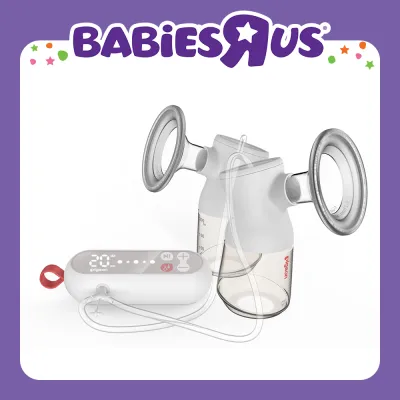
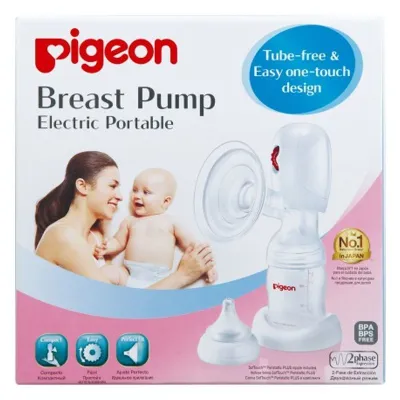
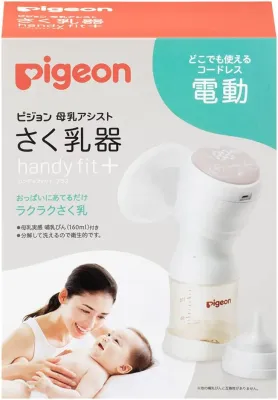
Prices are valid at publication and may change. Please refer to the product page for the latest price.
- Choose Pigeon if: You prioritize a trusted, established brand with readily available local replacement parts, straightforward controls, a compact motor unit, and a gentle, cushioned fit that does not require a massive upfront financial investment.
- Consider alternatives if: You require ultra-strong, hospital-grade suction for exclusive pumping, prefer a completely hands-free wearable cup design that fits entirely inside your bra, or want highly advanced digital tracking features via a smartphone application.
Ultimately, the ideal breast pump is highly subjective. Your comfort and milk expression efficiency depend heavily on your unique breast anatomy, your daily schedule, and how frequently you plan to pump.
Core Specifications to Compare Across Brands
When comparing the Pigeon electric breast pump to other popular brands on the market, looking past the marketing terms and focusing on the technical specifications is essential. Understanding these details allows you to evaluate how well a pump will perform under daily use.
Suction Modes and Cycles
Most modern electric breast pumps utilize a two-phase system designed to mimic a baby’s natural nursing pattern. The first phase is the stimulation or expression-initiation mode, which features fast, shallow cycles to trigger your milk let-down. The second phase is the expression mode, which uses slower, deeper cycles to draw out milk efficiently.
When comparing brands, check the number of adjustable vacuum levels within each phase. A pump that offers finer increments of adjustment allows you to customize the suction to your exact comfort level. Avoid assuming that higher suction power automatically yields more milk; excessive suction can cause pain and tissue swelling, which actually hinders milk flow.
Power and Portability
Your daily environment dictates the type of power source you need. Breast pumps generally fall into three power categories: direct mains-powered, battery-operated (using replaceable AA batteries), or rechargeable (using built-in lithium-ion batteries).
If you commute frequently or experience occasional power interruptions, a model with a built-in rechargeable battery is highly advantageous. Look for USB charging compatibility, which allows you to charge the motor unit using a power bank, a laptop, or a car charger. If you choose a model that requires a direct electrical outlet, verify that the voltage adapter is compatible with standard local outlets.
Flange Sizing and Compatibility
The breast shield, or flange, is the funnel-shaped part that contacts your breast. A proper flange fit is critical for both comfort and efficient milk expression. Many brands ship their pumps with a standard 24mm flange, but this size does not fit everyone.
Before purchasing, check whether the brand offers alternative flange sizes (such as 21mm, 27mm, or 30mm) or if they support third-party silicone inserts. Pigeon is well-known for its soft silicone cushions that line the flange, designed to create a secure seal and cushion the breast. However, you must still ensure the underlying plastic tunnel matches your nipple diameter.
Noise Levels and Weight
If you plan to pump at work or near a sleeping baby, the noise level of the motor is a vital consideration. While manufacturers do not always publish exact decibel ratings, you can look for user feedback regarding the motor’s hum.
Additionally, consider the physical weight and dimensions of the motor unit. A heavy, bulky motor is difficult to carry in a diaper bag and limits your mobility around the house. Lightweight, compact motors can easily be slipped into a pocket or clipped to a waistband, giving you more freedom of movement.
Matching the Pump to Your Breastfeeding Scenario
No single breast pump is perfect for every mother. The best way to narrow down your choices is to match the pump’s features to your specific daily routine and lifestyle requirements.

Returning to Work
For working mothers in the Philippines, pumping at the office requires speed, discretion, and portability. You must consider how quickly you can set up, use, and clean the pump during limited break times.
Traditional double electric pumps with tubing offer excellent efficiency but require a dedicated space and a pumping bra. Wearable, hands-free pumps allow you to keep your clothes on and pump at your desk, but they may have smaller milk collection capacities and slightly weaker suction. If you choose a traditional setup like Pigeon, look for compact models that pack away quickly and have minimal parts to wash in the office pantry.
Exclusive Pumping or Low Supply
If you are exclusively pumping—meaning your baby receives breast milk solely from a bottle—or if you are actively working to increase a low milk supply, your demands on a pump are much higher. You will likely pump eight or more times a day, including during the night.
In this scenario, motor durability is paramount. Light personal pumps may wear out quickly under such heavy use. You should look for heavy-duty personal pumps or consider renting a hospital-grade pump. These units feature robust motors designed for frequent, long-term use and offer highly consistent suction patterns that help stimulate milk production effectively.
Nighttime and Frequent Pumping
Pumping in the middle of the night is a reality for many breastfeeding mothers. To make these sessions as seamless as possible, look for user-friendly design details that accommodate a dark, quiet bedroom.
An LED screen with a clear backlight allows you to monitor your pumping time and suction level without turning on bright overhead lights. A built-in timer is also helpful for tracking session lengths when you are sleep-deprived. Furthermore, a pump with fewer parts is much easier to assemble and disassemble in the dark, reducing the risk of spilling precious milk.
Budget-Conscious Planning
When planning your budget, look beyond the initial purchase price of the pump in ₱. You must also factor in the long-term cost and availability of consumable parts.
Silicone valves, membranes, and tubing degrade over time and must be replaced regularly to maintain proper suction. If a brand’s replacement parts are expensive or difficult to source locally, a low upfront pump price can quickly become a financial and logistical burden. Pigeon benefits from a strong local presence, making its replacement parts relatively easy to find and affordable compared to niche import brands.
Verifying Comfort, Fit, and Safety Before Use
Using a breast pump should never be painful. Prioritizing your physical comfort and safety ensures a positive breastfeeding experience and protects your breast tissue from injury.
Measuring for the Correct Flange Size
To find your correct flange size, measure the diameter of the base of your nipple (excluding the areola) using a ruler or a printable sizing coin. Do this measurement before a pumping session, or when your nipples are stimulated.
Your flange size should be roughly 2mm to 3mm larger than your nipple measurement. During pumping, your nipple should move freely in and out of the tunnel without rubbing against the sides, and very little of your areola should be drawn into the tunnel. If you experience friction, pain, or notice your nipple turning white, you likely need a different size.
Checking Material Safety Labels
Because breast milk is consumed by your infant, all parts of the pump that come into contact with the milk must be completely safe. Always verify that the plastic and silicone components are certified BPA-free and made from food-grade materials.
Avoid purchasing unbranded, extremely cheap pumps from unregulated online sellers, as these products may contain harmful chemicals or industrial-grade plastics that degrade quickly when exposed to high heat during sterilization.
Recognizing Signs of Poor Fit or Excessive Suction
It is a common misconception that stronger suction yields more milk. In reality, excessive suction can cause micro-tears in your skin, bruising, and plugged milk ducts due to tissue swelling.
If you experience persistent pain, notice blood in your expressed milk, or find that your breasts still feel full and heavy after a full pumping session, stop using the pump immediately. These are clear signs of a poor fit or incorrect settings. Consult a certified lactation consultant or your healthcare provider to assess your technique and equipment.
Reviewing Cleaning and Sterilization Instructions
Proper hygiene is critical to protect your baby from harmful bacteria. Before using your pump for the first time, read the manufacturer’s instructions regarding washing and sanitizing.
In humid tropical climates, mold can easily grow inside damp tubing or small crevices. Ensure all parts are washed with warm, soapy water, rinsed thoroughly, and allowed to air dry completely in a clean, well-ventilated area. Check your manual to see if the parts can withstand boiling water, steam sterilizers, or UV sterilizers, as excessive heat can warp certain plastics and ruin silicone valves.
Purchasing and Warranty Verification in the Philippines
To ensure you receive a genuine product and reliable customer support, you must be strategic about where and how you purchase your breast pump.
Identifying Authorized Retailers
To avoid counterfeit products, purchase your pump from authorized physical retailers, official brand stores on major e-commerce platforms, or reputable baby specialty boutiques. Counterfeit pumps may look identical to genuine models but often use substandard motors and non-food-grade plastics that pose safety risks.
Checking the Manufacturer's Warranty
Before finalizing your purchase, verify the warranty terms offered by the manufacturer or local distributor. A standard warranty typically covers the motor unit against manufacturing defects for one to two years.
Be aware that warranties usually do not cover consumable silicone parts, physical damage from drops, or water damage caused by milk backflow into the motor. Keep your official receipt, invoice, and original packaging, as these are almost always required to claim warranty services.
Verifying Local Replacement Part Availability
Before committing to a specific brand, search local online marketplaces or physical baby stores to see how easy it is to buy replacement valves, membranes, and tubing.
If you have to wait weeks for an international shipment just to replace a torn valve, your breastfeeding routine will be severely disrupted. Brands with a strong, established presence in the country, such as Pigeon, generally offer much better local availability for these essential spare parts.
Frequently Asked Questions (FAQ)
Can I use a Pigeon breast pump while charging it?
Whether you can use your pump while it is plugged into a power source depends entirely on the specific model you own. Some models feature pass-through charging, allowing you to operate the motor while the battery charges. Other models are designed strictly for battery-only operation and will disable the motor when plugged in as a safety precaution. Always consult your specific user manual before attempting to use the device while it is connected to an electrical outlet.
How often should I replace the silicone valves and membranes?
Silicone components are highly flexible but wear out over time due to stretching, washing, and sterilization. You should inspect these parts weekly for tiny tears, warping, or a loose fit. If you notice a sudden drop in your pump’s suction power, the valves are usually the first parts that need replacing. As a general guideline, active pumpers should replace silicone valves every one to three months, depending on usage frequency and the manufacturer’s recommendations.
Does insurance or HMO cover electric breast pumps in the Philippines?
In the Philippines, standard health insurance and HMO plans typically do not cover the cost of personal breast pumps, as they are generally classified as personal care items rather than essential medical equipment. However, some premium corporate health packages or specialized maternity benefits may offer partial reimbursement. You should contact your HMO provider directly to ask about their specific policies, and obtain a medical certificate from your OB-GYN or pediatrician if a claim is possible.

Community discussion
Share your experience or ask a question. Comments are reviewed before publication.