
Selecting the most suitable Philips Avent pacifier for your 0-6 month old baby is a highly individualized decision. Because every infant has a unique oral structure, skin sensitivity level, and sucking reflex, there is no single model that works perfectly for every newborn. Instead, finding the right fit involves matching your baby’s observable physical feedback to the specific design features of the brand’s primary product lines, such as the Ultra Soft, Ultra Air, and Soothie series. By understanding how different nipple shapes, shield flexibilities, and ventilation levels interact with your baby’s delicate skin and developing mouth, you can make an informed choice that supports their natural soothing instincts. This guide provides a practical framework to help you evaluate these options, troubleshoot common acceptance issues, and maintain the highest standards of hygiene and safety during your baby’s first six months of life.
Understanding Pacifier Shapes and Materials for the 0-6 Month Stage
During the first six months, your baby’s oral cavity undergoes rapid development. Sucking is not only a feeding mechanism but also a vital self-soothing tool that helps regulate their nervous system. When selecting a pacifier, the shape of the nipple is one of the most critical factors to consider. Philips Avent offers both orthodontic and rounded nipple designs to accommodate different infant preferences and oral structures.
Orthodontic nipples, which are typically symmetrical in the Avent lineup, are designed to support the natural development of your baby’s palate, teeth, and gums. These nipples feature a flattened bottom and a slightly rounded top, or a fully symmetrical teardrop shape that mimics the natural compression of a mother’s breast during feeding. The symmetrical design is particularly convenient because it remains in the correct position in the baby’s mouth even if the pacifier is turned upside down.
Products mentioned in this guide
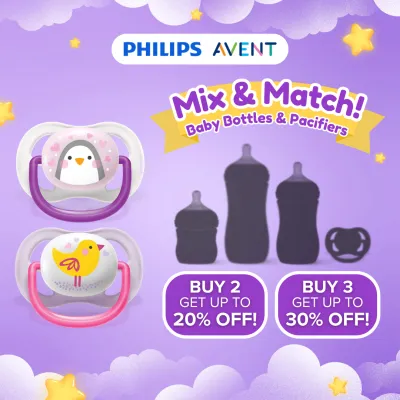
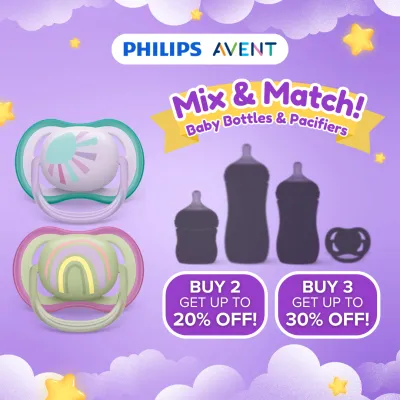
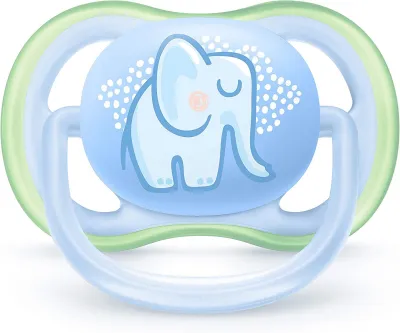
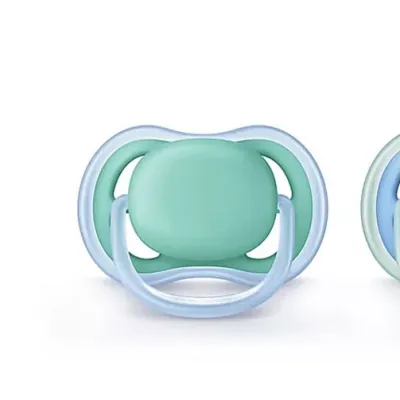
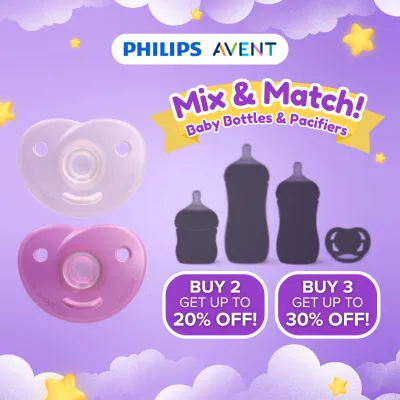
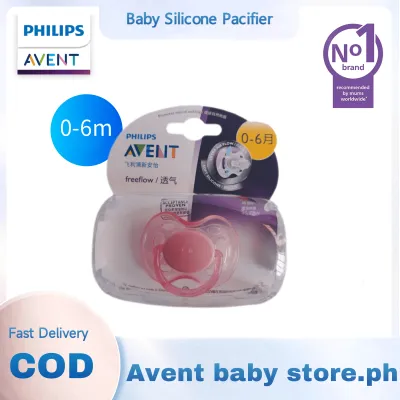
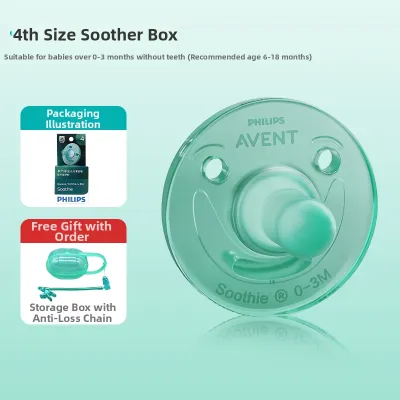
Prices are valid at publication and may change. Please refer to the product page for the latest price.
Rounded nipples, on the other hand, feature a more traditional bulb-like shape. Some infants naturally prefer this shape because it provides a consistent, familiar feel that closely resembles certain bottle nipples or a relaxed breast. If your baby struggles to maintain a secure seal on an orthodontic nipple, a rounded shape may offer the specific latch feel they need to soothe effectively.
The material of the pacifier nipple is equally important for safety and comfort. Philips Avent utilizes medical-grade silicone for its pacifiers. This material is highly durable, flexible, and completely taste-free and odor-free, making it highly acceptable to sensitive newborns. Unlike latex, medical-grade silicone does not degrade quickly when exposed to heat or sunlight, and it is less likely to trigger allergic reactions.
Before introducing any pacifier to your baby, it is essential to verify the age grading and safety labels directly on the physical packaging. Always look for the “0-6m” designation to ensure the nipple size and shield weight are appropriate for a young infant. Additionally, confirm that the product is labeled as BPA-free to ensure it meets modern safety standards for chemical exposure. Never rely solely on the product name or online descriptions; physical packaging verification is the safest practice.
Comparing Key Philips Avent Pacifier Designs
Philips Avent has developed several distinct pacifier lines to address the varying needs of young infants. While the core nipple shapes remain consistently supportive of oral development, the structural design of the shields varies significantly across the different models. The shield is the outer plastic or silicone guard that prevents the pacifier from being swallowed and rests against your baby’s delicate facial skin.

The primary differences among these designs lie in their flexibility, weight, and the amount of surface area that comes into contact with the skin. In warm and humid tropical climates, such as in the Philippines, the choice of shield design becomes even more critical. Trapped sweat, saliva, and friction can quickly lead to skin irritation, making ventilation and shield flexibility key factors in your decision-making process.
Ultra Soft and Ultra Air: Focus on Skin Sensitivity and Airflow
The Ultra Soft series is specifically engineered for babies with highly sensitive skin. This design features a patented flexible shield that curves to match the natural contours of your baby’s cheeks. By flexing slightly with the baby’s facial movements, the shield distributes pressure more evenly, which helps minimize the appearance of red marks, deep indentations, and localized skin irritation.
For babies who experience significant drooling or sweat buildup, the Ultra Air series offers an alternative solution focused on maximum ventilation. The shield of the Ultra Air pacifier is integrated with four extra-large air holes. These generous vents allow a continuous flow of air to reach the baby’s skin, keeping the perioral area dry and comfortable even during extended soothing sessions.
If your baby is prone to drool rash, heat rash, or contact dermatitis around the mouth, prioritizing the Ultra Air line can help manage moisture buildup. The enhanced airflow is particularly beneficial during sleep or in humid weather, as it prevents saliva from pooling against the skin. Conversely, if your baby has delicate skin that is easily marked by rigid plastics, the Ultra Soft’s pliable shield provides a gentler, more cushioned contact point.
Soothie and Compact Shields: Focus on Durability and Latch Feel
The Soothie series represents a distinct approach to pacifier design, featuring a one-piece construction made entirely of medical-grade silicone. This hospital-grade model is widely utilized in clinical settings for newborns due to its simplicity and durability. Because it is molded from a single piece of silicone, there are no joints, seams, or crevices where dirt, moisture, or bacteria can easily accumulate, making it exceptionally hygienic and easy to clean.
For very small newborns, traditional pacifier shields can sometimes appear bulky or press against the nose, potentially obstructing breathing. To address this, compact shield designs are tailored specifically to fit smaller infant faces. These shields are contoured to curve away from the nose, ensuring that your baby’s airway remains completely clear while they soothe.
The Soothie’s round nipple shape and sturdy, one-piece design provide a unique latch feel that can be highly beneficial for babies transitioning between breast, bottle, and pacifier. The firm, consistent texture of the silicone nipple helps satisfy a strong sucking reflex. However, because the Soothie is slightly heavier than multi-piece plastic-shield pacifiers, some younger infants may require more effort to keep it in their mouths initially.
How to Match the Pacifier to Your Baby's Real-Time Feedback
Finding the perfect pacifier is often a process of careful observation and adjustment. Your baby will provide clear, real-time feedback regarding their comfort and preferences. If your baby frequently spits out the pacifier, gags, or struggles to maintain a secure seal, this is often a sign that the nipple shape or weight is not matching their current oral mechanics.
If you observe your baby struggling with an orthodontic nipple, try introducing a rounded nipple shape, such as the Soothie, to see if the familiar bulb shape is easier for them to grasp. Conversely, if your baby seems to tire quickly or drops a heavier one-piece silicone pacifier, switching to a lightweight plastic-shield model like the Ultra Soft may help them maintain a comfortable hold without fatigue.
Skin reactions are another critical indicator that requires immediate attention. Regularly inspect the skin around your baby’s mouth after they use a pacifier. If you notice red rings, deep pressure marks, or a bumpy, red rash, this indicates that moisture is being trapped or the shield is pressing too firmly against the skin. In these scenarios, you should transition to the Ultra Air for better ventilation or the Ultra Soft to reduce mechanical pressure.
For families who are exclusively breastfeeding, the timing and method of introducing a pacifier should be approached with care. It is generally recommended to wait until breastfeeding is well-established—typically around three to four weeks after birth—before introducing any artificial nipple. This helps prevent nipple confusion and ensures that your baby’s latch mechanics are fully developed.
If you experience persistent challenges with feeding, latching, or pacifier acceptance, do not hesitate to consult a pediatrician or a certified lactation consultant. These professionals can evaluate your baby’s oral anatomy, check for conditions like tongue-tie, and provide personalized recommendations on shape selection and usage limits to ensure that pacifier use does not interfere with healthy feeding routines.
Safety Checks, Hygiene, and Replacement Guidelines
Ensuring the safety and hygiene of your baby’s pacifier is a daily responsibility that requires consistent attention. Before every single use, you must perform a thorough visual and physical inspection of the pacifier. This is commonly referred to as the “pull test.” Grasp the nipple of the pacifier firmly and pull it in all directions, checking carefully for any signs of tearing, cracking, thinning, or structural weakness.
If you detect even the slightest micro-tear, discoloration, or change in the texture of the silicone, you must discard the pacifier immediately. A damaged nipple can pose a severe choking hazard if a piece detaches while the baby is sucking. This inspection is particularly crucial once your baby begins to drool more heavily or show early signs of teething, as their gums can exert significant pressure on the material.
Proper sterilization is vital to protect your infant’s developing immune system from harmful pathogens. Always refer to the manufacturer’s specific sterilization instructions printed on the product packaging. Philips Avent pacifiers typically come with a carrying case that doubles as a microwave steam sterilizer. To use this method safely, add the specified amount of water to the case, insert the pacifiers, and microwave according to the exact time and power guidelines provided.
Alternatively, you can sterilize the pacifiers by boiling them in water for five minutes, ensuring they do not touch the sides of the pot to prevent melting. Allow the pacifier to cool completely and squeeze out any trapped water from the nipple before giving it to your baby. Never use harsh chemical detergents, abrasive cleaning pads, or UV sterilizers unless explicitly approved by the manufacturer’s documentation.
Even with meticulous care, pacifiers do not last indefinitely. Over time, exposure to saliva, heat, and sterilization will cause the silicone to degrade. As a general safety standard, manufacturers recommend replacing pacifiers every four weeks. If the pacifier becomes sticky to the touch, loses its elasticity, or shows persistent cloudiness that cannot be cleaned, it has reached the end of its safe lifespan and must be replaced.
Frequently Asked Questions (FAQ)
Can I use a 6-18 month Avent pacifier for my 5-month-old?
No, you should strictly avoid using a pacifier designed for older babies. The nipple of a 6-18 month pacifier is larger, longer, and firmer than the 0-6 month version, which can pose a significant choking hazard for a younger infant. Additionally, the larger shield may press against your 5-month-old’s nose, potentially obstructing their airway. Always check the exact age range printed on the product box and wait until your baby has fully reached the specified age milestone before upgrading the size.
Do Philips Avent pacifiers interfere with breastfeeding?
While many breastfed babies use pacifiers successfully, introducing an artificial nipple too early can sometimes impact the breastfeeding relationship. To minimize this risk, healthcare professionals generally advise waiting until breastfeeding is fully established and your baby is gaining weight consistently before introducing a pacifier. If you observe any changes in your baby’s breastfeeding latch, or if they begin to struggle with milk transfer, temporarily discontinue pacifier use and consult a lactation consultant or pediatrician for personalized guidance.
Community discussion
Share your experience or ask a question. Comments are reviewed before publication.