
Quick Answer: Which Philips Avent Pump is Right for You?
Choosing between a manual and an electric philips avent pump depends entirely on your daily routine, pumping frequency, and budget. There is no single option that excels in every scenario, as both types are designed to support different stages of your breastfeeding journey.
Manual breast pumps are highly portable, completely silent, and cost-effective, making them the ideal choice for occasional expression, travel, or relieving engorgement on the go. Electric breast pumps, available in single or double configurations, automate the expression process to save time and effort. They are best suited for mothers returning to full-time work, those who pump exclusively, or anyone looking to build a robust milk supply efficiently.
Assessing Your Breastfeeding Routine and Budget
To determine which pump type fits your lifestyle, start by evaluating your daily schedule and long-term feeding goals. In the Philippines, many working mothers transition back to their jobs after the standard 105 days of maternity leave. Under the Expanded Breastfeeding Promotion Act (Republic Act 10028), workplaces are mandated to provide lactation stations and paid break intervals for expressing milk. If you plan to pump multiple times a day at your office, speed and efficiency will likely be your primary concerns.
Products mentioned in this guide
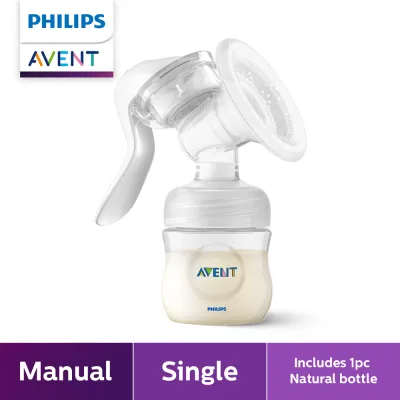
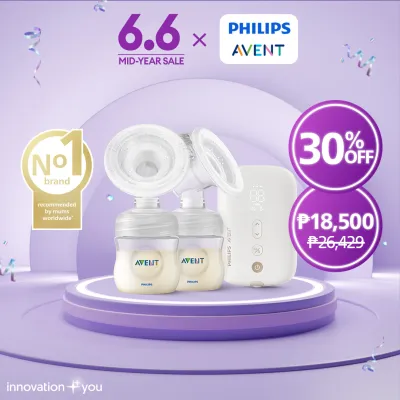
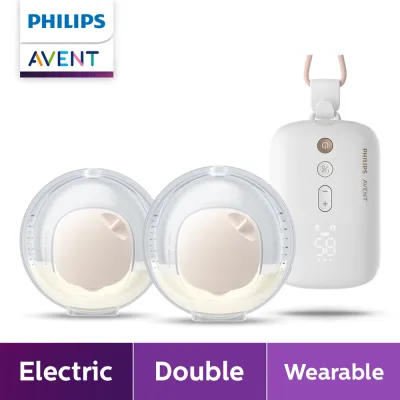
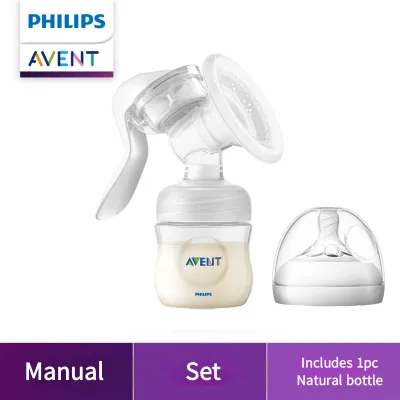

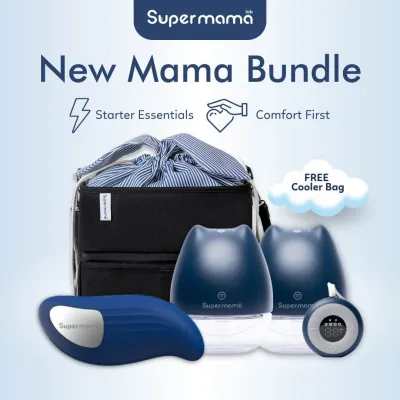
Prices are valid at publication and may change. Please refer to the product page for the latest price.

Consider the environment where you will express milk. If you have access to a private, dedicated lactation room with electrical outlets, an electric pump is highly convenient. However, if you travel frequently, commute on public transport, or live in an area prone to seasonal power interruptions, relying solely on an electric model can introduce unexpected stress. A manual pump requires no power source, offering peace of mind during unexpected brownouts.
Your budget is another critical factor in this decision. The initial purchase price is only the first step, as electric models represent a larger upfront investment compared to manual alternatives. Additionally, you must factor in the long-term cost of consumable accessories. Over months of regular use, parts like silicone valves, diaphragms, and massage cushions wear out and lose their elasticity. Because these components must be replaced periodically to maintain optimal suction, evaluating the availability and cost of replacement parts is essential for a sustainable pumping routine.
Philips Avent Manual Pumps: Pros, Cons, and Best Use Cases
Manual breast pumps from the Philips Avent lineup are designed for simplicity, portability, and complete user control. These models feature an ergonomic handle that allows you to manually control the pumping rhythm and suction strength. By mimicking your baby’s unique suckling pattern through manual compression, you can customize the experience to trigger your let-down reflex naturally.
The defining advantage of a manual pump is its lightweight, compact design. It easily slips into a standard diaper bag or work tote without adding significant weight or bulk. Because it operates without a motor, wires, or batteries, it is completely silent. This allows you to express milk discreetly in shared spaces, during travel, or right next to your sleeping baby without disturbing them.
Despite these benefits, manual pumping requires continuous physical effort. Expressing milk from both breasts using hand power can lead to hand and wrist fatigue, particularly during the early weeks postpartum when your body is still recovering. Additionally, manual expression is inherently slower than using a motorized system, as you can only pump one breast at a time.
These characteristics make the manual pump an excellent choice for specific scenarios. It is ideal for mothers who primarily direct-feed and only need to pump occasionally, such as when leaving the baby with a caregiver for a few hours. It also serves as a reliable, electricity-free backup to keep in your travel kit or diaper bag. Before purchasing, verify the included flange size in the product documentation to ensure a proper fit, as a correct seal is vital for comfort and milk flow.
Philips Avent Electric Pumps: Pros, Cons, and Best Use Cases
Electric breast pumps are engineered to maximize milk expression efficiency with minimal physical effort. These models feature motorized suction that automates the expression cycle, allowing you to sit back and relax during your sessions. Modern Philips Avent electric pumps utilize Natural Motion technology, which combines gentle suction and nipple stimulation to mimic a baby’s natural drinking motion, helping to initiate milk flow quickly.
The primary benefit of electric models is their speed and high-volume capability. Double electric pumps allow you to express from both breasts simultaneously, which can cut your pumping time in half. This simultaneous stimulation can also promote higher prolactin levels, helping to maintain or increase your overall milk yield over time. With adjustable suction and stimulation settings, you can easily customize the rhythm to match your comfort level.
However, these advanced features come with trade-offs. Electric pumps require a higher upfront financial investment and consist of more components, including a motor unit, tubing, and power adapters. While many modern models feature rechargeable batteries or USB power options, you remain dependent on power sources. Additionally, even the quietest motors produce an audible hum, which may affect your ability to pump discreetly in quiet office settings.
Electric pumps are highly recommended for mothers who pump frequently or exclusively. If you are returning to a full-time job, managing a low milk supply, or building a robust freezer stash, the efficiency of an electric model is invaluable. To maximize comfort and discretion in the office, consider pairing your electric pump with a specialized hands-free pumping bra, which keeps the bottles securely in place and frees up your hands.
Head-to-Head Comparison: Key Differences That Matter
Comparing manual and electric models across essential operational dimensions helps clarify which option aligns best with your daily needs.
| Dimension | Philips Avent Manual Pump | Philips Avent Electric Pump |
|---|---|---|
| Pumping Speed & Efficiency | Slower; single expression only; requires continuous manual hand effort. | Faster; supports simultaneous double pumping; fully automated expression. |
| Portability & Power | Extremely lightweight; pocket-sized; requires no electricity, cords, or batteries. | Heavier motor unit; requires access to electrical outlets, USB power, or rechargeable batteries. |
| Noise Level | Completely silent; ideal for discreet pumping anywhere. | Soft, rhythmic motor hum; audible in quiet rooms or shared spaces. |
| Setup & Cleaning | Fewer parts; quick to assemble, wash, and sterilize. | More parts (tubing, motor connectors); requires careful cleaning of non-washable components. |
| Cost & Value | Budget-friendly; lower upfront cost. | Mid-to-high investment; higher upfront cost but high long-term utility for daily use. |
Pumping Speed and Efficiency
An electric pump automates the suction cycle, maintaining a consistent rhythm that is difficult to sustain manually over a 20-minute session. Double electric models further compress your schedule, making them indispensable when you have limited break times at work.
Portability and Discretion
While electric pumps have become increasingly compact, they cannot compete with the sheer simplicity of a manual pump. A manual pump has no cords or heavy motor blocks, allowing you to slip it out of your bag and use it instantly in a car, an airplane, or a quiet corner without searching for an outlet.
Noise Level
The mechanical hum of an electric pump’s motor is a key consideration for shared workspaces or nighttime pumping. If absolute silence is necessary to maintain your privacy or avoid waking your household, the manual pump is the undisputed winner.
Setup, Cleaning, and Assembly
Proper hygiene is paramount, especially in warm, humid tropical climates where bacteria can multiply rapidly. Manual pumps have fewer components, making them simpler to wash, dry, and sterilize after each use. Electric pumps feature extra components like tubing and electrical connectors that must never get wet, requiring a more meticulous cleaning routine.
Cost and Value
Consider your long-term feeding plan when evaluating cost. While a manual pump is highly affordable, using it daily for multiple months may lead to physical strain. Investing in an electric pump offers better long-term value if you plan to express milk multiple times a day for a year or more, saving you hours of physical labor.
Decision Framework: How to Make Your Final Choice
Your final choice should align with your daily physical demands, your environment, and your baby’s feeding schedule. Use the following guidelines to finalize your decision.
Choose a Manual Pump if:
- You primarily direct-feed your baby and only need to express milk occasionally to relieve engorgement or prepare for short outings.
- You operate on a strict budget and want a reliable, high-quality pump without a large upfront financial commitment.
- You travel frequently to areas with limited electrical infrastructure or experience frequent power outages.
- You prioritize absolute silence and discretion above all else.
Choose an Electric Pump if:
- You are returning to a full-time job and need to pump efficiently during scheduled office breaks.
- You are exclusively pumping or need to build and maintain a large milk stash for a caregiver to use daily.
- You struggle to trigger a let-down reflex and require customizable suction and stimulation modes to assist milk flow.
- You want to minimize physical hand and wrist strain during long postpartum recovery periods.
Verify First if:
- You are uncertain about your correct flange size. Using an ill-fitting flange can cause severe nipple pain, tissue damage, and a sudden drop in milk expression. Always measure your nipple diameter and refer to Philips Avent's sizing guides.
- You experience persistent pain, bleeding, or unusually low milk output during pumping. These symptoms are not normal. Stop using the device immediately and consult a certified lactation consultant or your healthcare professional to assess your latch, pump settings, and overall breast health.
- You are purchasing your pump online. To ensure product safety, medical-grade hygiene, and valid warranty coverage, buy only from authorized local distributors or official brand stores. Avoid unverified third-party sellers on online marketplaces to protect yourself from counterfeit goods.
Frequently Asked Questions (FAQ)
Can I use a manual pump to build a full freezer stash?
While it is physically possible to build a freezer stash using a manual pump, doing so requires significant time, patience, and physical effort. Because manual pumping is limited to one breast at a time and relies entirely on hand power, it can quickly lead to fatigue if done multiple times a day. If your goal is to build a large milk reserve efficiently, an electric pump is highly recommended as your primary tool, while a manual pump serves as an excellent portable companion.
Are Philips Avent pump parts interchangeable between manual and electric models?
Philips Avent design principles allow for excellent compatibility among their bottles, storage cups, and teats, meaning you can easily pump directly into the same bottle your baby drinks from. However, functional pumping components—such as the motor unit, silicone tubing, electrical adapters, and manual handles—are not interchangeable between manual and electric models. Always consult your specific product manual or contact authorized customer service before purchasing replacement valves, diaphragms, or cushions to ensure safe and airtight compatibility.
Community discussion
Share your experience or ask a question. Comments are reviewed before publication.