
Quick Answer: Is Petroleum Jelly Safe for Your Baby's Skin?
Highly refined, cosmetic-grade petroleum jelly is widely considered safe for baby skin, but its safety is entirely conditional on proper selection and application. Parents must verify that the product is 100% pure white petrolatum, free from added fragrances, dyes, or botanical extracts that could trigger allergic reactions on sensitive skin.
While it serves as an excellent protective barrier, it is not a universal remedy. It should be avoided on active skin infections, weeping wounds, or specific dermatological conditions unless a healthcare professional advises otherwise. Checking the manufacturer’s label for age recommendations and purity certifications is a vital first step before introducing any new skincare product to an infant’s routine.
How Petroleum Jelly Works on Infant Skin
To use petroleum jelly effectively, it helps to understand its physical mechanism. Petroleum jelly is an occlusive agent, meaning it does not add moisture or actively hydrate the skin. Instead, it forms a thick, hydrophobic layer over the skin’s surface. This physical barrier traps the skin’s natural moisture underneath, preventing transepidermal water loss and keeping the skin supple.
Products mentioned in this guide
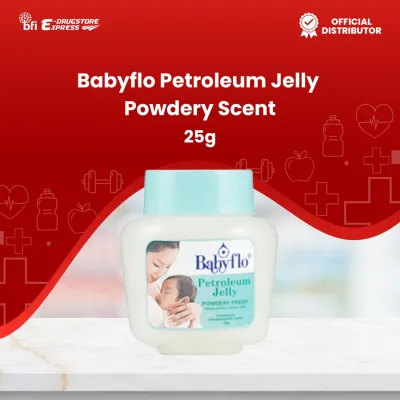
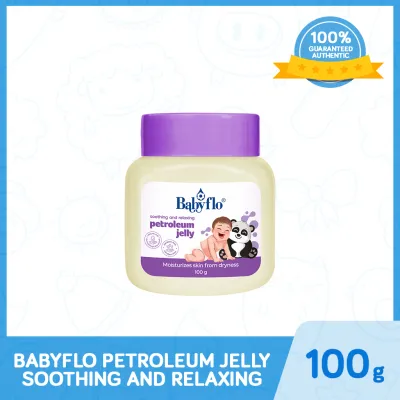
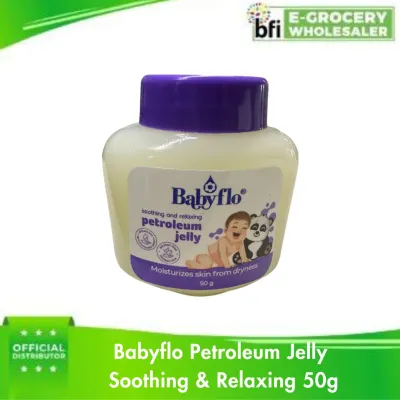
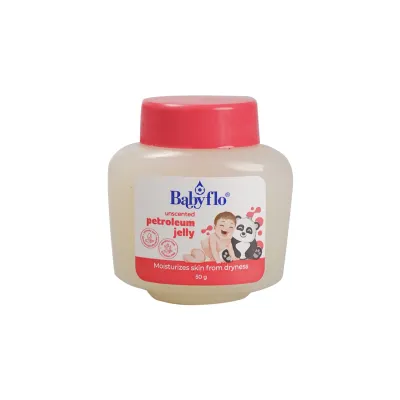
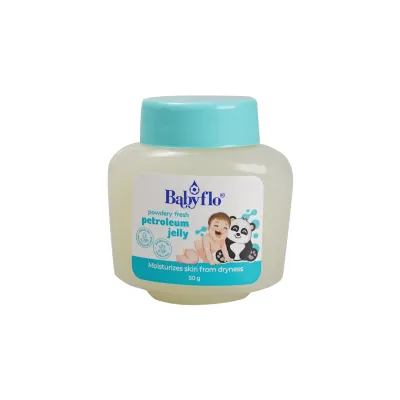
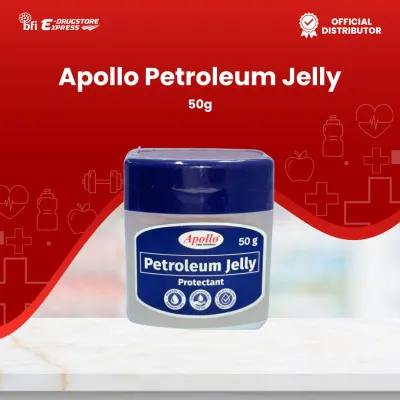
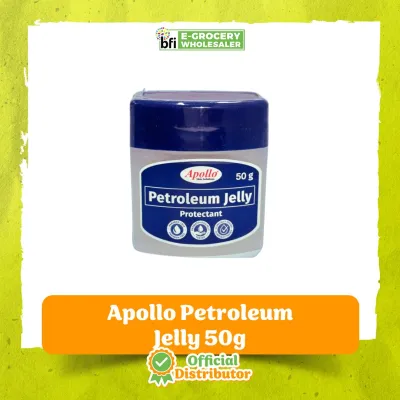
Prices are valid at publication and may change. Please refer to the product page for the latest price.

This barrier function is particularly useful for protecting delicate infant skin from external irritants. In a tropical climate like the Philippines, where high humidity and heat are constant, babies are prone to friction from clothing and wetness from frequent diaper changes. The jelly acts as a shield, preventing urine, feces, and sweat from directly irritating the skin barrier.
However, this occlusive nature also presents a significant limitation. Because it seals the skin completely, petroleum jelly must never be applied to dirty, unwashed, or sweaty skin. Doing so traps bacteria, yeast, and sweat against the skin surface. In warm weather, this can quickly lead to clogged sweat glands, irritation, or localized infections, turning a protective measure into a source of discomfort.
When to Consider Using Petroleum Jelly for Your Baby
There are several common scenarios where applying petroleum jelly can benefit your baby’s skin, provided you verify the product’s suitability on the label first. Diaper rash prevention is perhaps the most frequent application. By applying a thin layer of petroleum jelly during diaper changes, you create a reliable moisture barrier that shields the baby’s sensitive skin from the acidic nature of waste.
Another common use is managing localized dry patches, mild chafing, or minor skin irritation. Babies often develop dry spots on their elbows, knees, or ankles as they begin to crawl and interact with different surfaces. A small amount of pure petrolatum can help protect these areas from further friction while the skin heals naturally.
Teething and heavy drooling phases also present a perfect opportunity for barrier protection. Excess saliva can pool around a baby’s chin, cheeks, and neck, leading to painful drool rashes. Applying a very light layer of petroleum jelly to these exposed areas before naps or outdoor walks can prevent saliva from irritating the skin, though caregivers must take care to avoid the area directly around the mouth.
Safety Precautions and Potential Risks to Watch For
While petroleum jelly is a staple in many households, parents must observe strict safety precautions to prevent accidental harm. The most critical risk associated with petroleum-based products is aspiration. Caregivers must never apply petroleum jelly inside or directly around the baby’s nose, mouth, or ears. If a baby accidentally inhales even small amounts of petrolatum, it can travel to the lungs and cause lipid pneumonia, a serious respiratory condition.
Skin reactions are another potential concern, particularly in warm, humid environments. Applying thick occlusive barriers over large areas of the baby’s body can interfere with the skin’s natural ability to sweat and cool down. This can trap heat and moisture in the sweat ducts, resulting in heat rash, also known as prickly heat or miliaria. To minimize this risk, limit applications to small, localized areas of concern rather than coating the baby’s entire body.
Purity is a paramount consideration when selecting a product. Only use petroleum jelly that is explicitly labeled as highly refined, cosmetic-grade, or 100% pure white petrolatum. Unrefined or industrial-grade petroleum products can contain harmful impurities, including polycyclic aromatic hydrocarbons, which are unsafe for human contact. Always inspect the packaging for clear manufacturing details, safety seals, and reputable brand labeling.
How to Choose and Apply Petroleum Jelly Safely
When shopping for baby skincare products at a local pharmacy or through an online marketplace, reading labels carefully is your best defense. Look for formulations that are explicitly fragrance-free, hypoallergenic, and free from unnecessary additives like parabens or phthalates. Some products may also feature labels indicating they are pediatrician-tested or dermatologist-approved, which are helpful indicators to verify on the packaging. While basic petroleum jelly is highly affordable, often costing under ₱100 for a small tub, parents should prioritize purity and safety over price.
Proper application technique is essential to ensure the product works as intended without causing adverse effects. Always begin by washing your hands thoroughly. Clean the baby’s target skin area gently with mild, fragrance-free soap and water, then pat it completely dry with a clean, soft towel. Applying petroleum jelly to damp skin can trap unwanted moisture, creating a breeding ground for bacteria and yeast, especially in the diaper area. Apply only a thin, even layer to the dry skin.
Maintaining strict hygiene with the product container is also vital to prevent bacterial contamination. If you are using a jar, avoid double-dipping your fingers after touching the baby’s diaper area. Consider using a clean, disposable spatula to scoop out the product, or opt for a squeeze tube format, which naturally minimizes contact with the remaining jelly. Store the container in a cool, dry place away from direct sunlight to prevent the product from melting or degrading.
When to Stop Use and Consult a Pediatrician
Although petroleum jelly is generally well-tolerated, parents must remain vigilant and monitor their baby’s skin for any signs of an adverse reaction. Discontinue use immediately if you notice new redness, swelling, warmth, itching, or if an existing rash appears to worsen after application. These symptoms could indicate an allergic reaction or a localized skin infection that requires professional attention.
There are specific skin conditions where occlusive products like petroleum jelly are strictly contraindicated. Never apply it to deep puncture wounds, animal bites, severe burns, or areas with active fungal or bacterial infections, such as ringworm or impetigo. Trapping pathogens under a heavy, airtight barrier can exacerbate these infections and delay proper healing.
Ultimately, a pediatrician should always be consulted for persistent skin issues, spreading rashes, or if the baby shows signs of systemic discomfort, such as a fever or unusual irritability. Over-the-counter barrier creams and jellies are designed for prevention and mild protection; they are not substitutes for professional medical diagnosis and targeted prescription treatments.
Frequently Asked Questions (FAQ)
Can I use petroleum jelly on a newborn's umbilical cord stump?
The general guideline for newborn umbilical cord care is to keep the stump clean and dry to allow it to dry up and fall off naturally. Applying petroleum jelly or other occlusive products to the umbilical cord stump is typically avoided because it can trap moisture and bacteria, potentially increasing the risk of infection or delaying the natural healing process. Always consult your pediatrician for specific cord care instructions.
Is petroleum jelly effective for treating cradle cap?
Petroleum jelly can sometimes be used to help loosen the dry, crusty scales associated with cradle cap. If you choose to use it, apply a very small amount to the affected areas of the scalp shortly before bath time to soften the scales. However, it is crucial to wash the product out thoroughly with a mild baby shampoo. Leaving heavy, greasy substances on the scalp can clog pores and hair follicles, which may worsen the condition.
Does petroleum jelly expire, and is it safe to use past its date?
Yes, petroleum jelly can degrade over time. Always check the packaging for an expiration date or the Period After Opening (PAO) symbol, which indicates how many months the product remains stable after it is first opened. Do not use the product past its expiration date or if you notice changes in its color, consistency, or smell. If the jelly looks watery, cloudy, or develops an unusual odor, dispose of it immediately to avoid exposing your baby’s skin to contaminated or degraded product.

Community discussion
Share your experience or ask a question. Comments are reviewed before publication.