
Finding a balance between managing household expenses and keeping your baby comfortable is a constant priority for parents in the Philippines. With diaper costs making up a significant portion of the monthly baby budget, many families are looking at budget-friendly diaper pants like Penbose as potential alternatives to premium household names like Pampers and Huggies. While switching to a more affordable brand can offer substantial financial relief, determining whether it is a suitable choice for your baby depends on how well the diaper performs in key areas like absorbency, fit, and skin compatibility under local tropical conditions.
Rather than viewing budget diaper pants as an identical substitute for premium options, it is more practical to evaluate them as functional alternatives that can serve specific daily purposes. A successful transition relies on understanding the trade-offs, testing the product systematically, and observing how your baby’s skin reacts to the materials. By taking a structured approach to comparing these brands, you can decide if making the switch will truly save you money or if a hybrid diapering strategy is the better path forward for your family.
What to Expect from a Budget-Friendly Diaper Alternative
When you begin exploring budget-friendly diaper pants, managing your expectations is the first step toward a successful transition. Premium brands like Pampers and Huggies invest heavily in proprietary technologies, such as ultra-thin absorbent cores, specialized channels that distribute wetness evenly, and hypoallergenic lotions infused into the inner lining. Budget-friendly alternatives typically focus on delivering the core necessities of diapering—basic containment and moisture absorption—while omitting these high-end, proprietary features to keep production costs low.
Products mentioned in this guide
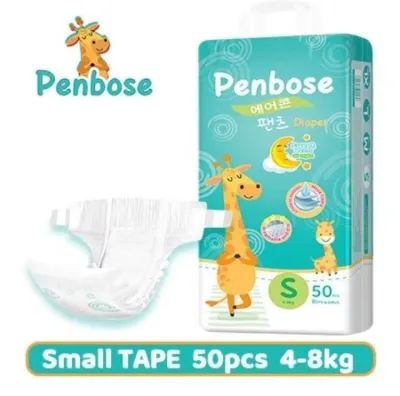
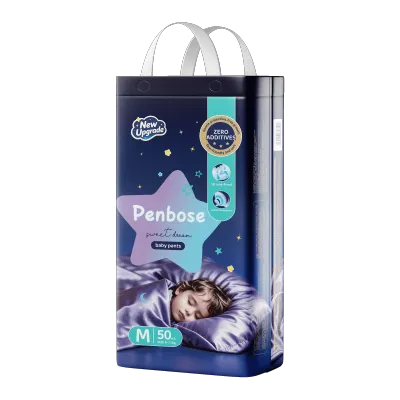
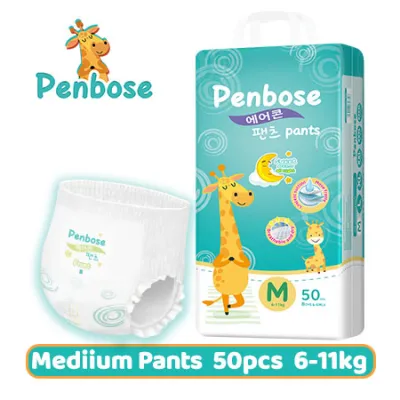
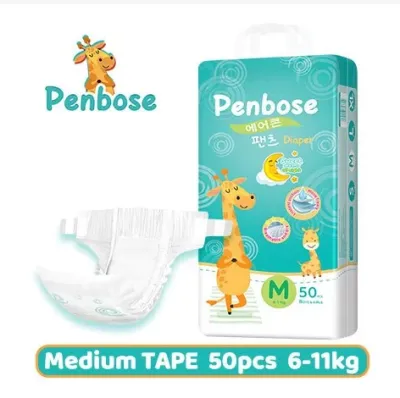
Prices are valid at publication and may change. Please refer to the product page for the latest price.
The primary goal of switching to an alternative brand is to achieve a practical balance between cost savings and your baby’s daily comfort. In a humid tropical climate, a diaper must be changed frequently to prevent heat rash and irritation, regardless of how advanced its absorbent core is. Because of this, a budget diaper that requires slightly more frequent changes can still be highly economical, provided it keeps the skin reasonably dry and fits securely.
To ensure you are not compromising on safety, always look past the marketing claims on the front of the packaging and inspect the official product labels. Check for listed material compositions, manufacturing details, and any verified safety or quality certifications. Knowing exactly what materials touch your baby’s skin allows you to make an informed decision based on facts rather than brand reputation alone.
How to Evaluate Absorbency, Fit, and Comfort
Evaluating how well diaper pants perform requires active observation during the first few days of use. Because every baby has a unique body shape and wetting pattern, a diaper that works well for one family might not perform the same way for yours.

Absorbency and Leak Protection To assess absorbency, observe how the diaper pants handle heavy wetting, particularly during active play or naptime. Look closely at whether the core sags excessively when wet, which can pull the diaper down and create gaps around the waist. Inspect the leg cuffs and the waistband elasticity; these areas should hug your baby’s body snugly without being too tight. High-quality leak guards along the thighs should stand upright to catch liquid, preventing leaks during sudden movements.
Breathability and Material Feel In hot and humid weather, breathability is crucial for maintaining healthy skin. Feel the inner lining of the diaper with your hand to check if it feels soft or slightly plastic-like, as stiffer materials can cause friction against active legs. Touch the outer cover to evaluate its texture and thickness; thicker, bulkier diapers may trap more heat and moisture, whereas a lighter, more breathable outer layer helps heat escape. Note how warm or damp your baby’s skin feels immediately after you remove a wet diaper.
Fit and Sizing Sizing standards are rarely uniform across different diaper brands. A medium size in a premium brand may fit differently than a medium in a budget brand like Penbose. Before purchasing, check the weight range guidelines printed on the packaging, but use them only as a starting point. When your baby is wearing the diaper pants, check for the following fit indicators:
- The waistband sits comfortably above the hips without rolling down.
- The leg bands seal gently around the thighs without leaving deep red marks or indentations.
- There is enough room to slip two fingers easily under the waistband.
- The diaper covers the baby's bottom fully without riding up during movement.
Calculating the True Cost Per Diaper and Real Savings
A lower price tag on a box of diapers does not automatically translate to long-term savings. To determine the actual financial impact of switching to Penbose diaper pants, you need to look closely at the cost per unit and your daily usage patterns.
Cost-Per-Piece Analysis To find the true cost of any diaper, use this simple formula: divide the total price of the pack by the number of individual diapers inside. For example, if a pack costs ₱450 and contains 50 diapers, the cost per piece is ₱9.00. Perform this calculation for both your current premium brand and the budget alternative. Comparing these unit prices gives you a clear picture of the immediate savings per diaper change, which can then be multiplied by your average daily diaper usage to estimate monthly savings.
Hidden Costs of Budget Diapers While the cost per piece might be lower, you must also consider how many diapers you use each day. If a budget diaper has lower absorbency, you may find yourself changing your baby more frequently to prevent leaks or dampness. If you end up using eight budget diapers a day compared to five premium diapers, the increased volume of changes can quickly erase the initial price advantage. Keep a simple log for a few days to track whether your daily diaper consumption increases after making the switch.
Sourcing and Availability Another factor that influences the overall cost is how easily you can purchase the diapers. Premium brands are widely available in local supermarkets, convenience stores, and neighborhood pharmacies. Budget brands, however, may have less consistent stock in physical retail locations and are often sourced primarily through online marketplaces or specialized e-commerce platforms. When buying online, remember to factor in shipping fees, delivery times, and the potential need to buy in bulk to qualify for discounts, as these variables can affect your overall budget.
How to Safely Test a New Diaper Brand for Skin Sensitivities
Introducing any new product to your baby’s skin requires caution, as diaper rash can develop quickly if the materials or chemical compositions do not agree with their skin type. A systematic testing process helps minimize the risk of widespread irritation.
The Trial Phase Avoid the temptation to buy large bulk boxes of a new diaper brand just because they are on sale. Instead, purchase the smallest pack available, or look for trial packs online. This minimal initial investment ensures that if your baby experiences an adverse reaction, you are not left with a large supply of unusable diapers.
Monitoring Skin Health When you begin the trial, monitor your baby’s skin closely, especially during the first 48 hours. Check the diaper area during every change for early signs of sensitivity. Look for localized redness, dry patches, or small bumps, particularly along the high-friction zones where the elastic waistband and leg cuffs contact the skin. Ensure the skin is completely dry and clean before putting on the new diaper to avoid trapping existing moisture, which can skew your observations.
When to Stop and Revert If you notice persistent redness, a spreading rash, or signs of discomfort such as your baby pulling at the diaper, discontinue use immediately. Clean the area gently with water, allow the skin to air dry, and apply a protective barrier cream if necessary. Revert to your previously tolerated premium brand until the skin fully heals. If the irritation does not improve within a few days, or if it worsens, consult a pediatrician or healthcare professional for guidance.
When to Switch to Penbose and When to Stick with Premium Brands
Deciding whether to fully transition to an alternative brand or stick with premium options depends largely on your baby’s daily routine, age, and skin sensitivity. Many parents find that a flexible approach works best.
Ideal Scenarios for Budget Alternatives Budget-friendly diaper pants are highly practical for daytime use when your baby is awake and active. During the day, diapers are naturally changed more frequently—often every two to three hours—meaning the diaper rarely needs to reach its maximum absorbent capacity. Using a more affordable option during these active hours allows you to maintain excellent hygiene through frequent changes without putting a heavy strain on your wallet.
When Premium Brands May Be Necessary Premium brands remain highly valuable for situations that demand extended dryness and maximum leak protection. Overnight sleep is a prime example; a diaper that can reliably lock away moisture for ten to twelve hours is essential for uninterrupted rest. Similarly, long car trips, outdoor family outings, or situations where immediate changes are difficult call for the advanced absorbency of premium brands. Additionally, if your baby has extremely sensitive skin or a history of severe diaper rash, sticking with premium brands that feature specific dermatological testing and hypoallergenic materials is often the safest choice.
The Hybrid Approach You do not have to choose exclusively between budget and premium brands. A hybrid diapering strategy allows you to maximize savings while preserving your baby’s comfort. By using budget-friendly diaper pants like Penbose during the day and reserving premium brands like Pampers or Huggies for overnight use and travel, you can significantly lower your monthly diaper expenses without compromising on overnight sleep quality or skin health.
Frequently Asked Questions (FAQ)
Do Penbose diaper pants have a wetness indicator like Pampers or Huggies?
To verify if Penbose diaper pants include a wetness indicator, inspect the product packaging or examine an unused diaper for a vertical colored line running down the center. If the budget diaper does not feature this visual cue, you can easily manage diaper changes manually. Check the diaper regularly by gently feeling the outside of the core for heaviness or a gel-like squishiness, which indicates that the absorbent material has expanded and is ready to be changed.
Can I use Penbose diaper pants for my newborn?
Before using any diaper pants for a newborn, check the manufacturer’s size chart on the packaging to ensure they offer a size appropriate for your infant’s weight. Newborns require exceptionally soft materials and designs that accommodate their healing umbilical cord stump. If the budget brand does not explicitly feature an umbilical cord cutout or ultra-soft, hypoallergenic materials on its label, it is generally safer to stick with specialized newborn diapers from premium brands during the first few weeks of life.

Community discussion
Share your experience or ask a question. Comments are reviewed before publication.