
Choosing the right toddler formula for your child in the Philippines requires looking past colorful packaging and focusing on your child’s specific developmental stage, daily diet, and pediatric advice. While Pedisure 3 Plus, Nido 3, and Enfagrow 4 are popular options on supermarket shelves, they serve different dietary purposes. Some are formulated as standard growing-up milks to complement a regular diet, while others are designed as nutrient-dense specialty supplements for children with specific nutritional gaps. By learning how to read the nutrition facts panel, calculate the actual cost per serving, and monitor your child’s physical response, you can make an informed decision that supports their growth.
Understanding the Contenders: Age Ranges and Formula Categories
Before comparing nutritional values, it is essential to verify the exact age recommendations printed on each product’s packaging. Pedisure 3 Plus and Nido 3 are typically marketed for children aged three years and older, whereas Enfagrow 4 is designed for children aged four years and older. Giving a child a formula designed for an older or younger age group can lead to nutritional imbalances, as the vitamin and mineral concentrations are calibrated for specific developmental milestones. Always inspect the physical label of the exact tin or box you hold in your hand to confirm its classification and intended age group.
It is equally important to distinguish between standard growing-up milk and specialized nutritional supplements based on official label claims. Standard growing-up milks are meant to be consumed alongside a balanced diet of solid foods, acting as a simple liquid supplement to fill minor gaps. Specialized nutritional supplements, on the other hand, often contain higher caloric densities or specific nutrient ratios intended for children who struggle to meet their daily requirements through solid food alone. Misclassifying these products can lead to overfeeding or undernourishing your child.
Products mentioned in this guide

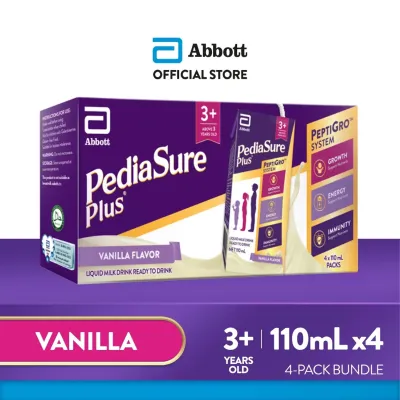
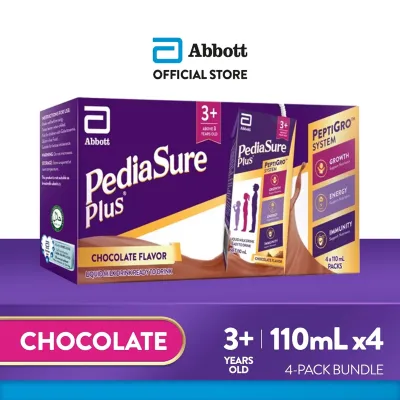
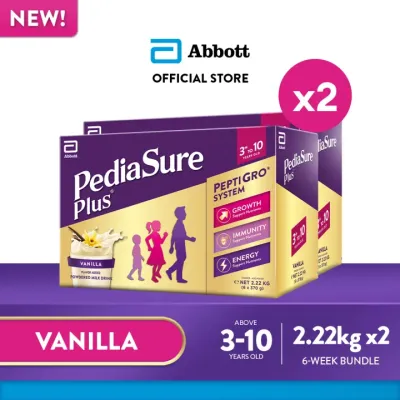
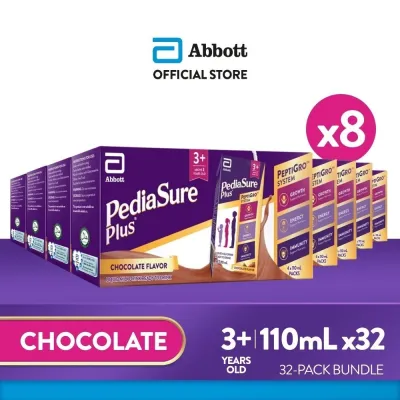
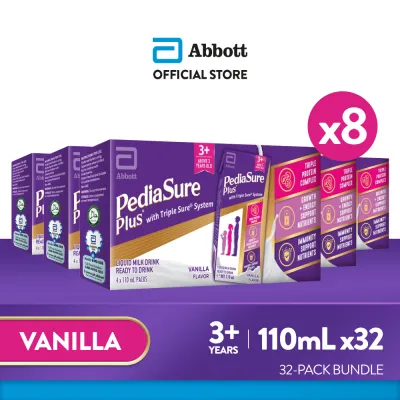
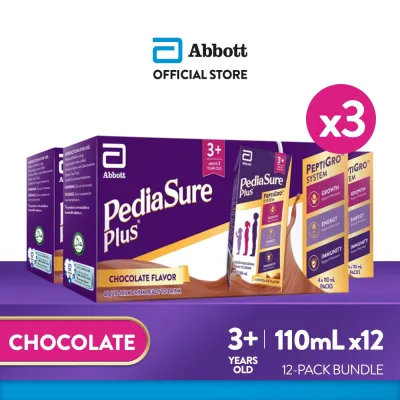
Prices are valid at publication and may change. Please refer to the product page for the latest price.
Product names, branding, and exact formulations can vary by batch, manufacturing origin, or region. A product purchased online might have different specifications than one bought at a local supermarket in Manila. Always read the ingredient list and nutrition facts panel on the physical packaging of the specific variant you purchase to ensure it matches your expectations and your child’s needs.
Key Decision Factors: What to Check on the Nutrition Label
When evaluating toddler formulas, the nutrition facts panel is your most reliable tool. Start by comparing the macronutrient ratios—protein, fats, and carbohydrates—per serving size rather than per 100 grams. Comparing values without standardizing the serving size can be highly misleading, as scoop sizes and dilution instructions vary significantly between brands. Look at how much protein and fat each serving delivers to ensure it aligns with your child’s daily dietary goals.

Next, identify the key micronutrients relevant to toddler development, such as iron, calcium, and vitamin D, and verify their declared amounts. Toddlers in the Philippines often require support in these areas to support bone development and prevent deficiencies. Note the percentage of the daily recommended intake that each serving provides. Keep in mind that higher percentages are not always better; your child should still get the majority of their nutrients from a diverse diet of solid foods.
Finally, check the ingredient list carefully for added sugars, artificial flavors, or specific allergens. Manufacturers sometimes use sucrose, corn syrup solids, or maltodextrin to enhance flavor or increase caloric density. If you prefer to limit your child’s intake of added sugars, comparing these lists is essential. Additionally, look for common allergens like soy, lactose, or cow’s milk protein, especially if your child has a sensitive digestive system or a family history of food sensitivities.
Matching the Formula to Your Child's Dietary Needs
Your child’s current eating habits should heavily influence your choice of formula. If your child is a picky eater who frequently misses out on solid meals, they may benefit from a formula that offers higher caloric density and a broader spectrum of vitamins. Conversely, if your child eats a well-balanced diet of rice, vegetables, and proteins, a standard growing-up milk with lower caloric density may be more appropriate to avoid excessive calorie intake and preserve their appetite for family meals.
Carefully read the label warnings for common intolerances, such as lactose or cow’s milk protein, and verify suitability before purchase. Lactose intolerance or sensitivities can cause significant discomfort, bloating, or skin issues. If your child shows signs of sensitivity, look for specialized lactose-free or hypoallergenic alternatives, rather than standard toddler formulas, and discuss these symptoms with a professional.
Always consult a pediatrician before introducing a new formula or switching brands, especially for children with underlying health conditions or restricted diets. A qualified healthcare professional can assess your child’s growth chart, identify actual nutritional gaps, and recommend the precise type of formula that aligns with their developmental needs. They can also help you determine if a formula is even necessary for your child’s current growth trajectory.
Evaluating Cost, Sizing, and Purchasing Channels in the Philippines
To understand the true financial commitment of a formula, do not just compare the retail price of the tin. Calculate the cost per serving or cost per gram using current local retail prices in ₱. To do this, divide the retail price by the total weight of the package, or divide the price by the number of servings indicated on the nutrition facts panel. This reveals the true long-term cost of feeding, as some seemingly cheaper options may require larger scoops or more frequent servings.
Compare available packaging sizes, such as small boxes, single-use sachets, or large metal tins, based on your child’s consumption rate and household storage conditions. In the humid, tropical climate of the Philippines, storage is a critical factor. Large tins may seem more economical, but if they are exposed to high humidity, the powder can clump, attract pests, or spoil before you can finish it. Smaller boxes or sachets might be more practical if your child consumes formula less frequently.
Always purchase toddler formula through authorized channels to ensure product safety and authenticity. Look for official brand stores on reputable e-commerce platforms, or purchase directly from major, established supermarkets and pharmacies. Avoid buying from unverified third-party online sellers, as counterfeit or improperly stored formula poses severe health risks to your child. Checking for intact safety seals and expiration dates before purchase is a non-negotiable step.
When to Stop, Switch, or Consult a Pediatrician
After introducing a new formula, closely monitor your child for any signs of digestive discomfort, such as excessive gassiness, bloating, vomiting, or sudden changes in bowel habits like diarrhea or constipation. Visible allergic reactions, such as skin rashes, hives, or swelling, require immediate attention. Keep a daily log of what your child consumes and any physical symptoms to help identify patterns.
Track your child’s growth, weight gain, and energy levels against standard pediatric milestones, rather than relying solely on formula marketing promises. Formula marketing often promises rapid development or enhanced cognitive function, but actual physical growth should be verified by your pediatrician during regular check-ups. If your child’s growth curve flattens or if they show persistent lethargy, seek professional advice.
Stop use immediately and seek professional medical advice if adverse reactions occur or if your child’s dietary needs change significantly. Do not attempt to wait out severe symptoms or switch to another brand without consulting a pediatrician first. Your doctor can help determine whether the reaction was caused by an ingredient in the formula or an underlying health condition, ensuring your child receives the safest care.
Frequently Asked Questions (FAQ)
Is toddler formula necessary if my child already eats solid meals?
Toddler formula is designed as a nutritional supplement, not a replacement for a balanced diet of solid foods. If your child is already eating a wide variety of nutrient-dense solid meals, they may not require formula at all. It is best to consult your pediatrician to evaluate whether your child has any specific nutritional gaps that warrant the use of a formula.
Can I mix different toddler formula brands in the same day?
Mixing different brands or types of toddler formula in the same day is generally not recommended unless specifically advised by a pediatrician. Each brand has a unique balance of nutrients, osmolarity, and ingredients. Alternating or mixing them can make it difficult to identify the cause of any digestive upset or allergic reactions, and may lead to nutrient imbalances. Stick to one formula to monitor tolerance consistently.
Community discussion
Share your experience or ask a question. Comments are reviewed before publication.