
Quick Answer: Which Formula Should You Choose?
Selecting the right toddler milk for your child in the Philippines is a major milestone that often comes with many questions. With options like PediaSure, Nido, and Enfagrow lining the shelves of local supermarkets and pharmacies, it is easy to feel overwhelmed by competing claims of physical growth, immune support, and cognitive development. It is important to understand from the outset that there is no single “best” formula for every toddler; the right choice depends heavily on your child’s specific eating habits, physical development, and your family’s monthly budget.
Each of these three prominent brands has carved out a distinct nutritional focus to address different childhood needs. PediaSure is formulated as a calorie-dense, nutrient-rich option designed primarily for targeted growth and highly selective or picky eaters who struggle to meet their daily nutritional requirements. Nido serves as a mainstream, everyday milk supplement focused on general wellness, daily nutrition, and immune support for children who already consume a relatively balanced diet of solid foods. Enfagrow places its primary emphasis on cognitive and brain development, highlighting ingredients like DHA and ARA during a critical window of rapid neurological growth. Before making any purchase, always verify the specific age-range labeling on the packaging—such as “1-3 years” or “Step 3″—to ensure the formulation matches your child’s current developmental stage.
Nutritional Baselines for 1 to 3 Year Olds
The period between ages one and three is a time of immense physical, cognitive, and emotional transition for a child. As toddlers transition away from breastmilk or infant formula, their primary source of nutrition must shift toward a diverse diet of solid foods. During this developmental window, toddlers require a steady intake of essential nutrients to support rapid bone growth, muscle development, and brain function. Key nutrients of concern during this stage include iron to support cognitive development, calcium and Vitamin D for strong bones and teeth, and healthy fats like DHA to support ongoing neurological growth.
Products mentioned in this guide




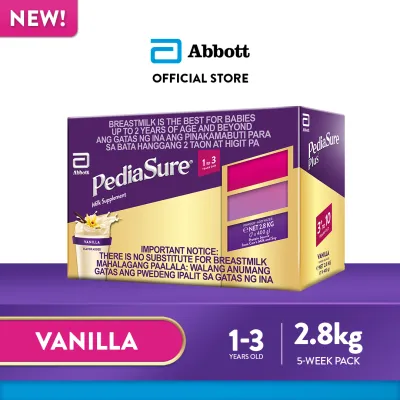



Prices are valid at publication and may change. Please refer to the product page for the latest price.

It is vital for caregivers to view toddler formula as a nutritional supplement rather than a complete replacement for solid meals. While infant formula is designed to be a sole source of nutrition, toddler milk is formulated to fill the nutritional gaps that naturally occur as children learn to eat family foods. When evaluating different brands, parents should carefully examine product labels to check for these essential vitamins and minerals. Because individual nutritional needs can vary widely based on pediatric advice and specific dietary patterns, parents should focus on finding a formula that complements what their child is already eating, rather than relying on standard commercial claims.
Brand Profiles: PediaSure, Nido, and Enfagrow
PediaSure: Targeted Growth and Picky Eaters
PediaSure has established a strong reputation among parents and pediatricians as a specialized, calorie-dense option designed for children who need support catching up on physical growth. This formulation is particularly beneficial for toddlers who exhibit highly selective eating patterns, often referred to as picky eating, which can lead to weight plateaus or nutritional deficiencies. PediaSure provides a higher concentration of calories and essential nutrients per serving compared to standard toddler milks, helping to ensure that even small volumes of milk contribute significantly to the child’s daily requirements.
When considering this brand, it is essential to look for the specific product variants formulated for the 1-3 age range, as the brand offers multiple lines tailored to different age groups and nutritional needs. Because of its high calorie density, PediaSure is best used as a targeted supplement rather than a casual beverage. If you are considering using PediaSure as a primary source of nutrition or as a meal replacement for an extended period, always consult your pediatrician first. A healthcare professional can help diagnose any underlying growth concerns and ensure that the milk is integrated into a safe, well-balanced dietary plan.
Nido: Everyday Nutrition and Immune Support
Nido is positioned as a highly accessible, mainstream toddler milk designed for everyday consumption and general wellness. Its primary formulation focus is on supporting the child’s immune system, which is particularly important as toddlers begin to explore their environment, interact with other children, and face exposure to common childhood illnesses. To support immunity, Nido often incorporates a blend of prebiotic fibers, essential vitamins, and minerals like Zinc, Vitamin C, and Vitamin A, which work together to maintain healthy gut flora and support natural defenses.
This brand is an excellent fit for parents who are looking for a reliable, cost-effective daily milk supplement for toddlers who are already eating a relatively balanced diet of solid foods. In the Philippines, Nido is incredibly popular and widely available in various packaging formats, including cardboard boxes and tin cans of multiple sizes. This wide availability across supermarkets, neighborhood sari-sari stores, and local pharmacies makes it a highly convenient option for busy families. It provides a straightforward way to ensure daily nutritional baselines are met without a premium price tag.
Enfagrow: Cognitive Development and Brain Health
Enfagrow focuses its formulation and marketing heavily on supporting cognitive development, brain health, and visual acuity during the critical early years of a child’s life. The first three years of life represent a period of rapid neurological growth, and Enfagrow aims to support this milestone by enriching its toddler milk with DHA (docosahexaenoic acid) and ARA (arachidonic acid). These polyunsaturated fatty acids are essential structural components of the brain and retina, making their dietary intake particularly important during early childhood.
For parents who wish to prioritize cognitive milestones, language development, and visual health during the 1-3 year window, Enfagrow offers a highly specialized option. However, because product formulations, ingredient sources, and nutrient concentrations can be updated by the manufacturer over time, it is important to check the exact levels of DHA and ARA printed on the specific product label. This step allows parents to make informed decisions based on the most current nutritional facts rather than general brand perceptions.
Head-to-Head Comparison Dimensions
Nutritional Focus and Label Verification
When comparing PediaSure, Nido, and Enfagrow head-to-head, the most significant differences lie in their primary nutritional objectives. PediaSure is designed for energy density and physical growth, Nido centers on everyday immunity and digestive health, and Enfagrow prioritizes brain development through lipid nutrition. To make an objective comparison, parents must learn to read and analyze the Nutrition Facts panel on each product rather than relying solely on front-of-pack marketing claims.
Start by comparing the serving sizes and the corresponding calories per serving across the three brands. You will likely find that PediaSure has a higher caloric value per milliliter, reflecting its purpose as a growth supplement. Next, examine the carbohydrate section to identify the presence and amount of added sugars, such as sucrose, maltodextrin, or corn syrup solids, which are sometimes added to enhance flavor but may not be desirable in large quantities. It is crucial to remember that a higher price does not automatically guarantee better nutritional value for your specific child; the goal is to choose the formula whose label directly addresses your toddler’s unique dietary gaps.
Taste, Texture, and Toddler Acceptance
A toddler milk can only deliver its nutritional benefits if your child is willing to drink it consistently. Toddlers are highly sensitive to sensory inputs, meaning that flavor, sweetness, and texture play a decisive role in brand acceptance. PediaSure is known for its sweet, appealing taste, often available in flavors like vanilla and chocolate, which makes it highly palatable to picky eaters who might otherwise reject milk. Nido generally offers a more traditional, creamy milk flavor with a moderate sweetness level, while Enfagrow has a distinct taste profile shaped by its DHA content, which some toddlers may need time to get used to.
Texture and mixability are also important practical considerations for parents. Some powders dissolve quickly and smoothly in warm water, while others may require vigorous shaking to prevent clumping. In the warm, humid climate of the Philippines, humidity can cause opened milk powder to clump or spoil more quickly if not stored in an airtight container in a cool, dry place. To avoid investing in a large tin that your child might ultimately refuse, always purchase the smallest available pouch or box first to test their taste preferences and digestive acceptance.
Digestibility and Preparation
A toddler’s digestive system is still maturing, which can make certain ingredients more difficult to tolerate than others. When evaluating these brands, consider how your child’s stomach reacts to different formulations, particularly regarding lactose content and the inclusion of dietary fibers. Brands like Nido often include specific prebiotics or probiotics to support gut health and smooth digestion, which can be highly beneficial for toddlers prone to mild constipation or irregular bowel movements.
Proper preparation is critical to ensuring both the safety and digestibility of the milk. Always follow the exact preparation instructions printed on the manufacturer’s packaging, paying close attention to the recommended water temperature and the precise ratio of powder to water. Using water that is too hot can destroy beneficial probiotics and vitamins, while altering the powder-to-water ratio can lead to dehydration or digestive distress. After introducing a new formula, monitor your toddler closely for several days to watch for signs of intolerance, such as bloating, excessive gas, skin rashes, or sudden changes in stool consistency.
Evaluating Cost and Serving Value in the Philippines
For many Filipino families, managing the monthly household budget is a vital consideration when selecting a toddler milk. To compare the true financial impact of PediaSure, Nido, and Enfagrow, parents should look beyond the retail price of a single tin and instead calculate the “cost per serving.” To find this value, divide the total retail price of the package in Philippine Pesos (₱) by the number of individual servings indicated on the nutrition label. This calculation often reveals that a larger, more expensive tin actually offers a lower cost per serving than a smaller, cheaper package.
It is also important to recognize that retail prices can vary significantly depending on where you shop. Prices often fluctuate between physical supermarkets, local pharmacies, and official brand stores on online marketplaces. Furthermore, to estimate your actual monthly expenditure, you must factor in the manufacturer’s recommended daily servings—which typically range from two to three glasses per day. A premium, calorie-dense option like PediaSure will naturally result in a much higher monthly cost compared to an everyday milk like Nido, making it essential to balance your child’s specific developmental needs with your family’s long-term financial plan.
Final Decision Framework: Matching Formula to Your Child
To simplify your decision-making process, you can use a conditional framework to match the unique needs of your toddler with the specific strengths of each brand:
- Choose PediaSure if your child is a highly selective or picky eater, has fallen behind on physical growth milestones, or requires a calorie-dense supplement to fill significant dietary gaps, ideally under the direct guidance of a pediatrician.
- Choose Nido if you are looking for a reliable, cost-effective, everyday milk supplement for a toddler who already eats solid foods well, and your primary goal is to support their general immunity, digestive health, and daily wellness.
- Choose Enfagrow if your main priority is supporting your child's cognitive milestones, brain health, and visual development during this critical early growth window with targeted levels of DHA and ARA.
- Verify first if your child has a history of food allergies, lactose intolerance, or any underlying medical conditions; always consult a pediatrician before introducing any standard commercial formula.
Ultimately, it is important to remember that toddler milks are designed to be supportive tools rather than the foundation of your child’s diet. A varied, nutrient-rich diet consisting of diverse solid foods—including fruits, vegetables, grains, and proteins—remains the primary and most critical source of nutrition for children aged one to three.
Frequently Asked Questions (FAQ)
Can I mix toddler formula with regular cow's milk?
While some parents consider mixing toddler formula with regular cow’s milk to ease the transition or make the formula last longer, doing so is generally not recommended. Mixing different types of milk alters the carefully balanced nutritional profile, vitamin concentrations, and calorie density per serving designed by the manufacturer. To ensure your child receives the precise nutritional benefits intended, always follow the manufacturer’s preparation instructions and mix the powder solely with clean, safe water.
When should I transition my child from formula to fresh milk?
Many pediatric guidelines suggest that whole cow’s milk can be safely introduced to children starting around one year of age, provided they are growing well. However, many families choose to continue using toddler formulas up to age three or beyond, especially if the child has selective eating habits. The decision to transition to fresh milk depends heavily on your child’s ability to obtain adequate essential nutrients, particularly iron and calcium, from their daily solid food intake.
Do I need to consult a pediatrician before switching brands?
If your toddler is generally healthy, has a well-functioning digestive system, and eats a variety of solid foods, switching between standard commercial toddler formulas typically does not require a doctor’s consultation. However, you should always seek professional medical advice before making a switch if your child has a history of food allergies, chronic digestive issues, failure to thrive, or if you are considering transitioning to a specialized or therapeutic medical formula.
Community discussion
Share your experience or ask a question. Comments are reviewed before publication.