
Selecting the right milk to support your child’s growth is a major decision for parents in the Philippines, where daily nutrition plays a critical role in early development. With options like Pediasure, Nido, and Enfagrow lining supermarket shelves and online storefronts, finding the optimal match can feel overwhelming. Many parents begin their search by looking up trusted online channels, such as the abbott official store pediasure listings, to compare options. However, there is no single “best” milk for every child, as the ideal choice depends entirely on your child’s specific nutritional gaps, age, and developmental needs.
To make an informed decision, it helps to understand how these three major brands position their formulations. Pediasure is typically designed as a complete, scientifically formulated nutritional supplement, often recommended for picky eaters or children requiring catch-up growth. Nido focuses primarily on providing everyday balanced nutrition and basic immune support for active, growing kids. Enfagrow places a heavy emphasis on cognitive development, packing its formulas with brain-supporting nutrients to assist during key learning stages.
Because every child’s digestive system and nutritional requirements are unique, a pediatrician should always be your first point of contact. Before switching formulas or introducing a new growing-up milk, consult a healthcare professional to address any underlying medical concerns, diagnosed growth delays, or specific dietary restrictions.
Products mentioned in this guide







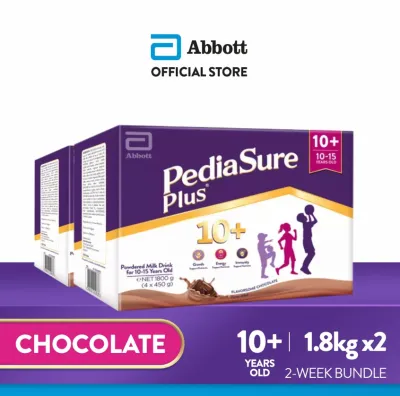
Prices are valid at publication and may change. Please refer to the product page for the latest price.
Understanding the Contenders: Target Age and Core Focus
Each of these household names serves a distinct purpose in a child’s dietary lifecycle, offering multiple product lines, powder formulations, ready-to-drink options, and age-specific stages. Because nutritional needs change rapidly as a child transitions from infancy to toddlerhood and eventually to school age, you must strictly check the product label for the exact target age range. A formula designed for a one-year-old contains vastly different nutrient densities and protein structures than one formulated for a child over three years old.
Pediasure is widely recognized as a nutritional safety net. It is formulated to provide complete, balanced nutrition, making it a common choice for children who struggle to meet their daily caloric and micronutrient needs through solid food alone. If your child is highly selective with food or recovering from an illness, this supplement helps fill those critical dietary gaps to prevent growth plateaus.
Nido takes a more mainstream approach, acting as an everyday milk option for healthy, active children. It is fortified with essential vitamins and minerals designed to sustain daily energy levels and support the immune system. For parents whose children already eat a relatively diverse diet, Nido serves as an affordable, reliable daily beverage that complements their regular meals.
Enfagrow positions itself at the intersection of physical growth and cognitive development. Its product lines are heavily marketed around brain-supporting ingredients, aiming to nourish the rapid neurological changes occurring during early childhood. If your primary goal is to support your child’s focus, memory, and cognitive milestones alongside standard physical growth, this brand offers highly specialized formulations.
Regardless of the brand you select, it is vital to remember that growing-up milk is a supplement to a balanced diet of whole foods, not a replacement for daily meals. Encouraging healthy eating habits, such as consuming fresh fruits, vegetables, and lean proteins, remains the foundation of your child’s long-term wellness.
Nutritional Showdown: Comparing Key Growth Dimensions
To cut through marketing claims, parents must learn to read the nutrition facts panel on the back of the packaging. Comparing these labels directly allows you to assess which product aligns best with your child’s current physical demands and dietary patterns.

Evaluating Macronutrients and Caloric Density
When looking at the macronutrient breakdown, pay close attention to the calories, protein, fats, and carbohydrates provided per serving. Children who have a small appetite or those undergoing catch-up growth often benefit from a higher caloric density, which delivers more energy in a smaller volume. If your child struggles to finish their meals, a nutrient-dense option ensures they still receive adequate energy to fuel their daily activities.
Conversely, highly active children who already consume well-balanced solid meals may not require an ultra-dense caloric supplement. For these children, standard macronutrient levels, such as those found in everyday growing-up milks, are sufficient to maintain steady growth without overloading their digestive systems. Always evaluate the protein-to-calorie ratio on the label to ensure the protein content is appropriate for your child’s daily physical exertion and developmental stage.
Checking Micronutrients and Fortification
Micronutrients are the quiet workhorses of physical development, supporting everything from bone strength to immune resilience. When comparing labels, look specifically for vital bone-building nutrients like Calcium and Vitamin D, which work synergistically to support skeletal growth. Additionally, check for immune-supporting powerhouse vitamins, such as Vitamin C, Vitamin E, and Zinc, which help protect active children from common schoolyard illnesses.
To determine how much a specific milk contributes to your child’s daily requirements, check the percentage of daily values or recommended energy and nutrient intakes (RENI) listed on the label. Keep in mind that more is not always better; you must factor in the nutrients your child already gets from their solid food intake. Over-supplementation can strain a young child’s kidneys and digestive tract, making a balanced approach far safer than simply choosing the milk with the highest numbers.
Assessing Brain and Cognitive Ingredients
During the early years, a child’s brain undergoes rapid structural development, prompting many parents to seek out cognitive-supporting ingredients. When examining the ingredient list, look for key components like Docosahexaenoic Acid (DHA), Arachidonic Acid (ARA), Choline, and Iron. These nutrients play documented roles in supporting brain function, neural connectivity, and visual development.
While Enfagrow is particularly well-known for highlighting these cognitive ingredients, other premium brands also include them in their specialized product lines. Because formulations vary significantly by region, product stage, and specific product line, never assume a nutrient is present based on the brand name alone. Always verify the actual presence and specific quantities of DHA and other cognitive ingredients on the exact product label before making your purchase.
Practical Decision Framework: Which Milk Fits Your Child?
Choosing between these three prominent brands does not require guesswork if you align their specific formulations with your child’s unique growth profile and eating habits. By evaluating your child’s daily diet and physical development, you can quickly identify which category they fall into.
Choose Pediasure if: Your child is a highly selective or picky eater, has a consistently small appetite, or has been identified by a pediatrician as needing a nutritionally complete supplement to support catch-up growth and weight gain.
Choose Nido if: Your child already enjoys a relatively balanced diet of solid foods and you are looking for an affordable, everyday milk supplement to maintain general physical growth, active play, and basic immune function.
Choose Enfagrow if: You want to place an extra emphasis on cognitive development and brain-supporting nutrients during critical early learning years, while still maintaining standard physical growth support.
Verify first if: Your child shows signs of lactose intolerance, milk protein allergies, or other specific medical conditions. Standard formulations of these milks may cause digestive distress or allergic reactions in sensitive children. If your child experiences bloating, skin rashes, or chronic loose stools, stop use immediately and consult a doctor, who may prescribe a specialized hypoallergenic or lactose-free formula.
| Brand | General Focus | Ideal User Profile | Key Label-Checking Points |
|---|---|---|---|
| Pediasure | Complete, balanced nutrition and caloric density | Picky eaters, children needing catch-up growth, or those with small appetites | Caloric density per serving, protein-to-calorie ratio, and age-appropriateness |
| Nido | Everyday nutrition, bone health, and basic immunity | Active children with a balanced diet looking for reliable daily supplementation | Calcium, Vitamin D, Zinc content, and sugar levels per serving |
| Enfagrow | Cognitive development and brain-supporting nutrients | Children in active learning stages whose parents prioritize neurological support | DHA, ARA, Choline levels, and specific age-stage indicators |
Sourcing Authentic Milk: Abbott Official Store Pediasure and Trusted Channels in the Philippines
In the Philippines, ensuring the authenticity of your child’s milk is of paramount importance. Counterfeit or improperly stored milk powders can pose severe health risks, ranging from bacterial contamination to nutritional deficiencies caused by altered formulas. To protect your child’s health, you must purchase formula and growing-up milks exclusively from authorized physical retailers, major supermarkets, or verified online brand stores.
For parents who prefer the convenience of online shopping, sourcing products from official channels is the safest route. For instance, navigating directly to the abbott official store pediasure page or the verified flagship stores of Nido and Enfagrow on reputable e-commerce platforms guarantees that you are receiving genuine products. These official digital storefronts are managed directly by the manufacturers or authorized distributors, ensuring that the products are stored in temperature-controlled warehouses and handled under strict sanitary conditions before shipment.
When your order arrives, always perform a thorough physical inspection of the packaging before opening it. Verify that the safety seals are completely intact, the tin or box is not dented or punctured, and the expiration date is clearly printed and well into the future. If you notice any signs of tampering, faded print, or damaged packaging, do not feed the milk to your child; instead, contact the official seller immediately for a replacement.
Frequently Asked Questions (FAQ)
Can I mix different milk brands or switch abruptly?
Abruptly switching your child’s milk brand or formulation can sometimes lead to mild digestive upset, such as gas, bloating, or changes in stool consistency. Because a child’s digestive system is highly sensitive, a gradual transition is generally recommended. You can achieve this over a period of three to five days by mixing the old and new milk powders together in shifting ratios, slowly increasing the proportion of the new brand. Always check the manufacturer’s specific preparation and mixing instructions on the new product’s label to ensure you are measuring the scoops and water ratios correctly during the transition.
Is growing-up milk necessary if my child eats solid foods well?
If your child consumes a diverse, well-balanced diet that regularly includes adequate portions of dairy, lean meats, fish, vegetables, fruits, and whole grains, growing-up milk is a supplementary option rather than a strict necessity. Many healthy children do perfectly well with a balanced solid diet complemented by standard fresh milk. However, if you suspect your child is missing out on specific nutrients, it is best to consult a pediatrician or a registered nutritionist. They can help assess your child’s actual dietary intake and advise whether a fortified growing-up milk is beneficial for their specific development.
How should I store powdered milk in a humid climate?
The tropical, humid climate of the Philippines requires extra care when storing powdered milk to prevent spoilage and clumping. Always keep the milk tin or pouch in a cool, dry place, such as a pantry cabinet, well away from direct sunlight, stoves, or other heat sources. Never store powdered milk in the refrigerator, as the temperature difference when opening the tin creates condensation, introducing moisture that leads to mold and nutrient degradation. Ensure the lid is tightly sealed immediately after every use, and aim to consume the powder within the specific timeframe recommended on the product label—typically within three to four weeks after opening.
Community discussion
Share your experience or ask a question. Comments are reviewed before publication.