
Choosing the right growth milk for school-age children in the Philippines is a common challenge for parents. As children transition from early childhood to the demanding years of elementary school, their nutritional needs change dramatically. The market offers several prominent options, but three brands consistently stand out: PediaSure, Nido, and Enfagrow. Deciding which option is best for your child depends entirely on their individual nutritional gaps, daily dietary habits, and your family’s budget. No single milk formula serves as a universal solution for every child.
When looking for the best milk options, many parents search for specialized formulas like pediasure 6 to 12 years old to support their growing kids. PediaSure is primarily formulated as a comprehensive nutritional supplement designed for catch-up growth, making it highly suitable for picky eaters or children who struggle to meet their weight and height milestones. Nido, a staple in many Filipino households, serves as a fortified milk drink designed for general school-age nutrition, focusing heavily on immune support, bone health, and overall daily vitality at a more accessible price point. Enfagrow is positioned as a premium growth milk that emphasizes cognitive development and immune defense, utilizing ingredients like DHA and prebiotics to support school-age learning and digestive health.
Before making any significant changes to your child’s daily diet or introducing a new nutritional supplement, it is essential to consult a pediatrician. This is especially critical if your child has underlying health conditions, food allergies, lactose intolerance, or specific growth concerns. A healthcare professional can help you identify whether your child genuinely needs a specialized growth milk or if their nutritional needs can be fully met through a balanced solid diet.
Products mentioned in this guide







Prices are valid at publication and may change. Please refer to the product page for the latest price.
Nutritional Baselines for School-Age Children (6 to 12 Years Old)
Between the ages of 6 and 12, children undergo rapid physical and cognitive development. This period, often marked by the transition to grade school, brings increased physical activity, academic demands, and exposure to schoolyard pathogens. To support this growth, a child’s diet must provide a steady supply of essential macronutrients and micronutrients. Calcium and vitamin D are paramount during these years to support the rapid elongation of bones and the development of strong teeth. Without adequate levels of these two nutrients, children may not reach their optimal peak bone mass, which is critical for long-term skeletal health.
Protein is another cornerstone of school-age nutrition, serving as the building block for muscle development, tissue repair, and immune function. Additionally, micronutrients like iron and zinc play indispensable roles. Iron is crucial for the production of hemoglobin, which transports oxygen throughout the body and supports cognitive functions like concentration and memory in the classroom. Zinc is vital for cellular growth, wound healing, and maintaining a robust immune system to ward off common school-time illnesses.
While whole foods should always form the foundation of a child’s nutrition, busy schedules, picky eating habits, and varying food access can sometimes make it difficult to achieve a perfectly balanced diet. Growing-up milks and nutritional supplements are designed to act as a convenient safety net. They are formulated to bridge specific micronutrient gaps rather than replace solid meals. Parents should view these drinks as a complement to daily meals, ensuring they do not suppress a child’s appetite for breakfast, lunch, or dinner.
When evaluating different options, parents must learn to read product labels carefully. It is important to inspect the added sugar content, as some flavored milk drinks contain high amounts of sucrose or corn syrup solids, which can contribute to dental issues or unhealthy weight gain. Additionally, check the recommended serving sizes and verify whether the formulation is explicitly designed for the school-age bracket (such as 3+, 5+, or older) rather than toddlers, as older children require different concentrations of vitamins and minerals to support their larger bodies and higher energy expenditures.
Comparing PediaSure 6 to 12 Years Old, Nido, and Enfagrow Formulations
To make an informed choice, it is essential to look closely at what each brand offers in its local formulations. In the Philippines, these brands cater to different developmental priorities and utilize distinct ingredient profiles. Let us examine how PediaSure, Nido, and Enfagrow compare when looking at options suitable for school-age children.

PediaSure (School-Age Formulations)
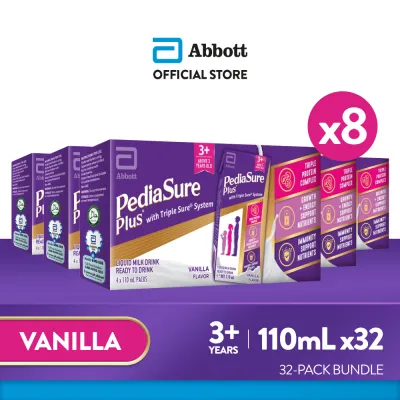
PediaSure is widely recognized as a specialized nutritional supplement rather than a standard daily beverage. In the Philippines, parents looking for options like pediasure 6 to 12 years old often look to PediaSure Plus or PediaSure 3+ (which is formulated for children up to 10 years of age). This product is specifically engineered for children who are underweight, exhibiting slow growth, or recovering from illness. It features a high caloric density, typically delivering around 1 kilocalorie per milliliter when prepared according to the manufacturer’s instructions. This high-calorie structure helps children who consume small volumes of food still receive the energy they need for daily activities and catch-up growth.
The formulation contains a triple protein complex designed to support muscle development, along with a blend of 37 essential vitamins and minerals. It also includes medium-chain triglycerides (MCTs), which are easily absorbed fats that provide a quick source of energy. Because it is highly nutrient-dense, it is often recommended by pediatricians for short-term or medium-term intervention rather than as a permanent, long-term milk drink for a child who already maintains a healthy weight.
Nido (School-Age Formulations)
Nido is a household name in the Philippines, with variants like Nido 3+ and Nido 5+ widely available in local supermarkets. For children in the 6 to 12 age bracket, Nido 5+ (and general Nido fortified variants) is specifically designed to support school-age developmental needs. The brand focuses heavily on what it terms “Nutri-grade” protection, centering its formulation on immunity, bone development, and brain support.
Nido is fortified with high levels of iron, zinc, and vitamin C, which work synergistically to reinforce the child’s immune system against common infections. It also contains Lactobacillus Proteus, a probiotic strain that supports gut health and enhances nutrient absorption. The calcium and vitamin D levels in Nido are optimized to support skeletal growth during the school years. Unlike highly specialized medical supplements, Nido is formulated as a standard, daily-use milk drink that fits seamlessly into a family’s regular grocery budget.
Enfagrow (School-Age Formulations)
Enfagrow, particularly its stage 4 variants such as Enfagrow A+ Four or Enfagrow Pro A+, targets the transition from toddlerhood into the early school years. The brand’s primary marketing and scientific focus is on cognitive development and brain structure. It features prominent levels of Docosahexaenoic Acid (DHA), an omega-3 fatty acid that is a primary structural component of the human brain and retina.
In addition to DHA, Enfagrow formulations often include Milk Fat Globule Membrane (MFGM), which supports cognitive function and behavioral development. The brand also emphasizes immune and digestive support through a specialized blend of prebiotics (such as polydextrose and GOS) and beta-glucan. This combination is designed to feed beneficial gut bacteria, promoting a healthy digestive tract and strengthening the body’s natural defenses. Enfagrow is positioned as a premium option for parents who want to prioritize cognitive support and early academic performance.
| Brand & Variant | Calorie Density (per serving) | Protein (per serving) | Added Sugars | Key Micronutrients | Primary Target |
|---|---|---|---|---|---|
| PediaSure Plus / 3+ | High (~220-230 kcal) | ~6g – 7g | Contains Sucrose & Maltodextrin | Calcium, Vitamin D, Iron, Zinc, MCTs | Catch-up growth, picky eaters |
| Nido 5+ / Fortified | Moderate (~150-180 kcal) | ~5g – 6g | Contains Sucrose & Lactose | Vitamin C, Iron, Zinc, Calcium, Probiotics | Daily immunity, bone support |
| Enfagrow A+ Four / Pro | Moderate (~150-170 kcal) | ~4g – 5g | Contains Sucrose & Corn Syrup | DHA, MFGM, Prebiotics, Zinc | Brain development, cognitive support |
Note: The nutritional values listed above are typical averages based on standard local packaging. Parents should always check the physical product label of the specific tin purchased to verify the exact nutritional facts, as formulations can be updated by manufacturers.
Practical Factors: Taste, Mixability, and Daily Routine
A growth milk’s nutritional profile is only beneficial if your child is willing to drink it consistently. School-age children have highly developed taste preferences and are quick to reject beverages that do not appeal to them. PediaSure is known for its rich, sweet taste and is available in popular flavors like vanilla and chocolate, which generally receive high compliance from picky eaters. Nido offers a classic, creamy, and natural milk flavor that is highly familiar to Filipino children, making it an easy addition to their daily diet. Enfagrow has a distinct nutritional profile that sometimes carries a subtle scent or taste due to its high DHA content, though modern processing techniques have successfully masked this to ensure a smooth, pleasant flavor.
Mixability is another practical consideration for busy parents. Preparing milk in the tropical climate of the Philippines requires attention to water temperature and storage. Standard powder formulations dissolve best in warm or room-temperature water. Mixing with boiling water should be avoided, as extreme heat can destroy sensitive vitamins and probiotics. In highly humid environments, milk powder can easily absorb moisture from the air, leading to clumping inside the tin. Parents should ensure the container is sealed tightly after every use and stored in a cool, dry place.
To integrate these drinks into a daily routine, consider serving them as an after-school snack or a comforting drink before bedtime. This prevents the milk from interfering with their main meals. For instance, giving a child a highly filling, calorie-dense drink right before lunch may reduce their appetite for solid foods, defeating the purpose of a balanced diet.
Evaluating Cost and Value per Serving
Budget is a significant factor for Filipino families when choosing a growth milk. To understand the true financial commitment, parents should look beyond the retail price of the tin and calculate the cost per serving. This is done by dividing the total price of the container by the number of recommended scoops or servings it provides.
PediaSure sits at a premium price point, reflecting its status as a specialized clinical nutritional supplement. A standard tin of PediaSure can cost significantly more per gram than standard milk powders, making it a more substantial financial investment. Nido is highly economical, offering a lower cost per serving that makes it highly sustainable for daily, long-term consumption by one or more children in the household. Enfagrow occupies the mid-to-high premium tier, where the higher cost is attributed to specialized ingredients like DHA, MFGM, and advanced prebiotic blends.
When planning your budget, consider the manufacturer’s recommended daily intake. Specialized supplements like PediaSure may only need to be given once or twice a day to achieve the desired caloric boost, whereas daily fortified milks like Nido can be consumed more freely as part of regular meals. To maximize value, look for bulk-buying options or promotional bundles at local supermarkets, drugstores, or official brand stores on verified e-commerce platforms. Always purchase from authorized sellers to avoid counterfeit products, which pose severe health and safety risks to your child.
The Decision Framework: How to Choose the Right Milk
Choosing between PediaSure, Nido, and Enfagrow does not require finding a single “perfect” milk, but rather identifying which product aligns with your child’s current physical development and dietary habits.
- Choose PediaSure if… your child is a highly picky eater, is currently underweight, is recovering from an illness, or has been recommended by a pediatrician for catch-up growth. Its high caloric density and complete nutrient profile are designed to fill significant dietary gaps and support weight gain.
- Choose Nido if… your child eats regular solid meals relatively well but needs an affordable, fortified daily milk drink to support their immune system, bone development, and overall school-age vitality. It is an excellent, budget-friendly option for general, long-term family nutrition.
- Choose Enfagrow if… your primary focus is on supporting your child's cognitive development, memory, and focus during their school years, and you want a premium formulation rich in DHA, MFGM, and digestive prebiotics.
- Verify first if… your child has a known or suspected lactose intolerance, a cow's milk protein allergy, or any underlying metabolic conditions. If your child experiences bloating, diarrhea, or skin rashes after consuming milk, stop use immediately and consult a qualified healthcare professional or pediatrician to find a suitable alternative, such as a lactose-free or hypoallergenic formula.
Frequently Asked Questions (FAQ)
Can my 6-year-old drink regular cow's milk instead of these growing-up milks?
Yes, a 6-year-old can drink regular pasteurized or UHT cow’s milk if they consume a highly balanced, varied solid diet that meets all their daily nutritional requirements. Regular cow’s milk provides essential calcium, protein, and vitamin D, which are excellent for general growth. However, if your child is a picky eater, has specific nutrient deficiencies, or struggles to maintain a healthy weight, fortified growing-up milks or nutritional supplements can help bridge those specific micronutrient gaps by offering higher concentrations of iron, zinc, vitamin C, and other specialized ingredients.
Is it safe to mix these milk powders with hot water or other beverages?
It is generally not recommended to mix these milk powders with boiling or excessively hot water. High temperatures can degrade heat-sensitive vitamins, such as vitamin C, and can destroy beneficial probiotics or live bacteria cultures present in formulations like Nido. It is best to use lukewarm or room-temperature water as specified on the product label. Additionally, while some parents mix milk powders into smoothies or oatmeal, you should always consult the manufacturer’s preparation instructions to ensure the nutritional integrity of the product is preserved and the serving sizes remain accurate.

Community discussion
Share your experience or ask a question. Comments are reviewed before publication.