
When walking down the milk aisle of a local supermarket in the Philippines, parents are often overwhelmed by the sheer variety of options available. Deciding between Pediasure, Nido, and Enfagrow is not just a matter of picking a brand; it is about understanding what your child’s body specifically requires at their current stage of growth. Each of these products serves a distinct purpose, ranging from specialized medical nutrition to everyday dietary support.
Choosing the wrong type of milk can lead to unnecessary expenses, digestive issues, or nutritional imbalances. For instance, giving a highly calorie-dense supplement to a child who already eats well might cause excessive weight gain, while giving a standard milk drink to a child struggling with severe picky eating might leave critical nutritional gaps unaddressed. By comparing these three popular brands across nutrition, age suitability, and overall value, you can make an informed decision that supports your child’s health and fits your household budget.
Quick Answer: Which Brand Fits Your Child's Current Needs?
To make an immediate, practical choice, parents can evaluate their child’s primary health goals and eating habits. Because these brands are formulated differently, they cater to distinct nutritional scenarios:
Products mentioned in this guide


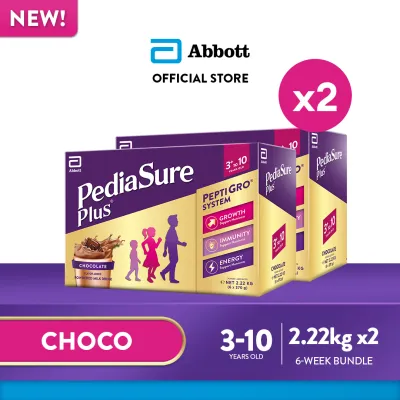
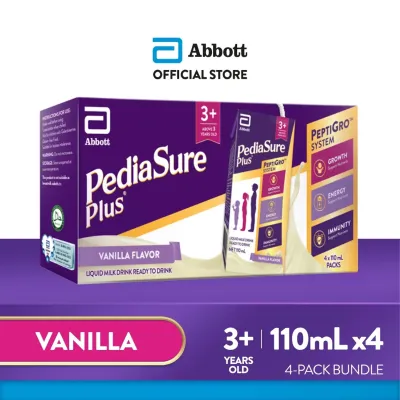
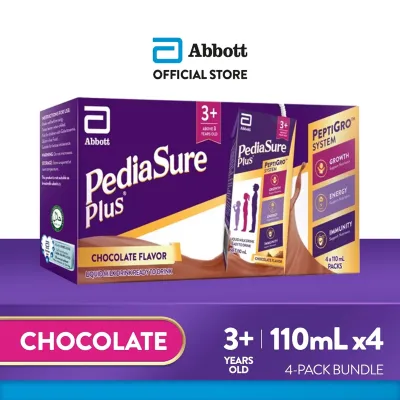
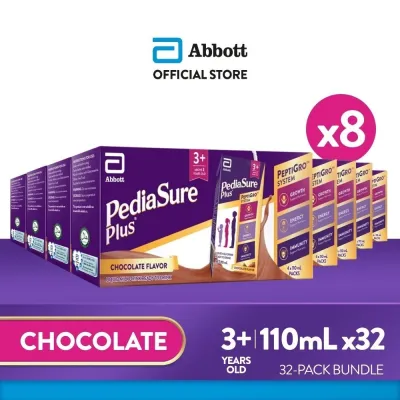
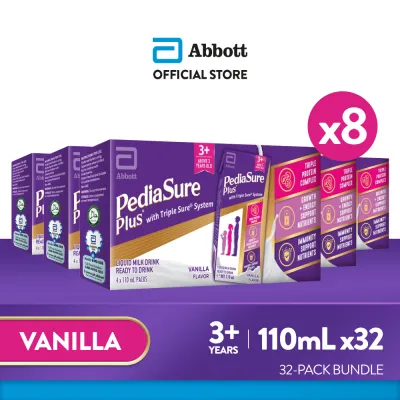

Prices are valid at publication and may change. Please refer to the product page for the latest price.
- Choose Pediasure if your child is a picky eater, has fallen behind on their growth curves, or needs targeted weight gain and catch-up growth under medical guidance. It is designed as a high-calorie nutritional supplement to fill critical gaps when solid food intake is insufficient.
- Choose Enfagrow if your toddler or preschooler is meeting their general weight goals but needs structured support for early developmental milestones. It is a growing-up formula that focuses heavily on cognitive development (fortified with DHA and ARA) and immune system reinforcement.
- Choose Nido if your child is older (school-aged), consumes a relatively balanced diet of solid foods, and simply needs a cost-effective, nutrient-fortified everyday milk drink to support general vitality, bone health, and daily energy.
Regardless of which brand you consider, it is vital to remember that milk drinks and nutritional supplements should only complement a balanced diet. Parents must consult a pediatrician before introducing high-calorie supplements or making major changes to their child’s formula, especially for children under two years old or those with underlying health conditions.
Understanding the Core Differences: Pediasure Supplement vs. Formula vs. Everyday Milk
To compare these brands fairly, we must first look at how they are classified. They are not direct substitutes for one another because they belong to entirely different product categories.

Pediasure is classified as a high-calorie nutritional supplement. It is specifically engineered for children who have inadequate dietary intake, are recovering from illness, or are experiencing growth plateaus. Because it is nutrient- and calorie-dense, it is meant to act as a temporary or targeted intervention rather than a standard, long-term beverage for a child with a normal appetite.
Enfagrow is defined as a growing-up milk formula. It is designed to bridge the nutritional gaps that naturally occur as toddlers transition from breastmilk or infant formula to solid foods. These formulas are heavily fortified with specific micronutrients, such as essential fatty acids, vitamins, and minerals, that support rapid brain development and immune system training during the critical early years of life.
Nido is primarily a powdered whole milk or fortified milk drink. It is intended for general daily consumption by older toddlers and school-aged children who already receive the bulk of their daily nutrition from a varied, solid-food diet. It provides a baseline of high-quality protein, calcium, and essential vitamins to support daily physical activity and overall bone health, making it an excellent everyday beverage.
Because product formulations can change and specific lines vary, parents should always read the physical product labels of the specific tin they purchase. Checking the packaging allows you to confirm the exact classification, intended use, and any manufacturer warnings before serving it to your child.
Age Suitability: Matching the Brand to Your Child's Growth Stage
Giving your child a milk product that does not match their age can lead to digestive discomfort, nutrient deficiencies, or excessive metabolic strain. Each brand has established clear age guidelines that reflect the developmental readiness of a child’s digestive and renal systems.
Pediasure Age Guidelines
Pediasure is typically formulated for children aged 1 to 10 years. However, its use varies significantly depending on the child’s age. For children under 2 years old, Pediasure should only be introduced under the direct supervision and recommendation of a pediatrician or registered dietitian. Because of its high caloric and nutrient density, unsupervised use in younger toddlers can lead to rapid weight gain or discourage them from exploring the solid foods necessary for oral-motor development.
Enfagrow Stage Progression
Enfagrow utilizes a highly structured, stage-based approach to match a child’s changing metabolic and cognitive needs. For example, Stage 3 (such as Enfagrow A+ Four or Enfagrow Premium Toddler) is designed for toddlers aged 1 to 3 years, focusing on rapid brain growth and digestive health. Stage 4 is tailored for preschoolers aged 3 to 6 years, shifting the emphasis toward immune defense and cognitive readiness for school. Parents should transition between these stages systematically, following the manufacturer’s age guidelines printed on the packaging.
Nido Age Recommendations
Nido offers several variants, such as Nido 1+, Nido 3+, and Nido 5+, which are geared toward older toddlers and school-aged children. It is critical to understand that Nido is not a breastmilk substitute and must never be given to infants under one year of age. It is best introduced when your child is already consuming a wide variety of solid foods and uses milk primarily as a supportive beverage rather than a primary source of daily calories.
Nutritional Priorities: What Each Brand Focuses On
Understanding the nutritional focus of each brand helps you align your purchase with your child’s specific physical and cognitive needs.
Calories, Protein, and Weight Management
Pediasure stands out for its high caloric and protein density, which is specifically designed to support weight gain and catch-up growth. A standard serving of Pediasure typically provides more calories per milliliter than standard growing-up formulas, helping children who struggle to consume enough volume during meals.
In contrast, Enfagrow and Nido maintain standard caloric profiles. They are formulated to support steady, healthy growth without promoting excessive weight gain in children who already have normal appetites and balanced eating habits. Parents should carefully check the exact kcal and protein content per serving on the product labels to ensure they are not over-supplementing a child who is already on a healthy growth track.
Brain Development and Immune Support
Enfagrow places a major emphasis on cognitive development, fortifying its products with clinical levels of DHA (docosahexaenoic acid), ARA (arachidonic acid), and choline. These specialized lipids are essential building blocks for brain structure and visual development during the first few years of life.
Pediasure also incorporates specific nutrient blends to support immune health and overall growth, often including prebiotics or probiotics to aid gut health and nutrient absorption. While standard Nido variants are fortified with essential vitamins like Vitamin C, Iron, and Zinc to support daily immune function, they generally contain lower levels of specialized brain-development lipids compared to dedicated growing-up formulas like Enfagrow.
Bone Health and Physical Growth
All three brands contribute significantly to bone density and height potential by providing essential bone-building nutrients like calcium, Vitamin D, and zinc. However, the exact ratios and bioavailability of these minerals can differ across formulations.
Nido is particularly well-regarded for its robust calcium and Vitamin D content, making it an excellent, highly bioavailable source of bone-building nutrients for active, school-aged children. Parents should remember that physical growth also relies heavily on adequate physical activity, natural sunlight exposure for Vitamin D synthesis, and a diet rich in natural calcium sources. Always verify the specific mineral percentages on the product’s nutritional information panel.
Cost per Serving and Where to Buy Safely
Managing the household budget is a vital consideration for families in the Philippines, as milk consumption is a recurring daily expense.
When comparing price tiers, Pediasure is typically the most expensive option per serving, reflecting its status as a specialized, clinically formulated nutritional supplement. Enfagrow occupies the mid-to-high price tier, which accounts for its complex fortification with cognitive and immune-supporting ingredients. Nido is generally the most budget-friendly option, making it a highly sustainable choice for long-term, daily consumption by older children.
To find the true value of each option, parents should calculate the cost per serving rather than simply comparing the upfront price of the tin. To do this, check the net weight of the container, the size of the scoop, and the recommended number of scoops per serving. A cheaper tin that requires larger or more frequent scoops may run out quickly, ultimately costing more per day than a slightly more expensive tin with a smaller serving size.
Due to the warm, humid climate of the Philippines, proper storage and handling are critical to prevent powdered milk from spoiling or clumping. High humidity can cause powdered milk to clump and attract pests like ants. Tightly sealing the tin or transferring the foil pack to a clean, airtight container is essential to maintain freshness and safety. Parents should purchase these products only from reputable local supermarkets, major pharmacies (such as Mercury Drug or Watsons), or official brand flagship stores on trusted online marketplaces. Avoid purchasing from unauthorized third-party online sellers, as counterfeit products or improperly stored tins can pose severe health and safety risks to your child.
How to Make Your Final Decision
To choose the right milk brand for your child, follow this step-by-step decision framework:
- Identify the Primary Goal: Determine whether your child requires targeted medical weight gain (Pediasure), advanced cognitive and immune support during early childhood (Enfagrow), or affordable, everyday nutritional maintenance (Nido).
- Verify Age and Dietary Habits: Match the product to your child's exact age bracket. Assess their current solid food intake; if they eat a well-rounded diet, a highly concentrated supplement like Pediasure is likely unnecessary.
- Review the Household Budget: Calculate the monthly cost of the recommended daily servings to ensure the choice is financially sustainable for your family over the long term.
- Consult a Pediatrician: Seek professional medical advice before introducing a new formula or supplement, especially if your child has food allergies, lactose intolerance, or shows signs of growth delays.
Ultimately, no powdered milk or formula can replace the nutritional value of a diverse, whole-food diet. Milk should always be viewed as a complementary tool to support your child’s overall nutrition alongside balanced, healthy meals.
Frequently Asked Questions (FAQ)
Can I mix Pediasure with Nido or Enfagrow?
Mixing different formula or supplement powders in the same bottle is strongly discouraged unless explicitly approved by your pediatrician. Combining different brands alters the carefully designed water-to-powder ratio, which can increase the concentration of dissolved particles (osmolarity) in the milk. This can lead to severe digestive upset, dehydration, or excessive strain on a young child’s kidneys. Additionally, it can cause nutrient toxicity by inadvertently doubling up on specific vitamins and minerals like Vitamin A or Vitamin D.
Are there lactose-free or soy alternatives for these brands?
The standard formulations of Pediasure, Nido, and Enfagrow are based on cow’s milk and contain lactose. However, manufacturers do offer specialized variants—such as soy-based, lactose-free, or hydrolyzed peptide formulas—for children with lactose sensitivity or cow’s milk protein allergies. Parents must carefully read the ingredient lists and allergen warnings on the physical packaging, and consult a pediatric allergist or pediatrician before switching to any alternative protein source.
How long can I keep prepared milk at room temperature?
In the warm, tropical climate of the Philippines, bacteria can multiply rapidly in prepared milk. As a general food safety rule, prepared formula or milk supplements should not be left at room temperature for more than 1 to 2 hours. If your child does not finish the prepared milk within this timeframe, discard the remaining portion to prevent foodborne illness. Always strictly follow the specific preparation, storage, and disposal instructions printed on the product label.
Community discussion
Share your experience or ask a question. Comments are reviewed before publication.