
Choosing the right toddler formula for your one-to-three-year-old involves matching your child’s specific dietary patterns with the nutritional profile of the milk. There is no single “best” formula for every toddler; instead, the ideal choice depends on whether your child needs targeted catch-up growth, everyday nutritional support, or specific developmental nutrients. Pediasure, Nido, and Enfagrow serve distinct purposes, ranging from high-calorie support for picky eaters to everyday fortified milk and DHA-focused options.
To make the safest and most cost-effective decision, parents must look beyond brand names and carefully evaluate physical labels, ingredient lists, and preparation instructions. Consulting a pediatrician is always the essential first step before introducing or switching any toddler formula, especially if your child has underlying health conditions or suspected food sensitivities.
Setting the Baseline: Nutritional Needs for 1 to 3 Year Olds
The toddler years represent a phase of rapid physical growth and cognitive development, requiring a steady intake of essential nutrients. Between the ages of one and three, children typically need a balance of carbohydrates, healthy fats, proteins, vitamins, and minerals to fuel their daily activities. During this stage, their nutritional requirements shift away from the high-fat, liquid-dominated diet of infancy toward a more diverse, solid-food-based diet.
Products mentioned in this guide







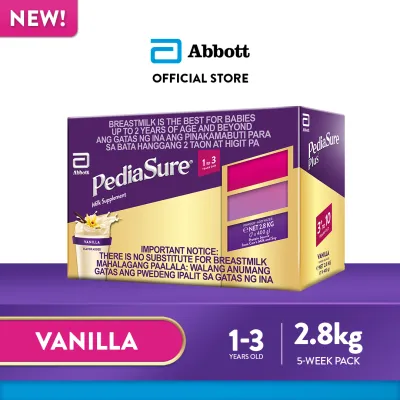
Prices are valid at publication and may change. Please refer to the product page for the latest price.
It is crucial to understand that toddler formulas and fortified milk drinks are designed as dietary supplements, not complete meal replacements. Solid foods should remain the primary source of nutrition for a healthy toddler, providing the necessary textures and dietary fiber that milk cannot offer. Relying too heavily on liquid nutrition can inadvertently reduce a child’s appetite for family meals, potentially leading to long-term picky eating habits.
Before introducing any fortified milk or making a major change in your child’s diet, a consultation with a pediatrician is highly recommended. A healthcare professional can assess your child’s growth chart, identify any genuine nutritional gaps, and advise on whether a specialized formula is necessary. This professional guidance ensures that you do not unnecessarily introduce high-calorie or highly specialized formulas when a standard diet or regular milk would suffice.
Core Differences Between Pediasure, Nido, and Enfagrow
Each of these three popular brands is formulated with a specific nutritional goal and target audience in mind. Understanding these general market positionings helps narrow down which product category aligns with your toddler’s current eating habits and physical development.

Pediasure is widely positioned as a specialized nutritional supplement for children who may need support with catch-up growth. It is often recommended for picky eaters, children recovering from illness, or those who struggle to meet their daily caloric needs through solid foods alone. Because of its higher caloric density and comprehensive vitamin profile, it is designed to fill significant nutritional gaps under medical supervision.
Nido is generally marketed as a fortified milk powder intended for everyday consumption by active, healthy toddlers. It focuses on providing a balanced blend of essential vitamins and minerals, such as calcium, vitamin D, and iron, to support general growth and immune health. It is typically positioned as an affordable, daily milk drink that complements a standard, well-rounded diet.
Enfagrow is formulated with a strong emphasis on supporting cognitive development and brain growth during these critical early years. Its marketing and ingredient profiles often highlight the inclusion of docosahexaenoic acid (DHA), an omega-3 fatty acid, along with other nutrients aimed at supporting mental and visual development. It serves parents who prioritize supplementing brain-building nutrients alongside general physical growth.
When shopping, parents must carefully verify the specific variant and age-appropriate labeling on the physical packaging, such as the Pediasure 1-3 stage. Manufacturers design these formulas to meet the precise developmental needs of specific age brackets, and using a product intended for a different age group can lead to nutritional imbalances. Always inspect the label to ensure the product is explicitly formulated for toddlers aged one to three years.
How to Compare Nutritional Labels and Ingredients
Reading the nutrition facts panel and ingredient list on the back of the tin is the most reliable way to understand what you are feeding your toddler. Marketing claims on the front of the packaging can be broad, but the ingredient list provides the exact details regarding what the formula contains.
Start by checking the levels of protein, calcium, and vitamin D, which are critical for supporting bone development and muscle growth in active toddlers. Compare the amounts per serving across different brands to see how they contribute to your child’s daily recommended intake. Keep in mind that higher levels are not always better; the goal is to complement your child’s solid food intake safely.
Next, pay close attention to the carbohydrate sources and the presence of added sugars or artificial flavorings. Ingredients are listed in descending order of weight, so if sugars like sucrose, corn syrup solids, or maltodextrin appear near the top of the list, the product may have a sweeter taste profile. This can sometimes make it harder for toddlers to accept plain water or unsweetened solid foods later on.
Look for specific functional ingredients such as DHA, arachidonic acid (ARA), prebiotics, or probiotics, which support brain development and gut health. However, because these ingredients and their concentrations can vary widely between brands, you should verify their presence directly on the label rather than relying on general brand reputation.
Finally, always read the manufacturer warnings, preparation instructions, and storage guidelines printed on the packaging. Proper preparation, including using the correct water temperature and scoop measurements, is vital to prevent digestive discomfort or nutrient dilution. Additionally, check for allergen warnings, especially if your child has a known sensitivity to soy, milk, or other common ingredients.
Evaluating Cost and Value per Serving
Managing the household budget is a practical reality for families, and the ongoing cost of toddler formula can vary significantly between brands. To make an accurate financial comparison, parents should calculate the cost per serving rather than simply comparing the retail price of the tin.
To find the cost per serving, look at the manufacturer’s preparation instructions to determine the exact weight of powder required for a single cup of milk. Divide the total net weight of the tin by the weight of a single serving to find the total number of servings per container. You can then divide the retail price of the tin by this number of servings to get the true cost per cup.
When comparing standard tin sizes and bulk options at local supermarkets or official online stores, you will often find that larger packaging sizes offer a lower cost per gram. However, it is wise to purchase a smaller tin first to ensure your toddler tolerates and accepts the taste before investing in bulk quantities.
To estimate your monthly budget in ₱, multiply the calculated cost per serving by the number of servings your child consumes daily, then multiply that by thirty. This simple calculation helps you see the long-term financial impact of each option, allowing you to balance nutritional value with what is sustainable for your family’s finances.
Decision Framework: Which Formula Fits Your Toddler?
Choosing the right formula requires matching your toddler’s observable eating habits and physical needs with the specific characteristics of each brand. This framework serves as a guide to help you make an informed decision in consultation with your pediatrician.
Consider Pediasure if your child is a highly selective eater, has fallen behind on their growth milestones, or has been advised by a doctor to consume a higher-calorie supplement. Because of its dense nutrient profile, it is best used as a targeted intervention rather than a casual daily beverage for a child who already eats well.
Opt for Nido if your toddler is active, eats a reasonably balanced diet of solid foods, and simply needs an affordable, everyday fortified milk to support their daily growth and immune system. It is a practical choice for maintaining general nutrition without unnecessary caloric density.
Select Enfagrow if your primary goal is to supplement your child’s diet with specific cognitive-support nutrients like DHA, particularly if their solid food intake does not regularly include DHA-rich foods like fatty fish.
Before making any final choice, verify whether your child shows any signs of lactose intolerance, milk protein allergies, or other digestive sensitivities. Symptoms like bloating, gas, skin rashes, or loose stools after drinking milk warrant an immediate stop to use and a visit to a pediatrician, who can recommend specialized, hypoallergenic, or lactose-free alternatives.
Frequently Asked Questions (FAQ)
Can I mix different brands of toddler formula?
Mixing different brands of toddler formula in the same bottle or cup is generally not recommended by pediatricians or manufacturers. Each brand has a unique formulation, density, and specific scoop size designed to be mixed with a precise volume of water. Combining powders can alter the concentration of nutrients and minerals, potentially leading to digestive issues, constipation, or dehydration. If you need to transition your child from one brand to another, it is safer to do so gradually by replacing one full feed per day with the new brand, rather than mixing the powders together.
When should I transition my child from toddler formula to regular milk?
Most health authorities suggest that healthy toddlers who eat a diverse and balanced diet of solid foods can transition to regular pasteurized whole cow’s milk or UHT milk around the age of one. Toddler formulas are not strictly necessary if your child is gaining weight appropriately and consuming a wide variety of nutrient-dense foods, including fruits, vegetables, proteins, and grains. If you notice your child is eating well and meeting their developmental milestones, you can discuss transitioning to regular milk with your pediatrician to simplify your daily routine and reduce household expenses.
Community discussion
Share your experience or ask a question. Comments are reviewed before publication.