
Choosing the right growing-up milk for your ten-year-old child in the Philippines involves balancing their daily physical activities, school demands, and nutritional gaps. There is no single “best” option among Pediasure, Nido, and Enfagrow; rather, the ideal choice depends entirely on your child’s specific dietary needs, activity levels, and taste preferences. Parents can use a simple conditional framework to guide their decision: consider checking Pediasure if your child requires targeted caloric support due to picky eating, look into Nido variants for general daily calcium and family-friendly school-age nutrition, or examine Enfagrow options if you want to prioritize specific cognitive and immune-support nutrients. Before introducing any new milk product, always verify if your child has known food allergies, lactose sensitivity, or specific medical conditions that require specialized dietary formulas.
Core Nutritional Positioning of Each Brand
Understanding the general market positioning of Pediasure, Nido, and Enfagrow helps you identify which product line aligns with your parenting goals. While all three brands offer options for growing children, their formulations, target age groups, and nutritional focuses differ significantly across various product lines found in local supermarkets and online marketplaces. Because these formulations can vary by region and specific product line, reading and verifying the packaging labels is an essential first step for every parent.
Pediasure: Targeted Nutrition for Picky Eaters
When evaluating Pediasure, the primary focus is often on addressing nutritional gaps in children who may be picky eaters or struggling to meet growth milestones. For a ten-year-old child, it is crucial to look specifically for age-appropriate variants, such as those labeled for older children (like Pediasure 10+), rather than toddler formulations. Parents should check the nutrition facts panel for the calorie and protein content per serving to determine if the product provides the concentrated energy support their child needs. Additionally, review the label for their specific blends of vitamins and minerals, which are formulated to support catch-up growth and complete nutrition when solid food intake is temporarily insufficient. This brand is often positioned as a temporary dietary supplement, making it highly relevant for children who struggle to maintain a balanced diet.
Products mentioned in this guide





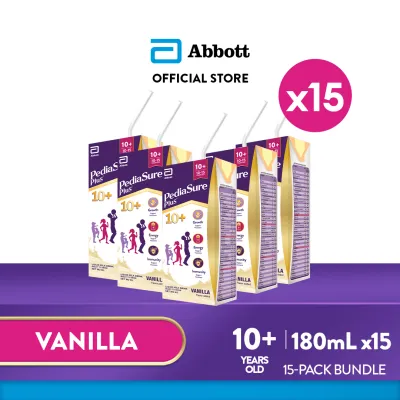

Prices are valid at publication and may change. Please refer to the product page for the latest price.
Nido: General Growth and Family-Friendly Options
Nido is widely recognized for providing accessible, daily dairy nutrition suitable for school-aged children and general family consumption. When shopping for a ten-year-old, verify that the specific Nido variant on the shelf is formulated for pre-teens and older school-aged children rather than toddlers. Check the nutrition label to evaluate the levels of calcium, vitamin D, and protein, which are essential for supporting rapid bone development and muscle growth during pre-adolescence. It is also wise to review the ingredient list for any added sugars or flavorings, ensuring the milk fits cleanly within your child’s daily recommended dietary limits without contributing to excessive sugar intake. This brand is often favored for its versatility, making it a popular choice for daily breakfast pairings.
Enfagrow: Focus on Cognitive and Immune Support
Enfagrow formulations are traditionally positioned with a strong emphasis on supporting cognitive development and immune health. When examining Enfagrow options for a ten-year-old, look closely at the nutrition facts panel for specific nutrients such as docosahexaenoic acid (DHA), arachidonic acid (ARA), iron, and zinc. Confirm that the recommended age range printed on the packaging explicitly covers the ten-year-old age bracket, as many variants are tailored for younger children. Additionally, compare the recommended serving sizes and preparation instructions to understand how the product fits into your child’s daily fluid and nutritional requirements. This brand is often chosen by parents who want to support their child’s academic focus and overall physical resilience during demanding school years.
Key Dimensions to Compare on the Nutrition Label
To make an objective decision between these brands, parents must learn to compare the exact nutrition labels of the specific variants available in the Philippines. Relying on brand names alone is not enough, as different product lines within the same brand can have vastly different nutritional profiles.

When comparing these labels in local supermarkets or online marketplaces, look for the official nutritional information panel. In the Philippines, these panels are designed to help parents understand the exact nutrient contribution per serving relative to local dietary guidelines. Paying close attention to these details ensures you are not misled by front-of-pack marketing claims, which often highlight specific ingredients without showing the complete nutritional picture.
Calories and Macronutrients Start by comparing the energy density, measured in calories per serving, alongside the macronutrient breakdown of proteins, fats, and carbohydrates. A ten-year-old child undergoing a growth spurt or participating in intense school sports may require a higher protein and caloric intake to sustain their energy. Conversely, a child with a sedentary lifestyle might benefit from a lighter formula that provides essential micronutrients without excess calories. Check the label to see how much protein is provided per glass and compare this to your child’s daily physical demands.
Micronutrients and Daily Values Next, prioritize key micronutrients that support pre-teen development, particularly calcium, iron, zinc, and vitamin D. Calcium and vitamin D work synergistically to build strong bones and teeth during these crucial years before puberty. Iron is vital for healthy blood circulation and cognitive function, while zinc supports immune defense and cellular growth. Look at the percentage of Daily Value (%DV) or Recommended Energy and Nutrient Intakes (RENI) on the packaging to see how much of these daily requirements a single serving of milk satisfies.
Sugar and Additives Finally, carefully examine the ingredient list for added sugars, such as sucrose, corn syrup solids, or maltodextrin, as well as artificial flavorings. While flavored milks can appeal to picky eaters, high amounts of added sugar can lead to energy crashes and impact long-term dental health. Compare the total sugar content per serving across the three brands, keeping in mind that some sugars are naturally occurring lactose from milk, while others are added during manufacturing. Opting for variants with lower added sugars helps maintain a balanced diet.
Matching the Milk to Your Child's Specific Needs
Every child has a unique lifestyle, dietary pattern, and physical constitution, meaning the ideal milk choice must be tailored to their daily realities in the Philippines.
In the Philippines, children’s daily routines can vary widely between academic-focused schedules and highly active outdoor play. The tropical climate also plays a significant role in how children expend energy and lose fluids throughout the day. Therefore, matching the milk to your child’s specific lifestyle is not just about growth, but also about supporting their daily comfort and stamina under local environmental conditions.
Picky Eaters or Underweight Children If your ten-year-old frequently skips meals, exhibits highly selective eating habits, or has been identified by a healthcare professional as underweight, nutritional density is your primary concern. In these situations, look for a milk formula that offers a high concentration of calories, healthy fats, and essential vitamins per serving. This helps ensure that even if the child consumes smaller portions of solid food during hot tropical afternoons, they still receive the baseline energy and nutrients required for healthy development. Check the label for complete, balanced nutrition claims that indicate the product can serve as a reliable dietary supplement.
Highly Active Children For pre-teens who are highly active—whether they are playing basketball in the neighborhood, training for school sports, or running around during recess in humid weather—energy recovery is key. These children require a steady supply of carbohydrates to replenish glycogen stores and protein to support muscle recovery and repair. When comparing labels, look for formulas that offer a balanced ratio of proteins and carbohydrates to serve as an effective post-activity recovery drink. This helps maintain their stamina and prevents fatigue during long school days.
Dietary Restrictions and Sensitivities It is vital to consider any digestive sensitivities or allergies your child may have before purchasing a growing-up milk. Children with lactose intolerance may experience bloating, gas, or abdominal discomfort after drinking standard cow’s milk formulas. If your child has a diagnosed milk protein allergy or lactose sensitivity, standard variants of Pediasure, Nido, or Enfagrow may not be suitable. Carefully inspect the allergen warnings on the packaging and look for specialized lactose-free or hypoallergenic alternatives, or consult a pediatrician for safe dietary substitutes.
How to Transition and Monitor Your Child's Response
Introducing a new growing-up milk into your ten-year-old’s routine should be a gradual process to ensure their digestive system adapts comfortably.
Gradual Introduction Method To minimize the risk of digestive upset, avoid switching your child’s milk brand abruptly overnight. Start by mixing a small portion of the new milk with their current milk or serving a half-portion of the new formula alongside their regular meals. Over the course of one to two weeks, slowly increase the proportion of the new milk while decreasing the old one until the transition is complete. This gradual adjustment is particularly helpful in the tropical climate of the Philippines, where hydration levels and digestive comfort can be easily influenced by heat and humidity.
Observable Signs of Tolerance During and after the transition, closely monitor your child for positive signs of physical tolerance and overall well-being. A well-tolerated milk should support normal, regular digestion without causing constipation, diarrhea, or excessive gas. You should also observe stable energy levels throughout their school day and extracurricular activities, as well as healthy skin free from sudden rashes or hives. Consistent sleep patterns and a general willingness to drink the milk without complaints are also excellent indicators of a successful transition.
When to Stop and Consult a Professional If your child exhibits any adverse reactions during the transition, such as persistent stomach pain, vomiting, chronic diarrhea, skin rashes, or respiratory changes, stop using the product immediately. These symptoms could indicate an underlying allergy or severe food intolerance that requires professional medical evaluation. Always consult a pediatrician or a registered dietitian before making major changes to your child’s diet, especially if they have pre-existing health conditions or if you are unsure which nutritional pathway best supports their growth.
Frequently Asked Questions (FAQ)
Can a 10-year-old safely drink toddler or preschool formula?
Before purchasing any milk product, always check the manufacturer’s age guidelines printed on the packaging. Toddler and preschool formulas are specifically designed for the rapid growth and metabolic rates of younger children, meaning their calorie-to-nutrient ratios may not align with the needs of a ten-year-old. Older children require different proportions of macronutrients and micronutrients to support school-age cognitive demands and pre-pubertal bone development. If you are considering using a toddler formula for an older child due to specific nutritional deficits, always consult a pediatrician first to ensure it is safe and effective.
How much growing-up milk should a 10-year-old drink daily?
To determine the appropriate daily intake, refer to the serving suggestions and precise preparation instructions on the product’s label. Generally, growing-up milk should serve as a supplement to, rather than a replacement for, a varied diet consisting of diverse solid foods and plenty of water. Drinking excessive amounts of milk can fill a child’s stomach, leading to a reduced appetite for main meals and potentially causing nutritional imbalances or excessive caloric intake. Monitor your child’s overall food consumption to ensure milk remains a healthy, balanced part of their daily nutrition.
Community discussion
Share your experience or ask a question. Comments are reviewed before publication.