
Quick Answer: Pediasure, Nido, or Enfagrow for Picky Eaters?
Choosing the right milk for a picky eater aged 3 or older requires balancing their daily solid food intake with targeted nutritional support. The decision between Pediasure 3 Plus Vanilla, Nido, and Enfagrow depends on whether your child requires a specialized medical supplement for catch-up growth or simply needs a daily fortified milk drink to support their regular diet. Pediasure 3 Plus Vanilla is formulated as a complete, balanced nutritional supplement with a higher caloric density, designed specifically for children experiencing growth faltering, recovering from illness, or facing severe dietary gaps.
In contrast, Nido (such as Nido 3+) and Enfagrow (such as Enfagrow A+ Four) are daily growing-up milks designed for children who are growing normally but may be mildly fussy. They provide a daily nutritional safety net without the high caloric load that could otherwise suppress a child’s appetite for solid foods. Because introducing a high-calorie formula can significantly impact a toddler’s natural eating patterns, parents must consult a pediatrician to assess the child’s growth curve before making a selection.
If your child is maintaining a healthy weight and height percentile, a standard fortified milk like Nido or Enfagrow is generally more appropriate to avoid excessive calorie or sugar intake. However, if a healthcare professional identifies a genuine growth delay or a chronic nutritional deficit, a specialized supplement like Pediasure 3 Plus may be recommended for a targeted period. Specialized catch-up formulas should only be used under medical guidance to ensure they support, rather than hinder, the transition to healthy solid food habits.
Products mentioned in this guide


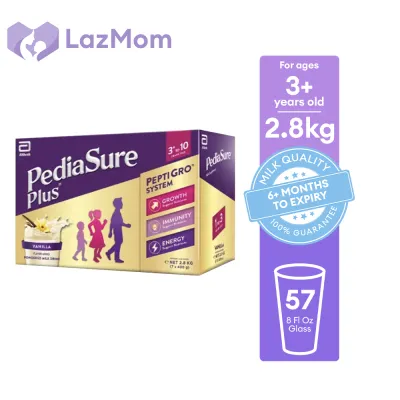





Prices are valid at publication and may change. Please refer to the product page for the latest price.
Understanding Picky Eating and Nutritional Gaps at Age 3
At age 3, a child’s growth rate naturally slows down compared to the rapid development of infancy. This physiological shift often leads to a noticeable drop in appetite, which parents frequently mistake for problematic picky eating. True picky eating ranges from a normal developmental phase—where toddlers assert independence and display food neophobia (fear of new foods)—to severe feeding difficulties that require professional medical intervention. Understanding where your child falls on this spectrum is crucial before modifying their milk routine, as over-relying on liquid nutrition can inadvertently prolong or worsen selective eating habits.

When a toddler restricts their diet, they often miss out on vital micronutrients that are difficult to obtain from a limited selection of foods. Iron, zinc, calcium, vitamin D, and vitamin C are among the most common nutritional gaps in selective eaters. Iron is essential for cognitive development and preventing anemia, while zinc supports immune function and appetite regulation. Calcium and vitamin D are critical for bone mineralization, especially during active preschool years. Growing-up milks and nutritional supplements are formulated to bridge these specific micro-nutritional gaps, but they are designed to complement, not replace, a diverse diet of solid foods.
To determine if your child truly needs a nutritional intervention, keep a detailed food diary for one to two weeks and track their growth percentiles using standard World Health Organization (WHO) growth charts, which are widely utilized by pediatricians in the Philippines. This objective data helps distinguish between a toddler who is simply eating small portions but growing well, and one who is genuinely missing key nutrients. If the child’s growth curve is stable, introducing a high-calorie supplement can fill their small stomach with liquid calories, leaving them even less interested in family meals.
Pediasure 3 Plus (Vanilla): Catch-Up Growth and Taste Profile
Pediasure 3 Plus Vanilla is positioned in the market as a specialized, complete, and balanced nutritional supplement rather than a standard daily milk drink. It is specifically engineered for children aged 3 and above who exhibit growth faltering, have increased caloric needs due to medical conditions, or suffer from severe dietary restrictions. With a caloric density of approximately 1 kilocalorie per milliliter when prepared according to the manufacturer’s precise instructions, it delivers a concentrated dose of macronutrients (proteins, fats, and carbohydrates) alongside essential vitamins and minerals to promote catch-up growth.
The vanilla flavor profile of Pediasure 3 Plus is intentionally sweet and creamy to appeal to children who may reject the taste of standard milks or plain unsweetened beverages. While this high palatability can make it easier for parents to introduce the supplement to a highly selective eater, the distinct sweetness carries nutritional trade-offs. Regular consumption of highly sweetened beverages can condition a toddler’s palate to prefer sweet tastes, potentially making them more resistant to bitter or neutral solid foods like vegetables and plain grains. Parents should always check the product label for the exact sugar content and compare it with daily recommended limits for preschoolers.
Because of its high caloric and nutrient density, using Pediasure 3 Plus as a default drink for a child who is growing normally can lead to rapid, unhealthy weight gain. Furthermore, drinking a high-calorie supplement too close to mealtime can suppress a toddler’s appetite, reinforcing the cycle of solid food refusal. It is vital to treat this formula as a targeted intervention, verifying the age indications, serving limits, and preparation guidelines on the packaging, and using it under the direct supervision of a pediatrician or registered dietitian.
Nido and Enfagrow: Daily Nutritional Support for Fussy Eaters
For toddlers who are growing within their expected percentiles but display mild fussiness at the dinner table, standard fortified growing-up milks offer a practical compromise. These products are formulated to provide daily nutritional insurance, reinforcing the diet with essential vitamins and minerals without the high caloric density of medical supplements.
Nido: Fortified Milk Drink and Familiar Taste
Nido, particularly variants like Nido 3+, is a widely recognized fortified powdered milk drink known for its classic, creamy dairy flavor. This familiar taste profile makes it highly acceptable to toddlers, especially those transitioning from breastmilk or standard toddler formulas. Because it tastes like traditional milk rather than a highly sweetened nutritional shake, it helps maintain a balanced palate, making it easier for children to accept other unsweetened dairy products and solid foods.
From a nutritional standpoint, Nido is fortified with essential nutrients designed to support a child’s overall development and immune system. It typically includes iron, vitamin C, zinc, and calcium, with vitamin C playing a critical role in enhancing the absorption of dietary iron. When choosing this option, parents must carefully verify the specific age variant on the packaging, as formulations are tailored to the distinct developmental needs of different age groups (such as Nido 1+ versus Nido 3+). Additionally, in warm and humid tropical climates like the Philippines, proper storage of the powder in a cool, dry place is essential to prevent clumping and preserve the quality of the added nutrients.
Enfagrow: Brain Development and General Immunity
Enfagrow, such as Enfagrow A+ Four, is formulated with a strong emphasis on cognitive development and immune support for children aged 3 and older. The brand frequently highlights the inclusion of brain-support ingredients, most notably Docosahexaenoic Acid (DHA)—an omega-3 fatty acid critical for brain structure and function—alongside Milk Fat Globule Membrane (MFGM) and prebiotic blends. This focus makes it a popular choice for parents looking to support their child’s cognitive milestones during their active preschool years.
The taste and texture profile of Enfagrow is generally designed to be smooth and moderately sweet, serving as a reliable daily nutritional safety net. It is intended for children who are growing normally but may have inconsistent eating habits, ensuring they receive a steady supply of brain-building nutrients and immune-supporting vitamins. Parents should always read the physical packaging for precise preparation instructions, ensuring they use the correct scoop-to-water ratio to maintain the intended nutrient delivery and avoid digestive discomfort.
Key Comparison Dimensions: Taste, Nutrients, and Daily Use
To help parents navigate these options, comparing their core characteristics side-by-side highlights how they serve different nutritional roles.
| Dimension | Pediasure 3 Plus (Vanilla) | Nido (e.g., Nido 3+) | Enfagrow (e.g., Enfagrow A+ Four) |
|---|---|---|---|
| Primary Intended Use | Specialized catch-up growth and complete nutritional supplementation. | Daily fortified milk drink for general growth and immunity. | Daily fortified milk drink with a focus on brain development. |
| Caloric Density | High caloric density (approx. 1 kcal/mL) to address growth faltering. | Standard milk caloric density to complement daily meals. | Standard milk caloric density to complement daily meals. |
| Key Highlight Nutrients | Comprehensive macro- and micronutrients, triple protein blend. | Iron, Vitamin C, Zinc, Calcium, and daily immune-support nutrients. | DHA, MFGM, prebiotics, and essential cognitive-support vitamins. |
| Flavor & Palatability | Distinctly sweet vanilla flavor; highly appealing to selective eaters. | Creamy, traditional dairy taste; easy transition from breastmilk. | Mildly sweet, smooth dairy flavor; neutral palate acceptance. |
| Target Audience | Children with documented growth delays or severe dietary gaps. | Normally growing children who need affordable daily nutrient support. | Normally growing children with a focus on cognitive and immune support. |
Because manufacturers frequently update their formulations, sugar levels, and ingredient sources, parents must read the physical product label of the specific tin they purchase for the most accurate, up-to-date data. Preparation techniques also play a critical role in preserving the nutritional value of these formulas. For instance, many growing-up milks contain heat-sensitive vitamins (like Vitamin C) or beneficial probiotics. In warm tropical climates, boiling water must be allowed to cool down to lukewarm (approximately 37°C to 40°C) before mixing the powder, as using boiling water can destroy these sensitive components and reduce the formula’s nutritional efficacy.
Decision Framework: Choose Pediasure, Nido, or Enfagrow If…
Selecting the right formula requires matching the product’s specific nutritional profile with your child’s growth status and dietary habits.
Choose Pediasure 3 Plus if:
- Your child has documented growth faltering, is falling behind on their weight or height percentiles, or is recovering from a prolonged illness.
- A pediatrician or registered dietitian has explicitly recommended a high-calorie, complete nutritional supplement to address severe dietary gaps.
- Your child exhibits extreme sensory issues or food selectivity that prevents them from consuming adequate macronutrients from solid foods.
Choose Nido if:
- Your child is growing normally and maintaining a healthy growth curve, but you want a reliable, cost-effective daily fortified milk to guard against minor micronutrient deficiencies.
- You prefer a milk with a traditional, creamy dairy taste that does not overly sweeten your child's palate, helping them transition more easily to standard family meals.
- You are looking for a highly accessible option that focuses on foundational nutrients like calcium, iron, and vitamin C.
Choose Enfagrow if:
- Your child is growing normally but is a mildly selective eater, and you want to prioritize developmental nutrients like DHA and MFGM for brain support during their preschool years.
- You want a daily nutritional safety net that supports both immune health and cognitive milestones without the high caloric density of a catch-up supplement.
- Your child prefers a smooth, moderately sweet milk drink that fits easily into a balanced daily routine.
Verify first and consult a professional if:
- Your child has a suspected or diagnosed cow's milk protein allergy (CMPA) or lactose intolerance, as standard formulas may cause adverse digestive or systemic reactions.
- Your child has underlying metabolic conditions, chronic digestive issues, or if you are unsure whether their picky eating is affecting their long-term growth and development. Always prioritize professional medical advice over generic product recommendations.
Frequently Asked Questions (FAQ)
Can I mix nutritional supplements like Pediasure with regular milk?
You should strictly follow the manufacturer’s preparation instructions on the product packaging, which typically direct you to mix the powder with water. Mixing a high-calorie nutritional supplement like Pediasure with regular cow’s milk instead of water alters the intended nutrient, protein, and caloric density of the beverage. This concentrated mixture can place unnecessary strain on your toddler’s developing kidneys and digestive system. If you believe your child requires a customized caloric concentration, only adjust the preparation method under the direct supervision and guidance of a pediatrician or a registered dietitian.
How many servings of formula milk should a 3-year-old drink daily?
Parents should always refer to the specific product label for recommended daily servings, as these guidelines vary depending on whether the product is a high-calorie supplement or a standard fortified milk. Generally, for children aged 3 and older, pediatricians recommend limiting milk intake to one to two servings (approximately 250 to 500 milliliters) per day. Consuming excessive amounts of milk can easily fill a toddler’s small stomach with liquid calories, leaving them with little to no appetite for solid foods at mealtimes. This over-reliance on milk can inadvertently worsen picky eating habits and lead to nutritional imbalances like iron-deficiency anemia.
What should I do if my child refuses the taste of the new formula?
If your child rejects a new formula, avoid forcing them to drink it, as high-pressure tactics can create negative associations with mealtime and increase food resistance. Instead, try low-risk, gradual introduction strategies, such as offering a very small serving (just a few sips) when they are naturally thirsty, or serving the milk at their preferred temperature. In warmer tropical climates, some toddlers may prefer their milk slightly chilled rather than warm. If your pediatrician approves, you can also transition them gradually by mixing a small amount of the new formula with their currently accepted milk, slowly increasing the proportion of the new formula over several days until they adapt to the new taste.
Community discussion
Share your experience or ask a question. Comments are reviewed before publication.