
Choosing the right growing-up milk for a child over three years old is a common crossroads for parents in the Philippines. At this stage, children become highly active, their cognitive abilities expand rapidly, and their eating habits often become unpredictable. When walking down the dairy aisle of a local supermarket or browsing online stores, three major names stand out: Pediasure 3 Plus, Nido 3+, and Enfagrow A+. Parents often wonder which option best supports their child’s physical growth, immune system, and brain development.
There is no single, universally superior nutritional drink for every child. The ideal choice depends entirely on your child’s specific eating patterns, current growth trajectory, and daily solid food intake. Each of these three products has been formulated with a distinct primary purpose. Pediasure 3 Plus serves as a calorie-dense, complete nutritional supplement designed to help selective or picky eaters catch up on growth. Nido 3+ functions as an everyday fortified milk that complements a standard solid diet by boosting daily immunity and bone health. Enfagrow A+ places a heavy emphasis on cognitive development, packing its formula with ingredients like DHA to support brain milestones during the preschool years.
Before making any changes to your child’s diet, it is vital to establish a clear safety boundary. If your child exhibits severe growth faltering, has suspected food allergies, or suffers from underlying medical conditions, always consult a pediatrician or qualified healthcare professional. A doctor can diagnose any systemic issues and provide personalized dietary recommendations that a standard commercial milk comparison cannot replace.
Products mentioned in this guide

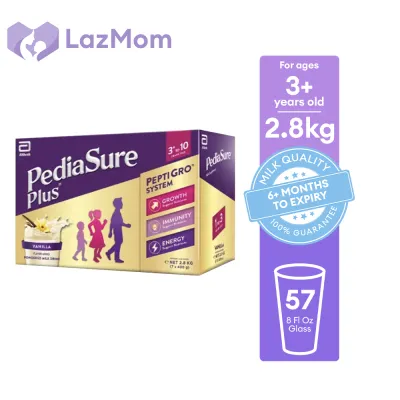
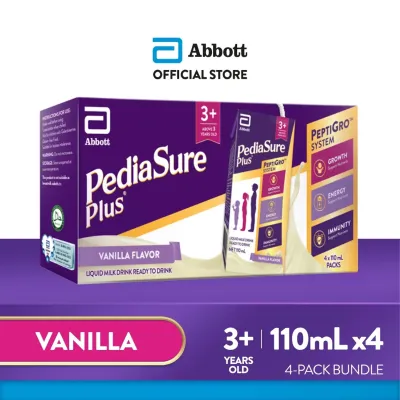


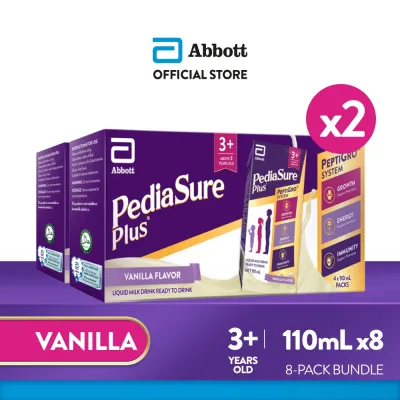


Prices are valid at publication and may change. Please refer to the product page for the latest price.
Brand Positioning: How Pediasure 3 Plus, Nido, and Enfagrow Differ
Understanding the underlying philosophy behind each brand helps clarify why their ingredient lists and nutritional panels look so different. These products are not direct substitutes; rather, they target different nutritional profiles and childhood development scenarios. By analyzing their market positioning, parents can easily align their choices with their child’s daily physical activities and eating habits.
Pediasure 3 Plus: Complete Nutrition for Picky Eaters
Pediasure 3 Plus is positioned as a complete, balanced nutritional supplement rather than a standard daily milk drink. It is designed for children aged three and older who are highly selective eaters, have a poor appetite, or require targeted support to catch up on physical growth milestones. In the Philippines, where hot, humid afternoons can sometimes suppress a child’s appetite, parents often worry when their little ones refuse solid meals. This formula steps in to fill critical nutritional gaps by providing a dense concentration of essential macronutrients and micronutrients.
Unlike standard everyday milks, Pediasure 3 Plus is formulated to serve as a comprehensive meal supplement. It features a higher caloric density, meaning that a single serving delivers more energy than a typical glass of regular milk. This helps ensure that even if a child only consumes a small volume, they still receive a substantial amount of calories, high-quality protein, vitamins, and minerals. Parents should check the product label to understand its specific macronutrient profile—including the balance of proteins, healthy fats, and carbohydrates—and compare these values to standard milk options to appreciate its specialized supplemental role.
Nido 3+: Everyday Fortified Milk for Active Kids
Nido 3+ is positioned as an everyday fortified milk powder designed for children who are already transitioning well to solid family foods but still require a reliable daily beverage to support their active lifestyles. It is not intended to be a medical or high-calorie catch-up supplement. Instead, its formulation focuses on reinforcing a child’s daily nutrient intake, particularly in areas where typical toddler diets might fall short. It is a highly familiar brand in Filipino households, known for its accessible price point and wide availability in local supermarkets.
The primary goal of Nido 3+ is to offer a boost of essential vitamins and minerals, specifically targeting immunity and bone development. It is commonly fortified with Vitamin C, Iron, Zinc, and Calcium, which work together to support a child’s natural defenses during daily play and learning. Because its taste profile and texture are closer to standard dairy milk, it often serves as a comforting, familiar beverage for children transitioning away from early-stage infant formulas or breastmilk. It provides a practical, cost-effective way to ensure that an active child who already eats regular meals gets a consistent baseline of daily micronutrients.
Enfagrow A+: DHA and Brain Development Focus
Enfagrow A+ is formulated with a distinct emphasis on cognitive development and brain health during the critical preschool years. This stage of a child’s life is marked by rapid language acquisition, creative play, and the beginning of formal learning environments. The brand positions itself as a premium option for parents who want to prioritize cognitive milestones, memory retention, and visual development alongside physical growth.
The defining characteristic of Enfagrow A+ is its focus on brain-supporting nutrients, most notably Docosahexaenoic Acid (DHA) and Arachidonic Acid (ARA). These polyunsaturated fatty acids are crucial structural components of the brain and retina. By fortifying their product with these lipids, the manufacturers aim to support the neural pathways that develop rapidly during early childhood. Parents choosing this option are typically looking to give their children cognitive support as they start exploring books, puzzles, and social interactions. Because manufacturers frequently update their formulations to align with the latest pediatric research, parents should always verify the exact DHA content, source ingredients, and accompanying nutrient levels on the current product packaging before purchasing.
4 Crucial Label Details to Compare Before Buying
When comparing these three options, relying on front-of-pack marketing claims is rarely enough. Parents need to flip the tin around and examine the Nutrition Facts panel and ingredient list closely. Formulations can vary slightly by region, batch, and product line, making a direct label check the most reliable way to make an informed decision.

Protein and Calorie Density The first detail to compare is the energy value, usually listed as kilocalories (kcal) per serving or per 100 grams of powder. A high-calorie formula like Pediasure 3 Plus is designed to deliver more energy per milliliter, which is ideal for a child who struggles to gain weight or eats very little solid food. However, if your child already has a healthy appetite and eats three balanced meals a day, a highly calorie-dense drink might make them feel too full, potentially causing them to reject their regular meals. Always check the protein content as well, ensuring it matches your child’s developmental stage without overloading their kidneys.
Sugar Content and Sweeteners Parents must look closely at the ingredient list to identify the types of carbohydrates used in the formula. Some growing-up milks contain added sugars such as sucrose, corn syrup solids, fructose, or maltodextrin to improve taste and increase calorie content. Others rely primarily on lactose, the sugar naturally found in milk. High levels of added sugars can contribute to early childhood dental cavities and may condition a child’s palate to prefer extremely sweet foods, making it harder to introduce bitter vegetables later on. Comparing the “Total Sugars” and “Added Sugars” lines on the nutritional panel is a practical way to safeguard your child’s long-term dietary habits.
Key Micronutrients (DHA, Iron, Calcium) Take the time to compare the percentages of daily recommended values for essential micronutrients. For cognitive support, look at the absolute milligrams of DHA per serving. For bone development and physical stature, compare the Calcium and Vitamin D levels, as Vitamin D is necessary for the body to absorb calcium efficiently. Additionally, check the Iron and Vitamin C content; iron is vital for preventing iron-deficiency anemia—a common issue among toddlers in developing regions—and Vitamin C significantly enhances the absorption of dietary iron.
Prebiotics and Digestive Support A child’s digestive system is still maturing, and transitions between different milks can sometimes lead to mild constipation or loose stools. Look for the inclusion of prebiotics, which are specialized dietary fibers such as Fructooligosaccharides (FOS), Galactooligosaccharides (GOS), or inulin. These fibers serve as food for beneficial gut bacteria, promoting a healthy microbiome and supporting regular bowel movements. In the tropical climate of the Philippines, keeping a child’s digestion smooth and comfortable is essential for their overall daily well-being and active play.
Cost Per Serving: Calculating the Real Value
While the retail price of a single tin of milk is the most visible cost, it does not tell the whole story. To understand the true financial commitment of feeding your child a specific brand over several months, you must calculate the cost per serving. Different brands use different scoop sizes and recommend different volumes of water per feed, meaning a larger tin does not always yield more servings than a smaller one.
To calculate this, divide the total retail price of the container by the number of servings it provides. You can find the estimated number of servings on the back of the packaging, or calculate it by dividing the total net weight of the powder by the weight of a single recommended serving (usually measured in grams per scoop multiplied by the number of scoops required). For example, specialized, nutrient-dense formulas like Pediasure 3 Plus generally carry a higher cost per serving because of their complex ingredient profiles and specialized manufacturing processes. In contrast, everyday fortified milks like Nido 3+ are designed for mass consumption and typically offer a much lower cost per serving, making them highly budget-friendly for large families.
When sourcing these products in the Philippines, check reputable local supermarkets, major drugstores, or the official flagship stores of the respective brands on authorized online marketplaces. Prices can fluctuate based on promotions, bundle deals, and subscription discounts. Parents should exercise extreme caution and avoid buying from unauthorized third-party online sellers offering prices that seem too good to be true. These cheap products carry a high risk of being counterfeit, expired, or improperly stored in hot, humid warehouses, which can degrade the sensitive vitamins and probiotics inside.
The Decision Framework: Which One Should You Buy?
To make your final decision, look at your child’s current lifestyle, physical growth, and eating habits. Rather than looking for a generic “winner,” choose the product that matches your child’s immediate developmental needs.
- Choose Pediasure 3 Plus if: Your child is a highly selective or picky eater, struggles to meet standard weight and height milestones, is recovering from a recent illness, or needs a reliable, calorie-dense nutritional safety net to fill significant dietary gaps.
- Choose Nido 3+ if: Your child already eats a relatively balanced solid diet of family meals but needs an affordable, everyday fortified milk to support general immunity, bone strength, and daily energy levels during active play.
- Choose Enfagrow A+ if: Your primary goal is to support cognitive development, memory, and visual acuity during the preschool years, and your child already maintains a reasonably healthy appetite for solid foods.
- Verify first if: Your child has a known cow's milk protein allergy, lactose intolerance, or a specific underlying medical condition. Standard commercial growing-up milks are not suitable for children with these specific health challenges. In such cases, you must consult a pediatrician or pediatric gastroenterologist to obtain a prescription for specialized, hypoallergenic, or lactose-free formulas.
Frequently Asked Questions (FAQ)
Is it safe to switch between these brands if my child refuses one?
Yes, switching between these brands is generally safe for healthy children who do not have diagnosed food allergies or severe digestive sensitivities. However, a sudden transition can sometimes cause mild digestive upset, such as temporary bloating, gas, or changes in stool consistency, as the child’s gut adjusts to a new formulation. To prevent this, introduce the new milk gradually over a period of three to five days. Start by mixing a small portion of the new milk powder with the old one, slowly increasing the ratio of the new brand each day until the transition is complete. This gradual process also helps your child adjust to differences in taste and texture.
Do these drinks replace a balanced solid food diet?
No, these nutritional drinks are never meant to replace a balanced solid food diet for children aged three and older. At this stage of development, solid foods—including a variety of meats, fish, vegetables, fruits, and grains—should remain the primary source of essential nutrients, fiber, and daily calories. Growing-up milks and nutritional supplements are designed solely to fill minor dietary gaps or provide extra support during phases of picky eating. Relying too heavily on liquid nutrition can prevent children from developing proper chewing habits and exploring diverse food textures, which are crucial for their long-term oral and physical development.
Community discussion
Share your experience or ask a question. Comments are reviewed before publication.