
Quick Answer: Which Nutritional Milk Should You Choose?
Choosing the right nutritional milk for your growing child in the Philippines comes down to identifying their specific dietary gaps, taste preferences, and developmental stages. With options like Pediasure 3 Plus, Nido, and Enfagrow widely available, parents must look beyond generic marketing to find the formula that aligns with their child’s daily routine.
A quick decision framework can help you narrow down the choices based on observable traits:
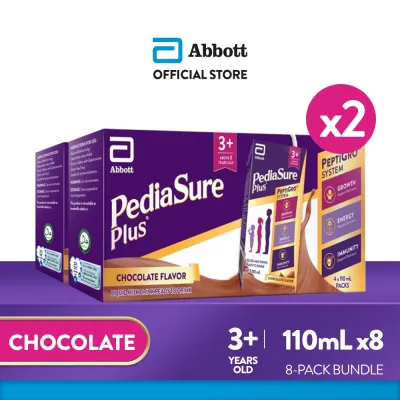
- Pediasure 3 Plus: Select this option if your child is experiencing growth gaps, exhibits picky eating habits, and strongly prefers a rich chocolate flavor to ensure they finish their glass.
- Nido: Choose this brand if you are looking for a reliable, everyday fortified milk for an older toddler or preschooler, especially if you want a budget-friendly option that transitions smoothly into family meal times.
- Enfagrow: Opt for this brand if your primary focus is on supporting cognitive milestones and you want to verify specific brain-support ingredients, such as DHA, directly on the product label.
Before making any final purchase, always verify if your child has known food allergies, lactose intolerance, or specific medical conditions that require specialized clinical formulas rather than standard over-the-counter options.
Products mentioned in this guide







Prices are valid at publication and may change. Please refer to the product page for the latest price.
Understanding the Contenders: Target Ages and Core Focus
Before comparing specific ingredients, you must verify the appropriate age range and primary marketing focus for each brand. Giving a child a formula designed for a different developmental stage can lead to an inappropriate nutrient density that their digestive system is not yet ready to process.

Pediasure 3 Plus To verify the target age for Pediasure 3 Plus, look closely at the front and back of the packaging. This formulation is specifically designed for children aged three years and older. Its primary focus is to provide comprehensive nutritional support for children who may be falling behind in height and weight or those who struggle with consistent solid food intake. It is positioned as a nutritional supplement rather than a standard daily milk replacement.
Nido Nido offers several variants that cater to different childhood stages, making it essential to read the labels carefully. For toddlers, you will find options like Nido 3+, while older children transitioning into school age may require Nido 5+. Each variant adjusts its vitamin and mineral ratios to match the typical dietary intake of that specific age bracket. Differentiating these options ensures your child receives the correct level of fortification without overloading their system.
Enfagrow Enfagrow is structured around developmental stages, often labeled clearly as Stage 3 or Stage 4 depending on whether the child is a toddler or a preschooler. The brand positions itself heavily around cognitive development and immune support. When selecting Enfagrow, check the packaging to ensure the stage matches your child’s current age, as the nutrient ratios are calibrated to support specific physical and mental milestones typical of those years.
Strictly matching your child’s age to the manufacturer’s recommended stage is critical. Toddler formulas and preschool milks have distinct protein, fat, and mineral concentrations designed to complement the solid foods typical of those age groups.
Comparing Nutritional Profiles: What to Check on the Label
To make an informed choice, you must look past front-of-pack slogans and actively read the Nutrition Facts panel and ingredient lists. Comparing these values directly allows you to match the milk to your child’s actual daily dietary gaps.
Macronutrients Begin by comparing the protein, fat, and carbohydrate content per serving. A child who eats very little meat or healthy fats may benefit from a formula with a higher protein and lipid content to support muscle and tissue development. Conversely, if your child already eats a balanced diet but needs a general nutritional safety net, a standard fortified milk with moderate macronutrient levels may be more appropriate. Note the serving size on each package, as some brands require larger scoops or more water, which changes the nutrient density per glass.
Micronutrients Look closely at the percentages of daily values for key vitamins and minerals:
- Calcium and Vitamin D: Essential for bone development and dental health, especially during rapid growth spurts.
- Iron and Zinc: Critical for supporting normal cognitive function and maintaining a healthy immune system.
- Vitamin A and C: Important antioxidants that support skin health and immune defenses in tropical climates.
Special Ingredients Many brands highlight specific functional ingredients on their packaging. When comparing these claims, locate them on the actual ingredient list to verify their presence:
- DHA and ARA: These omega-3 and omega-6 fatty acids are often associated with brain development. Check the exact milligrams per serving on the label to compare concentration levels.
- Prebiotics and Probiotics: Look for terms like inulin, oligofructose, or specific bacterial strains (such as Lactobacillus) which support gut health and digestion.
Sugar Content Managing your child’s daily sugar intake is vital for long-term health and preventing an excessive preference for sweet tastes. Check the nutrition panel for “Added Sugars” or “Total Carbohydrates.” Some flavored variants, particularly chocolate options, may contain higher levels of sucrose or corn syrup solids to enhance taste. Compare these values across the three brands to find a balance between palatability and nutritional quality.
Taste and Picky Eaters: Navigating the Chocolate Factor
Even the most nutritionally complete milk is useless if your child refuses to drink it. Navigating taste preferences is a common challenge for parents, especially when dealing with picky eaters.
Pediasure 3 Plus Chocolate The chocolate variant of Pediasure 3 Plus is highly popular among parents of picky eaters. The rich, familiar chocolate flavor can make the milk highly appealing to children who consistently reject plain or vanilla-flavored milks. This can be a practical tool for parents trying to ensure their child receives necessary nutrients during a stubborn phase of food refusal. However, it is important to monitor overall daily sugar intake when introducing a sweetened chocolate beverage.
Nido and Enfagrow Flavor Variants Nido and Enfagrow are most commonly known for their plain or mild vanilla flavors, which mimic the natural taste of milk. Some children prefer these lighter, less intense flavors, especially if they are used to standard fresh milk. While some regions may offer flavored variants for these brands, they generally focus on a creamy, natural taste profile that transitions easily into everyday family meals.
Transition Strategies If you are transitioning your child to a new milk brand, consider these practical strategies:
- Temperature adjustments: Some children prefer their milk warm, while others in warm, tropical climates may accept it better when chilled. Check the manufacturer's instructions to see if the powder dissolves easily in cold water.
- Gradual mixing: Slowly introduce the new milk by mixing a small amount of the new powder with their current milk, gradually increasing the ratio over several days.
- Consistent preparation: Always follow the exact scoop-to-water ratio recommended by the manufacturer to ensure the texture and taste remain consistent.
Checking for Additives If you prefer a more natural diet for your child, check the ingredient list for artificial flavorings, colorings, or preservatives. Choosing variants that use natural flavorings can help establish healthier taste preferences as your child grows.
Price and Value: Calculating the True Cost per Serving
Providing nutritional milk is a recurring monthly expense, making it essential to calculate the true cost per serving rather than just comparing the retail price of the box.
Calculating Cost per Serving To find the actual cost of feeding your child daily, do not rely on the price tag of the package alone. Use this simple calculation:
- Identify the total net weight of the package (e.g., 800g, 1.2kg).
- Check the nutrition label for the recommended serving size in grams (or the number of scoops required per glass).
- Divide the total package weight by the serving size to find the total number of servings per pack.
- Divide the retail price in ₱ by the total number of servings to get the exact cost per serving.
Comparing Pack Sizes When starting a new milk, purchase the smallest available trial pack first. This prevents waste if your child dislikes the taste or experiences digestive discomfort. Once your child has successfully accepted the formula, transitioning to larger bulk packs (such as 1.2kg or 1.6kg boxes) typically offers a lower cost per serving and reduces the frequency of shopping trips.
Safe Purchasing Channels To protect your child’s health, only purchase nutritional milk from verified, reputable sources. Counterfeit or improperly stored milk powder can lose its nutritional value or pose serious health risks.
- Official Brand Stores: Many manufacturers operate official flagship stores on major ecommerce platforms, ensuring authentic products direct from the warehouse.
- Authorized Supermarkets: Buying from established local supermarkets and drugstores guarantees that the products have been transported and stored under controlled conditions.
- Reputable Online Malls: Look for verified mall tags on online marketplaces to ensure you are buying from authorized distributors.
Essential Delivery Checks When your purchase arrives, perform these quick quality checks before opening the container:
- Expiration Date: Ensure the product has several months of shelf life remaining, especially when buying in bulk.
- Seal Integrity: Check that the outer box is undamaged and the inner foil seal is completely intact with no punctures or tears.
- Packaging Condition: In humid climates, any compromise in the packaging can allow moisture to enter, leading to clumping or spoilage. Reject any packages that show signs of dampness or swelling.
Your Final Decision Checklist
To finalize your choice, follow this step-by-step evaluation process to ensure the selected milk meets your child’s physical needs and fits your household budget.
- Step 1: Verify Age and Health Compatibility
Confirm that the milk is explicitly labeled for your child's current age group. Rule out any potential allergy risks by reviewing the allergen warnings (such as soy, milk, or gluten) on the back of the pack. - Step 2: Match Nutritional Profiles to Dietary Gaps
Assess your child's daily solid food intake. If they struggle to eat balanced meals, look for a highly fortified supplement like Pediasure 3 Plus. If they eat well but need general support, a standard fortified milk like Nido or Enfagrow may suffice. Consult your pediatrician to identify specific nutrient deficiencies. - Step 3: Evaluate Taste and Budget
Consider your child's flavor preferences—such as their acceptance of plain milk versus a strong preference for chocolate. Calculate the cost per serving in ₱ to ensure the choice is financially sustainable for your family over the long term.
If your child exhibits persistent growth delays, severe food aversion, or digestive issues like chronic diarrhea or constipation, stop the over-the-counter selection process immediately. Consult a pediatrician or a registered dietitian to receive a tailored nutritional plan and rule out underlying medical conditions.
Frequently Asked Questions (FAQ)
Can I mix Pediasure 3 Plus Chocolate with regular fresh milk?
Before mixing any nutritional supplement powder with fresh milk, you must consult the manufacturer’s preparation instructions. Standard formulas are designed to be reconstituted with clean, safe water to achieve the precise nutrient density intended by the manufacturer. Mixing the powder with fresh milk instead of water significantly increases the concentration of proteins, fats, and minerals. This can place an unnecessary strain on your child’s developing kidneys and digestive system. Additionally, it may alter the taste and texture, potentially causing your child to reject the drink entirely. If you wish to adjust the flavor or richness, observe your child’s digestive response closely and seek advice from a pediatrician.
How do I know if my child actually needs a nutritional supplement milk?
It is common for toddlers and preschoolers to go through phases of picky eating, which does not always mean they require high-calorie nutritional supplements. You can look for observable signs of poor intake, such as lethargy, frequent illness, or a flatlining growth curve on their pediatric chart. However, the foundation of your child’s nutrition should always be a balanced diet of solid foods, including fruits, vegetables, grains, and proteins. Before starting any daily nutritional supplement milk, obtain a professional pediatric evaluation. A doctor can assess your child’s growth milestones and determine if a supplement is truly necessary or if simple dietary adjustments to their solid meals would be more beneficial.
Community discussion
Share your experience or ask a question. Comments are reviewed before publication.