
Quick Answer: Which Nutritional Milk Should You Choose?
Selecting the right nutritional milk for a ten-year-old requires understanding that there is no single “best” option for every child. At this developmental stage, your child’s body is preparing for the rapid changes of pre-puberty, making their nutritional intake highly influential. The ideal choice depends on your child’s current dietary gaps, daily physical activity levels, digestive comfort, and taste preferences.
To help you make an immediate, informed decision, you can use this conditional framework based on your child’s specific profile:
- Choose PediaSure 10 Plus if your child is a picky eater, has a small appetite, is highly active, or needs targeted caloric and micronutrient support to catch up on standard growth charts.
- Choose Nido if your child already eats a relatively balanced diet and you want a cost-effective, fortified whole-milk-based supplement to secure their daily baseline of calcium and essential vitamins.
- Choose NAN if your child has a sensitive stomach, experiences occasional digestive discomfort, or if you want to prioritize gut health and immune support through active probiotics.
- Choose Enfagrow if your primary goal is to support cognitive development, focus, and brain health during these demanding pre-teen school years with a formula rich in DHA and key lipids.
While these nutritional milks offer excellent support for growing children, they are formulated as dietary supplements rather than complete meal replacements. If your child has diagnosed nutritional deficiencies, severe food allergies, or underlying medical conditions, always consult a pediatrician or a qualified healthcare professional before introducing a new specialized milk formula into their daily routine.
Products mentioned in this guide
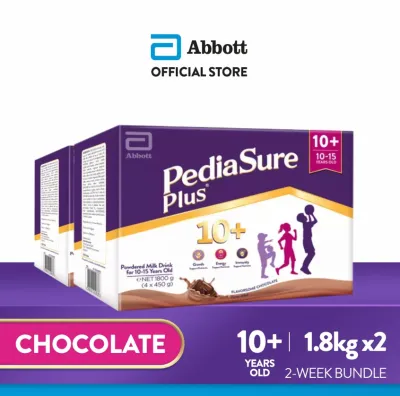
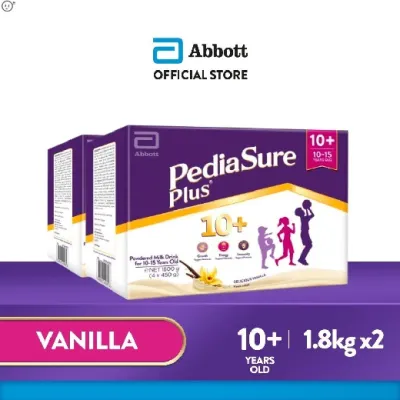
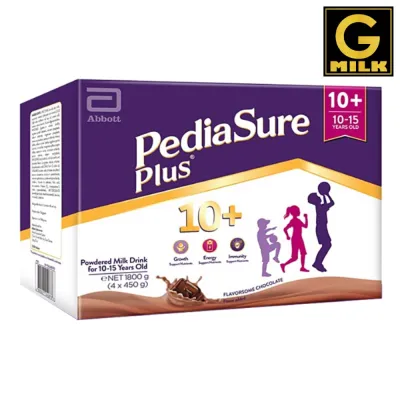
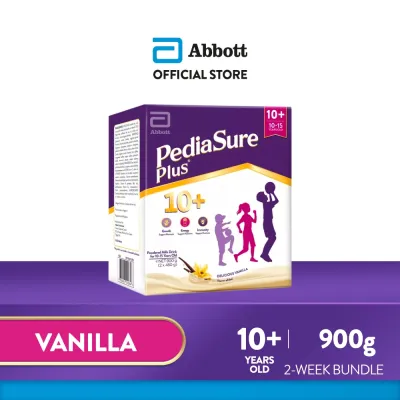
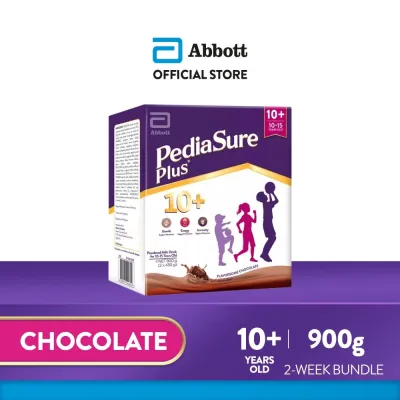
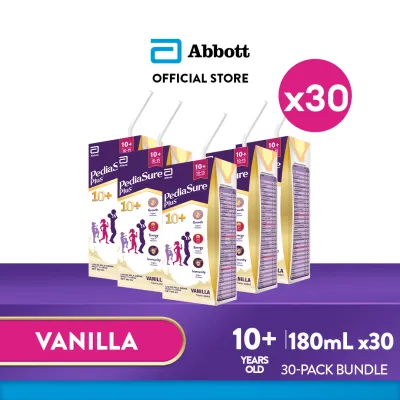
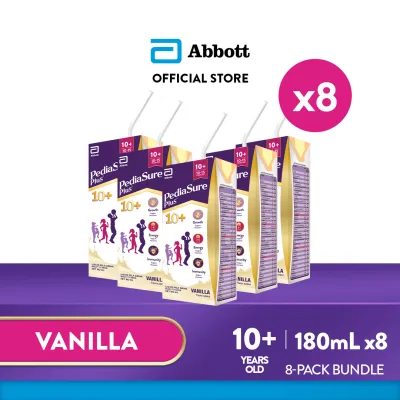
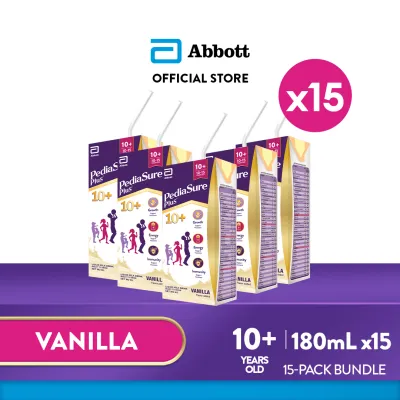
Prices are valid at publication and may change. Please refer to the product page for the latest price.
Key Nutritional Milestones for 10-Year-Olds
At ten years old, children stand on the brink of adolescence, entering a phase of rapid physical growth and cognitive development. This pre-puberty transition dramatically increases their daily demand for specific vitamins, minerals, and macronutrients. Because their bones are lengthening and their muscle mass is expanding, their bodies require a steady stream of high-quality building blocks to support this sudden physical surge.

Calcium and Vitamin D are the absolute cornerstones of skeletal development during this window. During pre-puberty, the body deposits calcium into the bones at an accelerated rate, establishing the bone density foundation that carries them through adulthood. Vitamin D acts as the essential partner to calcium, facilitating its absorption in the small intestine; without adequate Vitamin D, even a calcium-rich diet cannot effectively support bone mineralization.
Protein is equally vital, serving as the primary structural component for muscle development, tissue repair, and hormone production. As children become more active in sports or daily school activities, their protein requirements rise to support muscle recovery and overall physical stamina. Additionally, iron is critical for supporting the expansion of red blood cells and oxygen delivery throughout the body, which directly impacts their energy levels and cognitive performance in the classroom.
Zinc and immune-supporting vitamins also play a protective role during this active stage of life. Zinc supports cellular growth, DNA synthesis, and a robust immune response, helping pre-teens stay healthy and minimize school absences. It is important to remember that nutritional needs at age ten differ significantly from toddlerhood; milk is now a structured supplement to a diverse diet of solid foods, designed to fill nutritional gaps rather than serve as the primary source of daily calories.
Furthermore, parents must remain vigilant regarding the sugar content in growing-up milks. Many flavored or highly processed milk drinks contain substantial amounts of added sugars, such as sucrose, corn syrup solids, or maltodextrin, to appeal to older children’s palates. Regularly consuming excessive added sugars can lead to rapid energy fluctuations, dental cavities, and an increased risk of unhealthy weight gain, making it essential to carefully read and compare nutrition labels.
Brand Breakdown: Strengths and Ideal Use Cases
Understanding the distinct formulation philosophies behind these four major brands allows you to match their specific nutritional designs with your child’s physical and developmental needs.
PediaSure 10 Plus
Positioned specifically as a specialized nutritional supplement for older children aged ten to fifteen, pediasure 10 plus is engineered to address the unique growth demands of the pre-teen and early teenage years. It is not a standard daily milk but rather a high-density nutritional support system designed for children who may be falling behind on standard height and weight charts.
Its key focus lies in its high caloric density and its comprehensive blend of essential vitamins and minerals. The formula delivers a higher concentration of protein, healthy fats, and carbohydrates per serving compared to standard household milks, ensuring that even children with small appetites receive a potent dose of energy. It often features a specialized blend of proteins alongside key bone-supporting nutrients like Vitamin K2 and Arginine, which work synergistically to promote bone elongation.
This makes it highly suitable for children who are picky eaters, those recovering from recent illnesses, or pre-teens with exceptionally high physical activity levels who struggle to meet their energy demands through three standard meals. If your child requires a structured, calorie-dense option to bridge significant nutritional gaps, this formula provides a targeted solution.
Nido
Nido is a highly popular, household-name fortified milk designed to offer reliable, everyday nutrition for growing children. Rather than serving as a specialized medical or high-calorie growth formula, Nido is positioned as a fortified whole milk drink that enhances the nutritional value of standard dairy.
Its formulation focuses on delivering essential daily vitamins and minerals—particularly Calcium, Vitamin D, Vitamin C, Iron, and Zinc—in a familiar, creamy milk taste that children naturally enjoy. It maintains macronutrient ratios that closely mirror natural whole milk, providing a balanced distribution of proteins, fats, and carbohydrates without the highly concentrated caloric density found in specialized clinical formulas.
This makes it an ideal choice for children who eat a relatively well-balanced diet but still need a dependable, delicious, and highly budget-friendly daily beverage to secure their baseline nutrient intake. It is a practical, everyday option for families looking to support their child’s general growth without the higher cost associated with specialized clinical supplements.
NAN
NAN is widely recognized for its strong scientific focus on digestive comfort, gut microbiome balance, and immune system resilience. The brand operates on the philosophy that a healthy, well-functioning digestive tract is the foundational gateway to overall physical growth and nutrient absorption.
Its key focus is the integration of active probiotic cultures, such as Bifidobacterium lactis, alongside prebiotic fibers that nourish beneficial gut bacteria. This combination helps maintain a balanced intestinal flora, which can improve stool consistency, ease digestion, and support the body’s natural defenses. The protein source in these formulas is often optimized to be easily broken down and absorbed by the digestive system, reducing the likelihood of stomach upset.
This formula is best suited for children who experience occasional digestive issues, such as bloating, gas, or irregular bowel movements. If you prioritize gut-immune health as the primary driver for your child’s overall growth and want a formula that is exceptionally gentle on a sensitive stomach, this brand offers a highly specialized digestive approach.
Enfagrow
Enfagrow focuses heavily on brain development, cognitive function, and mental alertness, making it a popular choice for school-aged children facing increasing academic demands. The brand emphasizes the connection between targeted nutrition and cognitive performance during key learning years.
Its formulation highlights a robust brain-support profile, featuring high levels of Docosahexaenoic Acid (DHA), Arachidonic Acid (ARA), and essential B-vitamins like Choline and Folate. These lipids and micronutrients are critical structural components of brain tissue and play vital roles in neurotransmitter function, supporting memory, focus, and overall cognitive processing. This cognitive focus is balanced with a standard blend of growth nutrients, including calcium, iron, and vitamin D.
This makes it highly suitable for parents who want to support their child’s school readiness, mental stamina, and academic focus. It is ideal for children who already meet their basic caloric and protein requirements through solid foods but could benefit from targeted structural lipids to support their cognitive development.
Comparing the Labels: Protein, Calcium, and Sugar
Because product formulations can change and vary across different product lines and regional markets, parents should always check the physical packaging or official brand websites in the Philippines for the most accurate, up-to-date nutritional information. When analyzing the nutrition facts panel, focus your attention on the “Per Serving” or “Per 100g” columns to make objective, side-by-side comparisons.
When evaluating protein and calories, look at the energy density of each prepared serving. Specialized growth formulas like pediasure 10 plus typically lead in caloric density, offering more calories per milliliter to help children catch up on growth. Standard fortified milks will display a lighter caloric profile, which is more appropriate for children who do not require extra weight support.
For bone health, compare both the Calcium and Vitamin D levels. Ensure that the formula provides a meaningful percentage of the daily recommended intake for ten-year-olds, and check that Vitamin D is present to guarantee that the calcium can be effectively absorbed by your child’s body.
Pay close attention to the ingredient list to identify added sugars. Look for terms such as sucrose, corn syrup solids, maltodextrin, or fructose. While natural lactose (the sugar naturally present in milk) is expected, added sugars should be minimized, especially if you are choosing flavored variants like chocolate or vanilla, which generally carry a higher sugar load than plain versions.
To help you organize your findings, the table below outlines the conceptual differences in design, focus, and suitability across these four brands:
| Brand | Primary Strength | Caloric Density Focus | Key Highlighted Nutrient | Best Suited For |
|---|---|---|---|---|
| PediaSure 10 Plus | Catch-up growth & complete nutrition | High caloric density to bridge major dietary gaps | Triple Protein Complex, Arginine, Vitamin K2 | Picky eaters, highly active pre-teens, or those needing weight catch-up |
| Nido | Daily nutrient fortification & value | Standard energy density matching whole dairy | Calcium, Vitamin D, and Zinc | Well-balanced eaters needing affordable daily calcium support |
| NAN | Digestive comfort & gut immunity | Standard energy density with optimized proteins | Probiotics (B. lactis) and prebiotic fibers | Children with sensitive digestion or irregular bowel habits |
| Enfagrow | Cognitive support & mental development | Standard energy density with brain-essential lipids | DHA, ARA, and Iron | School-age children facing high academic and cognitive demands |
Cost, Availability, and Daily Practicality
When choosing a nutritional milk, real-world factors like your monthly budget, shopping habits, and your child’s daily routine play a major role in determining which option is truly sustainable for your household.
To accurately assess the financial impact, evaluate the “cost per serving” rather than simply comparing the shelf price of the tins. Different brands require different scoop sizes, water-to-powder ratios, and daily serving frequencies to deliver their intended nutritional benefits. A larger, lower-priced tin may require more scoops per glass, causing it to run out much faster than a slightly more expensive, highly concentrated formula.
Availability in the local market also varies by brand category. Standard fortified milks like Nido are widely available across the Philippines, from large supermarkets and local grocery chains to neighborhood convenience stores. Specialized growth formulas and premium digestive or cognitive milks, such as pediasure 10 plus, NAN, or Enfagrow, are more reliably sourced from major supermarkets, leading pharmacies, or official brand stores on online marketplaces.
Your child’s personal taste preferences are ultimately the deciding factor in daily practicality. Ten-year-olds have highly developed palates and will quickly reject a drink if they dislike its flavor, sweetness, or texture. To avoid investing in a large, expensive tin that your child refuses to drink, look for smaller trial packs, refill pouches, or single-serve liquid cartons to test their acceptance first.
Additionally, consider the impact of the humid tropical climate in the Philippines on powder storage. High humidity can cause milk powder to clump, lose its freshness, or spoil prematurely. Always store opened tins in a cool, dry pantry—never in the refrigerator—and ensure the lid is sealed tightly after every use to maintain the product’s quality and safety.
Final Decision Guide: Matching the Milk to Your Child
To select the ideal nutritional milk for your ten-year-old, follow these three structured steps to align the product’s benefits with your child’s daily life:
- Step 1: Assess Your Child's Current Diet. Keep a simple food diary for a few days. Is your child consistently eating three balanced meals containing diverse proteins, grains, and vegetables? If they are highly selective, skip meals, or have a very small appetite, a nutrient-dense formula like PediaSure 10 Plus can help bridge those nutritional gaps. If their diet is already solid and diverse, a standard fortified option like Nido is sufficient.
- Step 2: Identify Your Primary Growth or Health Goal. Pinpoint the specific area where your child needs the most support. If you want to address frequent digestive issues or support their immune health, NAN's probiotic-focused formula is highly suitable. If you want to support their mental stamina and focus during school exams, Enfagrow's DHA-rich profile aligns well with those cognitive demands.
- Step 3: Check for Sensitivities and Preparation Guidelines. Always read the physical product label to verify age suitability, preparation instructions, and allergen warnings. Ensure your child does not have an underlying sensitivity to any of the ingredients, and always follow the manufacturer's precise water-to-powder ratios to ensure safe and effective nutrition.
Ultimately, nutritional milk should serve as a supportive supplement to, rather than a replacement for, a healthy lifestyle built on whole foods, regular physical activity, and adequate sleep. Monitor your child’s growth, energy levels, and digestive comfort over time, and consult a pediatrician or a qualified healthcare professional to ensure their nutritional choices continue to support their long-term development.
Frequently Asked Questions (FAQ)
Can my 10-year-old drink these milks if they are lactose intolerant?
Standard versions of PediaSure 10 Plus, Nido, NAN, and Enfagrow are formulated using cow’s milk as a base and naturally contain lactose. If your child has diagnosed lactose intolerance, consuming these standard formulas can lead to digestive discomfort, including gas, bloating, and abdominal pain. You should carefully check the product labels for specialized lactose-free variants within these brand families, or consult a pediatrician to identify suitable plant-based or specialized hypoallergenic alternatives.
Should my child still drink nutritional milk if they eat a balanced diet?
If your ten-year-old regularly consumes a diverse, well-rounded diet rich in fresh fruits, vegetables, whole grains, and high-quality proteins, they may already be meeting their daily nutritional requirements. In such cases, introducing a highly concentrated, calorie-dense growth milk is generally unnecessary and could lead to an excessive intake of daily calories and added sugars. A simple glass of regular pasteurized dairy milk or a lightly fortified standard milk can easily suffice to support their baseline calcium and vitamin needs.

Community discussion
Share your experience or ask a question. Comments are reviewed before publication.