
For busy working mothers in the Philippines, navigating the postpartum recovery period is a delicate balancing act. Between managing a demanding work schedule, caring for a newborn, and trying to heal from childbirth, finding quick and convenient ways to manage physical discomfort is often a top priority. Many mothers turn to traditional herbal remedies, hoping for a natural and time-saving solution to postpartum swelling, joint pain, or inflammation. One such remedy that frequently comes up in local discussions is the pansit-pansitan herbal capsule.
However, before adding any new supplement to your daily routine, it is crucial to evaluate its safety, especially if you are breastfeeding. The short answer is that there is currently insufficient clinical evidence to confirm that pansit-pansitan herbal capsules are safe to take during postpartum recovery and while nursing. While the fresh plant has a long history of traditional use for inflammatory conditions, concentrated capsule forms present unique risks that require careful consideration and professional medical guidance.
Understanding Pansit-Pansitan and Your Postpartum Body
Pansit-pansitan, scientifically known as Peperomia pellucida, is a shallow-rooted herb that thrives in damp, shaded areas across tropical regions like the Philippines. Traditionally, the leaves and stems are consumed fresh in salads or brewed into a warm tea to help alleviate symptoms of gout, arthritis, and general body aches. For a postpartum mother dealing with joint stiffness or localized swelling, a natural anti-inflammatory remedy might seem like the perfect, low-effort solution to speed up physical recovery.
Products mentioned in this guide
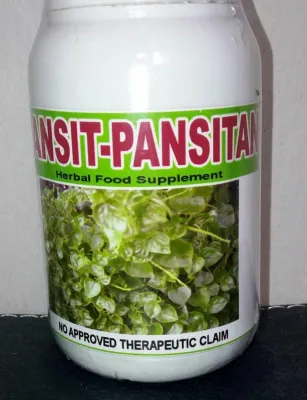
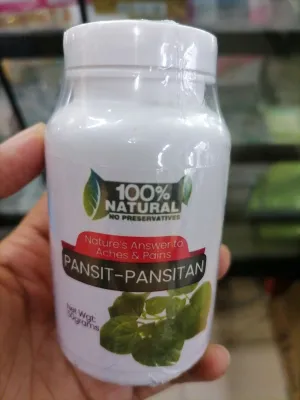
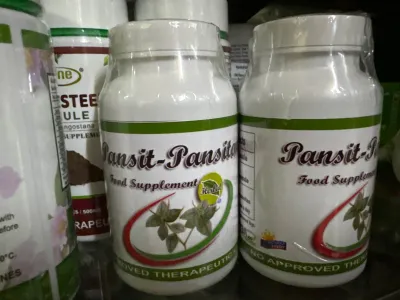
![[NEW PRODUCT] Simplee Pansit-Pansitan Capsule – FDA Approved | 500mg | 60 Capsules – A natural support joint comfort urinary wellness and overall vitality. Ideal for daily routines to maintain natural energy & antioxidant balance [1]](https://img.lazcdn.com/g/p/2c01b0d2ed4555d970e3010ac20c91ca.jpg_400x400q80.jpg_.webp)
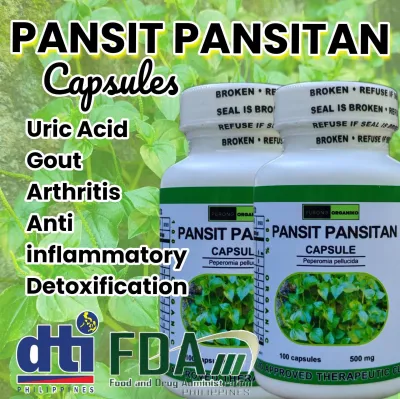
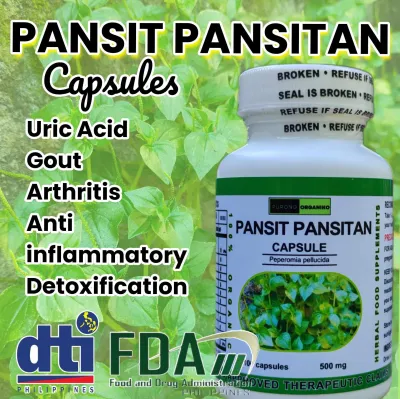
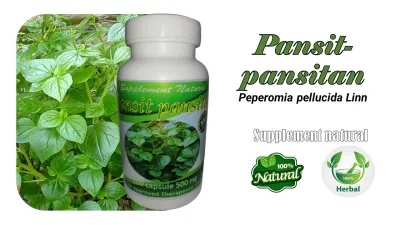
Prices are valid at publication and may change. Please refer to the product page for the latest price.
However, your postpartum body is in a highly unique physiological state that differs significantly from your pre-pregnancy baseline. After delivery, your body undergoes rapid hormonal shifts, fluid redistribution, and metabolic adjustments. Your liver and kidneys, which are responsible for processing and clearing foreign substances from your bloodstream, are already working overtime to restore your body’s natural balance. Introducing concentrated herbal extracts during this sensitive transition period can place additional stress on these vital organs.
Furthermore, it is a common misconception that traditional use automatically guarantees modern clinical safety. While eating a small amount of fresh pansit-pansitan as food may be relatively low-risk for a healthy adult, commercial herbal capsules contain highly concentrated extracts. These capsules deliver a much stronger dose of active phytochemicals than what you would typically consume in a traditional meal or tea. Without rigorous clinical testing, it is impossible to know how these concentrated doses interact with a recovering postpartum body.
Evaluating Breastfeeding Safety and Milk Transfer Risks
When you are breastfeeding, your dietary and supplement choices directly impact your infant. Many active chemical compounds present in herbal supplements can easily cross the blood-milk barrier and enter your breast milk. Because these compounds are concentrated in capsule form, even a small daily dose taken by the mother can result in a measurable transfer of active ingredients to the nursing baby.

Infants, particularly newborns, have highly immature physiological systems. Their livers are not yet fully equipped with the enzymes necessary to break down complex herbal compounds, and their kidneys cannot filter out waste products as efficiently as an adult’s. Consequently, any active substances transferred through breast milk can accumulate in your baby’s system, potentially leading to unexpected adverse reactions or digestive distress.
Currently, there are no comprehensive clinical trials or scientific studies that evaluate the safety of Peperomia pellucida extracts in lactating women or breastfed infants. The lack of data means that medical professionals cannot establish a safe dosage, identify potential drug interactions, or guarantee that the herb will not interfere with your baby’s development. In the medical community, the absence of documented adverse effects is not the same as a proven safety record.
For a working mother trying to optimize her recovery, relying on unverified supplements carries unnecessary risks. When a product is labeled as “natural,” it does not mean it is free from pharmacological activity. Until rigorous clinical studies are conducted, the safest approach for your nursing infant is to avoid taking concentrated pansit-pansitan capsules entirely.
Side Effects and Warning Signs to Monitor in You and Your Baby
If you have already started taking pansit-pansitan herbal capsules, it is essential to monitor both your body and your baby for any unusual physical reactions. In mothers, potential side effects of concentrated herbal supplements often manifest in the digestive tract. Watch closely for symptoms such as stomach cramps, nausea, diarrhea, or sudden changes in your digestion. You should also pay attention to skin changes, as allergic reactions can cause hives, itching, redness, or localized swelling.
Because your baby cannot communicate physical discomfort, you must act as an observant guardian. Monitor your infant’s feeding patterns carefully. A sudden reluctance to nurse, a weak latch, or a noticeable decrease in milk intake can indicate that the taste or composition of your breast milk has changed, or that the baby is feeling unwell.
Digestive changes in your infant are also critical warning signs. Watch for unusual loose stools, green or watery diapers, excessive gas, or frequent spitting up after feeds. Behavioral shifts, such as unexplained fussiness, prolonged crying spells, or unusual lethargy where the baby is difficult to wake for regular feedings, should never be ignored. These observational checks are vital for early detection and help you identify when a supplement might be negatively affecting your child.
How to Read and Verify Your Herbal Supplement Labels
If you are considering any herbal product, learning how to audit the packaging is a valuable skill that can protect your health. Start by looking at the ingredient list on the supplement facts panel. Verify whether the product lists the exact botanical name, Peperomia pellucida, and check the exact milligram dosage per capsule. Be highly cautious of products that hide their ingredients under vague terms like “proprietary blend” or “traditional formula,” as these terms often mask low-quality ingredients or undisclosed fillers.
Next, scan the label for any secondary ingredients, additives, or preservatives. Some herbal capsules manufactured in tropical climates may contain added binders, artificial colors, or even secondary herbs meant to boost the product’s shelf life or efficacy in humid conditions. These additional substances can introduce their own set of risks and potential allergens for both you and your baby.
Finally, look for specific manufacturer warnings. Reputable supplement brands will explicitly state if a product is not recommended for pregnant or lactating women. Before spending ₱500 or more on unverified herbal supplements, check if the product is officially registered with the local Food and Drug Administration (FDA). Look for a valid registration number on the packaging and verify it on the official government portal. Keep in mind that most local herbal supplements carry the disclaimer “No Approved Therapeutic Claims,” which serves as a reminder that the product has not been evaluated to cure or treat any specific medical condition.
When to Stop Use and Consult Your Doctor
If you observe any adverse symptoms in yourself or your baby, you must stop taking the pansit-pansitan capsules immediately. Do not attempt to lower the dosage or wait a few days to see if the symptoms resolve on their own. Immediate cessation is the safest and most responsible course of action to prevent any further transfer of active compounds to your nursing infant.
Once you have stopped taking the supplement, schedule a consultation with your obstetrician or your baby’s pediatrician. To help your doctor make an informed assessment, prepare for your visit by gathering all relevant information. Bring the physical bottle of the capsules with you, or take high-resolution photos of the entire label, including the ingredient list, manufacturer details, and the batch number. Be prepared to share a clear timeline of when you started taking the capsules, the exact daily dosage, and when you first noticed the physical changes in yourself or your baby.
During your consultation, ask your healthcare provider about safer, clinically validated alternatives for managing postpartum pain and inflammation. For a busy working mother, your doctor can recommend evidence-based strategies that fit seamlessly into your schedule. These may include approved over-the-counter medications that are thoroughly researched and proven safe for breastfeeding mothers, targeted physical therapy exercises, or simple lifestyle adjustments that promote natural healing without risking your baby’s health.
Frequently Asked Questions (FAQ)
Can I take pansit-pansitan if I am exclusively pumping?
No, exclusively pumping does not eliminate or reduce the risks associated with taking pansit-pansitan capsules. The active chemical compounds in the supplement are absorbed into your bloodstream and pass directly into your breast milk while it is being produced in your body. Whether your baby feeds directly from your breast or drinks expressed milk from a bottle, they will still be exposed to the exact same substances. If you are pumping to build up a milk supply for when you return to work, introducing unverified herbal compounds can also risk contaminating your stored milk supply.
Are there safer herbal alternatives for postpartum inflammation?
While some herbs are popular for postpartum care, you should never self-prescribe any herbal remedy while breastfeeding. Many alternative herbs carry the same lack of clinical safety data as pansit-pansitan. Instead of experimenting with unverified supplements, consult your doctor or a certified lactation consultant. They can recommend safe, non-pharmacological methods to manage inflammation, such as cold or warm compresses, proper hydration, and gentle postpartum exercises. If medical intervention is necessary, they can prescribe lactation-safe anti-inflammatory medications that have been extensively studied and cleared for nursing mothers.

Community discussion
Share your experience or ask a question. Comments are reviewed before publication.