
Finding the right diaper for your baby is a highly individual process because no two infants share the exact same body shape, skin sensitivity, or daily output volume. While household names like Pampers, Huggies, and Equator’s Sweet Baby are widely available across the Philippines, there is no single diaper brand that serves as a universal solution for every family. A diaper that keeps one infant dry throughout the night might cause leaks or skin irritation on another. Consequently, choosing the right option requires a careful balance of functional performance, physical fit, and household budget considerations.
To make an informed decision, parents must look beyond brand popularity and focus on observable features such as absorbency mechanisms, sizing accuracy, and material composition. This guide provides a structured approach to comparing Pampers, Huggies, and Sweet Baby diapers. By understanding how to evaluate these products under real-world conditions—especially in warm, humid tropical climates—you can identify the most reliable and cost-effective option for your baby’s specific needs.
Understanding the Contenders: Pampers, Huggies, and Sweet Baby (Equator)
When navigating the diaper aisle or browsing online marketplaces, you will encounter a variety of product tiers designed for different developmental stages and usage scenarios. Each of the three brands occupies a distinct position in the market, offering unique product lines that cater to diverse parenting preferences and financial plans. Understanding these distinctions is the first step in narrowing down your choices.
Products mentioned in this guide
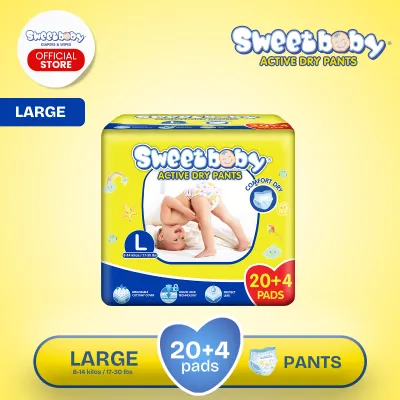
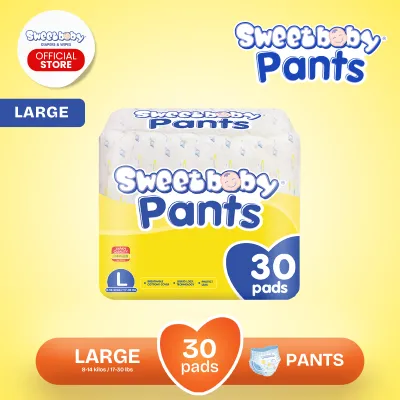
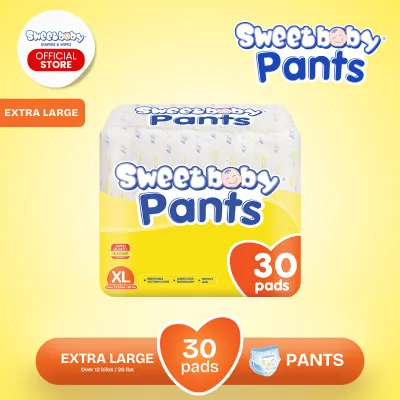
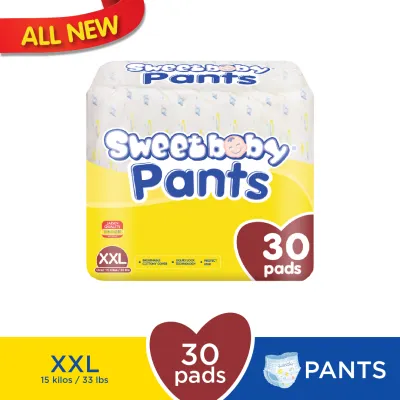
Prices are valid at publication and may change. Please refer to the product page for the latest price.
Pampers is globally recognized and offers several product lines in the local market, ranging from everyday options to premium selections. Their lineup typically includes traditional tape diapers for newborns and infants, as well as diaper pants designed for active toddlers. Pampers often emphasizes thinness and breathability in its designs, which is a significant consideration for parents living in warm, humid tropical environments where heavy, bulky materials can trap heat and moisture against a baby’s skin.
Huggies is another major global brand with a strong presence in the Philippines, known for its robust construction and diverse product tiers. Like its competitors, Huggies provides both tape and pants formats, often categorizing them into standard and premium lines. The brand frequently focuses on structural features, such as elastic waistbands and specialized pocket designs, to secure messes. Parents often look to Huggies for active-day wear and overnight protection, depending on the specific sub-brand and product tier selected.
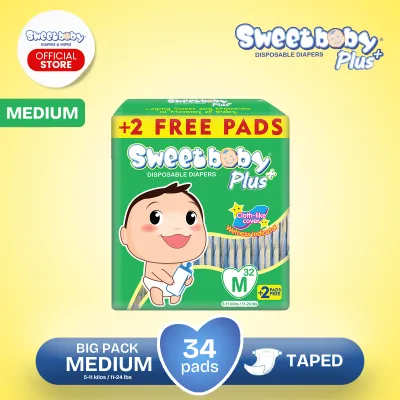
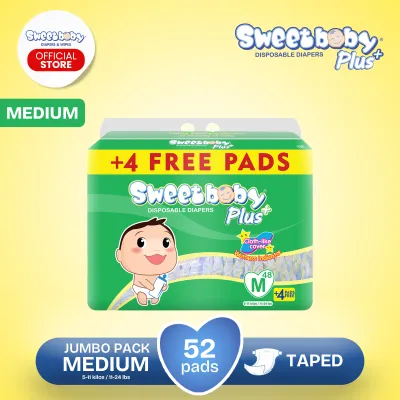
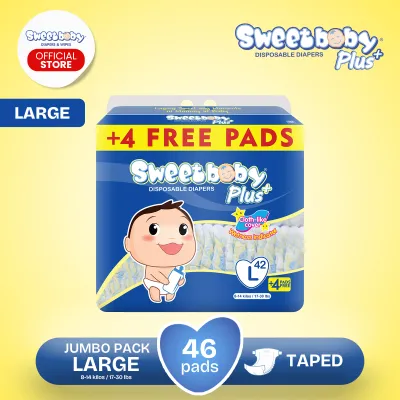
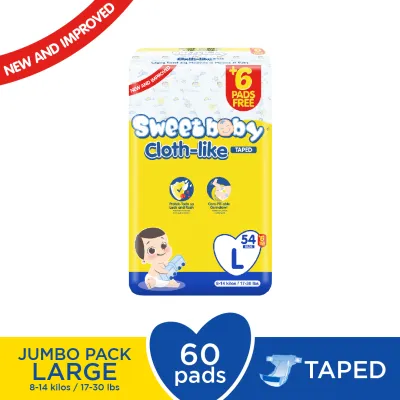
Equator’s diaper line is widely recognized and marketed as Sweet Baby in the local market. This brand is highly regarded as a practical, budget-friendly option for families seeking reliable everyday protection without the premium price tag. Sweet Baby diapers are available in both tape and pants styles, focusing on essential functionality and straightforward design. When evaluating Sweet Baby, it is important to check the current packaging for specific sub-brand names, intended use cases, and available size ranges, as product offerings may be updated to meet changing consumer needs.
How to Compare Absorbency and Leak Protection
Absorbency is arguably the most critical function of any disposable diaper, as it directly impacts both your baby’s comfort and your sleep quality. However, evaluating absorbency goes beyond reading the marketing claims on the packaging. Parents need to understand the underlying technology and monitor how the diaper performs during daily use.

When comparing diaper options, look closely at the packaging for specific absorbency indicators. Modern diapers utilize superabsorbent polymers (SAP) embedded within a fibrous core to lock moisture away from the skin. Many brands now feature channel technology, which distributes liquid evenly across the core rather than allowing it to pool in one spot. Additionally, wetness indicators—lines on the outside of the diaper that change color when wet—are highly useful features that help caregivers determine when a change is necessary without opening the diaper.
To assess real-world performance, monitor leak frequency and diaper weight during different times of the day. A diaper that performs exceptionally well during the day, when changes are frequent, may not hold up during long overnight stretches. If you notice frequent leaks or if the diaper feels excessively heavy and saggy after only a short period, the core material may not be sufficient for your baby’s current output volume. Conversely, a diaper that remains relatively dry to the touch on the inside surface after use indicates effective moisture-wicking capabilities.
It is crucial to remember that actual absorbency and leak prevention depend heavily on individual factors rather than the brand name alone. A baby’s unique urine output, physical activity level, and sleeping position all influence how liquid is distributed within the diaper. Furthermore, improper sizing or incorrect application—such as failing to flare out the leg cuffs—can cause leaks even in the most absorbent diaper. Therefore, observing how a specific diaper interacts with your baby’s body is essential for accurate evaluation.
Evaluating Fit, Sizing, and Skin Comfort
A highly absorbent diaper can still fail if it does not fit your baby’s body correctly. Because babies grow rapidly and have diverse body shapes—some have rounder bellies, while others have chubbier thighs—finding the right fit requires ongoing observation and adjustment.
To ensure a proper fit, always refer to the manufacturer’s weight-based sizing chart printed on the packaging rather than relying solely on your baby’s age. Sizing ranges often overlap between adjacent sizes (for example, Medium and Large), and different brands may have slightly different weight boundaries. If your baby is approaching the upper weight limit of their current size, or if you are experiencing frequent blowouts or leaks, it is usually a clear signal to transition to the next size up.
After putting a diaper on your baby, perform a quick physical check of key fit points. The leg cuffs should be snug but not tight, and you should always run your finger along the inside of the cuffs to ensure the elastic guards are flared outward to prevent leaks. The waistband should sit comfortably around the waist, allowing you to insert two fingers easily between the diaper and your baby’s skin. After removing the diaper, check for deep red marks or indentations on the baby’s thighs or waist; these marks indicate that the diaper is too tight or that the elastic is too restrictive.
Skin comfort is another vital consideration, particularly in tropical climates where sweat and friction can easily lead to diaper rash. Carefully check the ingredient and material labels on the packaging, looking for hypoallergenic, fragrance-free, or breathable material claims if your baby has sensitive skin. If you observe persistent redness, irritation, or a rash that does not improve with regular diaper changes and barrier creams, stop using the current brand immediately and consult a pediatrician or qualified healthcare professional for guidance.
Calculating the Real Cost and Value
For most families, diapering is a significant recurring expense that lasts for several years. To manage this cost effectively, parents must learn to calculate the true value of their diaper purchases rather than simply comparing the retail price of different packages.
To accurately compare the cost of different brands and packaging sizes, calculate the exact price per diaper. Because diapers are sold in various pack sizes—ranging from small travel packs to large mega boxes—the shelf price can be highly misleading. Use the following simple formula to determine the unit cost: Pack Price (₱) / Number of Pieces in the Pack = Cost per Diaper By calculating this cost per diaper (₱), you can easily compare a premium brand’s bulk pack against a budget brand’s convenience pack to see which option offers the best financial value.
When evaluating overall value, consider how the diaper’s performance affects your daily consumption rate. A cheaper diaper that requires more frequent changes due to lower absorbency or leaks may end up costing more in the long run than a slightly more expensive diaper that keeps your baby dry for longer periods. Additionally, factor in the convenience of purchase; some brands may offer significant discounts through local e-commerce promotions, subscription services, or bulk-buy deals on online marketplaces.
When purchasing large quantities of diapers online, always exercise caution to protect your investment. Verify the authenticity of the seller by checking for official brand flags or highly rated authorized distributors. Always inspect the product description for expiration dates or manufacturing dates, and read recent customer reviews to ensure the stock has been stored in a clean, dry environment free from humidity and pests.
Decision Framework: Choosing the Right Diaper for Your Baby
Selecting the right diaper involves matching your family’s specific priorities—such as budget constraints, convenience, and your baby’s physical needs—to the unique characteristics of each brand. Use the following framework to guide your decision-making process.
Choose Pampers if your primary focus is on finding a thin, highly breathable diaper with advanced moisture-wicking technology. This brand is often suitable for parents who prioritize a lightweight design that minimizes bulk, particularly during hot and humid days. It is also a strong choice if you rely heavily on wetness indicators to manage change times and prefer a brand with widely available premium and everyday lines across most local retail outlets.
Choose Huggies if you are looking for a diaper with robust structural features, such as highly elastic waistbands and specialized pocket designs to contain messy blowouts. This brand is often well-suited for active babies who require a secure, snug fit that moves with them during play. It is also a viable option if you are seeking dedicated overnight diaper lines designed to handle high volumes of liquid over extended periods.
Choose Sweet Baby if your priority is maximizing your household budget with a highly cost-effective, practical diaper for everyday use. This brand is ideal for families who practice frequent daytime diaper changes, where a lower cost-per-piece calculation is highly advantageous. It is a straightforward, reliable option that provides essential leak protection without the added cost of premium marketing features.
Verify first if your baby has extremely sensitive skin, unusual body proportions, or specific medical conditions. In these cases, consult with a pediatrician before committing to any brand. Regardless of which brand you lean toward, purchasing small trial packs is always the safest and most economical way to confirm the fit, absorbency, and skin compatibility of a diaper before purchasing bulk quantities.
Frequently Asked Questions (FAQ)
How often should I change my baby's diaper to prevent rashes?
Standard pediatric guidelines recommend changing your baby’s diaper every two to three hours, or immediately after any bowel movement. Leaving a wet or soiled diaper on for too long is a primary cause of diaper rash, as moisture and bacteria can quickly irritate delicate skin. Utilize the diaper’s wetness indicator as a helpful visual cue, but do not rely on it exclusively; always perform physical checks regularly. Applying a thin layer of zinc oxide-based barrier cream during changes can also help protect the skin from moisture.
Can I mix different diaper brands for daytime and nighttime use?
Yes, mixing different diaper brands is a highly practical and cost-effective strategy used by many parents. You can use a budget-friendly option like Sweet Baby for frequent daytime changes, when you are likely to change the diaper every few hours anyway. Then, you can reserve a more absorbent, premium option from Pampers or Huggies for nighttime use or long outings, where diaper changes are less frequent and maximum leak protection is required to ensure uninterrupted sleep.

Community discussion
Share your experience or ask a question. Comments are reviewed before publication.