
Quick Answer: Which XXXXL Diaper Pants Should You Choose?
Finding the right diaper pants for an older toddler or preschooler requires balancing physical comfort, movement, and reliable containment. As children grow and reach the weight range of 15 to 25 kilograms or more, standard diaper sizes no longer provide adequate coverage. Sizing at this level is not standardized across brands; what one manufacturer labels as XXXXL might fit like a double-extra-large in another brand. Choosing the ideal diaper pants depends heavily on your child’s unique body proportions, skin sensitivity, and daily activity levels.
For parents seeking a quick decision, the choice generally comes down to three distinct design philosophies. Pampers is highly regarded for its focus on rapid surface dryness and a contoured, streamlined fit that minimizes bulk under clothing. Huggies excels in providing exceptional waistband elasticity, making it a preferred option for children with rounder bellies or longer torsos who need a gentle, non-restrictive stretch. Equator and similar Korean-style diaper pants are popular for their generous, high-waisted cuts and the availability of larger bulk packaging, such as 50-piece configurations, which offer practical convenience for daily wear.
Before purchasing any brand in bulk, it is critical to verify the specific weight recommendations and physical dimensions listed on the packaging. Because a child’s thigh circumference and waist shape change as they grow taller and more active, starting with a smaller trial pack is the most reliable way to avoid leaks and skin irritation.
Products mentioned in this guide
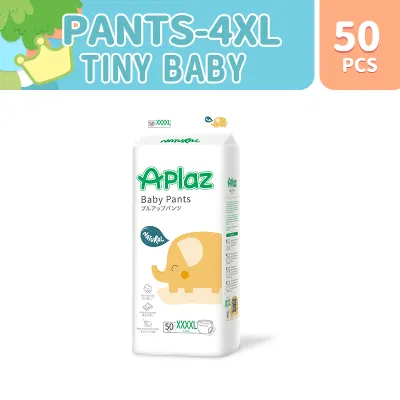
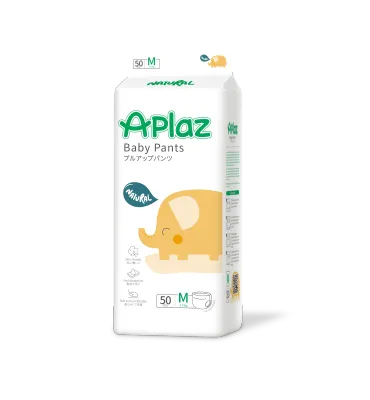
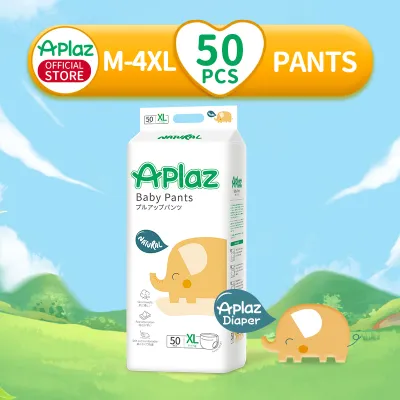
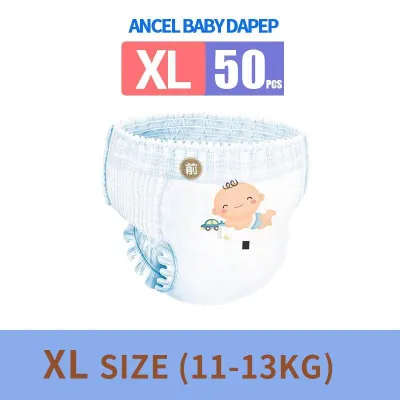
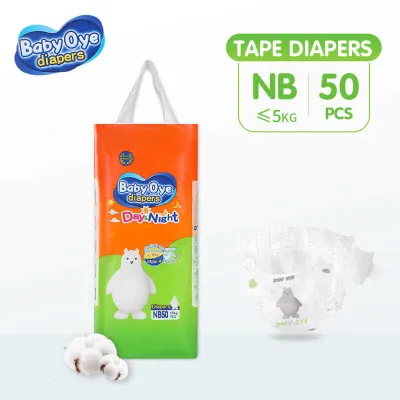
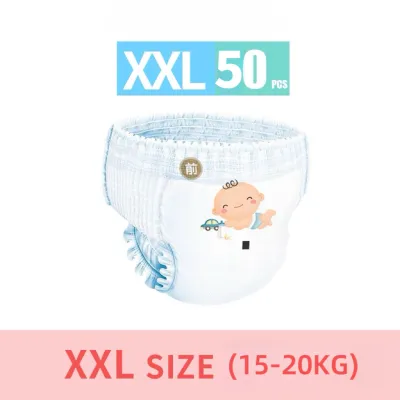
Prices are valid at publication and may change. Please refer to the product page for the latest price.
Sizing and Fit: Comparing the XXXXL Cut and Waistband
The designation “XXXXL” on a diaper package is primarily a marketing label rather than a universal manufacturing standard. Each brand designs its largest sizes based on proprietary fit models, meaning that the physical cut, rise, and leg openings can vary dramatically. The rise—the distance from the crotch to the top of the waistband—is a crucial dimension for older toddlers. A diaper with an insufficient rise will slide down constantly, while a diaper with a rise that is too high may bunch up around the ribs and cause discomfort during active play.

When evaluating the waistband construction, look closely at how the elastic threads are distributed. Premium legacy brands like Huggies utilize a wide, multi-strand elastic band that distributes tension evenly across the lower back and abdomen. This design minimizes the risk of deep red marks, which are common when a thin, highly pressurized elastic band digs into the skin. Pampers often utilizes a softer, more integrated elastic mesh that prioritizes a flush, secure fit to prevent sagging when the diaper becomes heavy.
Korean-style diaper pants, including brands like Equator, have gained significant traction in the market due to their distinct physical cuts. These diapers are often designed with a narrower crotch area and a higher overall waist rise. This specific geometry is tailored to prevent the diaper from drooping between the legs, allowing older children to walk, run, and climb with greater freedom. Additionally, the side seams on these Korean-style variants are often designed for easy tearing, allowing caregivers to remove the diaper quickly without causing friction against the child’s hips.
To ensure a perfect fit for your child, utilize this practical verification checklist during daily use:
- The Two-Finger Check: After pulling the diaper pants up, slide two fingers comfortably between the waistband and your child’s stomach. If the fit is too snug to slide your fingers in, the waistband is too tight.
- Thigh Ring Inspection: Examine the leg openings immediately after your child sits down. The elastic should hug the thigh gently without leaving deep, indented red lines on the skin.
- Belly Button Placement: The front of the waistband should sit comfortably at or just below the belly button. If it rides down toward the hips, the diaper is too small or lacks sufficient rise.
- Cuff Alignment: Ensure the outer leg cuffs are fully flared outward rather than tucked inward, as tucked cuffs are a primary cause of immediate side leaks.
Absorbency and Leak Protection for Active Older Kids
An older toddler or preschooler produces a significantly larger volume of urine per void compared to an infant. Consequently, the absorbency system of an XXXXL diaper must be capable of rapidly drawing liquid away from the surface and locking it securely within the core. Most modern diaper pants rely on a combination of Superabsorbent Polymers (SAP) and cellulose wood pulp to manage this volume. However, the structural design of this core determines how well the diaper performs under real-world conditions.
Pampers utilizes a specialized channel design that distributes liquid evenly along the length of the diaper. This prevents the urine from pooling in a single spot, which can create a heavy, uncomfortable bulge between the child’s legs. Huggies focuses on a multi-layer absorption system that includes a dedicated acquisition layer to pull wetness down instantly, keeping the inner lining dry to the touch even after multiple voids. Equator and similar alternative brands often employ a highly dense SAP sheet that maximizes liquid retention while maintaining a remarkably thin profile.
Physical pressure is the ultimate test of a diaper’s absorbency. When an older child sits down heavily on a chair, rolls over during sleep, or runs around the playground, they exert substantial force on the wet diaper core. This pressure can cause a phenomenon known as rewet, where locked liquid is squeezed back onto the child’s skin. High-quality diaper pants are engineered to resist this compression, keeping the surface dry even under the weight of a 20-kilogram child.
Double-layered elastic leg guards are your primary defense against sudden leaks during active play. These vertical barriers run parallel to the leg openings and must stand upright to catch liquid before it can escape. For older children who are constantly in motion, these guards must be resilient enough to maintain their shape despite continuous friction.
You can easily evaluate the performance of any diaper brand at home using these simple observation steps:
- The Surface Dryness Test: Wait approximately two hours after your child has wet the diaper, then gently press a dry paper towel against the inner lining. If the towel remains dry, the core is efficiently locking away moisture.
- Gel Bead Check: Inspect the diaper during changes to ensure no clear, gelatinous SAP beads have escaped onto your child's skin, which can indicate a compromised inner lining.
- Sagging Assessment: Observe your child from behind when the diaper is moderately wet. If the diaper sags heavily and pulls away from the waist, the core design may lack the structural channels needed to distribute weight evenly.
Breathability and Skin Comfort in a Tropical Climate
In a tropical climate characterized by high temperatures and intense humidity, skin health becomes a paramount concern for parents. When a child wears diaper pants for extended periods, the microclimate inside the diaper can quickly become hot and damp. This trapped moisture weakens the skin’s natural barrier, making it highly susceptible to diaper rash, heat rash, and fungal infections.
To combat this, look for diaper pants that feature a highly breathable outer back sheet. This layer is constructed with microscopic pores that are large enough to allow heat and moisture vapor to escape, yet small enough to prevent liquid water from leaking through. Brands that prioritize breathability help maintain a lower temperature inside the diaper, reducing the “greenhouse effect” on your child’s skin.
The material texture of the inner lining also plays a significant role in overall comfort. Some brands offer a traditional, smooth synthetic feel, while others utilize a textured, embossed pattern that minimizes direct skin contact. A textured lining creates small air pockets that facilitate ventilation and reduce friction as the child moves. If your child has highly sensitive skin, it is wise to review the product packaging for specific claims, such as fragrance-free, lotion-free, or hypoallergenic formulations, to minimize the risk of contact dermatitis.
Regardless of how advanced a diaper’s breathability technology may be, frequent changes remain the single most effective defense against skin irritation. Caregivers should establish a routine of checking the diaper every three to four hours during the day, and changing it immediately after any bowel movement.
Value, Pack Sizes, and Where to Buy
When managing the household budget, calculating the true cost of diapering an older child requires looking beyond the retail price of a single pack. Because XXXXL diapers require significantly more raw materials, elastic components, and superabsorbent polymers than smaller sizes, they carry a much higher cost per piece. To find the most economical option, always divide the total price of the package by the number of diapers inside to determine the exact cost per unit.
The search for specific pack configurations, such as a 50-piece box, highlights a key difference between legacy brands and regional alternatives. Korean-style diaper pants and budget-friendly brands frequently package their largest sizes in standardized bulk bags of 50 pieces. This consistent packaging makes it easy for parents to stock up and budget for the month. In contrast, legacy brands like Pampers and Huggies often package their XXXXL sizes in smaller, variable counts—such as 26, 32, or 36 pieces per pack—to keep the shelf price of a single package more accessible.
To secure the best value and ensure product authenticity, parents should purchase diapers from reputable sources:
- Official Brand Flagship Stores: Buying directly from official stores on major e-commerce platforms guarantees that you receive genuine products that have been stored and transported under proper conditions.
- Wholesale Clubs and Large Supermarkets: These retailers often offer exclusive bulk configurations and multi-pack discounts that are not available in smaller convenience stores.
- Specialized Baby Boutiques: Local baby stores frequently carry niche or imported brands, including specific Korean diaper pants, allowing you to compare alternative cuts in person.
Avoid purchasing diapers from unauthorized third-party sellers offering unusually low prices. Counterfeit diapers are a growing concern; these imitation products often utilize substandard materials, lack proper absorbency, and may contain chemical residues that can cause severe skin reactions or infections.
Final Verdict: How to Choose the Right Brand for Your Child
Selecting the ideal XXXXL diaper pants involves matching the specific design strengths of each brand to your child’s physical needs and your family’s lifestyle.
Use this conditional decision framework to guide your final purchase:
- Choose Pampers if: Your child is constantly on the move, prefers a slim and lightweight fit that does not bunch up under clothing, and benefits from rapid surface dryness to prevent chafing during daytime activities.
- Choose Huggies if: Your child has a rounder torso or sensitive skin around the waist, requiring a highly elastic, pillowy waistband that stretches comfortably without leaving red marks or restricting movement.
- Choose Equator (or similar Korean diaper pants) if: You prefer the convenience of buying in bulk 50-piece configurations, appreciate a high-waisted cut that provides extra coverage at the back, and want a cost-effective option for frequent daytime changes.
Because every child’s body shape and skin sensitivity are entirely unique, committing to a large bulk purchase without testing can lead to wasted money and uncomfortable leaks. The most practical approach is to purchase a single, small trial pack of your preferred brand. Observe how the diaper performs over a few days of active play and overnight sleep before investing in a full monthly supply.
Frequently Asked Questions (FAQ)
How do I know if my toddler needs to size up to XXXXL?
Your toddler may need to transition to XXXXL diaper pants if you observe consistent physical indicators of a poor fit, even if their weight falls within the upper limit of their current size. Key signs include persistent red marks or indentations around the waist and thighs, the waistband sitting significantly below the belly button, or the side seams tearing easily during active play. Additionally, if you experience frequent leaks despite the diaper not being fully saturated, it often indicates that the physical coverage or rise of the current diaper is no longer sufficient for your child’s growing frame. Always cross-reference your child’s physical proportions with the manufacturer’s size and weight guide on the packaging.
Can I use standard XXXXL diaper pants overnight for a heavy wetter?
Standard XXXXL diaper pants can often manage overnight use for moderate wetters, but heavy wetters may require specialized solutions. During sleep, a child remains in a horizontal position for several hours, which changes how liquid distributes across the diaper core. If your child sleeps on their stomach or side, gravity can cause urine to pool at the edges, leading to leaks if the elastic leg guards are not perfectly positioned. If you experience frequent morning leaks, consider transitioning to a dedicated overnight diaper pant with enhanced absorbent capacity, or utilizing a diaper booster pad designed to increase liquid retention without compromising the overall fit.

Community discussion
Share your experience or ask a question. Comments are reviewed before publication.