
Finding the ideal XXL diaper pants for an active toddler involves matching the diaper’s specific cut to your child’s unique shape. No single brand universally wins for every toddler in the XXL size range, as the best fit depends entirely on your child’s body proportions, movement patterns, and skin sensitivity.
Pampers, Huggies, and Equator each utilize distinct design approaches regarding waistband structure, stretchiness, and core thickness. To ensure a secure fit and prevent leaks, parents should cross-reference the specific weight and waist measurements printed on the packaging rather than relying solely on the generic “XXL” label.
Evaluating the Fit of XXL Diaper Pants for Larger Toddlers
As toddlers grow and become more active, the physical fit of their diaper pants directly impacts their comfort and freedom of movement. A poorly fitting diaper can cause friction, restrict play, or lead to messy leaks during daily adventures.
Products mentioned in this guide
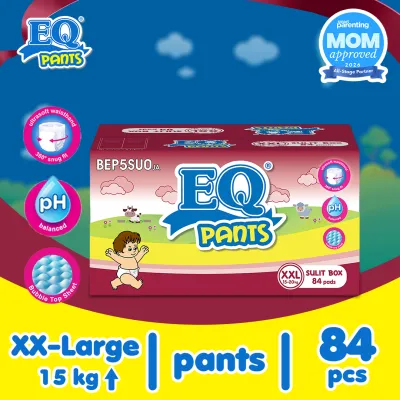
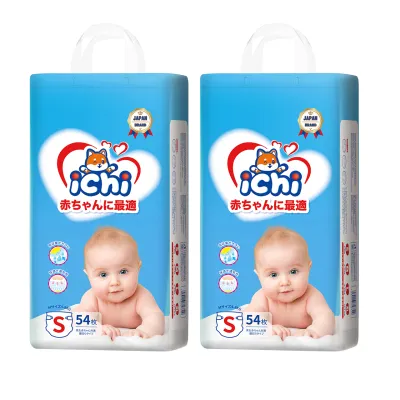
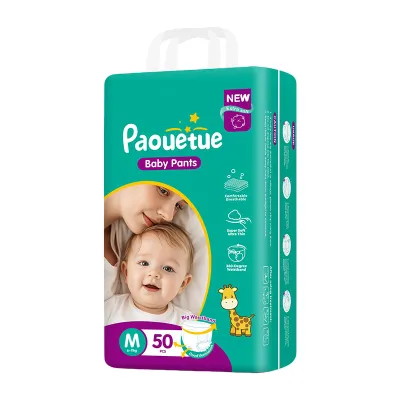
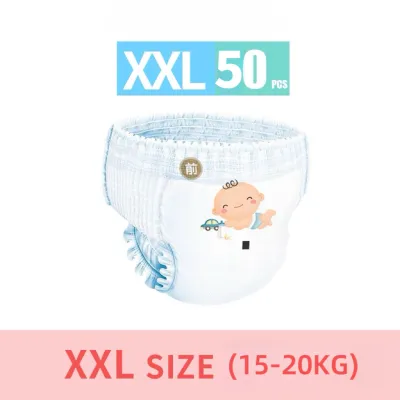
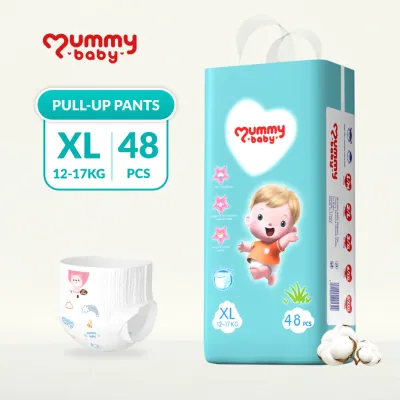

Prices are valid at publication and may change. Please refer to the product page for the latest price.
When evaluating waistband elasticity, check how the diaper sits around your toddler’s midsection. A well-designed waistband should stretch comfortably with your child’s breathing and movement. You can verify this by sliding two fingers easily under the waistband; if it feels too tight or leaves deep red marks on the skin, the diaper may be too small or the cut may not suit your child’s torso shape. Conversely, look for any gaps at the back when your toddler bends forward, as these gaps are common culprits for back leaks.
The leg cuff design requires equal attention to ensure a proper seal around the thighs. Gently run your finger along the inner leg bands after putting the diaper on to ensure the outer ruffles are flared outward. The cuffs should stand upright and hug the thighs snugly without digging into the skin or restricting circulation, which is particularly important for toddlers with chubbier thighs.
Rise and coverage determine how well the diaper stays in place during active play. Observe whether the diaper sits high enough on the waist—ideally just below the belly button—to cover the lower back and abdomen fully. This prevents the material from sagging or shifting when your toddler climbs, runs, or sits.
Another practical aspect of fit is the ease of removal. Diaper pants are designed to be torn at the side seams for quick changes. When testing different brands, observe if the side seams tear cleanly and easily without requiring excessive force, which can be challenging when managing an active, squirming toddler. A seam that tears too easily, however, might split prematurely during vigorous play, so finding a brand with balanced seam strength is key.
Because “XXL” dimensions vary significantly by manufacturer, never assume one brand’s sizing matches another. Always verify the specific weight chart and recommended waist measurements on the individual product box before purchasing a new pack, as weight ranges often overlap between sizes.
Comparing Leak Protection and Absorbency Features
Keeping your toddler dry requires a diaper that can handle heavy flows and distribute moisture efficiently. Different brands employ varied structural designs to manage wetness and prevent leaks during both active daytime hours and long nights.

Observe how the absorbent core distributes liquid after your toddler urinates. High-quality diaper pants feature channels designed to distribute wetness evenly across the core. You can check this by feeling the wet diaper; the core should remain relatively flat and stable rather than bunching up, sagging, or creating a heavy, uncomfortable bulge between your child’s legs that restricts movement.
Additionally, monitor the diaper for any signs of gel leakage. Some diapers use superabsorbent polymers (SAP) that can occasionally escape the core material if the diaper becomes oversaturated or if the inner lining tears. If you notice small, clear, gel-like beads on your toddler’s skin during changes, this indicates the core structure may not be holding up to your child’s activity level or urine volume, suggesting a need to try a different brand or size.
Wetness indicators are highly convenient features for busy caregivers. Check the presence, visibility, and reliability of the color-changing lines on the outside of the diaper. These indicators help you determine at a glance when it is time for a change without needing to open the diaper, though you should always rely on physical checks if your toddler has sensitive skin.
Inspect the inner leg cuffs for standing leak guard barriers. These double-layered fabric barriers should stand upright against your toddler’s skin to contain sudden, heavy flows. They act as a secondary defense line, which is crucial for containing side leaks when your child is in motion or sleeping on their side.
When comparing overnight versus daytime use, evaluate which brand’s packaging claims extended absorbency or specialized night protection. Verify these claims through morning dryness checks. Observe if your toddler’s skin feels dry to the touch and if the outer cover remains free of dampness after a full night’s sleep, as overnight performance is a key indicator of core efficiency.
Material, Breathability, and Skin Comfort Checks
In tropical climates with high humidity, maintaining skin health is a primary concern for parents. The materials used in diaper pants must allow air to circulate while keeping moisture away from your toddler’s delicate skin to prevent heat rash and irritation.
Start by feeling the inner lining texture with your hand to compare the softness and dry-to-touch quality of the top sheet. The material should feel gentle against the skin and quickly draw moisture away. A rough or plastic-like texture can cause friction and chafing, especially when your toddler is sweating.
Look for breathability indicators printed on the packaging, such as claims of micro-pores, air-flow channels, or specific breathable zones. These features help heat and moisture escape, which is especially important during hot, humid days in the Philippines. A breathable outer cover helps keep the skin temperature cooler and reduces sweat buildup.
Pay close attention to the waistband material itself, as this area is highly prone to sweat accumulation. In tropical environments, a waistband that lacks proper ventilation can trap sweat against the skin, leading to heat rash around the waistline. Compare how breathable the elasticized waistband feels to the touch, and check if your toddler’s skin is damp with sweat under the waistband after a period of active play.
Carefully check the ingredient or feature labels on the packaging for added fragrances, lotions, or botanical extracts. While some parents prefer scented diapers, these additives can sometimes trigger irritation or allergic reactions in toddlers with sensitive skin. Opting for fragrance-free options is often safer for children prone to eczema or contact dermatitis.
Always monitor your toddler’s skin closely for any signs of irritation. If you observe persistent redness, chafing, or a rash that does not resolve with regular diaper changes and barrier creams, stop using the specific brand immediately. Consult a qualified pediatrician or healthcare professional to address any ongoing skin concerns.
Decision Framework: Choosing the Right Brand for Your Toddler
Selecting the right XXL diaper pants is a process of trial and observation. Because every toddler’s body shape is unique, finding the perfect match involves testing how each brand performs under real-world conditions.
Consider choosing Pampers if your trial shows that its specific waistband elasticity and overall cut best match your toddler’s proportions and active movement style, providing a snug yet flexible fit around the waist.
Opt for Huggies if you observe that its leg barrier design and structural fit provide a more secure, leak-proof seal around your child’s specific thigh shape, especially during active play or side-sleeping.
Select Equator if its core distribution, material feel, and packaging claims offer the specific balance of comfort, breathability, and absorbency your toddler requires for daily wear.
If you notice persistent red marks, frequent leaks, or skin irritation with all three options, it is possible that none of them are currently the right fit. In such cases, verify the manufacturer’s weight chart, consider adjusting the size upward, or look for a specialized overnight diaper line designed for higher capacity.
Frequently Asked Questions (FAQ)
When should I transition my toddler to XXL diaper pants?
Several physical signs indicate that your toddler is ready to transition to a larger size. Look for deep red marks on your child’s waist or thighs after removing the diaper, which suggest the elastic is too tight. Frequent leaks or blowouts despite correct application and regular changes also point to a need for more coverage. Additionally, if the diaper sits too low on the waist or fails to cover your toddler’s bottom fully during movement, check the manufacturer’s weight and size guidelines on the packaging to confirm it is time to upgrade to XXL.
Do XXL diaper pants hold more liquid than smaller sizes?
Yes, larger diaper sizes generally contain more absorbent core material to accommodate the higher urine output of older, larger toddlers. However, absorbency capacity also depends heavily on the specific product line design. For maximum protection, especially during nighttime, check the packaging for specialized features like overnight or extended-wear versions rather than relying solely on the XXL size label to prevent leaks.

Community discussion
Share your experience or ask a question. Comments are reviewed before publication.