
Active toddlers are constantly on the move—crawling, climbing, running, and squatting. In the tropical heat and humidity of the Philippines, finding a diaper that keeps up with this high level of activity without causing chafing or leaks is a daily priority for parents. While Pampers, Huggies, and Equator all offer extra-large (XL) pants diapers designed for this stage, there is no single universal winner. The ideal fit depends on your toddler’s specific body shape, skin sensitivity, and movement patterns. By systematically evaluating how each brand’s waistband, leg cuffs, and absorbent core perform during active play, you can identify the most reliable option for your household.
Choosing the right diaper is not just about preventing leaks; it is about supporting your child’s developmental milestones. A diaper that is too tight can restrict movement and cause discomfort, while one that is too loose will inevitably sag and leak. As toddlers transition from babyhood to active toddlerhood, their physical proportions change rapidly. This guide provides a structured framework to help you observe, compare, and verify which XL pants diaper offers the best combination of comfort, mobility, and protection for your little explorer.
Understanding XL Sizing and Weight Ranges for Toddlers
When transitioning your toddler to extra-large pants diapers, the weight guidelines printed on the packaging serve as a helpful starting point, but they should never be the sole deciding factor. Manufacturers design XL diapers to accommodate a broad weight spectrum, typically starting around 12 to 17 kilograms, though you must verify the exact ranges on the specific Pampers, Huggies, or Equator packaging before purchasing. Because toddlers distribute weight differently based on their height and muscle tone, two children weighing exactly the same might require completely different diaper sizes or cuts.
Products mentioned in this guide
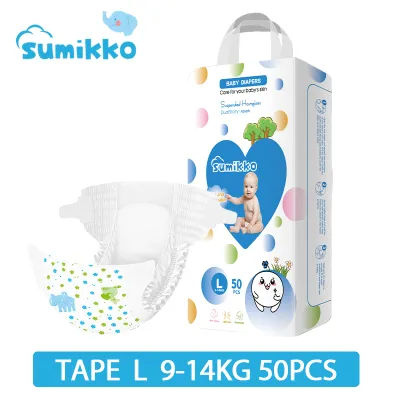
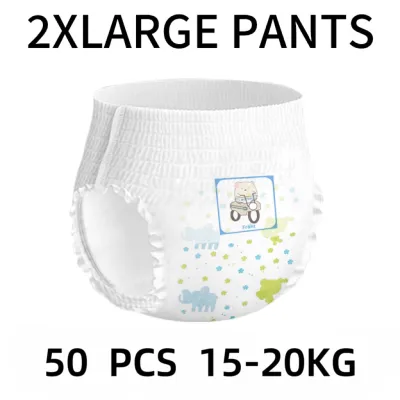
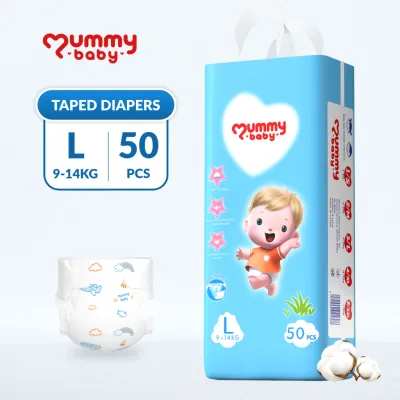
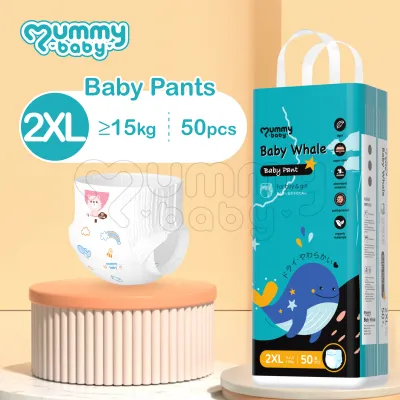
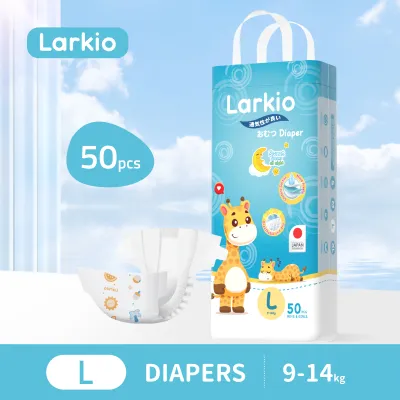
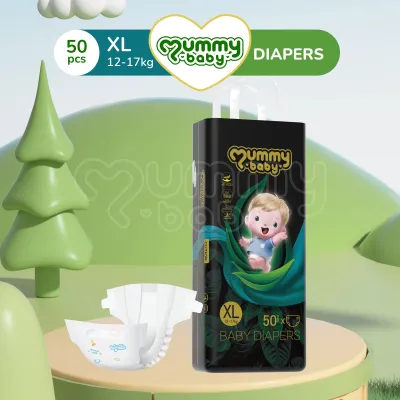
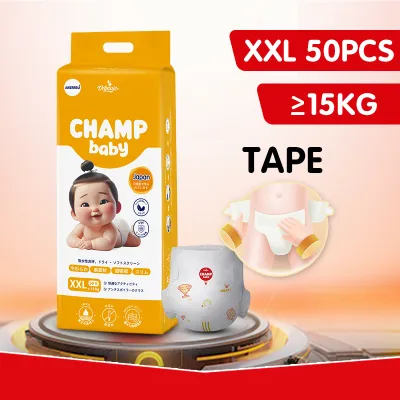
Prices are valid at publication and may change. Please refer to the product page for the latest price.
To determine if your toddler is ready to step up to an XL size, monitor their skin closely during daily changes. Look for physical indicators such as red marks, deep indentations, or chafing around the thighs and waistband. These marks suggest that the elastic is stretching to its absolute limit and exerting too much pressure on your child’s delicate skin. Additionally, if the diaper’s waistband sits consistently below the belly button or if the coverage over the backside feels skimpy, the rise of the diaper is too short, and a larger size is necessary.
Your toddler’s unique body shape plays a critical role in how a specific brand fits. For instance, a child with a round belly and slender legs may experience gaps around the thighs in a diaper cut widely, leading to frequent leg leaks. Conversely, a toddler with chunky thighs and a narrow waist might find certain brands pinch their legs while remaining loose at the waist. When comparing Pampers, Huggies, and Equator, observe how the physical cut of each diaper aligns with your child’s torso length and thigh circumference to ensure a balanced, secure fit.
Comparing Waistband Elasticity and Comfort for Active Movement
An active toddler’s day is filled with constant physical transitions, from sitting on the floor with toys to climbing up on low furniture. The waistband of a pants diaper must be dynamic enough to expand when the child’s stomach expands after a meal, yet resilient enough to contract and hold the diaper in place when they run. Evaluating the elasticity and physical structure of the waistband is essential to prevent the diaper from slipping down or digging into the skin.

Before putting the diaper on your toddler, take a moment to examine the waistband’s construction. Gently stretch the elastic band to its maximum width and release it to observe how quickly and completely it recovers its original shape. A high-quality waistband should feel soft and fabric-like to the touch, with multiple fine elastic threads distributed evenly to spread the tension. If the waistband feels stiff, paper-like, or loses its elasticity after a few manual stretches, it is highly likely to sag during active play.
During use, pay close attention to how the waistband adjusts as your toddler moves. In the warm, humid climate of the Philippines, sweat can easily accumulate under tight elastic bands, increasing the risk of friction-induced skin irritation. Check your toddler’s waistline after a few hours of active play; the skin should be free of deep red lines and excessive moisture. The ideal waistband should sit flat against the belly and lower back, moving naturally with the child’s body without rolling down or bunching up.
Evaluating Leg Cuffs and Daytime Leak Protection
While the waistband keeps the diaper secure, the leg cuffs are the critical barrier preventing liquid and solid leaks during active daytime hours. Most modern pants diapers, including Pampers, Huggies, and Equator, feature a double-layered leg cuff system consisting of an inner elastic barrier and an outer protective flare. For these cuffs to work effectively, they must fit snugly against the contours of the groin and thighs without restricting circulation.
When putting a fresh pants diaper on your toddler, always perform a quick manual check by running your finger along the inside of the leg openings. This action ensures that the outer cuffs are fully flared outward rather than tucked inside, which is a common cause of immediate leaks. Once the diaper is properly positioned, observe your toddler as they run, squat, or climb. Look for any visible gaps between the elastic cuff and the skin; even a small gap can allow moisture to escape when the toddler sits down or changes positions quickly.
If you encounter daytime leaks, analyze the pattern to determine the root cause. Leaks that occur shortly after wetting, especially when the diaper is relatively dry, usually point to a fit issue, such as loose leg elastics or an incorrect diaper size. However, if leaks occur only after several hours of wear when the diaper is heavy, the absorbent core may simply be saturated. Keeping a close eye on these details will help you decide whether you need to adjust the fit, try a different brand’s cut, or increase the frequency of diaper changes.
Evaluating Absorbency Flexibility and Daytime Skin Comfort
An effective diaper for an active toddler must balance high absorbency with physical flexibility. A thick, rigid absorbent pad can hinder your child’s natural movements, causing them to walk with an awkward stride or experience painful chafing between the thighs. When evaluating Pampers, Huggies, and Equator, feel the dry diaper’s core to assess its thickness and pliability; a thinner, more flexible core is generally more comfortable for a highly mobile child.
As the diaper absorbs liquid throughout the day, the behavior of the wet core becomes highly important. Some diaper cores tend to clump, sag, or bunch up between the legs when wet, creating a heavy obstacle that pulls the entire diaper downward. This sagging not only compromises the fit at the waist and legs but also keeps wet material in constant contact with the skin. Look for a core design that distributes moisture evenly across the entire pad, maintaining a relatively flat and stable profile even when wet.
Maintaining skin dryness is vital for preventing diaper rash, particularly in tropical environments where humidity levels are consistently high. Utilize the diaper’s wetness indicator to help monitor when a change is needed, but also rely on physical checks. When changing your toddler, touch the inner lining of the used diaper to verify that it feels dry and that moisture has been successfully locked away. If the skin feels damp or sticky, the diaper’s breathability or moisture-locking capabilities may not be sufficient for your child’s needs, indicating it may be time to try an alternative brand.
Decision Framework: Choosing the Right XL Pants for Your Toddler
Selecting the best diaper for your active toddler requires balancing physical fit, skin compatibility, and household practicality. Because every child’s body is unique, the most reliable method is to purchase small trial packs of Pampers, Huggies, and Equator XL pants to observe how each performs during a typical day of active play.
Consider Pampers XL if your trial observations show that its highly flexible core and soft, stretchy waistband provide the most comfortable, low-profile fit for your toddler’s body shape. This option is often well-suited for toddlers who require maximum freedom of movement and a lightweight feel during the hottest hours of the day.
Opt for Huggies XL if you find that its structured leg cuffs and specific absorbency distribution offer the most secure, gap-free protection against leaks during high-energy climbing and running. This brand is particularly beneficial if your toddler has a build that requires a more defined, secure barrier around the thighs.
Evaluate Equator XL if you are seeking a practical, budget-friendly solution that delivers reliable daytime leak protection and a comfortable fit. Comparing the cost per piece (₱) of each brand can help you identify which option provides the most sustainable balance for your family’s monthly diapering expenses without sacrificing essential performance.
Regardless of the brand you choose, always prioritize your child’s skin health. Carefully inspect the packaging for specific material claims, such as hypoallergenic certifications or fragrance-free formulas, to ensure compatibility with sensitive skin. If your toddler develops persistent redness, swelling, or a severe rash, stop using the diaper immediately and consult a pediatrician or qualified healthcare professional for guidance.
Frequently Asked Questions (FAQ)
How do I know if my toddler is ready for XL pants instead of L?
Your toddler is likely ready to transition to XL pants if they meet the minimum weight recommendation on the packaging, or if you observe physical signs of a tight fit. These signs include persistent red marks or indentations around the waist and thighs, a waistband that sits too low on the belly, or frequent daytime leaks despite regular changes. If the diaper feels tight when pulling it up or does not cover the backside fully, it is time to size up.
Why do XL pants leak during the day even when they are not full?
Daytime leaks in diapers that are not fully saturated are almost always caused by fit or positioning issues rather than a lack of absorbency. Active movement can cause the waistband to slip down or the leg cuffs to shift, creating temporary gaps between the diaper and your toddler’s skin. To prevent this, always ensure the outer leg cuffs are fully flared outward after putting the diaper on, and verify that the waistband is pulled up evenly to secure a snug, gap-free fit.
Community discussion
Share your experience or ask a question. Comments are reviewed before publication.