
Quick Answer: Evaluating Absorbency Across Pampers, Huggies, and Equator XL
In the tropical climate of the Philippines, keeping your baby dry is a constant daily challenge. High humidity and heat can quickly exacerbate skin irritation, making diaper absorbency one of the most critical factors for parents. When your baby grows into larger sizes, finding a diaper that can handle increased wetness while remaining comfortable becomes a top priority.
There is no single absolute winner when comparing Pampers, Huggies, and Equator XL diapers because the best absorbency is highly conditional. The ideal choice depends entirely on your baby’s unique urine output, physical proportions, and daily movement levels.
To help you navigate these options, here is a quick summary of how these three brands generally position their XL diaper designs:
Products mentioned in this guide
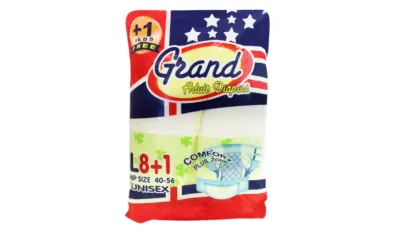
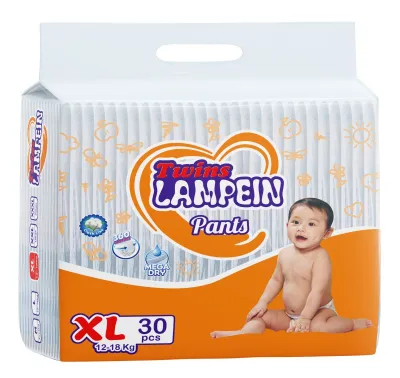
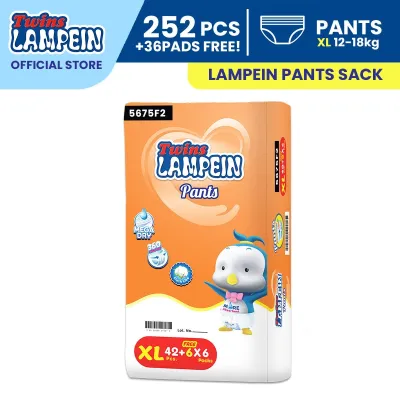
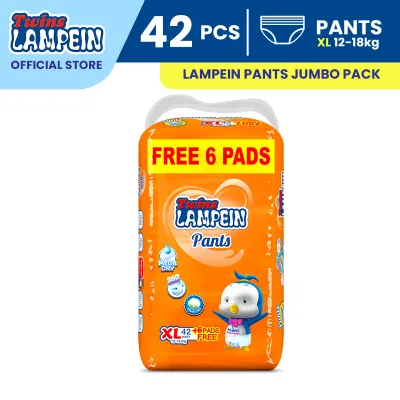
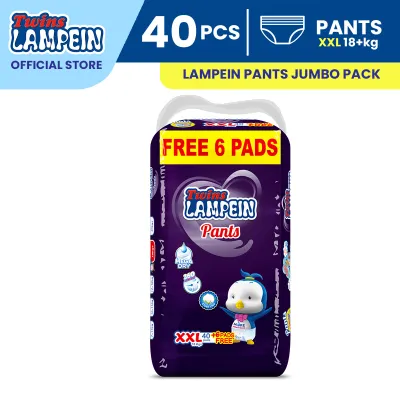
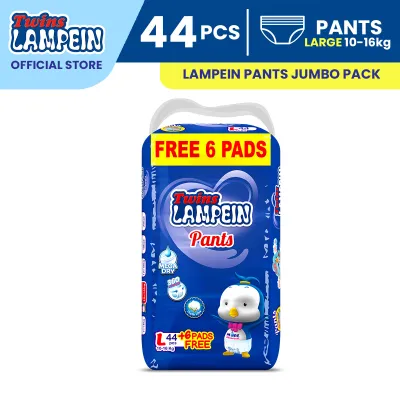
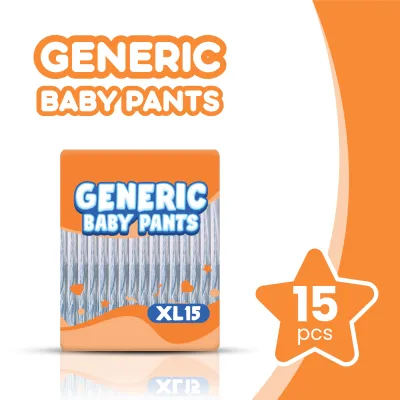
Prices are valid at publication and may change. Please refer to the product page for the latest price.
- Pampers XL is typically engineered for flexibility, featuring a slim, lightweight core that is ideal for active daytime play.
- Huggies XL often focuses on a plush, contoured core designed to absorb heavy volumes of liquid, making it a common choice for overnight use.
- Equator XL offers a straightforward, value-oriented design that provides reliable basic protection, making it highly practical for parents who prefer a routine of frequent diaper changes.
Because diaper fit varies significantly between babies of the same weight, parents should always verify the specific weight ranges on the packaging and test a small pack before committing to a bulk purchase.
Key Factors That Determine Diaper (Lampin) Absorbency
To evaluate any diaper brand objectively, it is helpful to understand the science behind modern diaper construction. The primary absorbent power of a disposable diaper, or lampien xl, comes from a combination of Super Absorbent Polymers (SAP) and fluff pulp. SAP consists of tiny sodium polyacrylate crystals that can absorb many times their weight in liquid, turning into a gel that locks moisture away from the skin. Fluff pulp helps distribute the liquid initially, allowing the SAP time to absorb it.

In the warm, humid environment of the Philippines, this moisture-locking capability is crucial. If liquid is allowed to sit on the surface of the diaper, the combination of wetness, friction, and sweat can rapidly lead to diaper rash or prickly heat, locally known as bungang-araw.
Another critical component is the Acquisition Distribution Layer (ADL). This specialized layer sits just beneath the top sheet and is designed to quickly draw liquid away from the baby’s skin and distribute it evenly across the entire length of the absorbent core. Without an effective distribution layer, liquid tends to pool in one spot, causing the diaper to sag heavily in the front or middle, which can lead to premature leaks even if the rest of the diaper is completely dry.
Physical leak barriers also play a major role in overall performance. High-quality diapers feature double-layered elastic leg cuffs and stretchy waistbands that contour to the baby’s body. These barriers act as a physical dam, holding back liquid during sudden, heavy wetting events until the absorbent core can fully draw it in.
Finally, parents must recognize that physical fit is just as important as absorbent capacity. A diaper that is too loose around the thighs or waist will leak from the gaps, regardless of how much SAP is packed into the core. Conversely, a diaper that is too tight can cause chafing and skin marks, which is why transitioning to an XL size at the right developmental milestone is essential.
Pampers XL: Design Focus and Absorbency Features
Pampers has long established a reputation in the Philippine market for prioritizing a thin, lightweight, and highly flexible design. For active toddlers who are crawling, walking, or running, a bulky diaper can restrict movement and cause discomfort. Pampers addresses this by utilizing a highly efficient absorbent core that relies heavily on advanced SAP distribution rather than thick layers of fluff pulp.
When inspecting a pack of Pampers XL, you will typically observe several key design features:
- Thin Core Profile: The diaper is noticeably thinner than many competitors when dry, reducing bulk between the baby's legs and allowing for high mobility.
- Stretchy Side Panels: The sides of the diaper are designed to stretch and flex with the baby's movements, helping to maintain a snug fit around the waist without restricting breathing or digestion.
- Breathable Back Sheet: The outer cover is engineered with micro-pores that allow hot air and moisture to escape while keeping liquid locked inside, which is a major advantage in tropical humidity.
- Wetness Indicator: A clear line on the outside of the diaper changes color to let parents know when liquid has reached the outer layers of the core.
Because the thin design relies on rapid absorption and distribution channels, Pampers XL is highly effective at keeping active babies dry during the day. However, because the core is optimized for a slim profile, some parents find that it may feel saturated more quickly during long, uninterrupted periods of sleep. To ensure the best performance, always check the recommended weight range on the packaging (which can vary slightly depending on whether you choose the pants or tape variety) and adjust the fit to match your baby’s current shape.
Huggies XL: Design Focus and Absorbency Features
Huggies takes a distinct approach to diaper design, often focusing on a more plush, structured, and contoured core. This design philosophy is geared toward maximum containment, making Huggies XL a popular choice for parents who need a diaper that can handle large volumes of liquid over extended periods, such as overnight or during long family outings.
Observable features on Huggies XL packaging and the diaper itself include:
- Plush Absorbent Core: The diaper has a more substantial, cushioned feel, which provides a physical sense of security and a soft barrier against the skin.
- Deep Pocket Waistband: Many Huggies designs feature a pocketed waistband at the back, which is specifically engineered to trap runny stools and liquid, preventing messy leaks up the baby's back.
- Robust Elastic Leg Cuffs: The leg barriers are often wider and more pronounced, providing a strong physical barrier against side leaks.
- Contoured Shape: The diaper is cut to follow the natural curves of a baby's body, helping to keep the absorbent material positioned exactly where it is needed most.
While the thicker, plush core of Huggies XL offers excellent total capacity and is highly reliable for heavy wetters, it does come with a few trade-offs. When fully saturated, a thicker core can become quite heavy and bulky, which may cause the diaper to sag. This sagging can create gaps around the waistband or thighs if the diaper is not fastened snugly. Parents should monitor the fit throughout the day and ensure the waistband is positioned high enough to support the weight of a wet diaper.
Equator XL: Design Focus and Absorbency Features
Equator XL is positioned as a practical, value-oriented option in the Philippine diaper market. For many families managing household budgets in Philippine Pesos (₱), the cost of daily diapering can add up quickly. Equator addresses this by focusing on essential absorbency features without the added cost of premium, high-tech materials or extensive marketing claims.
When examining Equator XL diapers, you can expect to find standard, reliable features:
- Standard Absorbent Core: The core utilizes a traditional blend of fluff pulp and SAP to absorb and lock away moisture.
- Basic Leak Guards: The diaper includes elastic leg cuffs to help prevent side leaks during normal daily activities.
- Standard Elastic Waistband: The waistband provides a secure fit, though it may have less stretch and flexibility compared to premium brands.
- Simple, Lightweight Construction: The diaper is designed to be straightforward and functional, focusing on the core task of containment.
Because value-oriented diapers like Equator XL generally contain a more standard ratio of fluff pulp to SAP, they perform best when integrated into a routine of frequent diaper changes. Keeping a baby in a saturated diaper for too long can lead to skin irritation, especially in hot weather. By choosing a budget-friendly option like Equator, parents can comfortably change their baby’s diaper more frequently throughout the day without worrying about the high cost per piece. This frequent changing routine is often the most effective way to maintain excellent skin health and prevent diaper rash.
Comparing Fit, Leak Protection, and Observable Features
To help you compare these three brands directly, it is useful to look at their physical characteristics and recommended usage profiles side by side. The following table outlines the observable features you can verify on the packaging or by inspecting the diapers themselves:
| Feature | Pampers XL | Huggies XL | Equator XL |
|---|---|---|---|
| Core Thickness Profile | Slim and highly flexible; relies on channel-based SAP distribution. | Plush and contoured; features a thicker, cushioned core. | Standard thickness; uses a traditional fluff and SAP blend. |
| Leg Cuff Design | Double-layered, soft, and flexible for high mobility. | Wide, robust, and highly elastic for maximum containment. | Standard elastic barriers for reliable daily protection. |
| Wetness Indicator | Standard on most lines; changes color clearly when wet. | Standard on most lines; provides a clear visual cue. | May vary by specific product line; check packaging. |
| Best Suited Routine | Active daytime play, outings, and babies who dislike bulky diapers. | Overnight sleep, long naps, and heavy wetters. | Frequent daytime changes and budget-conscious daily use. |
While comparing features is helpful, the ultimate test of any diaper is how it fits your baby’s unique body shape. To ensure a proper fit, parents can perform a simple “finger test” after putting the diaper on. Slide two fingers comfortably inside the elastic leg cuffs and the waistband. If your fingers slide in easily but feel snug, the diaper is positioned correctly. If the fit feels loose, or if you can see gaps when your baby moves, liquid is likely to escape. Conversely, if you see deep red marks on your baby’s skin after removing the diaper, the size may be too small, or the tabs may be fastened too tightly.
Decision Guide: Which XL Diaper Fits Your Baby’s Routine?
Choosing the right diaper is not about finding the single “best” brand, but rather about matching a diaper’s design to your baby’s daily routine and your family’s lifestyle. You can use this practical framework to guide your next purchase:
- Choose Pampers XL if your baby is highly active during the day, crawling or walking constantly, and you prefer a slim, flexible diaper that moves naturally with their body while minimizing the risk of friction-induced chafing.
- Choose Huggies XL if your baby is a heavy wetter, particularly during long naps or overnight sleep, and you want a plush, highly contoured diaper with a deep pocket waistband to prevent leaks and blowouts.
- Choose Equator XL if you prefer a proactive routine of changing your baby's diaper frequently to maintain maximum freshness, are managing a strict household budget, and need a reliable, cost-effective option for daytime wear.
Remember that a baby’s body proportions change rapidly as they grow. A brand that fit perfectly last month might begin to leak as your baby’s thighs lean out or their waist expands. If you experience sudden, unexplained leaks, it is often a sign of a fit issue rather than an absorbency failure. Before committing to a large bulk box of any new brand, always purchase the smallest available pack to test for fit, leak protection, and skin compatibility in your baby’s daily routine.
Frequently Asked Questions (FAQ)
How often should I change an XL diaper even if the wetness indicator hasn't changed color?
You should physically check your baby’s diaper every 2 to 3 hours during the day and change it immediately after any bowel movement, regardless of what the wetness indicator shows. Wetness indicators are highly convenient, but they only react when liquid reaches the specific outer sensor strip. If your baby urinates in a localized area that doesn’t immediately contact the indicator, or if the diaper’s internal core has absorbed the moisture but is reaching its saturation limit, the indicator may not change color right away. Regular physical checks are the most reliable way to keep your baby’s skin dry and prevent diaper rash.
Does a thicker diaper always mean it holds more liquid?
No, physical thickness is not a reliable indicator of a diaper’s total absorbent capacity. Modern diaper technology relies heavily on Super Absorbent Polymers (SAP), which are incredibly compact when dry but can absorb and lock away many times their weight in liquid. A thin diaper that uses high-quality SAP and advanced distribution channels can easily outperform a thicker diaper that relies primarily on bulky fluff pulp. In fact, fluff-heavy diapers often sag and pool liquid in one area, whereas a well-designed thin diaper distributes wetness evenly across the core, maintaining a secure fit and keeping your baby drier for longer.

Community discussion
Share your experience or ask a question. Comments are reviewed before publication.