
Parents in the Philippines searching for the ultimate balance of softness, thinness, and heavy-duty absorbency often look toward Korean diaper technology as the gold standard. When comparing Pampers, Huggies, and Equator to see which brand best mimics premium Korean diaper pants, the answer is conditional. No single brand perfectly replicates every premium Korean feature, but each excels in distinct areas that cater to different baby profiles, developmental stages, and parenting budgets.
Pampers is the top choice if your baby is highly active and requires a highly flexible, stretchy waistband that mimics the ultra-soft, second-skin feel of Korean designs. Huggies stands out as the superior option for heavy wetters or overnight wear, offering a structured, snug fit with robust leak guards that prevent messy blowouts during active play or sleep. Equator serves as a highly practical, budget-friendly alternative for parents seeking decent everyday comfort and straightforward performance without the premium price tag.
Ultimately, the best choice depends on your baby’s unique body shape, skin sensitivity, and your household budget. Because babies grow and change rapidly, a diaper that fits perfectly during the crawling stage might require an adjustment as they start walking. Understanding how these brands compare across key performance areas will help you make an informed decision for your little one.
Products mentioned in this guide
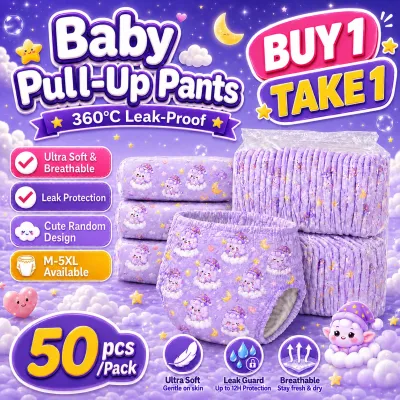
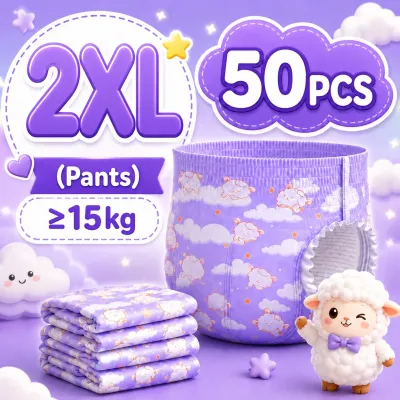
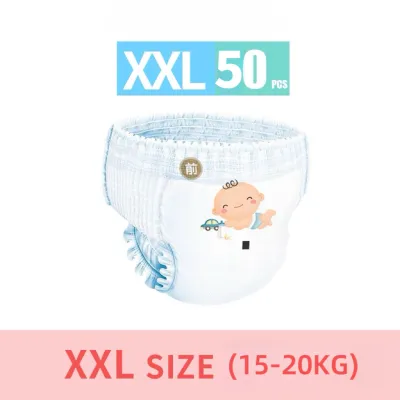

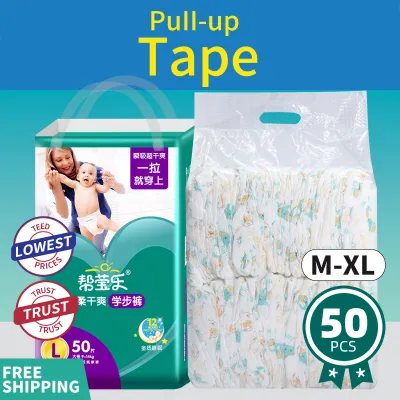
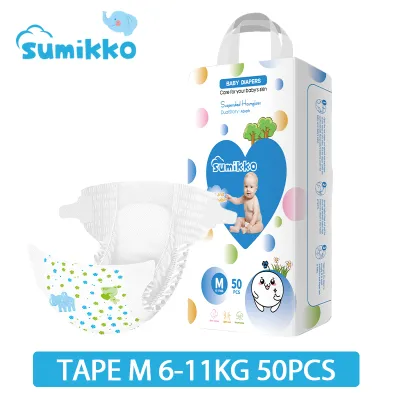
Prices are valid at publication and may change. Please refer to the product page for the latest price.
What Makes a Diaper Pant "Korean-Style"?
Korean-style diaper pants have gained massive popularity among Filipino parents due to their distinct engineering. Unlike traditional, bulky diapers, these premium products prioritize an ultra-thin profile that does not sacrifice absorbency. They utilize advanced core materials that lock away moisture quickly, preventing the diaper from sagging or clumping between the baby’s legs as they move.
Another hallmark of the Korean style is the exceptional softness and width of the waistband. Korean designs focus on a 360-degree elastic cloud-like stretch that sits high on the waist, distributing pressure evenly to prevent red marks and skin irritation. The leg cuffs are typically designed with wide, double-layered barriers that lie flat against the skin rather than digging into chunky thighs, ensuring comfort during long hours of wear.
In the Philippines, these features are highly sought after to combat the intense tropical heat and humidity. A thick, non-breathable diaper can quickly trap sweat and urine against a baby’s delicate skin, leading to painful heat rashes or diaper dermatitis. Parents look for options like Pampers, Huggies, and Equator to see if they can deliver this lightweight, breathable, and highly absorbent Korean-style experience at various price points.
Fit and Comfort: Comparing the Waistbands and Leg Cuffs
A diaper’s fit is the first line of defense against both leaks and skin irritation. If the waistband is too tight, it can cause chafing and discomfort; if the leg cuffs are too loose, liquid will escape before the core can absorb it. Evaluating how Pampers, Huggies, and Equator construct these physical barriers reveals significant differences in their design philosophies.

Pampers: Stretch and Flexibility
Pampers diaper pants are widely recognized for their highly elastic, adaptive waistbands. The brand focuses on a 360-degree stretchy belt that expands and contracts naturally as your baby breathes, eats, and moves. This makes them exceptionally comfortable for babies who are constantly crawling, rolling, or taking their first steps, as the waistband moves with the body rather than resisting it.
The leg cuffs on Pampers pants are designed to be soft and flexible, minimizing the risk of leaving deep red marks on babies with thicker thighs. However, because the material is highly pliable, it is essential for caregivers to ensure that the outer ruffles of the leg cuffs are fully flipped outward after putting the diaper on. Parents should also note that fit characteristics can vary between specific product lines, such as the premium-tier Pampers Premium Care Pants compared to the more everyday Pampers Baby Dry Pants, so verifying the specific line’s features is always recommended.
Huggies: Snug Fit and Leak Protection
Huggies diaper pants approach fit with a focus on structure and secure containment. The waistband is typically firmer and more robust than Pampers, providing a secure hold that keeps the diaper from slipping down even when fully loaded. Many Huggies lines feature a pocketed or reinforced back design, which is highly effective at catching runny stools and preventing back blowouts during active play or tummy time.
The leg cuffs on Huggies pants are designed to hug the baby’s thighs snugly, creating a highly secure barrier against active movements. This snugness is ideal for preventing leaks during vigorous play, but it also means parents must be highly attentive to sizing. If your baby is on the upper end of a weight range or has particularly chunky legs, the snug fit of Huggies may require you to size up to avoid red marks and skin compression.
Equator: Basic Comfort and Accessibility
Equator diaper pants offer a straightforward, functional design aimed at budget-conscious families. The elastic waistband provides standard stretch that performs well for daily, routine wear. While it may lack the ultra-silky texture of premium Korean imports or high-end Pampers lines, it offers a reliable hold for babies with standard body proportions who do not require highly specialized elastic engineering.
The leg cuffs on Equator diapers are basic but functional, featuring standard double-barrier guards. Because the materials used in budget-friendly diapers are generally less dynamic in their elasticity, they may not adapt as fluidly to highly active movements as their premium counterparts. Parents using Equator should perform frequent fit checks, especially during active playtimes, to ensure the waistband and leg cuffs remain properly positioned and have not shifted out of place.
Absorbency and Breathability in Humid Climates
Managing moisture and airflow is critical when raising a baby in the Philippines’ hot and humid climate. High temperatures accelerate the breakdown of urea in urine, which can quickly irritate a baby’s skin if trapped inside a damp, non-breathable diaper environment.
Pampers utilizes a proprietary core technology featuring micro-absorbent gel beads and specialized air channels. These channels are designed to distribute liquid evenly across the diaper rather than letting it pool in one spot. This design helps maintain a thin profile even when wet, mimicking the classic Korean-style diaper structure and promoting continuous airflow through the core to keep the skin cool.
Huggies relies on a highly dense, rapid-absorbency core that is engineered to pull moisture away from the skin instantly. This makes it an excellent choice for long car rides or overnight sleep, where immediate dryness is crucial. The outer cover of Huggies diapers is designed with breathable materials to help heat dissipate, though the overall feel of the diaper can sometimes feel slightly thicker and more structured than the ultra-thin profile of Pampers.
Equator diapers use a traditional absorbent core that provides reliable capacity for regular daytime intervals. While it may not feature the advanced channeling systems of premium brands, it gets the job done for standard wear. However, because budget cores may hold moisture closer to the surface for slightly longer, more frequent diaper changes are recommended to maintain skin dryness and prevent irritation.
To evaluate how well a diaper is performing at home, parents can conduct a simple dryness check. After your baby has worn the diaper for a couple of hours, gently press a clean, dry paper tissue against the inside liner of the diaper. If the tissue remains completely dry, the core is successfully locking away moisture; if the tissue dampens, it is a sign that the diaper is reaching its capacity or the absorption rate is slowing down.
Safety Warning: No diaper is entirely rash-proof, regardless of its breathability or absorbency features. If your baby exhibits persistent skin redness, heat rash, or signs of diaper dermatitis, immediately stop using the current diaper, allow the skin to air dry, and consult a pediatrician or qualified healthcare professional for guidance.
Sizing Consistency and the Value of daipers 50pcs korean pants Packs
One of the most common pitfalls for parents is assuming that diaper sizing is uniform across all brands. A Medium diaper pant is not a standardized physical measurement; a Medium in Pampers may have a completely different cut, waistband tension, and leg opening size compared to a Medium in Huggies or Equator.
To avoid painful leaks or uncomfortable tightness, parents must disregard age recommendations and focus strictly on the baby’s current weight. Always consult the manufacturer’s official weight chart printed on the packaging. If your baby is transitioning between sizes—for example, weighing 9 kilograms when the Medium range is 6–11 kg and the Large range is 9–14 kg—it is often safest to opt for the larger size, especially if your baby has a rounder tummy or thicker thighs.
When shopping for value, many parents search for bulk packages, such as daipers 50pcs korean pants configurations, to secure a lower cost per unit. To determine the true economic value, do not simply look at the total package price. Divide the retail price by the number of pieces (e.g., 50) to calculate the exact cost per diaper. While budget brands like Equator will almost always offer a lower cost per piece, premium brands like Pampers and Huggies frequently run promotions on their 50-piece packs, narrowing the price gap.
To ensure your baby’s safety and product performance, always purchase these bulk packs from official brand stores or authorized online malls. Counterfeit or improperly stored diapers can lose their elasticity, suffer from degraded absorbent cores, or contain unauthorized materials that irritate sensitive baby skin. Proper storage in a cool, dry place away from direct sunlight is essential for maintaining diaper integrity in tropical environments.
Final Decision Guide: Which Brand Should You Choose?
Choosing the right diaper pant requires balancing your baby’s physical needs with your family’s daily routine and budget. Use this structured framework to guide your final decision:
- Choose Pampers if: Your baby is highly active, constantly on the move, and prone to red marks from tight waistbands. Pampers offers the most flexible, lightweight, and stretch-conforming fit that closely mirrors the premium, non-restrictive feel of high-end Korean diaper pants.
- Choose Huggies if: Your baby is a heavy wetter, needs a highly reliable option for overnight sleep, or frequently experiences diaper blowouts. Huggies provides a secure, structured fit with robust leak guards and excellent moisture-locking capabilities.
- Choose Equator if: You are looking for a highly economical daily diaper for routine, daytime use. Equator is ideal for babies with standard body proportions who do not require specialized stretch, allowing you to maximize your savings on bulk 50-piece packs.
Remember that your baby’s diapering needs will evolve. A brand that performs flawlessly during the infant stage may no longer fit well once your baby becomes an active toddler. Before committing to large 50-piece boxes of a new brand or size, always purchase a small trial pack to test the fit, absorbency, and skin compatibility in real-world conditions.
Frequently Asked Questions (FAQ)
Do I need to size up when switching to Korean-style diaper pants?
Korean-style diaper pants often feature a slimmer, more tailored cut compared to traditional Western-style utility diapers. If you are transitioning to a brand designed to mimic this style, check the manufacturer’s weight chart carefully. If your baby is near the upper limit of their current weight bracket or has a rounder build, sizing up is highly recommended to ensure maximum comfort and prevent the waistband from digging into the skin.
How can I prevent diaper rash in a tropical climate?
Preventing diaper rash in hot, humid weather requires maintaining a clean and dry skin barrier. Change your baby’s diaper pant promptly, especially immediately after bowel movements. Allow the skin to air dry completely before putting on a fresh diaper, and avoid tight clothing that traps heat. If skin redness or irritation persists despite frequent changes, consult a pediatrician or healthcare professional.

Community discussion
Share your experience or ask a question. Comments are reviewed before publication.