
Quick Answer: Matching the Diaper to Your Toddler's Movement
Active toddlers in the Philippines need diapers that accommodate both high mobility and tropical humidity. Pampers typically focuses on a thin, flexible core profile, while Huggies frequently features pocketed waistbands and robust leg cuffs. Equator offers a straightforward, budget-friendly design suitable for frequent daytime changes.
No single brand is universally best; the right choice depends on your toddler’s unique body shape and your daily routine. Real-world testing is essential to confirm which design provides the best comfort and leak protection for your child’s movements.
Key Features to Check for Active Daytime Use
When a toddler transitions from crawling to running, climbing, and squatting, their diaper must adapt to rapid physical changes. The first feature to inspect is the waistband stretch. Look for side panels or back elastics that expand smoothly. If the fasteners are too rigid, they can dig into your child’s skin during deep bends, leaving red marks.
Products mentioned in this guide
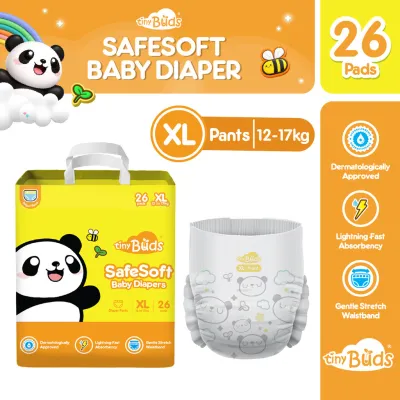
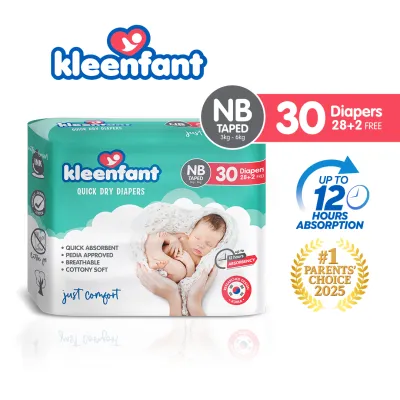
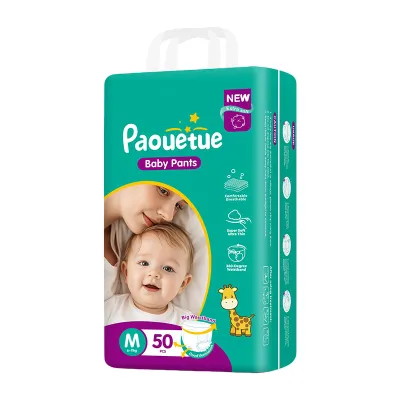
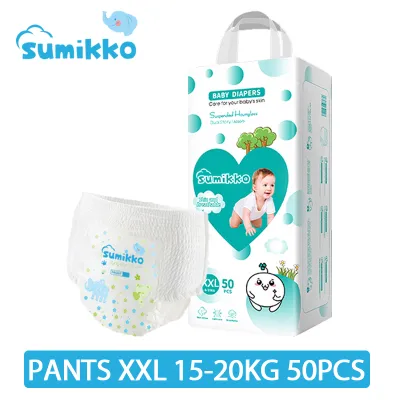
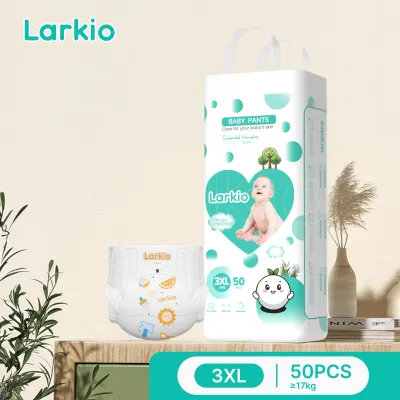


Prices are valid at publication and may change. Please refer to the product page for the latest price.

Next, examine the leg cuffs. Active play requires double-layered, high-barrier leg guards that sit snugly in the groin crease. These barriers must remain upright even when your toddler is climbing on play structures or sitting cross-legged on the floor. If the cuffs collapse easily under light finger pressure, they may fail to contain sudden leaks.
Finally, evaluate the core distribution and bulkiness. A heavy, sagging diaper core can alter a toddler’s center of gravity and restrict their natural stride. Look for designs that distribute liquid evenly across the absorbent zone rather than letting it pool in one spot. In a humid climate, a thinner core profile also helps reduce heat retention around the diaper area.
Brand Design Breakdown: What to Look For
Checking Pampers for Flexibility and Core Profile
When evaluating Pampers options for active toddlers, start by inspecting the stretchiness of the side panels. The brand’s design philosophy typically emphasizes a lightweight, contouring fit that mimics underwear. Feel the elasticity of the tabs to ensure they stretch easily without requiring excessive force to fasten.
Next, look at the thickness of the dry diaper. Pampers is widely recognized for its thin absorbent core profile, which is intended to minimize bulk between your toddler’s thighs. This streamlined shape can be highly beneficial for toddlers who are learning to run and jump, as it reduces friction.
Additionally, check the placement of the wetness indicator on the outer cover. For active daytime play, a clear, highly sensitive indicator allows you to perform quick visual checks without disrupting your toddler’s games. Ensure the indicator is easily visible even when your child is wearing lightweight tropical clothing.
Checking Huggies for Waistband and Cuff Design
Huggies diapers often feature a distinct structural approach focused on secure containment during high-impact movement. Inspect the back of the waistband to see if it includes a pocket or contoured elastic barrier. This design is specifically engineered to catch upward leaks and messy blowouts when your toddler is sitting, jumping, or sliding.
Evaluate the height and elasticity of the leg cuffs on Huggies models. The elastic bands should feel robust and spring back quickly when pulled. This snug, secure fit around the thighs is designed to prevent gaps from forming during wide-legged movements like climbing or squatting.
You should also assess the overall thickness of the absorbency layer. While a slightly thicker core may feel more substantial, observe how the diaper behaves when fully saturated. Check if the absorbent material holds its shape or if it clumps together, which can affect your toddler’s comfort during extended play sessions.
Checking Equator for Standard Fit and Core Bulk
Equator diapers present a more traditional, straightforward design that appeals to budget-conscious households. When inspecting these diapers, review the basic elastic waistband and standard leak guards. While they may lack the high-tech stretch zones of premium brands, they are designed to provide reliable, basic protection for routine daytime activities.
Compare the core bulkiness and stiffness of Equator against your toddler’s movements. Because budget-friendly diapers sometimes use simpler absorbent materials, the core may feel slightly stiffer or thicker than premium alternatives. Observe whether this stiffness limits your child’s flexibility or if they can move comfortably without restriction.
Finally, determine if the standard cut of Equator accommodates your toddler’s specific proportions. If your child has a very slender waist or exceptionally chunky thighs, a standard-fit diaper may require more careful positioning of the fastening tapes to ensure a secure seal without gaps.
Decision Framework: Choose Based on Your Toddler's Routine
To make an informed choice, align the diaper’s design strengths with your toddler’s daily habits and physical build. If your toddler is constantly on the move, dislikes bulky clothing, and has a slender or average build, Pampers may be the most suitable option. Its thin profile and flexible side panels support unrestricted leg movement and help keep the diaper discreet under light summer clothes.
If your toddler is prone to waistline leaks, has a chunkier build with rounder thighs, or engages in intense physical play like climbing and tumbling, Huggies is often the practical choice. The pocketed waistband and secure leg cuffs provide an extra layer of defense against high-pressure leaks, ensuring that active play does not result in messy cleanups.
For families prioritizing frequent daytime changes, Equator offers an excellent balance of utility and economy. In the hot, humid climate of the Philippines, changing your toddler’s diaper frequently is crucial to prevent sweat rash and skin irritation. Using a budget-friendly brand like Equator for daytime wear allows you to change the diaper as soon as it is wet without worrying about high per-unit costs in ₱.
Before committing to any brand in bulk, always verify your toddler’s specific physical needs. If your child has highly sensitive skin, unusual body proportions, or a history of diaper dermatitis, you may need to consult a pediatrician or pediatric dermatologist. Always check the manufacturer’s packaging for weight guidelines, as a toddler’s weight is a more reliable indicator of diaper size than their age.
Practical Tips for Preventing Leaks During Active Play
Even the highest-quality diaper will leak if it is not sized or applied correctly. To ensure optimal performance, perform regular sizing checks. Do not rely solely on the age range printed on the box; instead, monitor your toddler’s weight relative to the manufacturer’s size chart. If you notice deep red marks around the thighs or waist, or if the fastening tabs sit far to the sides of the front panel, it is time to transition to the next size up.
Application technique is equally critical for active toddlers. When putting on a new diaper, always run your fingers around the leg cuffs to ensure the outer ruffles are fully pulled out. If these ruffles remain tucked inward, they will channel liquid outward, leading to immediate leg leaks. Fasten the waist tabs symmetrically, ensuring the band is snug enough to stay in place but loose enough to slip two fingers comfortably inside.
Finally, adjust your changing frequency based on environmental conditions and activity levels. During hot, humid days in the Philippines, toddlers sweat more and often consume more fluids. This combination increases the risk of skin breakdown. Plan to change daytime diapers every two to three hours, or immediately after heavy play sessions, to maintain a dry, healthy skin barrier and prevent friction-induced chafing.
Frequently Asked Questions (FAQ)
How do I know if my toddler's diaper is too small for their active movements?
Several physical signs indicate that a diaper is restricting your toddler’s movement or has reached its capacity limit. Look for deep, persistent red marks on your child’s thighs, hips, or lower back after you remove the diaper. Another clear sign is if the diaper frequently sags or slips down the hips during play, even when it is not fully wet. Finally, if the fastening tabs struggle to reach the designated landing zone on the front panel, or if you experience frequent blowouts despite proper application, your toddler has likely outgrown that size.
Should I use a different diaper for daytime play and nighttime sleep?
Using different diapers for day and night is a highly effective strategy for many families. During the day, your primary goal is mobility and breathability, making thinner, more flexible diapers ideal for running and climbing. At night, however, your toddler requires a diaper with a higher absorbent capacity and wider coverage to handle long hours of lying down without leaking. Buying a premium, high-capacity diaper specifically for overnight use, while relying on a more flexible or budget-friendly option for frequent daytime changes, can optimize both comfort and your household budget.

Community discussion
Share your experience or ask a question. Comments are reviewed before publication.