
Finding the right diaper for your baby in the Philippines often comes down to balancing tropical humidity, your baby’s unique shape, and your household budget. There is no single brand that works perfectly for every infant because babies differ in body shape, skin sensitivity, and activity levels. Pampers, Huggies, and Equator each offer distinct design philosophies, sizing structures, and price points that cater to different parenting priorities.
To narrow down your choice, look at your immediate needs. If you prioritize specific sizing increments and a highly visible wetness indicator, Pampers is a strong starting point. If your baby is highly active and you prefer a robust, stretchy waistband with secure fastening tabs, Huggies is designed to address those movement needs. If you are looking to optimize your daily budget with a straightforward, cost-effective option for frequent daytime changes, Equator offers a practical alternative.
Before committing to a large bulk purchase, always buy the smallest available pack of your shortlisted brand. This allows you to test the physical fit and monitor your baby’s skin reaction under local weather conditions without risking a large financial investment.
Products mentioned in this guide
![EQ Plus [XXL] Tape Diapers (20pcs)](https://img.lazcdn.com/g/p/57008280ec2d71b92d032713f29c672e.jpg_400x400q80.jpg_.webp)
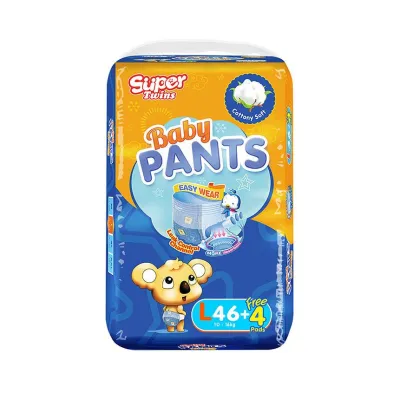
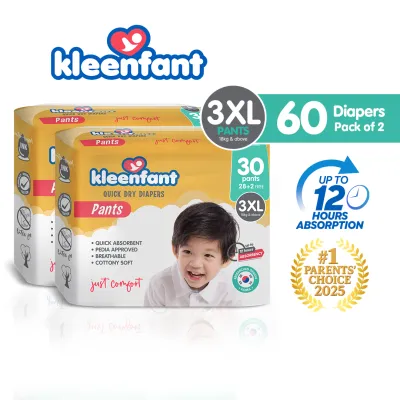
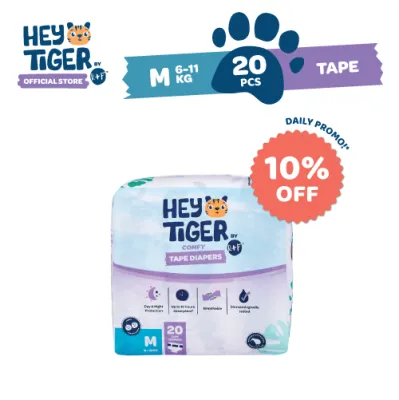
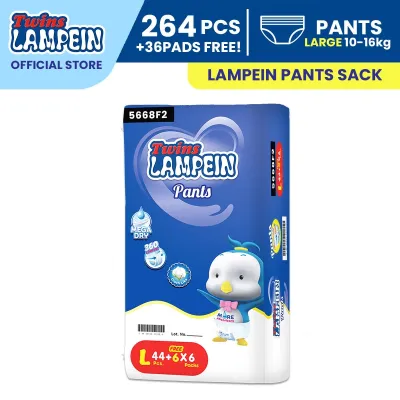

Prices are valid at publication and may change. Please refer to the product page for the latest price.
How to Evaluate Absorbency and Leak Protection Claims
Absorbency is the most critical function of any diaper, especially during long night sleeps or humid afternoons when moisture can quickly cause skin irritation. When comparing Pampers, Huggies, and Equator, you must look past marketing slogans and examine the physical specifications listed on the packaging.
Start by checking the recommended weight range on the diaper pack. Manufacturers design diaper cores and elastic barriers to contain specific volumes of liquid based on average baby weights. If your baby is near the upper limit of a size range, the diaper’s absorbent core may saturate too quickly, leading to leaks. Staying well within the recommended weight limits is your first line of defense against diaper failure.
In the tropical climate of the Philippines, high humidity means that moisture does not evaporate easily from the skin. When a diaper’s absorbent core becomes saturated, the combination of urine and sweat can quickly create a breeding ground for bacteria. This makes it even more critical to monitor how well the core locks away wetness. You can test this by gently pressing a dry tissue against the inner lining of a wet diaper during a change; if the tissue remains dry, the core is performing its job of locking moisture away from the skin.
Next, inspect the packaging for details regarding the absorbent core technology. Look for terms that describe how moisture is distributed, such as absorbent channels, superabsorbent polymer (SAP) gel beads, or multi-layer distribution sheets. When you open a pack, you can physically feel the diaper to see if the core is evenly distributed or if it feels bulky in specific areas. A well-designed core distributes liquid evenly to prevent sagging and keep moisture away from your baby’s skin.
Many modern diapers include a wetness indicator line on the outer cover. This yellow line turns blue or green as the diaper absorbs moisture, providing a quick visual cue for caregivers. Check the packaging of the specific product line you are considering to confirm if this feature is included, as it can vary between basic and premium lines within the same brand.
Finally, pay close attention to the leg cuffs, which act as physical barriers against side leaks. When putting a diaper on your baby, always run your finger along the inner thighs to ensure these double-layered leg cuffs are fully pulled out and not tucked inward. A high-quality leg cuff should feel snug but elastic, creating a secure seal that moves with your baby’s legs.
Checking Fit, Sizing, and Movement Comfort
A diaper can have excellent absorbency, but it will still leak if the fit does not match your baby’s body shape. Babies come in all proportions—some have round bellies, while others have chunky thighs—meaning a diaper shape that fits one baby perfectly might gap on another.

To evaluate the fit before putting the diaper on your baby, physically stretch the waistband and fastening tabs. High-quality waistbands should offer a smooth, elastic recoil that stretches easily without requiring excessive force. The fastening tabs should feel secure and allow for multiple adjustments without losing their grip on the landing zone.
When the diaper is on your baby, perform a quick three-point check to ensure a proper fit. First, the waistband should sit snugly around the waist, allowing you to slide two fingers comfortably between the material and your baby’s skin. Second, there should be no visible gaps around the thighs where liquid can escape. Third, when you change the diaper, check for deep red marks or indentations on your baby’s waist or thighs, which indicate the diaper is too tight or the elastic is too stiff.
As your baby transitions from a quiet newborn to an active crawler, their physical shape changes, and so do their diapering needs. A diaper that fit perfectly when your baby was mostly lying down might begin to gap or sag once they start rolling over or sitting up. Pay close attention to how the diaper behaves when your baby is in motion. If you notice the waistband slipping down or the leg openings shifting out of place, it is a clear sign that the current design or size is no longer accommodating your baby’s developmental stage.
Different brands offer unique structural designs to accommodate different stages of development. Look at the packaging for features like contoured shapes that curve around the legs, umbilical cord cutouts in newborn sizes to protect the healing navel, or wide, flexible side panels that stretch as your baby crawls and walks.
You will know it is time to size up when you observe consistent leaks despite correct application, when the fastening tabs sit far apart near the hips, or when your baby’s weight approaches the upper boundary of the current size. Do not hesitate to move up a size early, as a slightly larger diaper is almost always more comfortable and absorbent than one that is too small.
Assessing Softness and Skin Sensitivity Features
In the warm, humid climate of the Philippines, trapped moisture and friction can quickly lead to diaper rash. Evaluating the materials and skin-care features of Pampers, Huggies, and Equator is essential for maintaining your baby’s skin health.
Begin by reading the packaging labels for specific skin-safety certifications and ingredient disclosures. Look for terms like “hypoallergenic,” “dermatologically tested,” “fragrance-free,” or “chlorine-free bleaching.” These labels indicate that the manufacturer has taken steps to minimize common skin irritants, though you should always verify these claims against your baby’s actual skin reaction.
When you open a diaper pack, physically assess the texture of the inner lining that touches your baby’s skin. It should feel smooth and soft to the touch, without any rough fibers or stiff edges. Gently rub the material to check for breathability; a breathable outer cover allows hot air and moisture vapor to escape, keeping the diaper area cooler and drier during hot days.
The intense heat in the Philippines often leads to sweat rash, locally known as bungang-araw, which can easily be mistaken for diaper rash. When sweat is trapped under a non-breathable diaper cover, it clogs the sweat ducts and causes tiny, itchy red bumps around the waistband and leg bands. To prevent this, look for diapers that feature micro-pores or highly breathable outer sheets that allow air to circulate freely. When changing your baby, feel their skin under the diaper; if it feels excessively hot or clammy, the diaper may lack the necessary breathability for tropical weather.
Keep in mind that softness is highly subjective. A diaper material that feels incredibly soft to your hands might still trap moisture if the absorbent core does not lock liquid away efficiently. Friction combined with wetness is the primary cause of diaper rash, so a dry inner surface is just as important as a soft texture.
Ultimately, no diaper brand can guarantee absolute protection against diaper rash if changes are infrequent. The most effective way to protect your baby’s skin is to change the diaper as soon as it is wet or soiled, regardless of any built-in lotions, skin-care barriers, or premium materials advertised on the packaging.
Calculating Price and Value per Diaper
Diapers are a recurring daily expense that can quickly add up over your baby’s first few years. To make an accurate financial comparison between Pampers, Huggies, and Equator, you must look past the total price of the bag and calculate the unit cost.
Use this simple formula to determine the true cost of each diaper: Cost per Diaper = Total Pack Price ÷ Number of Diapers in the Pack
For example, if a pack costs ₱450 and contains 50 diapers, the cost per diaper is ₱9.00. Performing this quick calculation allows you to compare different pack sizes, such as small travel packs versus large bulk boxes, to find the best value.
Prices can fluctuate significantly depending on where you shop. Check prices across authorized brand stores, major local supermarkets, and reputable online marketplaces in the Philippines. Buying in bulk or during promotional sales often yields the lowest cost per unit, but you must balance these savings against your baby’s growth rate.
Many local supermarkets and online marketplaces in the Philippines offer loyalty points, subscription discounts, or bundle deals that can lower your overall diaper expenses. While these promotions are highly attractive, always run the unit cost formula on the promotional price to ensure you are getting a genuine discount. Sometimes, a slightly smaller pack on sale might have a lower cost per diaper than a larger bulk box that is not discounted, making it beneficial to keep a calculator handy while shopping.
Avoid buying massive quantities of a single size or brand too early. Babies grow rapidly, and you do not want to be left with multiple unopened boxes of a size your baby has outgrown. Additionally, if your baby suddenly develops a sensitivity to a specific brand, any leftover stock represents wasted money.
Finally, consider the practical value rather than just the shelf price. A cheaper diaper that leaks frequently or requires changing twice as often as a premium option may end up costing you more in the long run. Factor in the added cost of extra laundry, diaper rash creams, and the sheer inconvenience of frequent clothing changes when deciding which brand offers the best overall value for your family.
Final Decision Framework: Which Brand to Try First
To help you choose your first trial pack, use this practical decision framework based on your specific parenting priorities and your baby’s current needs.
- Choose Pampers if: Your baby's weight aligns closely with their specific sizing increments, you prefer a highly visible wetness indicator to guide your changing schedule, and you want a widely available brand with a long history of reliable core technology.
- Choose Huggies if: Your baby is highly active, you prefer a diaper with a robust, stretchy waistband and secure fastening tabs that prevent sagging during movement, and you want a structured fit that hugs your baby's unique body shape.
- Choose Equator if: You are looking to optimize your daily diaper budget, you need a straightforward and cost-effective option for frequent daytime changes, and you want a reliable basic diaper that meets your essential absorbency needs without premium price markups.
- Neither brand may fit if: Your baby experiences persistent leaks or signs of contact dermatitis across all three brands, even when you have verified the correct size and applied the diaper according to the manufacturer's instructions.
- Verify first if: Your baby has an existing medical skin condition, severe eczema, or chronic diaper rash. In these cases, consult a pediatrician before selecting or switching diaper brands to ensure the materials will not aggravate their skin.
Once you have selected a brand to try, purchase a single small pack. Track its performance over a three-to-five-day period, paying close attention to how well it contains leaks, how easy it is to put on, and whether your baby’s skin remains clear and dry. If you notice red marks, leaks, or irritation, use this experience to adjust the size or switch to another brand in your comparison.
Frequently Asked Questions (FAQ)
Can I mix different diaper brands in my daily routine?
Yes, mixing different diaper brands is a highly effective strategy used by many parents in the Philippines to balance performance and budget. You can use a highly absorbent, premium diaper for nighttime sleep or long outings where changes are difficult, and switch to a more cost-effective brand for frequent daytime changes. If you choose to mix brands, monitor your baby’s skin closely to ensure that switching between different materials, elastic structures, or fragrances does not cause irritation or contact dermatitis.
What is the difference between taped diapers and diaper pants?
Taped diapers feature adjustable adhesive tabs on the sides, allowing you to customize the waist fit precisely to your baby’s body shape. They are ideal for newborns and younger infants who spend most of their time lying down during changes. Diaper pants, on the other hand, feature a continuous elastic waistband that pulls up like underwear, making them perfect for active, crawling, or standing babies who wiggle during changes. Keep in mind that sizing, elastic tension, and absorbency can vary slightly between the taped and pants versions of the same brand.
How do I know if my baby is allergic to a specific diaper brand?
An allergic reaction or contact dermatitis typically presents as localized redness, small bumps, or dry, irritated skin directly where the diaper material or elastic bands touch your baby’s skin. This is different from standard diaper rash, which usually appears in the warm, moist creases of the groin due to trapped wetness. If you suspect your baby is allergic to a specific brand, stop using it immediately, switch to a fragrance-free alternative, and consult a pediatrician if the irritation does not improve within a few days.
Community discussion
Share your experience or ask a question. Comments are reviewed before publication.