
Choosing the right diaper for your baby is a highly individual process that requires balancing performance, skin health, and household expenses. In the Philippines, parents frequently compare Pampers, Huggies, and Equator to find the ideal match for their little ones. Because every baby has a unique body shape, activity level, and skin sensitivity, there is no single brand that works perfectly for every family. The most effective approach is to understand how to evaluate diaper specifications, calculate the true cost per unit, and observe how your baby’s skin and movement react to different designs.
Identifying Your Baby's Core Diaper Requirements
Before comparing specific diaper brands, you must define your baby’s current physical development and your household’s daily routine. A baby’s diapering needs change rapidly during the first two years of life. For instance, a newborn baby requires frequent changes and gentle materials to protect a healing umbilical cord, while an active toddler needs secure fasteners and flexible waistbands that stay in place during crawling and walking. Always verify the recommended age, weight, and development stage on the manufacturer’s packaging to ensure the diaper structure matches your baby’s current physical milestones.
Environmental factors also play a significant role in diaper performance. In the tropical climate of the Philippines, high humidity and heat can trap moisture against your baby’s delicate skin, increasing the risk of diaper rash and heat bumps. Consequently, prioritizing breathability and rapid moisture absorption is essential for maintaining skin integrity. Caregivers must monitor the baby closely during hot days to ensure the diaper area remains dry and cool.
Products mentioned in this guide
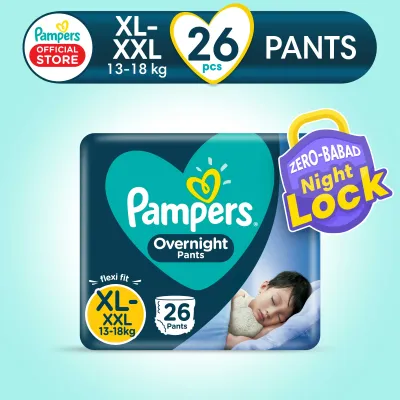
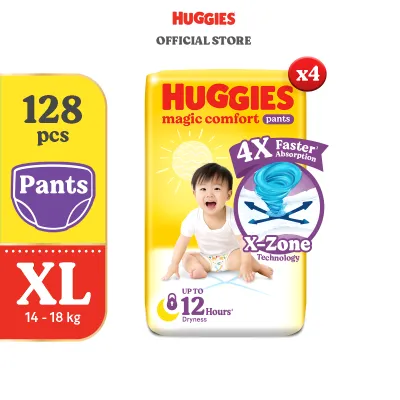
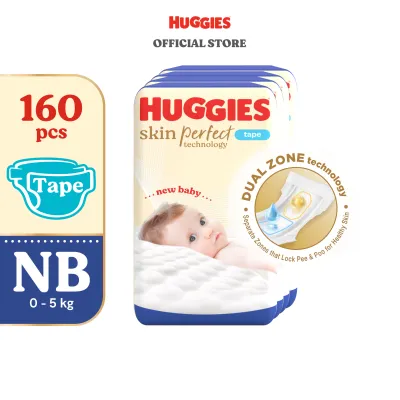
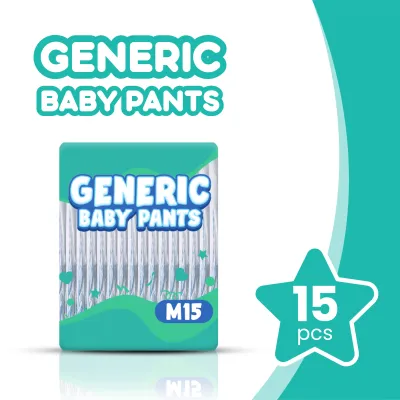
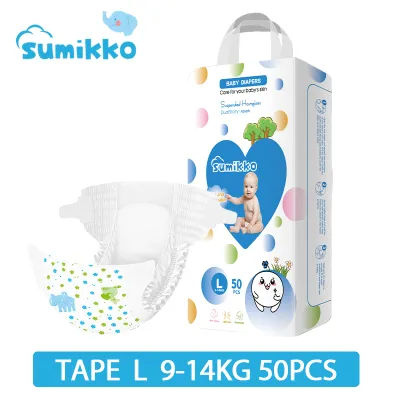
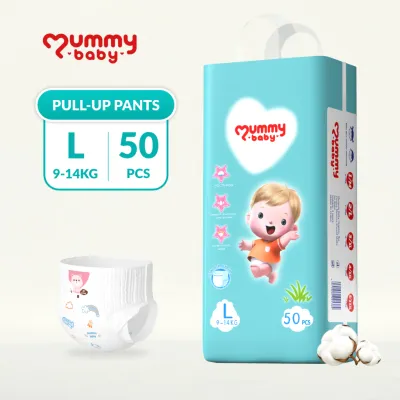
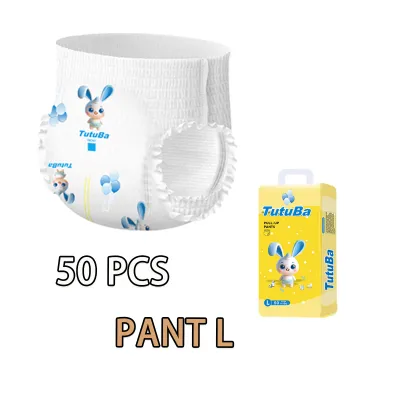
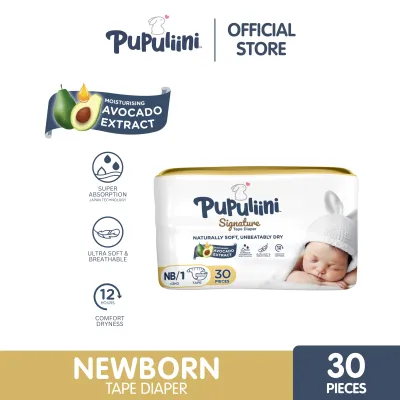
Prices are valid at publication and may change. Please refer to the product page for the latest price.
Finally, establishing a realistic monthly diaper budget is crucial. Newborns can easily go through eight to ten diapers a day, whereas older infants may require five to seven. By estimating your baby’s average daily consumption, you can project your monthly expenses and determine whether you should look for premium overnight options, budget-friendly daytime utility diapers, or a combination of both. Balancing these factors helps you narrow down which product tiers to test first.
Evaluating Absorbency and Leak Protection Features
Absorbency is the primary function of any disposable diaper, but how a brand achieves this dry feel depends on its core technology. When browsing diaper options from Pampers, Huggies, or Equator, look closely at the product packaging for descriptions of their absorbent cores. Many modern diapers utilize superabsorbent polymers mixed with wood pulp to lock wetness away from the skin. Some brands highlight specialized channel designs that distribute liquid evenly across the diaper, preventing sagging and heavy pooling in a single spot.

Leak protection is equally dependent on structural barriers. Examine the diaper’s leg cuffs and side guards. High-quality leak guards should stand upright and wrap snugly around your baby’s thighs without leaving deep red marks. For overnight use, you will want to verify if the packaging specifies extended dryness protection, which often indicates a thicker absorbent core or a more robust distribution layer designed to handle multiple wettings while your baby sleeps.
To determine if a diaper’s absorbency is meeting your baby’s needs, observe how the product behaves during use. If you notice frequent leaks, damp skin during changes, or a diaper that sags heavily after only one or two urinations, these are clear signs that the current style or size is not managing moisture effectively. A wetness indicator—a colored line on the outside of the diaper that changes hue when wet—is a highly useful feature to look for on packaging, especially for newborns, as it helps caregivers avoid unnecessary changes while ensuring the baby does not sit in moisture for too long.
Comparing Fit, Comfort, and Material Indicators
A diaper can have excellent absorbency, but if the fit is poor, leaks and discomfort are inevitable. When selecting between Pampers, Huggies, and Equator, always refer to the weight ranges printed on the packaging rather than relying on age recommendations. Babies of the same age can vary significantly in weight, thigh circumference, and waist size. If your baby is approaching the upper limit of a size’s weight range, it is generally advisable to transition to the next size up to ensure adequate coverage and prevent chafing.
The physical construction of the waistband and side panels determines how well the diaper conforms to your baby’s movements. Look for diapers that feature highly elastic, resealable tape tabs or stretchy, 360-degree pant-style waistbands. Stretchy side panels allow the diaper to expand and contract as your baby’s tummy fills up during feedings or flattens during active play. For newborns, check if the diaper design includes a contoured front or an umbilical cord cutout to prevent irritation around the belly button area.
Material softness and chemical safety are critical considerations for preventing contact dermatitis. Carefully inspect diaper packaging for labels such as “hypoallergenic,” “fragrance-free,” “paraben-free,” or “dermatologically tested.” In warm, humid conditions, diapers made with breathable outer covers allow hot air to escape and fresh air to circulate, which helps keep the diaper area cool and dry. If your baby develops persistent redness, swelling, or a rash that does not improve with frequent changes, stop using the diaper brand immediately and consult a qualified healthcare professional.
Calculating Price per Piece and Local Availability
To manage your household expenses effectively, you must look past the retail price of a diaper pack and calculate the price per piece. To find this value, divide the total cost of the package by the number of diapers inside to get the ₱ per piece. Often, smaller convenience packs sold in local convenience stores or neighborhood sari-sari stores carry a higher price per piece compared to jumbo boxes or mega packs. If your budget allows, purchasing larger quantities at once typically yields substantial long-term savings.
Availability is another practical factor that should influence your decision. A diaper brand is only convenient if you can reliably purchase it when your supply runs low. Evaluate the stock levels of Pampers, Huggies, and Equator in your immediate area, including local supermarkets, neighborhood pharmacies, and official brand stores on major e-commerce platforms. While some brands are universally stocked in almost every physical retail outlet across the Philippines, others may require ordering online or visiting larger department stores.
When planning your purchases, consider the trade-offs between bulk subscriptions and trial packs. While signing up for bulk deliveries or purchasing massive cartons online can lower your price per piece and save you trips to the store, babies grow quickly. Buying too many diapers of a single size can leave you with leftover stock that your baby has outgrown. For this reason, it is wise to purchase smaller trial packs when transitioning to a new size or testing a different brand, committing to bulk purchases only after confirming a successful fit and skin reaction.
Final Decision Framework: Choosing the Right Brand
Selecting the right diaper brand requires matching your baby’s physical profile and your family’s lifestyle to the specific strengths of each product line. If your baby is highly active, constantly crawling, or beginning to walk, prioritize diaper styles that offer maximum flexibility, such as those with 360-degree stretchy waistbands and double-layered leg cuffs that move with your child to prevent blowouts and leaks.
If your baby has highly sensitive skin or is prone to frequent diaper rash, focus your search on diaper lines that emphasize hypoallergenic materials, zero added fragrances, and highly breathable backsheets. In these cases, paying a slight premium for specialized sensitive-skin variants is often worth the investment to avoid the discomfort and medical costs associated with severe skin irritation.
For households where maximizing the monthly budget is the primary driver, look for brands or specific product tiers that offer reliable basic absorbency at the lowest calculated price per piece. Many families find success by using a highly absorbent, premium diaper for overnight sleep and a more economical, standard diaper for daytime hours when changes are much more frequent.
Ultimately, the safest and most practical way to decide is to purchase a small pack of each candidate brand. Test them sequentially over a few days, observing how well they fit your baby’s unique shape, checking for any signs of skin redness, and monitoring how well they contain wetness. This hands-on trial ensures you find a diaper that keeps your baby comfortable and dry without putting unnecessary strain on your wallet.
Frequently Asked Questions (FAQ)
How often should I change my baby's diaper to prevent rashes?
To maintain healthy skin, it is generally recommended to check your baby’s diaper every two to three hours, or immediately when the wetness indicator changes color. Any diaper containing stool must be changed immediately, as the enzymes in bowel movements can rapidly break down the skin barrier and cause painful diaper dermatitis. Always clean the area gently and ensure the skin is completely dry before applying a new diaper.
Can I mix different diaper brands for daytime and nighttime use?
Yes, mixing diaper brands or product tiers is an excellent strategy to optimize both performance and budget. You can use more affordable, standard-absorbency diapers during the day when you are changing your baby frequently, and reserve premium, high-capacity overnight diapers for bedtime to support uninterrupted sleep. This approach keeps your baby comfortable while reducing overall diapering costs.
Community discussion
Share your experience or ask a question. Comments are reviewed before publication.