
Direct Answer: Which Tape Diaper Prevents Leaks Best?
Finding the right diaper tape system to prevent leaks is a common challenge for parents, especially in warm, humid climates where babies require both secure protection and breathable comfort. There is no single brand that guarantees zero leaks for every baby because leak prevention depends on how a diaper’s specific cut, elastic tension, and core design match your baby’s unique physical shape and movement patterns. A diaper that remains perfectly dry on one baby might leak constantly on another due to differences in thigh thickness, waist proportions, and sleeping positions.
To make an informed choice, parents should use a conditional decision framework based on their baby’s body type and daily routine. If your baby is long, lean, or highly active and needs a contoured fit that moves with them, a slim-fit design with highly flexible side panels—often associated with Pampers—is typically the most suitable option. If your baby has chunky thighs, a rounder belly, or is prone to heavy wetting and back blowouts, a diaper with deep pocket barriers and robust waistband elasticity—characteristic of Huggies—often provides a more secure seal. For parents seeking a straightforward, cost-effective option for frequent daytime changes where the diaper is swapped out quickly, a value-focused brand like Equator offers a practical solution. Ultimately, preventing leaks requires looking beyond the brand name on the box and carefully inspecting the specific product lines, packaging claims, and physical design features of each diaper.
Key Leak Protection Features to Inspect
When evaluating diaper tape options, parents should look past marketing slogans and physically inspect the structural components that actually contain moisture. The first line of defense against side leaks is the leg cuff and gusset system. High-quality diapers feature double-layered, standing inner leak guards that run along the inside of the leg opening. When examining a diaper, gently pull these guards upward to check their height and elasticity. The outer ruffles, or gussets, should flare outward to create a secure seal around the baby’s thighs. The elastic thread used in these cuffs must be resilient enough to hold its shape against active leg movements, yet soft enough to prevent deep, painful red marks on delicate skin.
Products mentioned in this guide
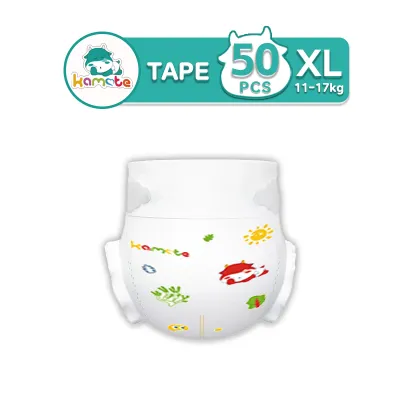





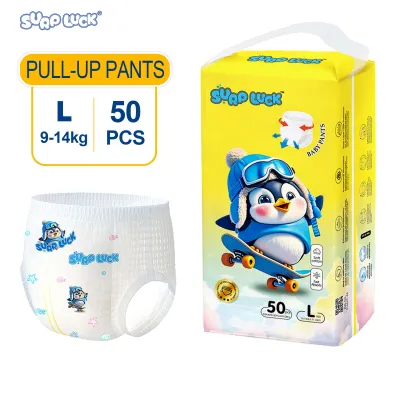
Prices are valid at publication and may change. Please refer to the product page for the latest price.

The second critical structure is the waistband and fastening system. A secure diaper tape system relies on a flexible back panel that stretches and contracts as the baby breathes, sits, and crawls. When inspecting a diaper, feel the back waistband to see if it has built-in elastic or if the stretch is concentrated entirely in the fastening tabs. The fastening tabs themselves should be wide, rounded to prevent scratching, and equipped with a strong grip mechanism that adheres firmly to the landing zone. In tropical environments, humidity and baby oil or powder can compromise adhesive tabs, making high-quality hook-and-loop fasteners highly desirable for maintaining a secure fit throughout the day.
Finally, the distribution and design of the absorbent core play a massive role in preventing leaks. Modern diapers utilize superabsorbent polymers mixed with wood pulp to lock away liquid. Look for cores designed with channels that distribute wetness evenly from front to back. Without these channels, liquid tends to pool in one spot, causing the diaper to sag, pull away from the baby’s body, and create gaps where leaks can easily occur. A flexible, thin core that maintains its structural integrity when wet is essential for preventing the bunching and shifting that leads to leaks during active play.
Evaluating Brand Design Approaches
To choose the right diaper tape for your baby, it is helpful to understand the general design philosophies of the major brands available on the market. While every manufacturer offers multiple product tiers, each brand tends to prioritize specific structural features and technologies to address different parenting needs. Parents should always verify the manufacturer’s stated technologies and size charts on the specific packaging they intend to purchase, as designs can vary between standard and premium lines.
Pampers Tape Diapers
Pampers tape diapers are widely recognized for their focus on a lightweight, slim-fit profile designed to maximize comfort and freedom of movement. When inspecting a pack of Pampers, look for packaging claims highlighting their specialized absorbent channels, which are engineered to distribute liquid quickly and prevent the diaper from sagging between the baby’s legs. This thin-core design is particularly beneficial in hot and humid climates, as it reduces bulk and allows for better air circulation around the baby’s skin.
Parents should also look for a wetness indicator line on the outside of the diaper, which changes color to signal when a change is needed. When purchasing, check the packaging carefully for the stated weight ranges and specific line variations, such as their premium soft lines versus their standard dry lines. The premium options often feature softer, more stretchable side panels and a more contoured fit, while the standard lines focus on reliable, long-lasting dryness. Ensure you select the size that matches your baby’s current weight, keeping in mind that the slim cut of Pampers may require sizing up slightly earlier if your baby has a rounder build.
Huggies Tape Diapers
Huggies tape diapers generally emphasize robust, heavy-duty barrier protection designed to contain both liquid and runny stools. When examining Huggies packaging, look for claims regarding their deep back waistband pocket, often referred to as a poop pocket or leak guard barrier. This physical pocket is designed to catch runny messes before they can escape up the baby’s back, making it an excellent feature for newborns and infants who spend a lot of time lying down.
Additionally, Huggies diapers typically feature wide, highly elastic waistbands and secure fastening tabs that allow parents to customize the fit around both the waist and thighs. The leg cuffs are often designed with thick, double-layered barriers to provide extra security against side leaks. Parents should check the packaging to distinguish between different product tiers, as their premium lines may offer enhanced softness and specialized liner textures, while their standard lines focus on core absorbency and secure fastening. If your baby is highly active or has a sturdier, rounder build, the structured elasticity of Huggies can provide the snug seal needed to prevent leaks.
Equator Tape Diapers
Equator tape diapers offer a straightforward, value-focused design that appeals to parents looking to manage their daily household expenses in ₱ without sacrificing essential leak protection. When inspecting Equator packaging, you will find a focus on practical, reliable features such as a high-absorbency padding core and standard standing leak guards. This brand is designed to provide dependable protection for everyday use, making it a popular choice for daytime wear when diapers are changed frequently.
Upon opening a pack of Equator diapers, parents should verify the physical thickness of the absorbent pad and the strength of the fastening tabs. Because value-focused brands may use slightly stiffer materials or less elasticized waistbands compared to premium competitors, achieving a precise fit is critical. Check the packaging weight guide carefully and observe how the diaper sits on your baby. If the fastening tabs require significant pulling to secure, or if the adhesive feels less resilient against humidity, it may be beneficial to size up or adjust your fastening technique to ensure a reliable seal during active daytime hours.
Matching Diaper Fit to Your Baby's Body and Routine
Even the most advanced diaper tape technology will fail to prevent leaks if the diaper does not match your baby’s physical proportions and daily routine. Babies grow in unique patterns; some have chunky thighs and narrow waists, while others have round bellies and slender legs. If your baby has thick thighs, a diaper with tight leg elastics can cause discomfort and red marks, tempting you to size up. However, sizing up might leave the waistband too loose, leading to leaks at the back. To solve this, utilize the adjustable nature of diaper tape: angle the fastening tabs slightly downward to tighten the leg openings, or angle them upward to secure a loose waistband.
Your baby’s daily routine also dictates your diapering strategy. During the day, when babies are active, crawling, and upright, side leaks are the primary concern. You need a diaper with a flexible core and secure side panels that move with the baby. For overnight sleep, however, the diaper must handle a larger volume of urine over a longer period. Many parents find success by using a highly absorbent, premium diaper for nighttime use, or by sizing up by one size specifically for bedtime. Sizing up provides a larger absorbent core and taller leak guards to contain overnight wetting, while the daytime diaper can remain a standard, trimmer fit.
Mobility levels are another crucial factor. As babies transition from rolling to crawling and eventually walking, the physical demands on the diaper tape change. An active crawler needs a diaper that resists shifting and twisting. Ensure the fastening tabs are secured symmetrically on the front landing zone. If the diaper sits crookedly, the leg cuffs will become misaligned, creating an instant pathway for liquid to escape.
Post-Fit Checks to Prevent Leaks
Preventing diaper leaks is as much about proper application as it is about choosing the right brand. Every time you put a fresh diaper on your baby, perform a quick three-step post-fit check to ensure a leak-proof seal. First, apply the two-finger rule to the waistband. Slide two fingers flat between the diaper and your baby’s tummy. If you cannot fit two fingers, the diaper is too tight and may cause discomfort when the baby sits. If you can fit more than two fingers, the waistband is too loose, creating a gap where urine can easily escape, especially when the baby lies on their stomach.
Second, always check the leg ruffles. After fastening the diaper tape, run your index finger around the inside of both leg openings to pull the outer ruffles (gussets) completely outward. If these ruffles remain tucked inside the diaper, they will act as a channel that draws moisture outward onto the baby’s clothes, rather than acting as a barrier. This simple, two-second adjustment is one of the most effective ways to eliminate sudden side leaks.
Finally, pay attention to physical warning signs on your baby’s skin. Red, irritated marks around the thighs or waist indicate that the diaper is too tight, the elastic is too harsh, or the baby has outgrown the current size. Conversely, if you notice sagging in the seat before the diaper is fully wet, or if leaks consistently occur on one specific side, it is a sign that the diaper is either applied unevenly or the brand’s cut is not compatible with your baby’s current body shape. Keeping a close eye on these indicators allows you to make timely adjustments before a major blowout occurs.
Frequently Asked Questions (FAQ)
Why does my baby's tape diaper leak from the back?
Back leaks typically occur when a baby is lying down, particularly during sleep or tummy time, and a sudden release of liquid or runny stool moves upward. This is usually caused by a waistband that is too loose, a diaper that is positioned too low on the baby’s back before fastening, or a diaper that is simply too small to provide adequate coverage. To prevent back leaks, ensure you pull the back of the diaper up slightly higher than the front before securing the diaper tape. Stretch the side panels firmly across the waist to eliminate any gaps, and look for diaper designs that feature an elasticized back waistband or a built-in pocket designed to trap liquid at the rear.
Should I size up if the current tape diaper leaks?
Sizing up is often the most effective solution for persistent leaks, as a larger diaper contains a larger absorbent core and taller leak guards. You should consider sizing up if you notice red marks around your baby’s thighs or waist, if the fastening tabs sit far out near the hips rather than toward the center landing zone, or if the diaper looks like a low-rise cut that does not fully cover the backside. However, if the diaper already fits loosely, has visible gaps around the legs, or the fastening tabs overlap in the middle, sizing up will make the gaps larger and increase leaks. In this scenario, you should focus on adjusting your application technique or switching to a brand with a narrower or more contoured cut.

Community discussion
Share your experience or ask a question. Comments are reviewed before publication.