
Quick Answer: Pampers, Huggies, and Equator (Summiko) Pants Diapers
Finding the right pants diaper for your baby involves balancing performance, comfort, and cost. Pampers, Huggies, and Equator (including its Summiko pants diaper line) each offer distinct design philosophies to address these needs. While Pampers is widely known for its slim profile and efficient liquid distribution channels, Huggies focuses heavily on secure, snug waistbands and robust leak barriers. Equator and Summiko options provide a practical, budget-friendly alternative designed for frequent daytime changes.
The ideal choice is rarely universal. It depends heavily on your baby’s unique body shape, skin sensitivity, and whether the diaper is intended for active daytime play or long overnight sleep. In the humid tropical climate of the Philippines, breathability and a precise fit are just as critical as raw absorbency. By understanding the structural differences of each brand, you can select a diaper that keeps your baby dry and comfortable.
How to Evaluate Absorbency and Leak Protection
Absorbency is the primary defense against leaks and skin irritation. When comparing these brands, start by examining the packaging for details on the diaper’s core construction. Modern disposable diapers rely on Super Absorbent Polymers (SAP) mixed with wood pulp to draw moisture away from the skin. Look for claims regarding specialized absorption channels, which help distribute liquid evenly throughout the core rather than letting it pool in one spot.
Products mentioned in this guide
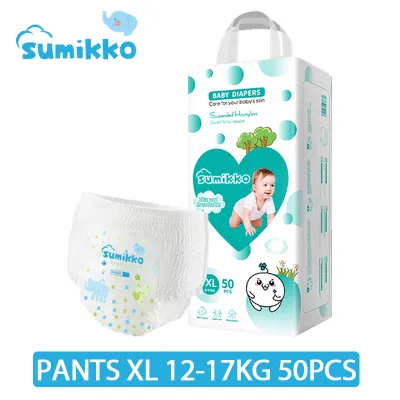

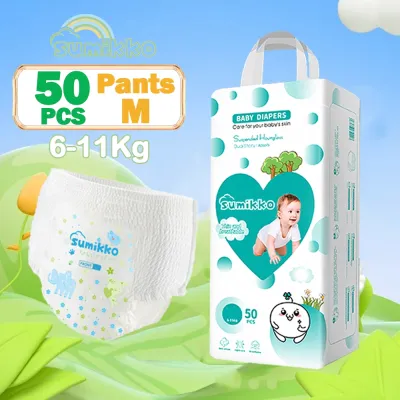
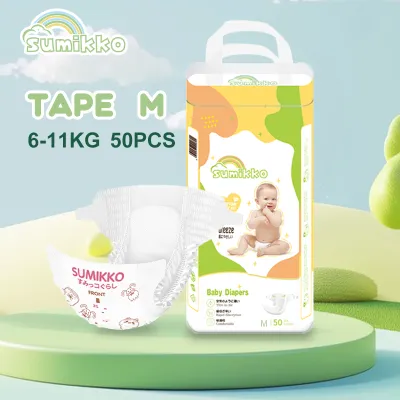
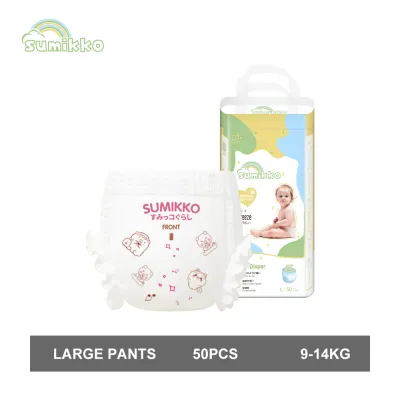
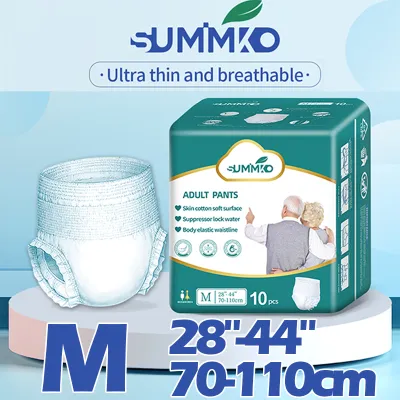
Prices are valid at publication and may change. Please refer to the product page for the latest price.

A wetness indicator is another highly practical feature to verify on the packaging. This external strip changes color when exposed to moisture, allowing you to monitor the diaper’s status without opening it. This is especially helpful during busy days or when your baby is sleeping.
In tropical environments, high humidity can make trapped moisture feel even more uncomfortable for your baby. Therefore, the speed of absorption is just as important as the total capacity. A diaper that absorbs liquid slowly keeps wetness in contact with the skin longer, increasing the risk of irritation.
Leak protection also depends on the diaper’s physical barriers. Examine the elastic leg cuffs and the inner standing leak guards. These fabric walls should stand upright along the inner thighs to catch liquid before it escapes. A secure, flexible waistband also prevents leaks from occurring at the back when your baby is lying down or crawling.
To conduct a real-world test at home, observe the diaper after a few hours of wear. Gently press a dry paper towel against the inner lining of a wet diaper during a change. If the paper towel remains dry, the diaper’s core is successfully locking moisture away. Note any sagging or clumping, which can restrict your baby’s movement and indicate that the diaper has reached its limit.
Comparing Fit, Comfort, and Skin Sensitivity
A diaper with excellent absorbency can still fail if the fit does not match your baby’s body shape. Pants diapers must stay secure without restricting movement or causing discomfort. The waistband is the most critical component for securing a pants-style diaper on an active baby.
Look for a 360-degree elastic waistband that stretches easily. The waistband should distribute pressure evenly around your baby’s tummy to prevent red marks while still holding the diaper up during active play. If your baby is in a transitional growth phase, a waistband that is too tight can cause discomfort, while one that is too loose will sag.
Leg gathers require equal attention, especially for babies with rounder thighs. The elastic around the leg openings must be soft and highly flexible. If the elastic is too stiff, it can chafe the skin, particularly in hot and humid weather where sweat accumulates in skin folds.
Skin sensitivity is a major consideration for parents in the Philippines. The combination of heat, sweat, and friction can quickly lead to diaper rash. When evaluating Pampers, Huggies, and Equator, check the packaging for hypoallergenic, fragrance-free, or dermatologically tested labels.
Some diapers feature lotion-infused inner sheets designed to reduce friction against delicate skin. Others emphasize a highly breathable outer cover that allows hot air to escape, keeping the diaper area cooler. If your baby has highly sensitive skin, avoiding added fragrances and artificial dyes is a prudent step.
Monitor your baby’s skin closely during diaper changes for any signs of poor fit or irritation. Deep red indentations around the waist or thighs indicate that the diaper is too tight or the elastic is too harsh. Unexplained redness, small bumps, or chafing suggest that the material or a specific ingredient is irritating your baby’s skin.
Assessing Price and Value per Diaper
Diapering is a significant, ongoing household expense, making cost-efficiency a key priority for parents. To compare the true value of Pampers, Huggies, and Equator, you must look beyond the retail price of a single pack. The most accurate way to compare costs is by calculating the price per piece.
To find this value, divide the total price of the diaper pack by the number of diapers inside. For example, if a pack costs ₱600 and contains 60 diapers, the cost per piece is ₱10. Performing this simple calculation allows you to compare different pack sizes and brands on an equal basis.
Larger bulk packs or “mega” boxes typically offer a lower cost per piece than smaller travel packs. You can often find these bulk options and promotional bundles at local supermarkets, official brand stores, or authorized online marketplaces. Purchasing during promotional events or utilizing subscription services can also lower your overall expenses.
However, the cheapest diaper is not always the most economical choice. If a lower-priced diaper has limited absorbency, you may find yourself changing your baby twice as often. This increases your daily diaper consumption, quickly offsetting any initial savings.
Conversely, a slightly more expensive diaper with high absorbency might last longer and prevent overnight leaks. This reduces the total number of diapers used per day and saves you money on laundry and sheet changes. Keep a simple log for a few days to track how many diapers of each brand you actually use to find the best balance for your budget.
Decision Framework: Which Brand Fits Your Baby's Needs?
Selecting the right diaper brand requires matching your baby’s physical needs and your daily routine with the specific design strengths of each option. Use this framework to guide your choice based on observable features and your family’s priorities.
- When to Choose Pampers: Consider Pampers if you prefer a slim, lightweight diaper that fits easily under clothing without adding bulk. This brand is highly suitable for parents who value clear wetness indicators and advanced channel technology to keep moisture distributed evenly during active daytime hours. Verify the specific features on the packaging of your chosen product line, as designs can vary.
- When to Choose Huggies: Opt for Huggies if your baby is highly active, crawling, or prone to leaks around the waist. The structured waistband and targeted leak guards are designed to provide a secure, snug fit that moves with your baby. Check the product labels to ensure the specific size and design match your baby's current weight and developmental stage.
- When to Choose Equator or Summiko: Select Equator or Summiko pants diaper options if you are looking for a budget-friendly diaper for frequent daytime changes. This is an excellent choice for parents who prefer to change diapers often to maintain freshness in warm weather. Be sure to monitor absorbency and fit during a trial period to ensure it meets your baby's needs.
Regardless of the brand you choose, always prioritize your baby’s comfort and skin health. If your baby has diagnosed skin conditions, severe allergies, or persistent diaper rash, consult a pediatrician before switching brands or trying new diaper materials.
Frequently Asked Questions (FAQ)
How do I know if a pants diaper is too small or too large for my baby?
A diaper is too small if it leaves deep red marks or elastic indentations on your baby’s waist or thighs. Other signs include the waistband sitting significantly below the belly button, or the diaper feeling tight and restrictive when you slide two fingers under the waistband. Frequent leaks and blowouts can also indicate that the diaper’s capacity is too small for your baby’s output.
Conversely, a diaper is too large if there are visible gaps between the elastic leg cuffs and your baby’s thighs, or if the waistband sags loosely even when empty. This lack of a snug seal often leads to immediate leaks when your baby moves. Always consult the manufacturer’s weight and size guidelines on the packaging as a baseline, but use these physical observations to make final adjustments.
Can I mix different diaper brands for daytime and nighttime use?
Yes, mixing different diaper brands is a highly practical strategy that many parents use to balance performance and budget. Since babies require more frequent changes during the day when they are active and feeding, you can use a more breathable, budget-friendly option like the Summiko pants diaper for daytime wear. This helps keep your baby fresh without overspending.
For overnight use, you can switch to a highly absorbent, premium diaper designed to lock away moisture for extended periods. This ensures your baby remains dry and comfortable throughout the night, promoting uninterrupted sleep for both baby and parents. Always monitor your baby’s skin to ensure both brands are well-tolerated.
What should I do if my baby develops a rash after switching to a new brand?
If your baby develops a rash after you switch to a new diaper brand, stop using that brand immediately. Revert to the diaper brand your baby’s skin previously tolerated to prevent further irritation. Keep the diaper area clean and dry by washing gently with warm water during changes, patting the skin dry with a soft towel instead of rubbing, and allowing some diaper-free air time.
Apply a standard diaper barrier cream containing zinc oxide or petroleum jelly as directed by your pediatrician to protect the skin from moisture. Avoid using scented wipes or harsh soaps while the skin is healing. If the rash persists for more than a few days, worsens, bleeds, or is accompanied by a fever, consult a healthcare professional promptly.

Community discussion
Share your experience or ask a question. Comments are reviewed before publication.