
Choosing between Pampers, Huggies, and Equator pants diapers in the Philippines comes down to matching your baby’s unique body shape, activity level, and skin sensitivity to each brand’s specific design features. In our hot and humid tropical climate, finding a diaper that balances a snug, leak-proof fit with high breathability is essential for keeping your baby comfortable and rash-free.
An increasingly popular option among Filipino parents is the bean pants diaper design. This style features a 3D bean-textured inner topsheet that minimizes direct skin contact and enhances airflow. While each major brand offers distinct advantages in waistband stretch, leg cuff barriers, and core absorption technology, there is no single universal winner. Instead, the ideal choice depends on observable factors like your baby’s weight, thigh circumference, and movement patterns.
Comparing the Core Design Features of Each Brand
Each of these three brands approaches diaper construction with a slightly different design philosophy, catering to various parental preferences and baby needs. Understanding these core differences helps you narrow down which brand aligns best with your daily routine and budget.
Products mentioned in this guide
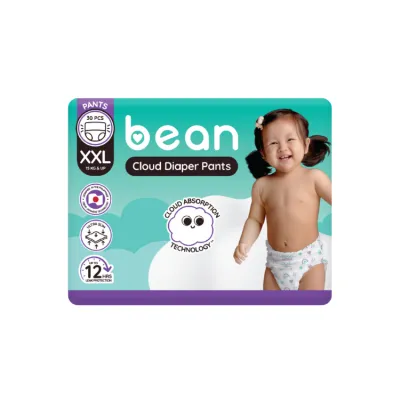
![[Bundle of 2] bean Cloud Diapers Pants Large (9-14 kg) - 60 pcs](https://img.lazcdn.com/g/p/d5ee28d7dae8a8b43cbed3a2a82f26df.png_400x400q80.png_.webp)
![[Bundle of 3] bean Cloud Diapers Pants Large (9-14 kg) - 90 pcs](https://img.lazcdn.com/g/p/3c9b8b1d907f55a21f8b7257de1e78c1.png_400x400q80.png_.webp)
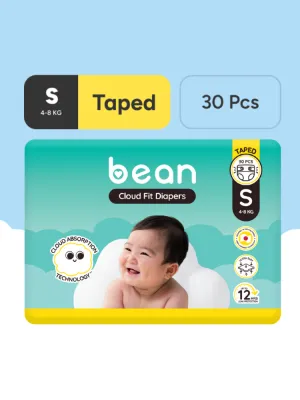
Prices are valid at publication and may change. Please refer to the product page for the latest price.
Pampers pants diapers are widely recognized for their thin, flexible profile and channel-based absorption technology. Rather than concentrating wetness in one spot, their design distributes liquid evenly across the core to prevent sagging. This lightweight construction is highly beneficial for active toddlers who are learning to crawl, cruise, or walk, as it allows for unhindered leg movement and reduces bulkiness between the thighs.
Huggies pants diapers often emphasize a secure, body-hugging fit with a focus on containment. Many of their product lines feature a soft, cloud-like waistband and deep pocket designs at the back to help prevent blowouts, which is a common concern for younger, breastfed infants. Their elastic materials are designed to conform closely to the baby’s natural curves, providing a reassuringly snug seal around the waist and legs.
Equator pants diapers have gained traction in the market as a highly functional, budget-friendly alternative that does not compromise on modern design elements. They frequently incorporate the sought-after bean pants diaper technology, utilizing a textured, bubble-like inner lining that lifts moisture away from the skin. This makes them an excellent choice for parents seeking cost-effective, highly breathable options for frequent daytime changes.
When evaluating these brands, always check the packaging of the specific product line to verify the manufacturer’s recommended weight ranges, material compositions, and features like wetness indicators, as these can vary across different sub-brands and price tiers.
Key Dimensions for Evaluating Fit and Leak Protection
To find the right pants diaper, you must look beyond basic sizing labels and evaluate how well a diaper’s physical structure handles your baby’s movements. A diaper that fits perfectly while your baby is lying down may gap or pinch once they start sitting, crawling, or climbing.

In the Philippines, where high humidity can exacerbate friction and skin irritation, evaluating these dimensions is crucial. A poorly fitting diaper not only leads to messy leaks but can also cause painful chafing and heat rash along the waistband and leg creases.
Waistband Elasticity and Leg Cuff Design
The waistband and leg cuffs serve as your baby’s primary defense against leaks. A high-quality pants diaper should feature a 360-degree elastic waistband that stretches easily over your baby’s hips during changes but retracts snugly around the waist without leaving deep red marks or indentations.
Leg cuffs, also known as standing leak guards, must be flexible yet resilient. Many modern pants diapers, including advanced bean pants diaper models, utilize double-layered leg barriers that flare outward to catch side leaks when your baby sleeps on their side or runs around.
Caregivers should always inspect these areas during diaper changes. If you notice that the waistband is leaving deep red lines on your baby’s skin, or if the leg cuffs constantly fold inward rather than flaring outward, it is a clear sign that the diaper’s elasticity is insufficient for your baby’s current build or that it is time to size up.
Absorbent Core Structure and Ergonomic Cuts
The internal structure of the diaper determines how quickly liquid is drawn away from your baby’s skin and locked away. Traditional diaper cores rely on a mix of wood pulp and superabsorbent polymers, which can become heavy and clumpy when wet. Newer designs utilize ultra-thin composite cores that maintain their shape and distribution even when fully saturated.
The bean pants diaper design elevates this by incorporating a 3D embossed “bean” pattern on the inner lining. These raised bumps create tiny air channels between the diaper and your baby’s skin, reducing the total surface area in contact with wetness. This design significantly improves breathability and helps keep the skin dry, which is vital for preventing diaper dermatitis in warm weather.
Ergonomic cuts are equally important for active babies. A well-designed pants diaper should feature a contoured crotch area that allows the legs to move naturally. If the crotch area is too wide, it can interfere with your baby’s natural gait; if it is too narrow, it may fail to provide adequate coverage, increasing the risk of front or back leaks.
How to Choose the Right Brand for Your Baby's Needs
Selecting the right brand requires balancing your baby’s physical build, daily activity levels, skin sensitivity, and your household budget. Because babies grow and change rapidly, your preferred brand may also change as your baby transitions through different developmental stages.
First, assess your baby’s physical build. Babies with rounder bellies and chubby thighs often require diapers with highly elastic, gentle leg cuffs and waistbands, which are characteristic of many Huggies and Equator designs. Leaner, longer babies may benefit from the streamlined, snug fit of Pampers, which helps prevent gaps around the thighs where liquid can easily escape.
Second, consider your baby’s activity levels and the time of day. For active daytime play, a lightweight, flexible diaper like Pampers or a highly breathable bean pants diaper from Equator can keep your baby comfortable and moving freely. For overnight use, when your baby goes long hours without a change, you may want to prioritize maximum absorption capacity and deep leak guards, which are key features of premium Huggies or Pampers overnight lines.
Third, evaluate skin sensitivity and local climate conditions. In the tropical climate of the Philippines, heat rash is a constant challenge. If your baby is prone to skin irritation, look for diapers that feature breathable outer covers and 3D textured inner sheets to maximize airflow and minimize moisture retention.
Finally, factor in budget and value. Equator pants diapers offer an excellent balance of cost and performance, making them highly practical for daytime use when diapers are changed frequently. Many parents find success by reserving premium Pampers or Huggies diapers for nighttime sleep or long outings, while using budget-friendly options for the daytime.
Always refer to the manufacturer’s weight guidelines on the packaging rather than relying solely on age. If your baby is near the upper limit of a size range, or if you observe frequent leaks, it is usually a practical indicator that you need to transition to the next size up.
Practical Steps to Maximize Leak Protection
Even the highest-quality pants diaper will leak if it is not applied or maintained correctly. By establishing a few simple habits during diaper changes, you can significantly reduce the occurrence of leaks and blowouts.
When putting on a pants diaper, always ensure the waistband is pulled up high enough, ideally covering or sitting just below the belly button depending on the brand’s cut. Once the diaper is pulled up, run your fingers along the inside of the leg cuffs to ensure the inner leak guards are fully flared outward and not tucked inward against your baby’s skin.
Monitor wetness closely throughout the day. While many Pampers, Huggies, and Equator models feature convenient wetness indicator lines that change color when wet, you should also perform manual checks. Changing the diaper immediately after bowel movements, or every three to four hours during the day, is essential for maintaining hygiene and preventing skin breakdown.
Watch for signs of sagging. If a diaper begins to sag heavily, the absorbent core has reached its functional limit. A sagging diaper pulls away from your baby’s waist and thighs, creating gaps that allow liquid to escape easily, even if the diaper does not feel completely saturated.
Ensure your baby’s skin is completely dry before putting on a fresh diaper. If you use barrier creams to protect sensitive skin from moisture, apply a thin, even layer. Over-applying thick creams can transfer to the diaper’s inner lining, clogging the pores of the topsheet and reducing its ability to absorb liquid effectively.
If your baby experiences persistent diaper rash, severe skin irritation, or chronic leaks despite trying different sizes and brands, stop using the product and consult a pediatrician or qualified healthcare professional for guidance.
Frequently Asked Questions (FAQ)
Can I mix different diaper brands for daytime and nighttime use?
Yes, mixing different diaper brands is a highly practical and cost-effective strategy for many families. You can use a highly breathable, budget-friendly option like Equator or a standard bean pants diaper for frequent daytime changes when your baby is active and awake. For nighttime, you can switch to a high-capacity, premium diaper from Pampers or Huggies to ensure maximum leak protection and uninterrupted sleep throughout the night.
How do I know if my baby needs a larger diaper size?
Several clear signs indicate it is time to transition to a larger size. These include frequent leaks (especially overnight), red marks or deep indentations around your baby’s waist or thighs, and the diaper failing to cover the buttocks or belly button completely. Additionally, if the elastic waistband feels excessively tight when pulling the diaper up, or if your baby’s weight has reached the upper limit of the manufacturer’s recommended range, you should try the next size up.
Community discussion
Share your experience or ask a question. Comments are reviewed before publication.