
Quick Answer: Which Medium Diaper Brand Performs Best?
Selecting the right diaper for your baby is a highly individualized decision. There is no single, absolute winner among Pampers, Huggies, and Equator. The best-performing diaper for your child depends heavily on their unique physical proportions, such as whether they have chunky thighs or a rounder tummy, as well as their specific urination patterns.
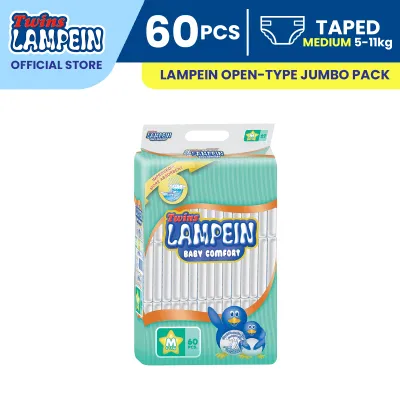
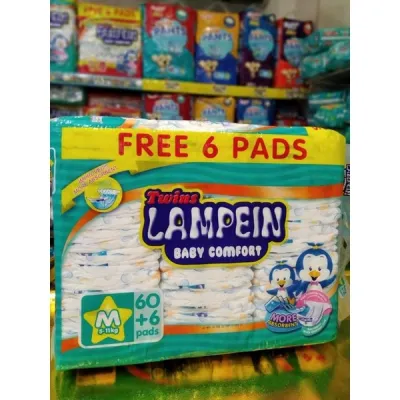
Parents in the Philippines often turn to Pampers when prioritizing a slim, contoured fit and long-term dryness, while Huggies is frequently favored for its robust elastic waistband and generous leg cuts. Equator, on the other hand, is widely valued as a practical, highly economical option for frequent daytime changes. Because purchasing a bulk pack like a lampin diaper medium 60pcs set represents a notable financial and practical commitment, it is highly recommended to test these brands using smaller trial packs first. This allows you to verify skin compatibility and structural fit before investing in a larger volume.
Comparing Core Performance: Absorbency and Leak Protection
When evaluating a diaper’s core performance, absorbency and leak prevention are the most critical factors to analyze. A diaper must not only absorb liquid quickly but also lock it away to protect your baby’s delicate skin from prolonged moisture exposure.
Products mentioned in this guide
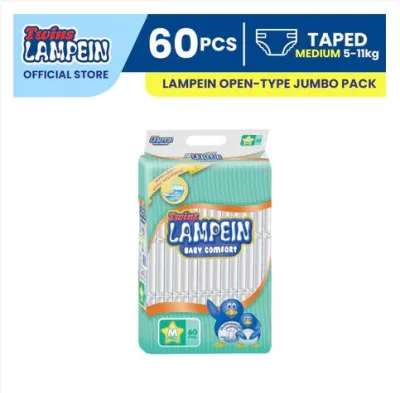
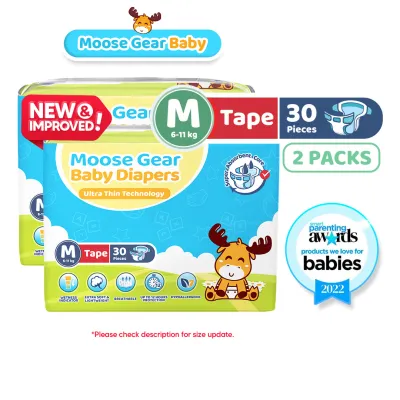
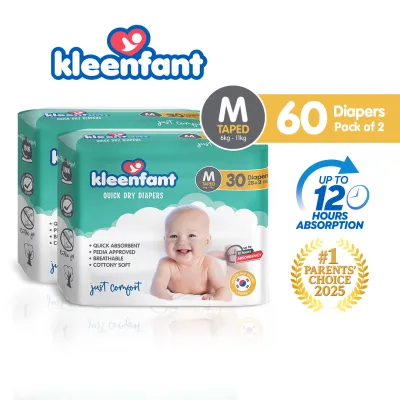
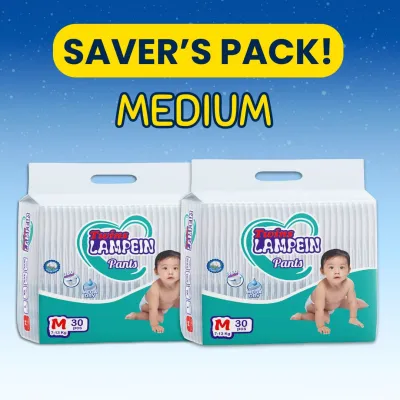
Prices are valid at publication and may change. Please refer to the product page for the latest price.

Absorbent Core Design
To understand how a diaper handles wetness, examine the product packaging for specific structural descriptions. Modern disposable diapers rely on Superabsorbent Polymers (SAP) mixed with wood pulp to draw moisture away from the surface.
- Pampers typically features specialized absorbent channels designed to distribute liquid evenly across the entire core. This design prevents the diaper from sagging or clumping in a single spot, which helps maintain a dry top sheet even after multiple urinations.
- Huggies often utilizes a multi-layer core system designed to lock away moisture rapidly. This structure is engineered to handle sudden, high-volume wetness, making it a popular choice for active babies.
- Equator generally employs a more traditional, straightforward absorbent pad. While it may not distribute liquid as evenly as channeled designs, it provides reliable absorption that is highly suitable for regular daytime intervals.
Wetness Indicators
A wetness indicator is a highly convenient feature for caregivers, particularly in tropical climates where external humidity can make diaper monitoring challenging. Most modern diapers include a chemical indicator line on the outer shell that changes color—typically from yellow to blue-green—when exposed to moisture. When purchasing a bulk pack, check the packaging to confirm the presence of this indicator. It allows you to monitor wetness at a glance, reducing unnecessary diaper changes and minimizing skin exposure to wet materials.
Leak Guards and Barriers
Even the most absorbent core can fail if the diaper’s physical barriers are inadequate. Look for double-layered leg cuffs and standing ruffles along the inner leg openings. These barriers are made of hydrophobic non-woven fabrics designed to contain liquid.
To ensure these guards function correctly, you must manually run your finger along the inside of the leg cuffs after fastening the diaper. Pulling the ruffles outward ensures they form a proper seal against the thighs. If the ruffles remain tucked inward, liquid can easily bypass the absorbent core, resulting in leaks.
Real-World Observation
To truly assess absorbency, monitor the diaper during use. After three to four hours, gently press a clean, dry tissue against the inner lining of a wet diaper. If the tissue remains dry, the diaper’s SAP is successfully locking moisture away. Additionally, observe whether the diaper retains its structural shape or sags heavily when saturated. A sagging diaper can pull the waistband down, compromising the overall seal and increasing the risk of leaks.
Evaluating Fit, Comfort, and Material Quality
A diaper’s structural fit directly influences both your baby’s comfort and the diaper’s overall leak-prevention capabilities. Because babies grow and move constantly, the materials and elasticity of the diaper must accommodate their changing shapes.
Waistband and Side Panels
The waistband and side fasteners play a major role in keeping the diaper secure without restricting your baby’s breathing or movement.
- Huggies is well-known for its highly elastic rear waistband. This stretchy pocket design is particularly effective at preventing "blowouts" along the back, making it an excellent option for babies with rounder tummies.
- Pampers often prioritizes highly flexible, stretchy side panels and fasteners. This design offers a streamlined, contoured fit around the waist, which accommodates active, crawling babies.
- Equator typically uses more basic, semi-elastic tabs. While functional, they may offer less overall stretch compared to premium brands, requiring more precise positioning during fastening to ensure a secure fit.
Leg Cuff Fit
The cut of the leg openings varies significantly between brands. When removing a diaper, carefully inspect your baby’s thighs. Deep red indentations or marks indicate that the leg openings are too tight or the cut is too narrow for your baby’s build. If you notice these marks, it is a clear sign that you need to either transition to a brand with a wider leg cut or move up to a larger size, even if your baby’s weight falls within the medium range.
Top Sheet and Back Sheet Materials
The inner lining (top sheet) is in direct contact with your baby’s skin, while the outer cover (back sheet) protects clothing. Gently feel the inner lining of the diaper; it should feel soft and cloth-like rather than papery or stiff.
Some brands infuse their top sheets with mild lotions or botanical extracts like aloe vera to help protect the skin barrier. If your baby has highly sensitive skin or known allergies, always read the manufacturer’s packaging carefully to verify whether any additives are present, as these can occasionally trigger localized skin reactions.
Breathability in Humid Climates
In the warm and humid climate of the Philippines, diaper breathability is essential. High humidity can easily trap heat and sweat inside a non-breathable diaper, leading to rapid skin breakdown and heat rash. Look for diapers that specify a microporous or highly breathable back sheet. This material allows air to circulate while keeping moisture contained, helping to keep your baby’s skin cool and dry throughout the day.
Assessing Value: The 60-Piece Pack Context
Buying disposable diapers in bulk is a common strategy to manage household expenses. When evaluating a lampin diaper medium 60pcs pack, looking beyond the initial shelf price is key to finding the best overall value.
Cost Per Piece Calculation
To compare the actual economic value of different brands, always calculate the cost per individual diaper. Divide the total price of the pack by the number of pieces (60).
$$\text{Cost Per Piece} = \frac{\text{Total Pack Price}}{60}$$
For example, if a 60-piece pack of a premium brand costs ₱600, the cost per piece is ₱10.00. If a budget-friendly brand costs ₱450, the cost per piece is ₱7.50. Keeping a log of these unit prices across local supermarkets and online marketplaces helps you identify genuine discounts and promotions.
Bulk Buying Risks
While a 60-piece pack is highly convenient, purchasing multiple bulk packs at once carries risks. Medium-sized diapers are designed for a specific weight range—typically covering babies from 6 to 11 kilograms, though you must always verify the exact weight limits printed on the specific brand’s packaging.
Babies grow rapidly during this stage. If your baby is already approaching the upper weight limit of the medium size, purchasing multiple 60-piece packs may result in an oversupply of diapers that your baby will quickly outgrow, leading to unnecessary waste.
Storage and Shelf Life in Tropical Environments
Storing large quantities of diapers in tropical conditions requires careful attention. High humidity and heat can degrade the superabsorbent polymers inside the core over time, reducing their overall absorbency.
To preserve the quality of your diaper stash, store unopened and opened packs in a cool, dry place off the floor, away from direct sunlight and high-humidity areas like bathrooms. Ensure opened packages are folded closed or stored in clean, airtight plastic containers to prevent the materials from absorbing ambient moisture or harboring mold.
Verifying Authenticity
When sourcing bulk diaper packs from physical stores or online marketplaces, always verify the product’s authenticity. Inspect the plastic packaging to ensure it is completely sealed and free of punctures. Look for clearly printed batch numbers, manufacturing dates, and expiration dates. Authentic products will have crisp, clear printing on the packaging, whereas counterfeit or poorly stored surplus items may feature faded text, mismatched logos, or unusual chemical odors.
Decision Framework: How to Choose the Right Brand for Your Baby
To make a confident purchasing decision, match your baby’s physical needs and your household budget with the specific characteristics of each brand.
- Choose Pampers if: You prefer a thin, flexible, and contoured diaper that minimizes bulk between the legs. This option is highly suitable for active babies who require long-lasting dryness and an even distribution of wetness without clumping.
- Choose Huggies if: Your baby has a rounder tummy or thicker thighs, and you require a highly elastic rear waistband to prevent back leaks. This brand is ideal if you need a secure, snug fit that accommodates constant movement.
- Choose Equator if: You prioritize maximum cost efficiency and plan to change your baby's diaper frequently during the daytime. This is an excellent, budget-friendly choice for maintaining a fresh, clean diaper routine without high costs.
Verify First
If your baby has highly sensitive skin, is currently recovering from diaper rash, or is positioned right on the border between medium and large sizes, do not purchase a 60-piece pack immediately. Instead, purchase a small trial pack first. Test the diaper over a 48-hour period to observe how your baby’s skin reacts and to confirm that the physical fit does not leave red marks or cause leaks.
Frequently Asked Questions (FAQ)
How do I know if my baby needs to move up from a medium diaper?
Several physical signs indicate it is time to transition to a larger size. Look for frequent leaks around the legs or waist, even when the diaper is changed regularly. Deep red marks on your baby’s thighs or tummy after removal indicate the diaper is too tight. Additionally, if the fastening tabs struggle to reach the center landing zone, or if your baby’s weight is approaching the maximum limit printed on the packaging, you should transition to the next size.
Can I mix different diaper brands for daytime and nighttime use?
Yes, mixing diaper brands is a highly practical and cost-effective strategy used by many caregivers. You can utilize a more affordable, highly breathable diaper like Equator for frequent daytime changes, which typically occur every two to three hours. For nighttime use or long outings, you can switch to a premium, high-absorbency diaper like Pampers or Huggies to ensure your baby remains dry and comfortable during extended sleep stretches.
What should I do if a new diaper brand causes skin irritation?
If you suspect a diaper is causing skin irritation, stop using the new brand immediately and switch back to a previously tolerated brand. Keep the diaper area clean, dry, and exposed to fresh air whenever possible. Apply a thin layer of a barrier cream if recommended by your healthcare provider. If the redness, swelling, or rash persists, worsens, or is accompanied by a fever, consult your pediatrician or a qualified healthcare professional immediately for proper diagnosis and treatment.

Community discussion
Share your experience or ask a question. Comments are reviewed before publication.