
Selecting the right diaper magic pants for your baby is a balancing act between comfort, leak protection, and budget. In the tropical climate of the Philippines, where high humidity can exacerbate skin irritation, finding the perfect match is even more critical. There is no single “best” brand for every infant; instead, the ideal choice depends on your child’s unique body shape, skin sensitivity, and your household budget.
All three major brands—Pampers, Huggies, and Equator—provide reliable baseline protection, but they cater to different parental priorities and baby builds.
- Choose Pampers if your baby is highly active, crawling, or walking, and requires a lightweight, flexible fit. This brand is known for its thin profile and contouring design, which moves easily with an active child.
- Choose Huggies if your baby has chunkier thighs or a rounder tummy, or if you frequently encounter heavy wetting episodes. This brand typically features robust elastic barriers around the waist and legs to guard against heavy leaks.
- Choose Equator if you prioritize a budget-friendly option for daytime use. It is ideal for families who practice frequent diaper changes and want to minimize cost per piece without sacrificing basic dry performance.
- Verify first if your baby has specific skin sensitivities by checking the ingredient, fragrance, and material labels on the packaging before committing to a bulk purchase.
Absorbency and Leak Protection: Keeping Your Baby Dry
A diaper’s primary job is to manage moisture quickly, keeping it away from your baby’s delicate skin. Most modern diaper magic pants utilize a combination of superabsorbent polymer (SAP) gel beads and specialized distribution channels. These channels help spread liquid evenly across the core rather than letting it pool in one spot, which prevents the diaper from sagging and pulling down.
Products mentioned in this guide
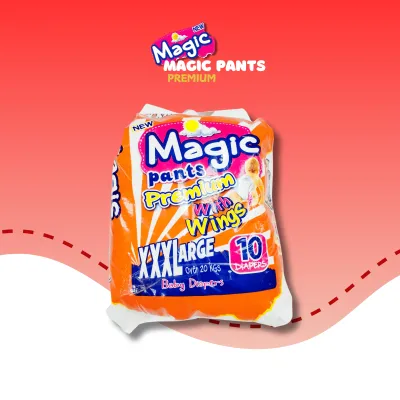
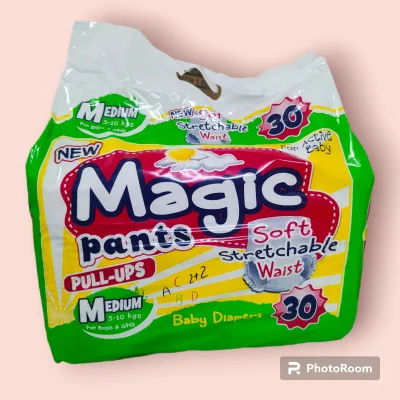
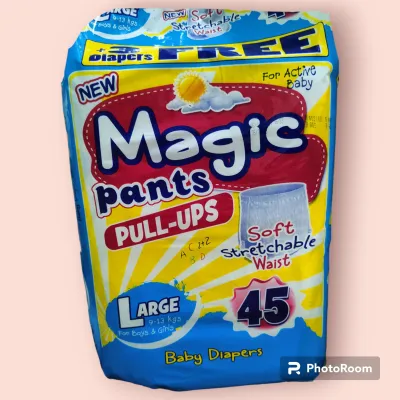
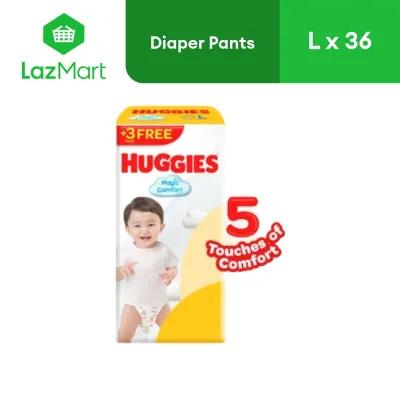
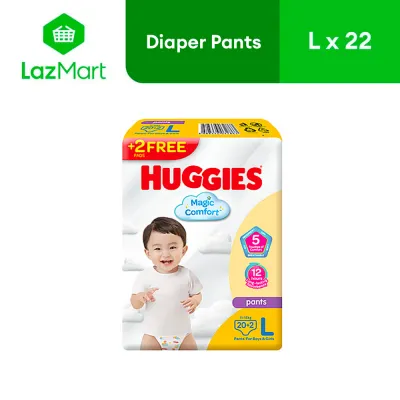

Prices are valid at publication and may change. Please refer to the product page for the latest price.
While these general technologies are common across the industry, the execution varies. A thinner core might feel more comfortable during active play, while a thicker, more padded core might offer reassurance during long stretches of sleep.
Daytime vs. Overnight Performance
During the day, babies are constantly on the move—sitting, rolling, crawling, and walking. Daytime diaper magic pants need to absorb moisture quickly under pressure, such as when a baby sits down heavily on a wet diaper. For active daytime wear, a flexible core that maintains its structure when wet is essential to prevent bunching and leaks.
Overnight use presents a different challenge. A baby can sleep for up to 12 hours, during which the diaper must hold multiple wettings without leaking or causing dampness against the skin. When shopping, check the packaging for specific “overnight” or “12-hour” dryness claims. It is important to verify these claims through small trial runs, as a baby’s overnight urine output varies significantly based on age, feeding habits, and sleeping positions.
Leak Guard Designs
Physical barriers are just as important as the absorbent core. High-quality diaper magic pants feature double-layered elastic leg cuffs and secure waistbands to catch liquid before it escapes. These gathers must sit snugly in the groin creases without cutting into the skin.
To find the best design for your baby, observe where leaks typically occur. If you notice leaks around the thighs, your baby may need a brand with taller, more elastic leg gathers or a more contoured leg opening. If leaks happen at the back, especially when your baby is lying down, look for a brand with a wider, pocketed waistband designed to trap runny stools and back-flowing wetness.
Fit, Comfort, and Skin Sensitivity
In the warm, humid climate of the Philippines, fit and skin health are closely linked. A diaper that fits poorly or traps heat can quickly lead to painful diaper rash, making comfort a top priority for caregivers.

Cut and Elasticity
Different diaper brands are cut differently. Some brands offer a slimmer, more contoured fit that hugs the hips and pelvic area, which works well for lean, long babies. Other brands feature a wider, roomier cut that accommodates babies with rounder bellies and thicker thighs.
When dressing your baby, check the waistband and leg openings carefully. If you notice deep red marks or indentations on your baby’s skin after removal, the diaper is too tight, and you should consider sizing up. Conversely, if you see visible gaps around the legs or waist when your baby moves, the diaper is too loose, which will inevitably lead to leaks.
Breathability and Material Feel
High humidity requires excellent airflow to prevent moisture buildup inside the diaper. When moisture is trapped, the skin barrier weakens, making it highly susceptible to irritation and yeast infections. Look for diaper magic pants that feature breathable outer covers and micro-pores that allow hot air to escape while keeping liquid locked inside.
Take a moment to feel the inner lining of the diaper before putting it on your baby. It should feel soft and fabric-like to the touch, rather than stiff or plastic-y. A soft texture reduces friction against the skin during movement, lowering the risk of chafing.
Managing Sensitive Skin
No diaper brand is universally hypoallergenic, as every baby’s skin reacts differently to materials, adhesives, and processing methods. If your baby has highly sensitive skin or is prone to eczema, pay close attention to the product packaging. Look for variants labeled as fragrance-free, lotion-free, or elemental chlorine-free.
If your baby develops persistent redness, swelling, or a bumpy rash that does not improve with regular diaper creams, stop using the current brand immediately. Persistent skin issues require a consultation with a pediatrician or a qualified healthcare professional to rule out allergic contact dermatitis or infections.
Price and Value: Comparing Cost Per Diaper
Managing household expenses is a key part of parenting, and diapers represent a recurring cost that can quickly add up. To find the true value of your diaper magic pants, look beyond the price tag on the front of the pack.
Calculating Cost Per Piece
Comparing diaper packs directly can be misleading because pack counts vary widely between brands, sizes, and retail configurations. A jumbo pack might seem expensive, but it often contains a lower cost per diaper than a smaller convenience pack. To calculate the true cost, divide the total package price in PHP by the number of diapers inside.
For example, if a pack of diaper pants costs ₱450 and contains 50 diapers, the cost per piece is ₱9.00. If another pack costs ₱380 but only contains 35 diapers, the cost per piece is approximately ₱10.85. Keeping a simple calculator handy while shopping helps you identify the actual cheapest option.
Sourcing and Promotions
You can optimize your budget by exploring different purchasing avenues. Bulk buying through official brand stores on major e-commerce platforms or during monthly sales events often yields significant discounts. Many online marketplaces also offer subscription services that provide a steady discount in exchange for regular deliveries.
Alternatively, physical supermarkets and warehouse clubs frequently offer promotional bundles, such as buy-one-get-one deals or free baby wipes with a diaper purchase. Always ensure you are buying from authorized retailers to guarantee product authenticity and to secure valid return or exchange policies if you accidentally purchase the wrong size.
The Quality-to-Cost Trade-Off
When choosing between a premium brand and a budget-friendly option, consider the frequency of changes. A lower-cost diaper may have a lower initial price per piece, but if it has lower absorbency, you might need to change your baby every two hours to prevent leaks and skin irritation.
In contrast, a premium diaper might cost more upfront but keep your baby dry for four hours or more. If you end up using six budget diapers a day versus four premium diapers, the total daily cost may be nearly identical. Many parents find success by using budget-friendly diapers for frequent daytime changes and reserving premium, high-absorbency diapers for overnight sleep.
How to Transition and Test Diaper Brands Safely
Switching diaper brands can sometimes trigger skin irritation or unexpected leaks if not done carefully. Following a structured transition process helps protect your baby’s skin and saves you from wasting money on large quantities of diapers that do not fit.
Step 1: Start with Trial Packs
Avoid the temptation to buy massive bulk boxes when trying a new brand of diaper magic pants. Instead, look for small travel packs or trial packs containing only a few diapers. This allows you to test the fit and performance without a major financial commitment.
Step 2: Monitor the Fit and Skin
During the first three to five days of using the new brand, monitor your baby’s skin closely during every diaper change. Check for any signs of redness, tiny bumps, or chafing around the waistline and leg gathers. Observe how the diaper handles wetness—does the outer cover feel damp, or does the inner lining feel wet to the touch when you change it?
Step 3: Check for Leak Patterns
Pay attention to when and where leaks occur. A diaper that leaks immediately after a single wetting usually indicates a sizing issue or a poor match for your baby’s body shape. If the diaper leaks only after several hours, it may simply have reached its maximum absorbency capacity.
Step 4: Know When to Stop
If your baby develops a severe rash, blistering, peeling skin, or displays clear signs of discomfort and itching, stop using the diaper immediately. Clean the area gently with warm water, pat it dry, and apply a barrier cream. If the rash persists or worsens, consult your pediatrician.
Always refer to the weight and size guidelines printed on the packaging. Sizing is not standardized across brands; a “Large” diaper in Pampers may have a different weight range and physical cut than a “Large” in Huggies or Equator. Matching your baby’s current weight to the specific brand’s chart is the safest way to ensure a proper fit.
Frequently Asked Questions (FAQ)
When should I switch from taped diapers to magic pants?
The transition from taped diapers to pull-up style magic pants is typically driven by your baby’s developmental milestones rather than age alone. When your baby becomes highly active—rolling over during diaper changes, crawling, standing, or actively resisting lying down—taped diapers can become difficult to secure properly. Diaper magic pants can be pulled on quickly while your baby is standing or moving, making changes much less stressful. Always check the manufacturer’s weight guidelines on the packaging, as pants style diapers are designed to fit securely around the waist and thighs of mobile infants.
Can I use standard diaper pants overnight?
Standard diaper pants can be used overnight if your baby is a light wetter and the diaper fits snugly without gaps. However, because standard pants are optimized for daytime flexibility and lightweight comfort, they may not hold up to long overnight stretches for heavy wetters. If you experience frequent leaks during the night, check the diaper’s fit first. If the fit is correct but leaks persist, consider switching to a dedicated overnight variant or a premium diaper with an extended dryness rating specifically designed for nighttime use.
How do I know if the diaper pants are too small?
There are several clear physical signs that your baby has outgrown their current diaper pants size. Look for deep, persistent red marks or elastic indentations around your baby’s waist and thighs after removal. If the waistband sits far below your baby’s belly button, or if you struggle to pull the pants up over their hips, the diaper is too small. Frequent leaks, especially blowout style leaks at the back or sides, also indicate that the diaper’s absorbent capacity and physical coverage are no longer sufficient for your baby’s size, signaling that it is time to transition to the next size up on the brand’s weight chart.

Community discussion
Share your experience or ask a question. Comments are reviewed before publication.