
Finding the ideal large diaper (or lampin) for your growing baby involves balancing several competing factors: reliable leak protection, a comfortable fit, skin-friendly materials, and a price point that fits your household budget. When searching for a reliable diaper lampin in large sizes, caregivers in the Philippines must also navigate the challenges of high humidity and warm temperatures, which make maintaining skin health and preventing painful diaper rash a daily priority. Because every infant has a unique build and skin type, there is no single brand that serves as a universal solution.
The best large diaper brand for your baby depends entirely on your child’s unique body shape, their skin sensitivity, and your specific financial preferences. Generally, Pampers is highly regarded for its slim-profile design and soft inner lining, making it a popular choice for parents seeking a lightweight, contoured fit. Huggies is widely preferred for active babies who require robust leak guards and a highly secure waistband to prevent blowouts during movement. Equator is positioned as a budget-friendly, high-value alternative that allows caregivers to perform frequent diaper changes without incurring high daily costs. To find the optimal match, parents must closely monitor their baby for any physical signs of discomfort, such as red marks around the thighs, persistent leaks, or skin irritation, and adjust their choice accordingly.
Core Comparison Dimensions for Large Diaper Lampin Options
Evaluating large diapers requires a clear understanding of the design features that directly impact performance and comfort. For babies who have reached the weight range typically associated with large sizes—often between 9 and 14 kilograms, though this varies by manufacturer—their physical activity increases significantly. They are rolling, crawling, pulling up, or walking, which places greater demands on the diaper’s structural integrity and fit.
Products mentioned in this guide
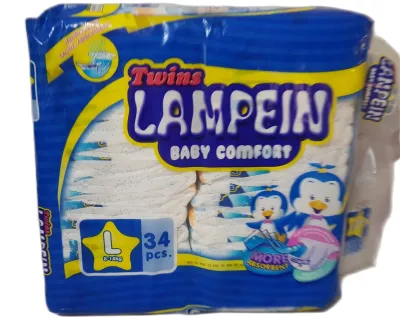
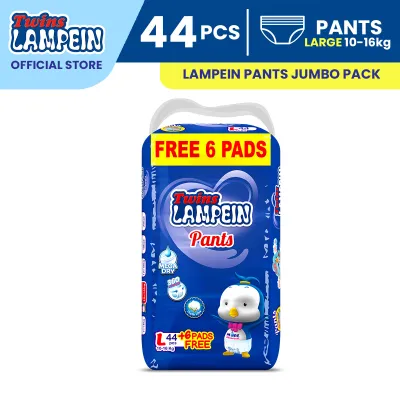
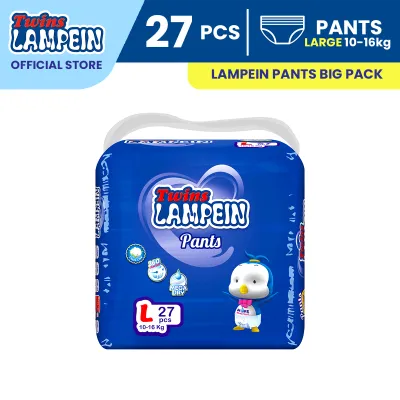
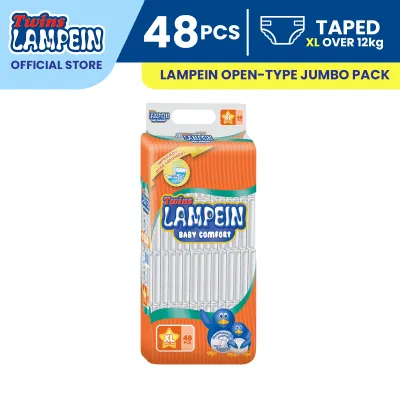
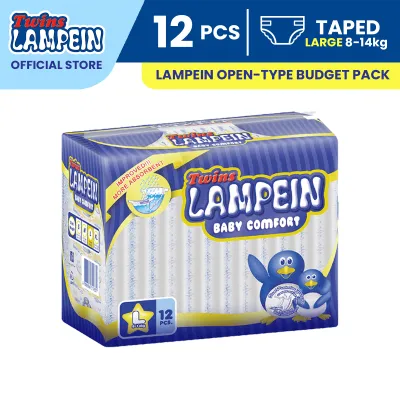
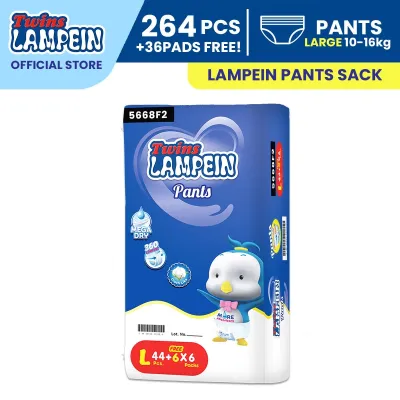
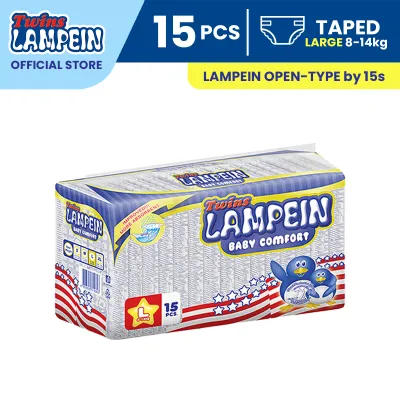
Prices are valid at publication and may change. Please refer to the product page for the latest price.
Fit and Elasticity
A diaper’s ability to conform to a baby’s body shape is critical to preventing leaks and ensuring comfort. The waistband and leg cuffs must offer sufficient elasticity to stretch with the baby’s movements while maintaining a secure seal.
Babies with different body shapes require different diaper designs. For instance, a baby with a rounder tummy and slimmer legs will experience a different fit than a baby with chunky thighs and a narrow waist. If the leg cuffs are too tight, they can leave deep red marks and restrict circulation; if they are too loose, liquid will easily escape. A high-quality large diaper should feature multi-layer leg gathers that stand upright to catch liquid, along with a flexible waistband that adjusts as the baby’s stomach expands and contracts throughout the day.
Absorbency and Breathability
In a hot and humid tropical climate, breathability is a fundamental requirement for infant skin health. When liquid is trapped inside a diaper, the resulting moisture can compromise the skin’s natural barrier, making it highly susceptible to diaper rash and bacterial infections.
Absorbency is not merely about how much liquid a diaper can hold, but how quickly it draws wetness away from the skin and locks it inside the core. High-performance diapers utilize superabsorbent polymers (SAP) that turn liquid into gel, keeping the surface dry to the touch. Simultaneously, the outer backing of the diaper must allow air to circulate while keeping moisture contained. Caregivers should look for breathable outer covers that help release heat and vapor, keeping the baby’s skin cool and dry even during warm afternoons.
Skin Sensitivity and Materials
A baby’s skin is significantly thinner and more sensitive than adult skin, making it highly reactive to chemical additives, fragrances, and rough textures. When evaluating large diapers, it is essential to inspect the inner liner that directly contacts the baby’s skin.
Many brands incorporate specific lotions, chamomile extracts, or aloe vera into their liners, while others focus on maintaining a completely fragrance-free, elemental chlorine-free, and hypoallergenic product. Because every baby’s skin chemistry is unique, a material that works perfectly for one infant might cause contact dermatitis in another. Caregivers should read the manufacturer’s packaging carefully to identify any potential allergens or irritants and be prepared to switch brands if persistent redness occurs.
Wetness Indicators and Ease of Use
For busy caregivers, practical design features can significantly simplify daily baby care routines. A wetness indicator—typically a colored line on the outside of the diaper that changes from yellow to blue when wet—provides a quick visual cue that a change is needed without requiring the caregiver to open the diaper.
Additionally, the ease of tearing the side seams on pants-type diapers or the strength of the adhesive tabs on tape-type diapers affects how smoothly changes occur. Strong, refastenable tape tabs allow for easy adjustments, while easily tearable side seams on diaper pants prevent messy cleanups when dealing with heavy soil.
Brand-by-Brand Performance Breakdown
To make an informed decision, caregivers must understand how each of the three major brands—Pampers, Huggies, and Equator—approaches diaper design and construction in their large-size offerings.

Pampers Large Diapers
Pampers has long been established as a prominent name in the disposable diaper market, with a design philosophy that emphasizes a lightweight, contoured, and highly flexible fit. The large size in the Pampers lineup is engineered to minimize bulkiness, allowing babies to move freely without a heavy mass between their legs.
The inner lining of Pampers diapers is typically designed to feel exceptionally soft, mimicking the feel of cloth. This soft sheet is paired with an absorbent core that distributes liquid evenly across the diaper rather than letting it pool in one spot. This even distribution helps maintain the diaper’s slim profile even when wet, reducing the sag that can restrict a crawling or walking baby’s leg movements. The stretchy sides are highly elastic, providing a snug fit around the waist that accommodates slimmer builds exceptionally well.
Furthermore, Pampers often incorporates micro-pores or dedicated air channels designed to facilitate ventilation within the diaper. This feature is particularly valuable during hot and humid days in the Philippines, as it helps conduct warm air out of the diaper core, reducing the risk of heat rash.
However, because Pampers diapers tend to have a sleeker, more streamlined cut, babies with exceptionally chunky thighs or very round bellies might find the fit slightly snugger than expected. Caregivers should pay close attention to the specific product line they are purchasing, such as Pampers Baby-Dry or Pampers Premium Care, as the materials, softness levels, and specific absorbency technologies vary between standard and premium tiers. Always consult the weight guidelines printed on the packaging to ensure your baby falls within the recommended range for the large size.
Huggies Large Diapers
Huggies design focuses heavily on structural security, robust leak prevention, and accommodating highly active infants. The brand’s large diapers are characterized by a sturdy construction that feels substantial and protective, making them a popular choice for parents of babies who are constantly on the move.
One of the defining features of Huggies large diapers is the pocketed waistband or the robust rear elastic, which is specifically designed to trap runny stools and prevent back blowouts. This is complemented by double leak guards around the thighs that provide an extra barrier against wetness. The overall cut of Huggies diapers is often slightly wider and more contoured, which tends to fit babies with thicker thighs or sturdier builds very comfortably without leaving tight elastic marks.
The absorbent core in Huggies diapers is engineered for rapid absorption, drawing heavy volumes of liquid away from the surface quickly. This is achieved through specialized liners that pull moisture into the core within seconds, keeping the baby’s skin dry even during heavy wetting events. This makes them highly reliable for overnight use or long car rides.
While some parents find the structural design of Huggies to be slightly bulkier than slimmer alternatives, the trade-off is often a higher level of confidence in leak protection during active daytime play. As with any brand, caregivers must verify the specific features of the product line they choose—such as Huggies Dry Pants or Huggies Ultra—by reading the packaging details carefully.
Equator Large Diapers
Equator represents the value-driven segment of the diaper market, focusing on providing essential leak protection and functional design at a highly competitive price point per piece. For families managing a strict household budget, Equator offers a practical way to manage the ongoing expense of disposable diapers.
The design of Equator large diapers is generally straightforward, prioritizing utility. They feature a standard absorbent core and elastic leg gathers designed to contain wetness under normal conditions. Because they are positioned as a budget-friendly option, they may not feature the advanced channel technologies, premium ultra-soft materials, or high-stretch waistbands found in premium brands. The materials used may feel slightly more basic to the touch, but they are designed to perform the core duty of containing liquid effectively.
When using a value-focused diaper like Equator, the primary strategy for maintaining baby skin health is maintaining a frequent changing schedule. Because budget-friendly diapers may have a lower maximum absorption capacity compared to premium overnight variants, they are best utilized during the day when caregivers can easily change the baby every two to three hours.
Frequent changes prevent the diaper from reaching full saturation, thereby minimizing the risk of leaks and reducing the time skin is exposed to wetness. This practice is especially important in tropical climates where sweat and urine can combine to cause rapid skin irritation. Caregivers should monitor their baby’s skin closely to ensure that the diaper’s materials and fit do not cause friction or irritation during active use.
Evaluating Price and Value per Diaper
When comparing Pampers, Huggies, and Equator, looking solely at the retail price of a single pack can be highly misleading. Diaper packs come in widely varying quantities, ranging from small travel packs of 10 or 12 pieces to massive mega-packs containing 60 or more diapers. To establish a true cost comparison, caregivers must calculate the cost per diaper.
To find the cost per diaper, divide the total price of the pack by the number of individual diapers inside. For example, if a pack of large diapers costs ₱450 and contains 40 pieces, the cost per diaper is ₱11.25. Performing this simple calculation allows you to compare different brands and pack sizes on an equal footing.
While calculating the unit cost is essential, caregivers must also consider how diaper performance affects overall consumption. A cheaper diaper that leaks frequently or has lower absorbency may require changing twice as often as a premium diaper. If you use eight budget diapers a day because they saturate quickly, compared to four premium diapers that keep the baby dry for longer periods, the more expensive option may actually turn out to be more economical over time. Furthermore, frequent leaks lead to additional hidden costs, such as increased laundry water and detergent usage due to soiled clothing and bedsheets.
To optimize diaper expenses without compromising on quality, caregivers should look for buying opportunities in bulk. Purchasing larger boxes or multi-packs from official brand stores on online marketplaces or during major supermarket sales often yields a significantly lower cost per diaper. Many official retailers also offer bundle deals, loyalty points, or subscription discounts that provide consistent savings over time. Always ensure you are purchasing from verified official stores to guarantee product authenticity and safety.
Decision Framework: Choosing the Right Large Lampin
To simplify your purchasing decision, consider your baby’s specific physical needs, daily activity levels, and your family’s budget. You can use the following condition-based guidelines to select the brand most likely to suit your household.
Choose Pampers if:
- Your baby has a relatively slim or average build and requires a diaper that conforms closely to their body shape without bunching up.
- You prioritize a very soft, lightweight, and low-profile diaper that fits neatly under stylish baby clothing.
- Your baby prefers a flexible, less bulky feel that allows for unrestricted, agile movement.
Choose Huggies if:
- Your baby is highly active, crawling, climbing, or walking, and requires robust, heavy-duty leak guards to prevent spills.
- Your baby has a sturdier build with thicker thighs, requiring a wider, more contoured cut that prevents tight elastic pinching.
- You need a highly reliable diaper with a deep waistband pocket to contain heavy wetting or messy stools during long stretches of sleep or travel.
Choose Equator if:
- You are working within a tight daily budget and need to minimize the ongoing cost of disposable baby products.
- You practice a highly frequent diaper-changing routine during the day (every 2 to 3 hours), making ultra-high overnight absorbency less critical.
- You want a cost-effective daytime diaper option that can be paired with a different, more absorbent brand for nighttime use.
Verify First if:
- Your baby has a history of highly sensitive skin, eczema, or severe diaper dermatitis. Always purchase a small trial pack of any new brand before investing in bulk quantities.
- Read the manufacturer's ingredient and material list on the packaging to check for fragrances, latex, or elemental chlorine.
- Conduct a trial run for a few days, inspecting the skin during every change. If you observe persistent redness, bumps, or skin peeling, stop using the diaper immediately and consult a qualified pediatrician for professional medical advice.
Frequently Asked Questions (FAQ)
How do I know if a large diaper is the right size for my baby?
A proper diaper fit is indicated by several clear physical signs. First, you should be able to fit two fingers comfortably under the waistband when the diaper is fastened, ensuring it is snug but not constricting. Second, the leg cuffs should flare outward and sit flat against your baby’s thighs without any visible gaps or inward folding. Finally, the diaper should cover your baby’s bottom completely and rise to just below the belly button in the front.
You should prepare to size up to a larger diaper if you experience frequent leaks despite fastening the diaper correctly. Other signs that it is time to move up include deep, persistent red marks or indentations on your baby’s thighs or waist, tape tabs that do not reach the designated fastening zones easily, or a diaper that looks visibly small and rides down when your baby moves.
Can I mix diaper brands for daytime and nighttime use?
Mixing diaper brands is an excellent, highly practical strategy to optimize your household budget while ensuring your baby remains comfortable and dry. Many caregivers choose to use a highly cost-effective, budget-friendly diaper like Equator during the day when they can easily monitor and change the baby every few hours. This keeps the cost per change low during active, waking hours.
For overnight sleep or long outings, caregivers can switch to a premium, highly absorbent diaper like Pampers or Huggies. These premium options are designed to lock away wetness for longer periods, protecting your baby’s skin from prolonged moisture exposure and helping everyone enjoy uninterrupted sleep. If you choose this approach, monitor your baby’s skin to ensure they tolerate both brands well, and watch for any signs of friction or localized irritation where the different diaper shapes contact the skin.
Community discussion
Share your experience or ask a question. Comments are reviewed before publication.