
Finding the right large diaper pants for your active toddler is a highly individual journey that depends on their unique body shape, movement patterns, and skin sensitivity. In the Philippines, where tropical heat and high humidity are daily realities, a diaper must do more than just hold liquid; it must keep your child dry, comfortable, and free from painful chafing. While Pampers, Huggies, and Equator are widely available and popular choices, there is no single brand that works perfectly for every toddler. The ideal choice for your household is the one that provides a secure, leak-free fit during active play, maintains a dry microclimate for your child’s skin, and fits comfortably within your monthly parenting budget.
As toddlers transition into the active exploration phase, their diaper needs change dramatically. They crawl, climb, run, and stretch, requiring diaper pants that move with them without slipping down or gaping at the thighs. At the same time, their skin remains delicate and highly susceptible to irritation when moisture is trapped against it. By focusing on objective evaluation criteria—such as waistband elasticity, leg cuff design, absorbency indicators, and cost-per-piece calculations—you can confidently navigate the options and select the brand that best supports your toddler’s daily adventures.
How to Evaluate the Fit and Comfort of Large Diaper Pants
Evaluating the fit of diaper pants requires looking closely at how the materials interact with your toddler’s body during movement. The waistband is the primary anchor of the diaper, and its elasticity is critical. When examining a brand like Pampers, Huggies, or Equator, check the waistband’s stretch and recovery by gently pulling it apart. A high-quality waistband should expand easily to accommodate a full tummy after meals and contract gently without leaving deep, persistent red marks on your toddler’s skin. If you notice deep indentations around the waist when changing your toddler, the waistband may be too tight or lack the necessary elasticity for their body shape.
Products mentioned in this guide
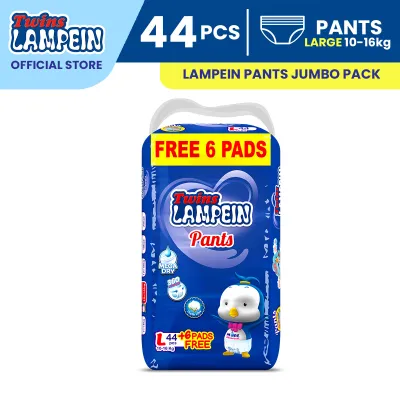
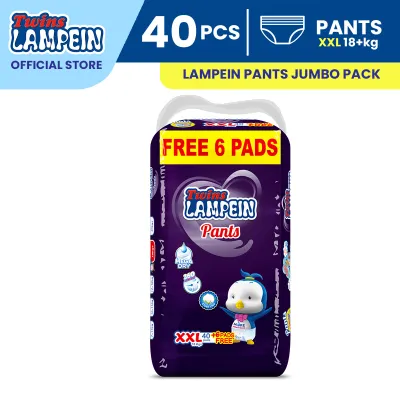
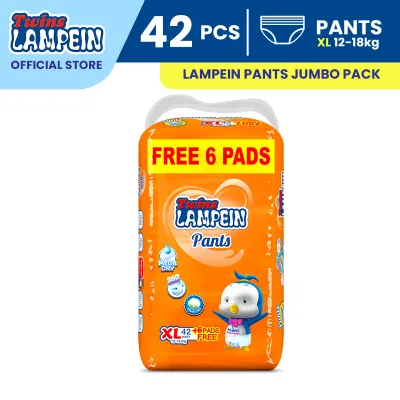
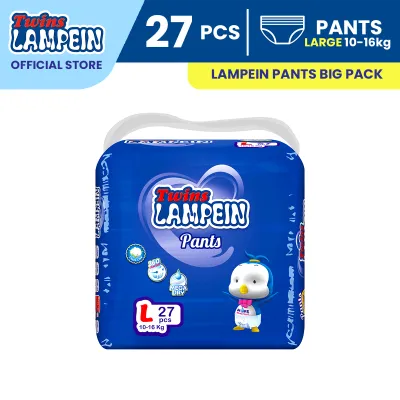
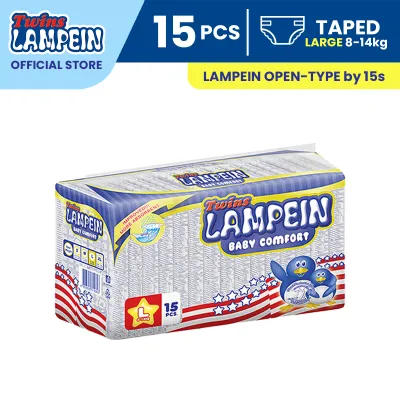
Prices are valid at publication and may change. Please refer to the product page for the latest price.
Leg cuffs are another critical area where fit issues frequently lead to leaks. Toddlers come in all shapes and sizes; some have lean, long legs, while others have wonderfully thick thighs. You should examine the leg cuff design and elasticity on the diaper pants to ensure they form a snug, double-layered barrier around the thighs. Gaps in this area are the most common cause of side leaks, especially when your toddler is sitting or crawling. If the cuffs are too tight, they can cause friction and chafing, which is particularly uncomfortable in hot and humid weather.
The inner lining material is the only part of the diaper in direct, continuous contact with your toddler’s skin. Before purchasing a large pack, review the product packaging for indicators of softness and breathability. Manufacturers often describe their inner sheets using terms that highlight cotton-like softness or textured patterns designed to minimize skin contact. During active play, a rough or stiff lining can rub against your toddler’s inner thighs and groin, leading to painful chafing.
To truly assess comfort, observe your toddler’s skin closely after they have worn a specific brand for a few hours. Look for any localized redness, warmth, or small bumps that might indicate friction or a localized reaction to the materials. Because every child’s skin sensitivity and body shape are unique, a diaper that fits one toddler perfectly might cause irritation on another. Regular skin checks during the first few days of trying a new brand will help you catch fit-related issues before they develop into severe diaper rash.
Evaluating Absorbency and Leak Protection for Day and Night Use
Absorbency needs vary significantly depending on the time of day and your toddler’s activity level. During the daytime, toddlers are highly mobile, and caregivers generally change diapers more frequently. For daytime wear, the priority is a lightweight, flexible diaper that does not sag or clump when wet, allowing your toddler to move freely. In contrast, nighttime wear demands extended protection and heavy-duty absorbency. A nighttime diaper must be capable of holding multiple wettings over several hours while keeping moisture locked away from the skin to ensure uninterrupted sleep.

When comparing Pampers, Huggies, and Equator, look for specific manufacturer indicators on the packaging rather than relying on general brand reputation. Many modern diaper pants feature wetness indicators—lines that change color when wet—which help you monitor when a change is needed without having to pull the diaper open. Additionally, look for descriptions of multi-layer cores, channel technologies, or superabsorbent polymers on the label. These features are designed to distribute liquid evenly across the diaper, preventing the core from clumping in one spot and sagging between your toddler’s legs.
In the warm and humid climate of the Philippines, the breathability of the outer cover is just as important as the absorbency of the inner core. A diaper with poor breathability traps heat and moisture, creating a warm, damp microclimate that is an ideal breeding ground for bacteria and yeast. Check the packaging for mentions of breathable outer layers or micro-pores that allow hot air to escape while keeping liquid contained. A breathable diaper helps keep your toddler’s skin cool and dry, reducing the risk of heat rash during the hottest hours of the day.
Because laboratory tests cannot fully replicate your toddler’s unique wetting patterns and movements, planning a short testing period is the most reliable way to evaluate absorbency. Instead of buying a massive bulk box of a new brand, start with a small travel pack or a single pack. Use these diapers over a few days to observe how well they handle heavy wetting, whether they sag excessively when full, and if they maintain their structural integrity during active play. This trial period allows you to verify the diaper’s performance under real-world conditions before making a larger financial commitment.
Calculating Price and Value for Large Diaper Pants
When managing a household budget, comparing diaper prices based on the total pack price can be highly misleading. Diaper manufacturers package their products in widely varying quantities, meaning a cheaper pack might actually contain fewer diapers, resulting in a higher cost per use. To make an accurate comparison between Pampers, Huggies, and Equator, you must calculate the exact cost per piece. Divide the total price of the pack by the number of diapers inside to find the price per piece (₱/piece). Keeping a simple running log of these unit prices will help you identify which brand offers the best financial value.
While bulk boxes often promise the lowest cost per piece, they require a larger upfront investment and carry some risk. If your toddler suddenly experiences a growth spurt, develops a skin sensitivity, or if the diaper’s fit does not suit their body shape, you could be left with dozens of unusable diapers. For this reason, it is wise to weigh the upfront savings of bulk buying against the flexibility of smaller packs. Smaller packs are highly practical when you are transitioning between sizes or testing a new brand’s compatibility with your toddler’s skin.
Smart shopping also involves monitoring pricing trends across different retail channels. Prices can fluctuate significantly between local physical supermarkets, baby specialty stores, and authorized online marketplaces. Keep an eye out for genuine promotional events, bundle deals, or subscription discounts on your preferred ecommerce platform. Be cautious of heavily discounted diapers from unauthorized sellers, as these may be counterfeit, expired, or stored in poor conditions that compromise their safety and performance. Always verify that you are purchasing from official brand stores or reputable distributors.
Finally, remember that the cheapest diaper on the shelf does not always translate to the best overall value. If a lower-priced diaper has poor absorbency, you may find yourself changing your toddler twice as often, which doubles your diaper consumption. Furthermore, if a budget-friendly brand causes frequent leaks or skin rashes, you will face additional costs for laundry, ruined clothing, and pediatric consultations or rash creams. A slightly more expensive diaper that keeps your toddler dry and rash-free can often be the more economical choice in the long run.
Decision Framework: Matching the Right Diaper Pants to Your Toddler's Needs
To choose the right diaper pants, you need a structured approach that matches each brand’s characteristics to your toddler’s specific situation. If your primary goal is a diaper with a long-standing reputation for a soft, flexible fit that your toddler has historically tolerated well, Pampers is a strong candidate. When considering Pampers, verify the specific features of their current product line on the packaging, as designs and materials can change. This brand is often favored by parents who prioritize a slim profile and a highly flexible waistband that mimics the feel of regular underwear.
If your toddler has a distinct body shape—such as a very round tummy or exceptionally chubby thighs—and you have struggled with leaks in the past, Huggies is worth evaluating. Take the time to examine the specific leg cuff and waistband construction on the Huggies packaging, looking for targeted leak-guard features or pocketed waistbands designed to contain messes. This brand’s structured design is often chosen by parents who need robust, form-fitting containment for highly active toddlers who twist, turn, and climb throughout the day.
If you are looking to optimize your household budget without compromising on basic protection, Equator presents an economical option worth testing. Consider using Equator diaper pants primarily for daytime wear, when you can perform frequent, regular changes. This allows you to take advantage of a lower cost per piece during the hours when high absorbency is less critical, while closely monitoring the diaper’s absorbency and fit to ensure it meets your child’s daily needs.
Regardless of which brand you choose, your toddler’s skin health must always be the top priority. If your child has highly sensitive skin, eczema, or a history of allergic reactions, do not rely solely on marketing claims like “hypoallergenic.” Instead, consult your pediatrician for personalized guidance, and carefully check the ingredient and material disclosures on the diaper packaging. If you ever observe persistent redness, swelling, or signs of infection, stop using the diaper immediately and seek professional medical advice.
Frequently Asked Questions (FAQ)
How do I know if the large diaper pants are too small for my toddler?
Knowing when to transition your toddler from large diaper pants to an extra-large size is crucial for maintaining comfort and preventing leaks. The most obvious physical sign is the appearance of deep red marks or indentations on your toddler’s waist or thighs that do not fade quickly after the diaper is removed. You should also watch for a sudden increase in leaks, particularly around the leg cuffs or waistband; this often indicates that the diaper’s absorbent core can no longer contain your toddler’s urine volume, or that the fit has become compromised. Additionally, if the diaper feels overly tight when you pull it up, or if the rise is too low—meaning it does not fully cover your toddler’s bottom—it is time to size up. While you should consult the manufacturer’s weight and size guidelines printed on the packaging, always prioritize your child’s actual physical fit and comfort over the printed numbers, as toddlers of the same weight can have vastly different body shapes.
Can I mix different diaper brands for day and night use?
Yes, mixing different diaper brands for daytime and nighttime use is a highly practical and common strategy used by many parents in the Philippines to balance their household budgets. During the day, when your toddler is active and you can change their diaper frequently, you can opt for a more economical brand like Equator. This keeps your cost per piece low during the hours when high absorbency is less critical. For nighttime, you can transition to a premium or highly absorbent brand, such as Pampers or Huggies, to ensure your toddler remains dry and comfortable throughout their sleep cycle, minimizing nighttime awakenings. If you decide to adopt this mixed strategy, introduce the new brands gradually and ensure both are well-tolerated by your toddler’s skin. Monitoring for any signs of irritation during the transition will help you ensure that saving money does not come at the expense of your child’s comfort.
Community discussion
Share your experience or ask a question. Comments are reviewed before publication.