
Finding the most cost-effective diaper brand among Pampers, Huggies, and Equator requires looking beyond the upfront price tag. The true value per piece depends on how well the diaper performs for your baby’s specific needs, especially when deciding between massive bulk boxes and smaller diaper 10-packs. A diaper that costs less upfront but leaks frequently or causes skin irritation ends up costing more because you have to change it more often and wash soiled clothes. To find the best value, parents must calculate the exact cost per unit, verify specific packaging claims, and test smaller packs before committing to bulk boxes.
Defining True Value per Piece for Your Baby
When evaluating diaper brands, many parents make the mistake of looking only at the retail price of the package. However, the cheapest diaper on the shelf is not always the most economical choice in the long run. True value per piece is a calculation that balances the unit cost with real-world performance, fit, and skin health. If a diaper cannot contain leaks or causes frequent blowouts, you will find yourself using two or three diapers in the time you would have used one higher-performing diaper. This doubled or tripled usage rate quickly erases any initial savings.
To determine what constitutes true value, it is helpful to distinguish between essential features and optional conveniences. Essential features include reliable leak protection, secure and adjustable fastening tabs, and a fit that conforms to your baby’s body shape. Optional features, such as wetness indicators, specific patterns, or added scents, may be convenient but do not directly impact the diaper’s core function. In a tropical climate like the Philippines, breathability is another critical factor. High humidity can trap heat and moisture against your baby’s skin, making a breathable outer cover an essential feature to prevent heat rash and discomfort.
Products mentioned in this guide
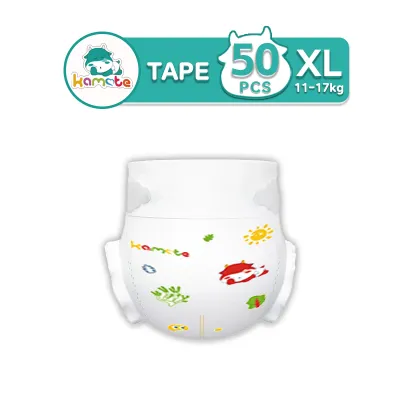
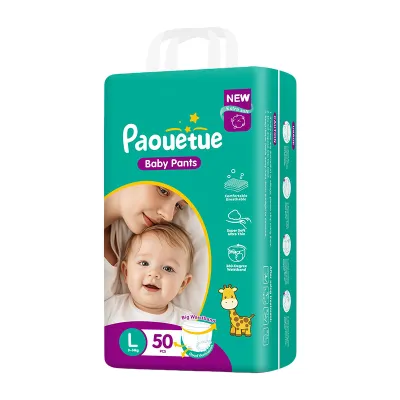
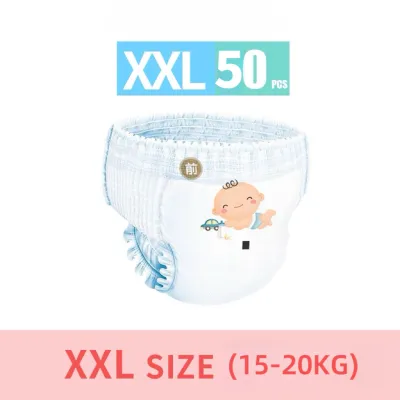
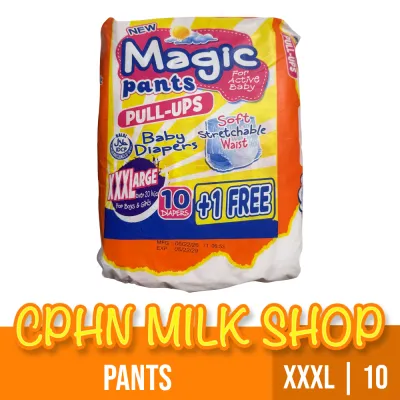
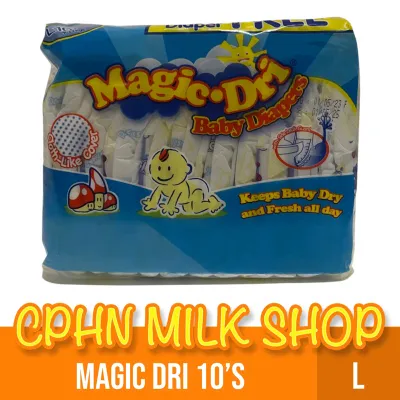
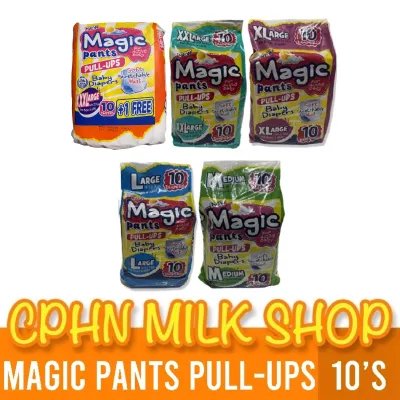
Prices are valid at publication and may change. Please refer to the product page for the latest price.
Poor fit or low absorbency also introduces hidden costs that extend beyond the diaper itself. Frequent leaks mean more laundry, which increases water and electricity bills, as well as the cost of baby-safe detergents. It can also lead to ruined clothing, stained bedding, and interrupted sleep for both the baby and the parents. Furthermore, prolonged exposure to moisture due to poor absorbency can cause severe diaper rash, requiring expensive barrier creams or medical consultations.
Before purchasing any diaper brand, always check the manufacturer’s specifications printed on the packaging. Look closely at the recommended weight ranges and the claimed hours of protection. Keep in mind that these hours of protection are tested under controlled conditions and may not reflect your baby’s actual output. Use these claims as a baseline for comparison rather than a guarantee of performance.
Evaluating the Contenders: What to Check on the Label
To make an informed decision, you must look past the colorful marketing designs on the front of the diaper packaging and scrutinize the technical details on the label. Each brand positions itself differently in the market, targeting different budgets and parental preferences. However, material names or proprietary marketing terms on the box do not guarantee performance. You must verify the actual structural features of each brand to understand what you are paying for.

Pampers
When examining a pack of Pampers, pay close attention to the specific variant you are holding, as features vary significantly between their product lines. Look for the claimed absorbency layers and the specific material softness indicators listed on the packaging. Pampers often highlights its air channels and gel technology designed to distribute wetness evenly. Verify the weight range and fit indicators to ensure they align with your baby’s current measurements. If your baby is at the upper limit of a size range, it is often wiser to check the specifications of the next size up to prevent tight waistbands and leg cuffs.
Huggies
Huggies packages typically emphasize structural security and leak prevention. When reviewing the label, look for specific leak-lock features, waistband elasticity specifications, and wetness indicator details on the chosen variant. Huggies often features a pocketed waistband designed to trap runny messes at the back. Confirm the recommended usage conditions printed on the label, such as whether the variant is optimized for overnight use or daytime wear. Overnight variants generally feature higher absorbency specifications, which may justify a higher price per piece for night use.
Equator
Equator is often positioned as a budget-friendly alternative, making it highly attractive for cost-conscious households. When evaluating Equator, review the core material claims, basic protection features, and any specific dermatological testing labels. Check for clear weight guidelines and compare the structural differences, such as the thickness of the absorbent core and the flexibility of the side panels, against premium-tier brands. Understanding these structural differences helps you decide if the lower price per piece aligns with your baby’s comfort and activity level.
How to Calculate the Real Cost per Diaper
To find the true value of any diaper purchase, you must calculate the exact cost per piece rather than comparing the total price of the packs. This calculation becomes especially important when comparing bulk boxes, diaper 10-packs, and promotional bundles across different retail channels.
To find the real cost per diaper, use this simple formula: (Total item price in ₱ + shipping fees – applicable vouchers) / Total diaper count in the package.
For example, if you purchase a bulk box for ₱800 with a shipping fee of ₱50 and a voucher discount of ₱100, your total investment is ₱750. If the box contains 150 diapers, your cost per piece is ₱5.00. If you buy a diaper 10-pack of the same brand for ₱90 with no shipping fee or discount, your cost per piece is ₱9.00.
While smaller packs, such as a diaper 10-pack, almost always carry a higher per-piece cost, they serve an essential role in your purchasing strategy. These smaller packs are invaluable for testing a new brand’s fit, absorbency, and skin compatibility before committing to a massive bulk box. Buying a bulk box without testing first can lead to significant financial waste if the diaper does not fit your baby or causes skin irritation.
Additionally, always verify the final checkout totals on ecommerce platforms before completing your purchase. Dynamic shipping fees, regional delivery surcharges, and changing voucher terms can significantly alter the final cost per piece, sometimes turning a seemingly cheap bulk deal into an expensive transaction.
Quality Traps and Red Flags in Bulk Purchases
Bulk buying is an excellent way to reduce the cost per piece, but it comes with risks that can quickly turn a good deal into a financial loss. Parents must remain vigilant against common quality traps when purchasing large quantities online.
First, always check the manufacturing and expiration dates printed on the diaper packaging. While diapers do not spoil like food, the materials used in them—such as elastic bands, adhesives, and absorbent polymers—can degrade over time. This degradation is accelerated in hot and humid climates. If you buy a bulk stock that sits in storage for too long, the elastics may lose their stretch, and the adhesives may fail, leading to immediate leaks.
Second, inspect the packaging integrity immediately upon delivery. In tropical regions, high humidity, pests, and improper warehouse storage can compromise the diapers before they even reach your home. If the outer plastic wrap has punctures, tears, or broken seals, moisture from the air can seep into the diapers, reducing their maximum absorbency and potentially encouraging mold growth. Never use diapers from a package that arrives damp or damaged.
Finally, consider the rapid growth of your baby. Buying a massive bulk box of a single size when your baby is already nearing the upper weight limit for that size is a major financial risk. Babies can undergo sudden growth spurts, rendering an entire box of diapers unusable almost overnight. If the diapers become too tight, you will experience frequent blowouts and red marks on your baby’s skin, forcing you to discard or donate the remaining stock.
Building a Flexible Diaper Stockpile Strategy
A smart diapering strategy does not require you to commit exclusively to one brand or one pack size. By building a flexible stockpile, you can maximize your budget while ensuring your baby remains comfortable and dry.
One highly effective approach is to mix premium and budget-friendly brands based on the time of day and activity level. For instance, you might choose to use premium brands like Pampers or Huggies for overnight sleep or long outings where diaper changes are difficult. These brands often feature advanced absorbency cores that keep moisture away from the skin for longer periods. Conversely, you can use a more budget-friendly option like Equator for daytime wear when you are at home and can perform frequent, routine diaper changes.
Always establish clear rules for downgrading or delaying bulk purchases. If your current diaper brand begins to cause observable skin irritation, persistent redness, or frequent leaks, stop buying that brand in bulk immediately. Do not try to push through a bulk box to save money if it compromises your baby’s skin health.
To manage transitions between sizes smoothly, keep a small diaper 10-pack of the next size up in your storage. When you notice the current size starting to leave red marks on your baby’s thighs or failing to contain messes, you can immediately test the fit of the larger size using the 10-pack. Once you confirm the larger size fits well without gaping at the legs, you can confidently order a larger bulk box of that size.
Frequently Asked Questions (FAQ)
Is it safe to buy diapers in bulk from online marketplaces?
Yes, it is generally safe if you take precautions to verify the source. Always check the seller’s ratings, read recent customer reviews, and look for official brand stores or authorized distributors on the ecommerce platform. Be cautious of prices that seem unrealistically low, as they may indicate counterfeit products or old, degraded stock. Additionally, review the platform’s return and refund policies for damaged, wet, or expired items before you proceed to checkout so you are protected if the delivery is compromised.
How do I know if a diaper brand is causing a rash?
You can identify a diaper-related rash by looking for specific observable signs, such as persistent redness, chafing, or small bumps localized strictly within the diaper area. If these signs do not resolve or improve after applying standard baby barrier creams and ensuring frequent changes, the diaper material or fit may be the cause. If you suspect a specific brand is causing the irritation, stop using it immediately and switch to an alternative. If the rash persists, spreads, or shows signs of infection, consult a pediatrician promptly.
Do more expensive diapers always mean fewer changes?
No, a higher price tag does not guarantee that you can leave a diaper on your baby for longer periods. While premium diapers often feature advanced absorbent materials, no brand can guarantee a fixed number of hours of protection without regular checks. For proper hygiene and skin health, you must check your baby’s diaper frequently. Regardless of the diaper’s price point or marketing claims, you should change the diaper immediately after bowel movements to prevent skin breakdown and irritation.

Community discussion
Share your experience or ask a question. Comments are reviewed before publication.