
Choosing the right baby diaper among Pampers, Huggies, and Equator is a highly personal decision that depends entirely on your baby’s unique body shape, skin sensitivity, and your household budget. In the Philippines, where high humidity and warm temperatures are constant factors, finding a diaper that keeps your baby dry and comfortable is essential for preventing skin irritation and ensuring restful sleep. There is no single “best” brand for every child; instead, the ideal choice balances absorbency, fit, and cost based on your specific daily and nighttime routines.
This guide breaks down the core design differences among these three popular brands and provides a practical framework to help you evaluate which option aligns with your baby’s needs. By focusing on observable features and structured testing, you can make an informed decision that keeps your baby happy and your budget intact.
Brand Positioning and Core Design Differences
Understanding the general market positioning and primary design focus of each brand is the first step in narrowing down your choices. Each manufacturer approaches diaper construction with a slightly different philosophy, targeting different priorities such as maximum thinness, contoured fit, or basic affordability.
Products mentioned in this guide
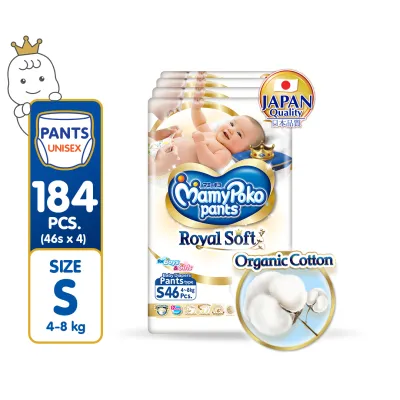
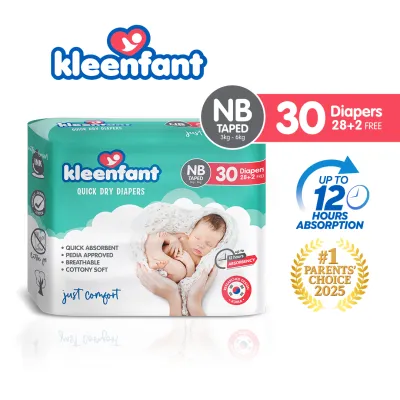
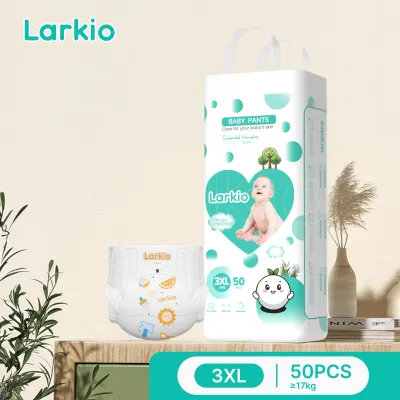
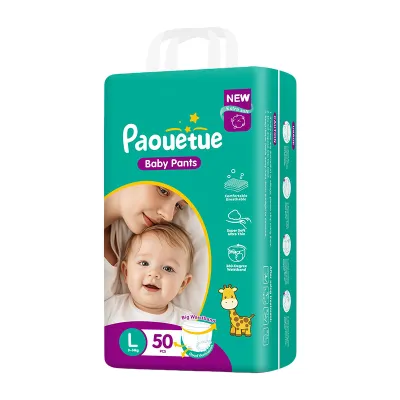
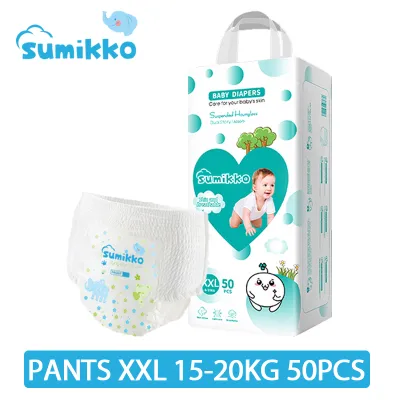

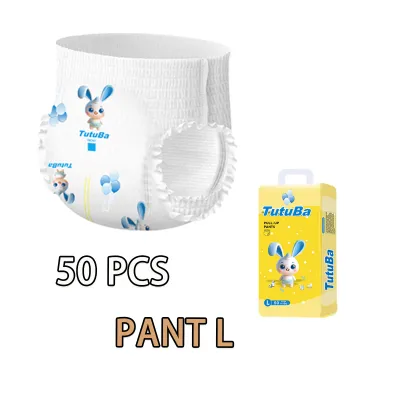
Prices are valid at publication and may change. Please refer to the product page for the latest price.
Pampers is widely recognized for its focus on a slim profile and advanced dryness technology. The brand typically designs diapers that are lightweight and thin, aiming to distribute wetness evenly across the core to prevent sagging. This thin design is often favored by parents living in tropical climates, as it allows for a less bulky fit under light summer clothing and promotes a lightweight feel.
Huggies, on the other hand, often emphasizes a contoured fit and robust physical barriers. Many of their product lines feature elastic waistbands, pocketed backs to catch runny messes, and double grip strips designed to keep the diaper securely in place. This design philosophy focuses on containing movement-related leaks, making it a popular option for active babies who are starting to roll, crawl, or walk.
Equator is generally positioned as a budget-friendly, practical option for everyday basic protection. Rather than focusing on premium, high-tech features, Equator prioritizes straightforward utility and cost-effectiveness. This makes it an attractive choice for families looking to manage the high volume of diaper changes required during the daytime, where diapers are replaced frequently regardless of wetness levels.
It is important to remember that features can vary significantly across different sub-brands and product tiers within the same manufacturer, such as premium versus standard lines. Always read the packaging carefully to verify the specific features of the pack you are purchasing. Furthermore, brand reputation alone does not guarantee a perfect fit, as every baby’s unique anatomy and movement patterns will interact differently with each diaper’s cut.
Comparing Key Performance Factors
When evaluating diaper performance, it is helpful to establish a set of practical dimensions that you can observe and test in real-world conditions. Because every baby has a different urine output, physical build, and skin sensitivity, a diaper that works perfectly for one family might lead to leaks or rashes for another.

Rather than relying solely on marketing claims, parents should take an active role in monitoring how a diaper performs during daily activities and long sleep periods. By focusing on observable physical characteristics and tracking how your baby reacts to different brands, you can identify the most reliable option for your specific situation.
Absorbency and Leak Protection
To assess a diaper’s absorbency and leak protection, start by inspecting its physical structure. Look closely at the thickness and composition of the absorbent core, the presence of a wetness indicator line, and the height of the elastic leak guards along the leg openings. Higher, more flexible leak guards generally provide a better barrier against sudden, heavy wetting.
We recommend running a short trial period with a small pack of diapers to observe real-world performance. During this trial, pay close attention to how the diaper handles long stretches of sleep or active play sessions. Note whether any leaks occur and, if they do, where they originate. Leaks around the legs often suggest that the leg cuffs are too loose or the elastic has worn out, while leaks at the waistband may indicate that the diaper’s core cannot absorb liquid quickly enough or that the fit is too low.
It is also crucial to strictly follow the manufacturer’s weight guidelines printed on the packaging. Diaper sizes are determined by weight ranges rather than age, and using the wrong size is the single most common cause of leaks. If your baby is approaching the upper limit of a size range, transitioning to the next size up can often resolve persistent leaking issues, regardless of the brand you choose.
Fit, Comfort, and Skin Health
A diaper’s physical cut and materials must be compatible with your baby’s body shape and skin sensitivity to ensure long-term comfort. When putting on a diaper, check the elasticity of the waistband and the flexibility of the leg cuffs. The diaper should fit snugly enough to prevent gaps, but it should not leave deep red marks, indentations, or chafing lines on your baby’s thighs or waist.
In warm and humid environments, monitoring your baby’s skin health is particularly important. Trapped moisture and friction can quickly lead to diaper rash or heat rash. If you notice persistent redness, irritation, or a developing rash, stop using the current diaper brand immediately and consult a pediatrician or qualified healthcare professional for guidance.
To minimize the risk of skin irritation, review the material labels on the packaging. If your baby has highly sensitive skin, look for diapers that claim high breathability and consider avoiding heavily scented variants or those with extensive colorful prints. Opting for hypoallergenic, fragrance-free options can help reduce the likelihood of contact dermatitis and keep your baby’s skin barrier healthy.
Evaluating Price and Overall Value
Managing the ongoing cost of diapers requires looking beyond the upfront price of a single package. To make an accurate financial comparison, calculate the cost per diaper by dividing the total price of the pack by the number of individual diapers inside. This simple calculation allows you to compare different pack sizes, bulk boxes, and promotional deals across physical supermarkets and online marketplaces.
Be mindful of the hidden costs associated with choosing a cheaper diaper brand. If a lower-priced diaper has lower absorbency or a less secure fit, you may find yourself changing your baby more frequently to prevent leaks. This increased consumption can quickly offset any initial savings, meaning a slightly more expensive, highly absorbent diaper might actually cost you less over the course of a week.
A highly effective way to balance your budget and your baby’s comfort is to use a dual-brand strategy. You can invest in highly absorbent, premium diapers for overnight use and long outings, ensuring your baby stays dry and sleeps soundly. For daytime hours, when you are home and can change the diaper every few hours, you can switch to a more economical, basic option to keep your overall expenses manageable.
Decision Framework: Which Brand Fits Your Baby?
To help you make a final purchasing decision, consider how each brand’s design philosophy aligns with your daily priorities and your baby’s physical characteristics.
Consider Pampers if you prioritize a slim, lightweight profile that minimizes bulk under clothing and keeps your baby feeling dry. This brand is often highly suitable for parents looking for advanced moisture-wicking technology to keep skin dry during warm, humid days.
Consider Huggies if your baby has a rounder, chunkier build and requires a highly contoured fit. The elastic waistbands and secure leg barriers are excellent for active babies who need extra protection against blowouts and leaks during movement.
Consider Equator if you are looking for a highly cost-effective, straightforward option for frequent daytime changes. It is an ideal choice for families who plan to change diapers often and do not require the advanced, premium features of higher-priced brands for everyday wear.
Before committing to a large bulk purchase, always verify suitability by buying the smallest available pack or requesting trial samples. This allows you to test the fit and material compatibility on your baby’s skin without a significant financial commitment. Additionally, keep in mind that your baby’s diapering needs will change as they grow, gain weight, and become more active, meaning you should periodically reassess your chosen brand and size to ensure the best possible fit.
Frequently Asked Questions (FAQ)
How do I know if a diaper is too small or too big?
A diaper is likely too small if you observe red marks or deep indentations on your baby’s thighs or waist, experience frequent leaks despite proper application, or find that the fastening tabs struggle to reach the center panel. Conversely, a diaper is too big if there is visible gaping around the leg cuffs, if the diaper sags heavily even when lightly wet, or if the waistband sits too high on the stomach or folds over during movement.
Is it safe to use different brands for day and night?
Yes, using different diaper brands for daytime and nighttime is a safe and highly practical strategy. Many parents optimize their household budget and support uninterrupted sleep by using highly absorbent, premium diapers for overnight use and switching to more affordable, basic diapers for daytime hours when changes occur every few hours.

Community discussion
Share your experience or ask a question. Comments are reviewed before publication.