
Shopping for newborn diapers during a major online sale can feel like a race against time, especially when major brands like Pampers, Huggies, and Equator are offering steep discounts. However, the best diaper for your newborn is not necessarily the most famous brand or the one with the deepest markdown. Instead, the ideal choice depends on your baby’s unique body shape, skin sensitivity, and your household budget. In a tropical climate like the Philippines, where high humidity can exacerbate diaper rash and discomfort, choosing the right diaper requires looking beyond the discount tag. This guide will help you evaluate the physical features, material labels, and true cost-per-piece of these three options so you can confidently add the right box to your cart.
How to Compare Absorbency and Leak Protection
Newborns urinate frequently, making absorbency and leak protection the primary defense against skin irritation and wet bedding. When evaluating Pampers, Huggies, and Equator during a sale, start by checking the packaging for specific core technology claims. Look for terms indicating channel designs, which help distribute liquid evenly across the diaper rather than letting it pool in one spot. A wetness indicator line is another highly useful feature for newborns, changing color to signal when a change is needed without requiring you to open the diaper.
Beyond the marketing claims on the box, you should physically inspect the diaper’s overall thickness and flexibility once you open a pack. A thinner diaper is often more comfortable in warm, humid weather, but it must still feel dry to the touch shortly after wetting. Gently press your fingers against the inner lining of a freshly wet diaper to observe how quickly the moisture is drawn away from the surface.
Products mentioned in this guide
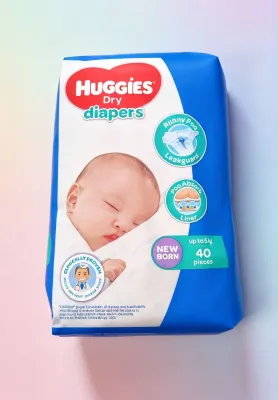
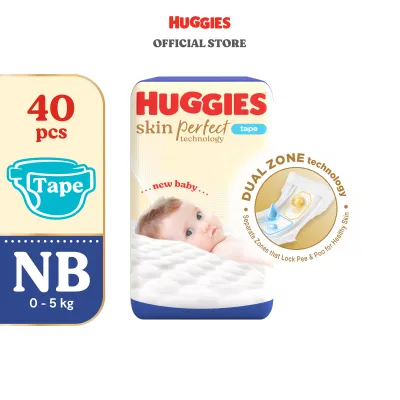
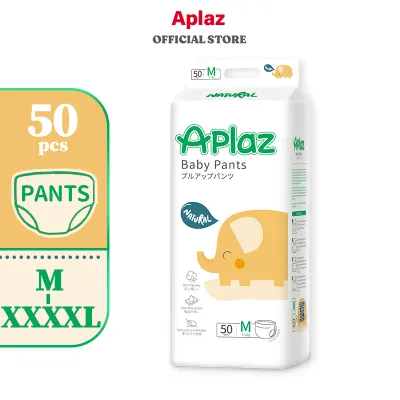
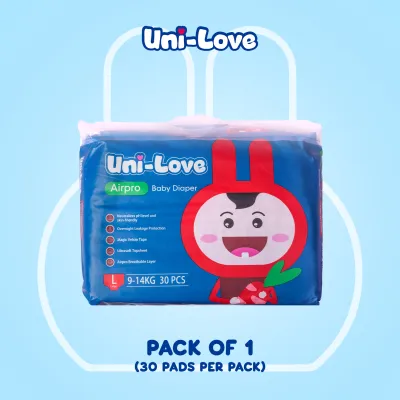
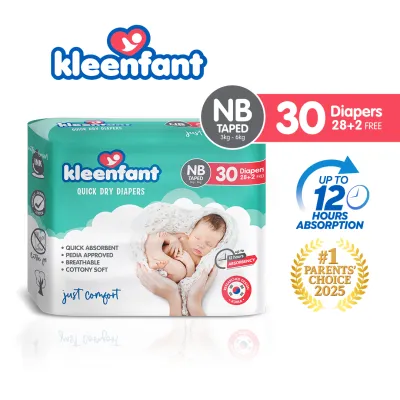
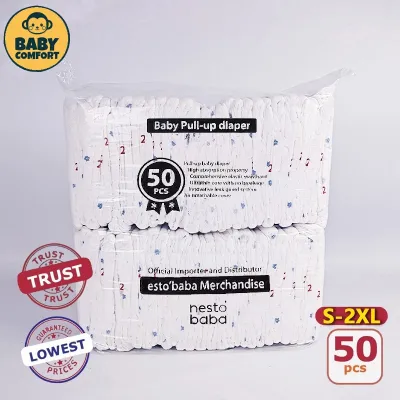
Prices are valid at publication and may change. Please refer to the product page for the latest price.
Real-world performance can only be verified once the diaper is on your baby. Monitor for leaks around the leg cuffs and waist during the first few uses, especially during long sleep stretches or active feeding times. If you notice frequent leaks despite a snug fit, it may indicate that the diaper’s core design does not match your baby’s wetting patterns, prompting you to try a different brand’s technology.
Evaluating Fit and Comfort for Newborns
A diaper can have excellent absorbency, but if the fit is incorrect, leaks and discomfort are inevitable. Newborn babies come in all shapes and sizes, from long and lean to wonderfully chubby. When comparing Pampers, Huggies, and Equator, pay close attention to the waistband elasticity, leg cuff height, and overall width of the diaper chassis. A highly elastic waistband helps prevent blowouts at the back, while double-layered leg cuffs provide a secure barrier against side leaks.

For newborn sizes, a dedicated umbilical cord cutout is a critical feature to look for on the packaging. This curved recess at the front of the diaper prevents the material from rubbing against your baby’s healing umbilical cord stump, reducing irritation and keeping the area dry. Check if the brands you are comparing include this cutout, as some standard newborn sizes may require you to fold the waistband downward manually.
After removing a diaper, inspect your baby’s skin for any physical signs of friction or pressure. Red marks around the thighs or waist indicate that the elastic is too tight, the cut is too narrow, or it is time to transition to a larger size. Because diaper cuts vary significantly between brands, a newborn size in one brand might fit snugly, while the same size in another brand might leave gaps that invite leaks.
Checking Skin-Friendliness and Breathability
A newborn’s skin is incredibly thin and highly sensitive, making it vulnerable to irritation, especially in warm and humid tropical environments. Before purchasing any diaper bundle on sale, read the ingredient and material lists printed on the packaging. Look for claims regarding added lotions, fragrances, or chlorine-free processing. Fragrance-free and hypoallergenic labels are excellent starting points, but you should always verify the actual ingredient list to ensure there are no potential irritants that could trigger a reaction.
The texture of the inner lining plays a major role in maintaining skin health. Feel the inner lining of each diaper to see if it is completely smooth or if it features a textured, quilted, or honeycombed pattern. Textured linings are designed to create tiny air pockets, promoting airflow against the skin and helping to keep loose newborn stools away from delicate skin.
Even if a brand boasts impressive hypoallergenic certifications, every baby’s skin reacts differently. If persistent rashes, redness, or bumps appear in the diaper area, stop using the product immediately and consult a pediatrician. Do not attempt to push through a bulk supply of diapers if they are causing skin distress, as untreated diaper rash can quickly lead to secondary infections.
Calculating the Real Value During a Sale
Sale events on ecommerce platforms often feature confusing bundle deals, flash discounts, and voucher combinations that make it difficult to see which brand offers the best value. To find the true bargain, calculate the exact cost per piece in ₱. Divide the total discounted price of the pack—after applying all vouchers and shipping discounts—by the exact number of diapers inside the box. This simple calculation allows you to compare Pampers, Huggies, and Equator on an equal footing, regardless of their differing pack sizes.
When browsing online marketplaces, compare multi-box bundle deals against single-box discounts. While buying in bulk often yields a lower cost per piece, it requires a larger upfront investment and carries the risk of your baby outgrowing the size before you finish the supply. Be sure to factor in shipping fees, as bulky diaper boxes can sometimes incur high delivery charges that wipe out the initial sale savings.
Additionally, always check the manufacturing or expiration dates printed on bulk sale packs. While diapers do not spoil like food, materials can degrade over time, especially when stored in hot, humid conditions. Ensure that any stockpile you purchase is relatively fresh and can be fully utilized within its recommended shelf life to avoid issues with failing elastics or weakened adhesive tabs.
Decision Framework: Which Brand to Add to Your Cart?
To make the final decision during a sale, match the specific features of Pampers, Huggies, and Equator to your baby’s physical profile and your family’s priorities. If your baby has chunky thighs and is prone to side leaks, prioritize the brand that features a wider cut and highly stretchier leg cuffs. This extra room prevents red marks while ensuring a secure, leak-free seal around the legs.
If you prefer a less bulky fit that sits discreetly under lightweight cotton onesies, choose the brand with a slimmer profile and highly visible wetness indicators. This design is particularly convenient for frequent daytime checks, allowing you to monitor wetness at a glance without disturbing your resting baby.
For households where budget is the primary driver, choose the brand that offers the lowest calculated cost per piece in ₱, provided your baby’s skin has shown no adverse reactions to the materials. Saving money on diapers frees up resources for other essential newborn expenses, but this strategy only works if the diaper performs reliably without causing rashes.
Before committing to a massive, non-returnable bulk sale bundle of any brand, always verify the fit and performance by purchasing a small trial pack first. Testing a small pack of Pampers, Huggies, or Equator beforehand ensures you do not end up stuck with hundreds of diapers that leak, cause rashes, or simply do not fit your baby’s unique shape.
Frequently Asked Questions (FAQ)
How many newborn diapers should I stock up on during a sale?
It is highly recommended to avoid overstocking on newborn-sized diapers, even during a major sale. Newborns grow at an incredibly rapid pace, often outgrowing the newborn weight range within the first few weeks of life. Having a moderate stash of about two to three weeks’ worth of diapers is usually sufficient. Instead of buying massive quantities of newborn sizes, focus your bulk sale purchases on Size 1 or Size 2, which your baby will wear for a much longer duration.
Can I use size 1 diapers for a newborn if they are cheaper on sale?
While there is often a weight range overlap printed on diaper packaging, transitioning to Size 1 too early can lead to fit issues. Size 1 diapers are physically larger and may lack the essential umbilical cord cutout needed for a fresh newborn. If a diaper fits too loosely around the waist or legs, it will fail to create a proper seal, significantly increasing the risk of messy leaks and blowouts. It is best to stick to newborn-specific sizes until your baby meets the minimum physical fit requirements for Size 1.

Community discussion
Share your experience or ask a question. Comments are reviewed before publication.